Every year the search for the best restaurants near me in San Francisco produces the same twenty names in a slightly different order, and every year that list is both true and useless. It is true because those rooms really are good. It is useless because it does not tell you the only thing that matters at 6pm on a Thursday: whether this particular restaurant is the right answer to your particular evening. A definitive list should be a list of reasons, not a ranking. There are five reasons a San Francisco restaurant is worth crossing the city for, and almost every great room here is great for exactly one of them.
Most people do not want the best restaurant in San Francisco — they want the best one for the reason they are going out tonight. Tell Karpo what the evening is actually for and which side of the city you can reach, and it will narrow the list to that reason.
Reason one: it does one thing better than anyone
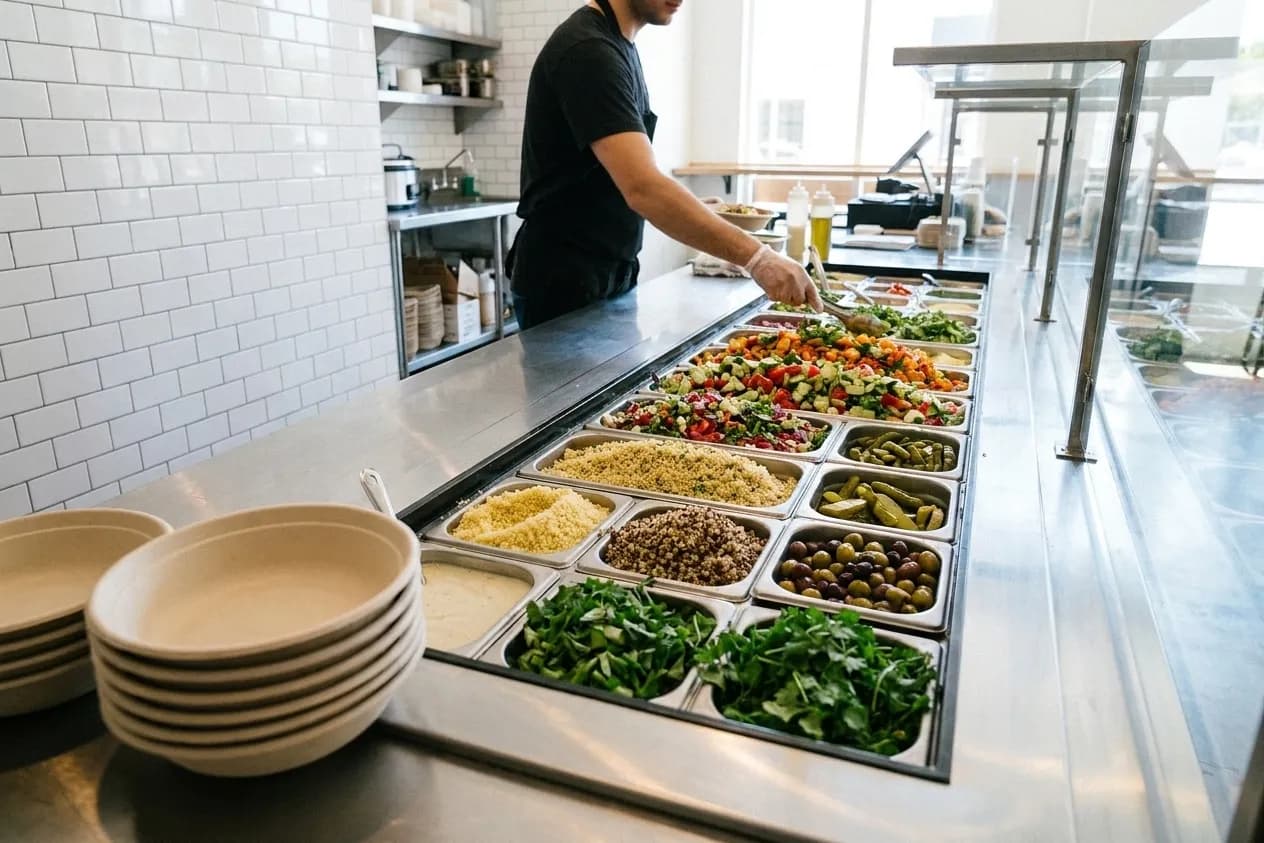
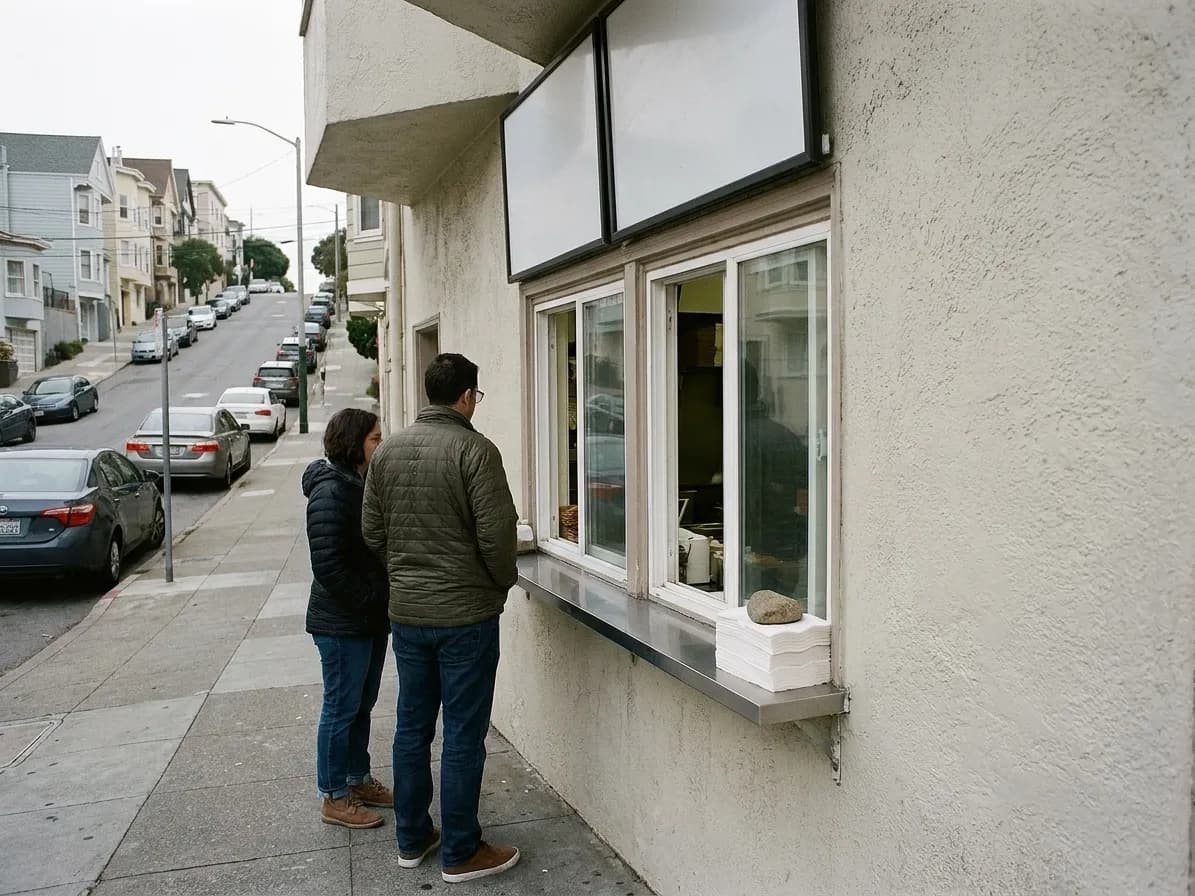
The narrowest restaurants in San Francisco are frequently the best ones. A place that makes one kind of noodle, one style of pizza, one regional set of dishes, has spent years compressing its attention into a very small space, and you can taste the compression. This is the category where the Mission, the Richmond and the Sunset consistently outperform the expensive downtown rooms — the rent is lower, the menu is shorter, and nothing on it is there to fill a gap.
The way to use this category is to go in knowing what the one thing is and to order it even if you would normally order something else. A specialist's second-best dish is usually its weakest, because it exists for the person in the party who does not want the specialty. Do not be that person, and do not bring four of them.
Reason two: it is the same every single time
Consistency is the least glamorous virtue in food writing and the most valuable one in practice. A room that produces the identical plate on a wet Tuesday in February and a packed Saturday in September has solved problems that most restaurants never solve: staff retention, a supply chain that does not wobble, a menu sized to the kitchen actually available. San Francisco has a deep bench here, mostly in family-run rooms that have been open long enough to stop chasing anything.
These are the restaurants to use when the evening has stakes — a visiting parent, a work dinner, a birthday where a bad meal would actually matter. You are not paying for surprise. You are paying for the absence of risk, which is worth more than most lists admit.
Reason three: the room does something the food cannot
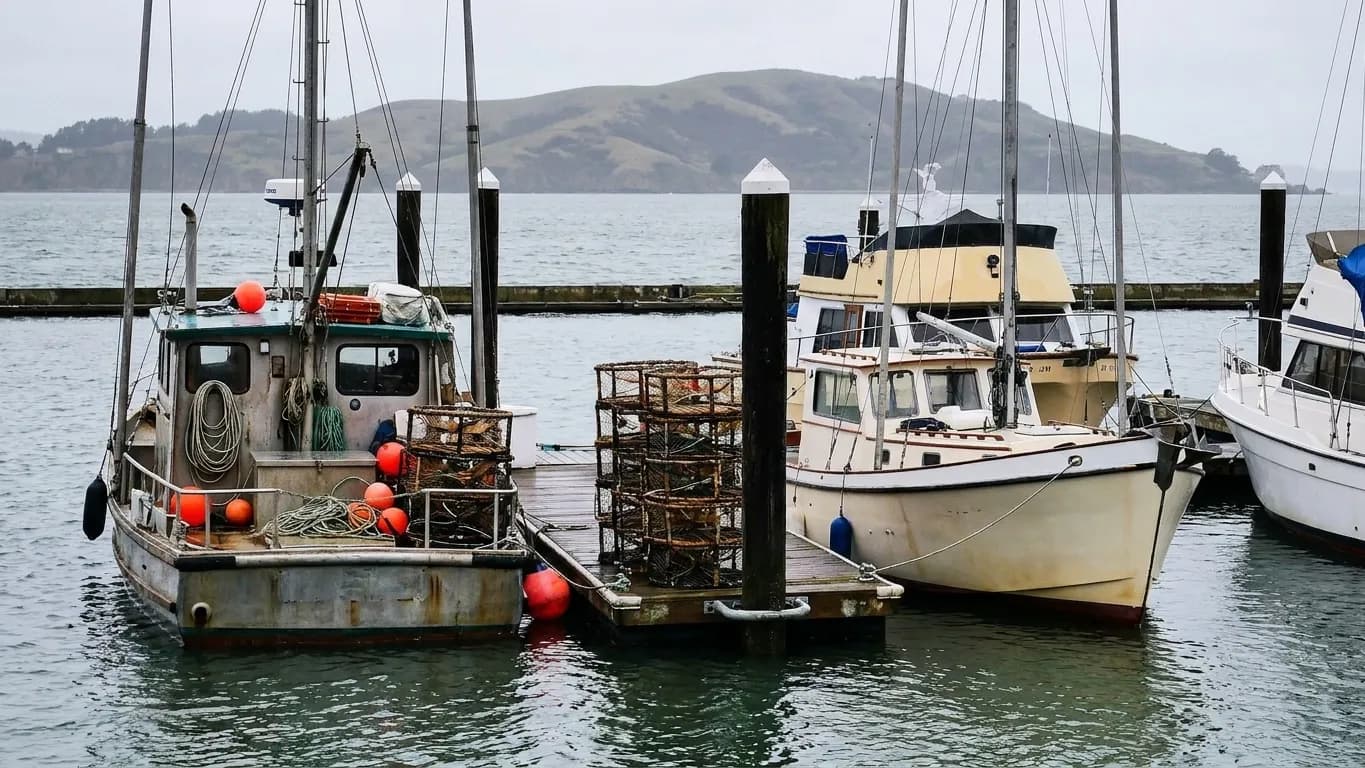
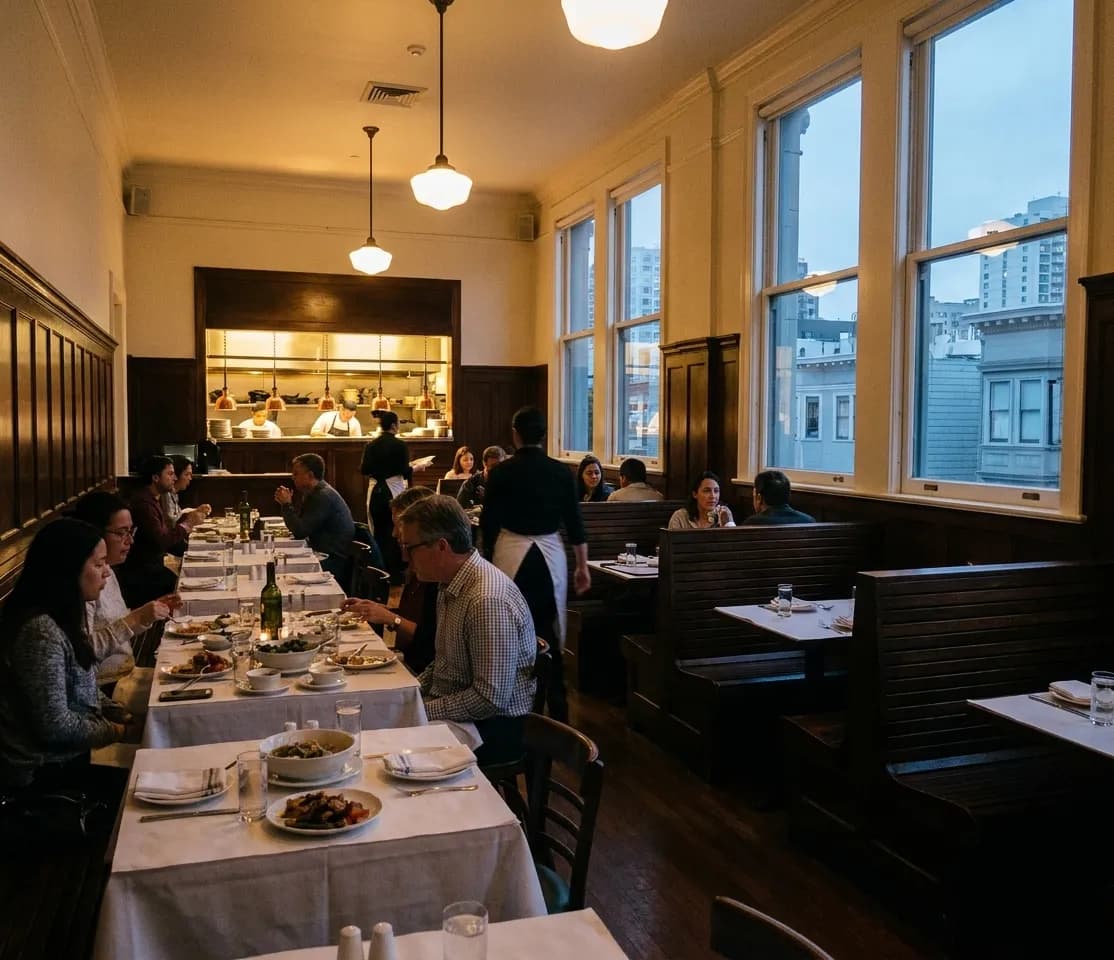
Some restaurants are worth it for reasons that have nothing to do with the kitchen. A dining room with a view of the bay at the moment the fog comes over the hill, a century-old interior nobody would be allowed to build now, a counter where you watch the whole line work — these are experiences that a very good meal in a beige room cannot replace. San Francisco is unusually rich in this category because so much of its restaurant stock sits inside older buildings on steep ground.
The honest caveat is that food quality in view-driven rooms varies more than anywhere else, because the room does part of the selling. Go for a drink and a starter at the bar rather than committing to a full dinner, and you get the reason you came for at a third of the price.
Reason four: the value is genuinely unusual
Value is not the same as cheap. A $19 plate that would be $34 anywhere else is a value restaurant; so is a $95 tasting menu that costs $180 in a comparable city. San Francisco has both, and they tend to cluster in the same places — neighbourhoods with long-established immigrant restaurant traditions, and newer rooms that opened with small footprints and no investors to repay. Lunch is where this category is most visible, because a large number of ambitious kitchens run a midday menu at close to cost to keep the room busy.
Reason five: you can actually get in
A restaurant you cannot book is not on your list, whatever a ranking says. Access is a real quality, and the rooms that hold back counter seats, keep a genuine walk-in list, or release tables at a predictable hour deserve credit for it. In practice the difference between a great night and a frustrating one in San Francisco is often just knowing which restaurants treat the bar as a first-class dining space.
So build your own definitive list as five short lists rather than one long one. When someone asks where to eat, the useful question back is not what kind of food — it is which of the five reasons tonight is about. That question has a much better hit rate than any ranking, and it works in any neighbourhood, at any price.
What changes and what does not
Opening hours, prices and reservation policies in San Francisco move constantly, and any specific claim about them has a short shelf life. Treat the categories above as durable and the details as perishable: check the current hours the day you go, and assume that a policy you read about six months ago has been revised at least once since.
Tags: #SanFrancisco #SF #BayArea #Restaurants #WhereToEat #Dining #SFEats #SFGuide #ExploreSF #SFLocal #SFWeekend #SFNights #SFFood #SFLife
Sources consulted: sfchronicle.com · eater.com · opentable.com
All trademarks are the property of their respective owners.
Ask Karpo first
Karpo is a proactive AI assistant that lives in iMessage. Ask it which of the five reasons fits tonight, and it will do the narrowing for you.