If you are searching tempo vs fire in Miami today, treat the phrase as a reason to build a careful watch plan, not as proof that anything special is happening locally. Miami is a strong sports city with a lively food, drink, arts, culture, beach, and nightlife mix, but a search spike does not confirm a public watch party, a team affiliation, a player appearance, a celebrity drop-in, or even that a venue will put the event on with sound. The smart move is verification first: identify what is actually being shown, choose a public place that fits your crowd tolerance, use Miami-Dade Transit tools before you leave, and keep a second option close enough that you can change plans without turning the night into a commute.
Want a second set of eyes before you go? Text Karpo with the place, time, and what you need to watch, and ask for a quick verification checklist.

Confirm what fans can actually watch
Start with the least exciting question because it prevents the most common failure: what can fans actually watch there, at that time, on that screen? For a tempo vs fire night, do not rely on a flyer screenshot, a social caption, a repost, or a friend saying a place “always has the game.” Use the venue’s official website or direct contact channel first, then confirm whether the event is expected to be shown in the public room you can enter.
Keep the wording precise. Ask whether the room is open to the public, whether the exact matchup or program will be on, whether sound is planned, and whether arrival rules can change. Do not ask, “Are you doing something for it?” because that invites vague answers. Ask, “Will this be shown on a main screen with sound, and do I need a reservation or ticket?” If the venue will not confirm, treat it as a maybe, not a plan.
Also separate Miami the destination from any specific watch claim. Greater Miami & Miami Beach promotes sports, dining, events, arts, culture, neighborhoods, and nightlife, but that general visitor appeal does not verify a particular broadcast, private room, guest appearance, or sponsored party. Your first checkpoint is always the official page or a direct call.
Choose the room by crowd energy
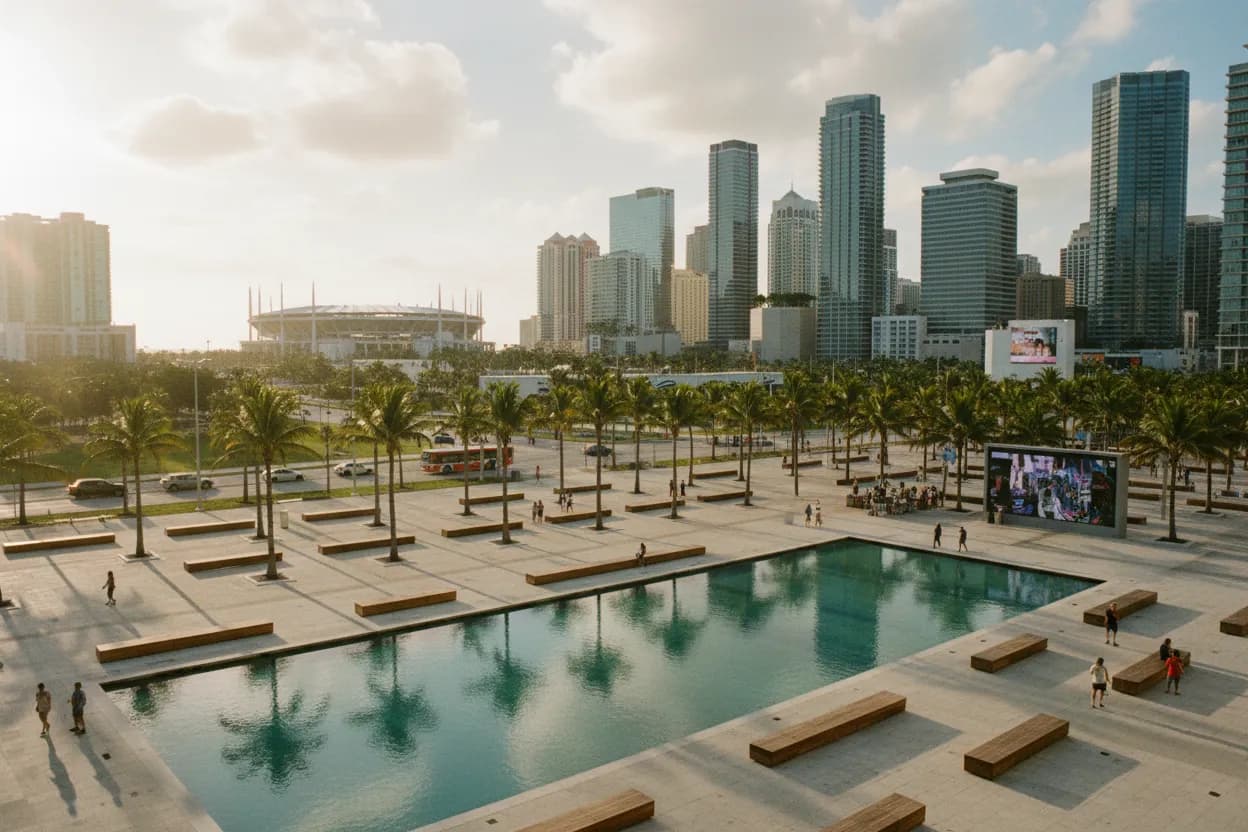
Miami can give you very different nights within a short ride: Downtown energy, beach traffic, neighborhood restaurants, late-night music zones, and quieter hotel-area lounges do not feel the same. The Official Website of Greater Miami & Miami Beach describes the area as a vibrant, cosmopolitan destination with beaches, a rich culinary scene, dynamic arts and culture, and distinct neighborhoods. Use that variety instead of chasing the loudest post.
If you want maximum crowd energy, look for a public room that is already built around sports viewing and can answer screen-and-sound questions clearly. If you are bringing someone who dislikes shoulder-to-shoulder rooms, start with a calmer dining-first place and ask whether a screen will be visible from regular seating. If your group is split, choose a first stop near transit or near a second option so the night can flex.
Crowd risk is not only about popularity. It includes line uncertainty, standing-room pressure, slow service, weather-related arrival delays, parking stress, and the possibility that the venue prioritizes another event. A room with slightly less hype but a confirmed screen, reachable transit, and a nearby fallback is usually stronger than a viral room with no operational details.
Call ahead about the exact screen and sound
A useful call takes under two minutes if you know what to ask. Confirm the date, approximate start window you care about, the specific screen area, whether sound is expected, whether seating is first-come or managed another way, and whether any private event could affect access. If the answer is “check our social,” check it, but still remember that a post is not the same as a final operating guarantee.
Do not pressure staff for promises they cannot make. Broadcast availability, room assignments, and event operations can change. The point of calling is to reduce uncertainty, not erase it. Write down the time you called and the answer you received. If you are coordinating a group, share the verified facts only: place, arrival target, screen status, sound status, access note, and backup.
For Miami specifically, ask about the room’s location inside the property. A venue may have a bar, patio, dining room, lobby area, or upstairs space with different visibility and volume. If your plan depends on hearing commentary, “we have TVs” is not enough. Ask whether sound is planned for the public area where you expect to sit.
Use transit and seating as tiebreakers
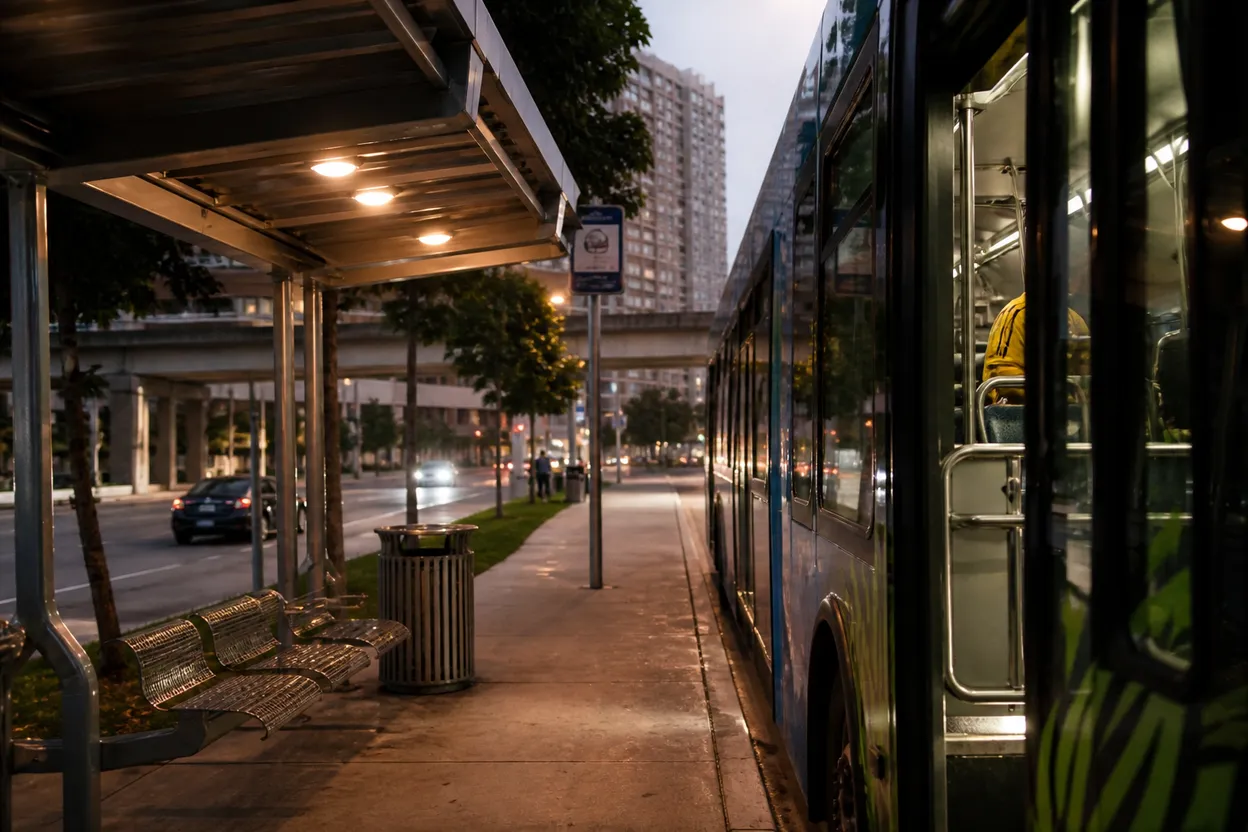
When two places look equally good, choose the one that is easier to reach and easier to exit. Miami-Dade County’s Department of Transportation and Public Works points riders to service updates, rider alerts, a transit tracker, and a trip planner. It also lists Metrobus, Metrorail, Metromover, MetroConnect microtransit, and Special Transportation Service as part of the mass transit system. Check the official transit tools before you commit.
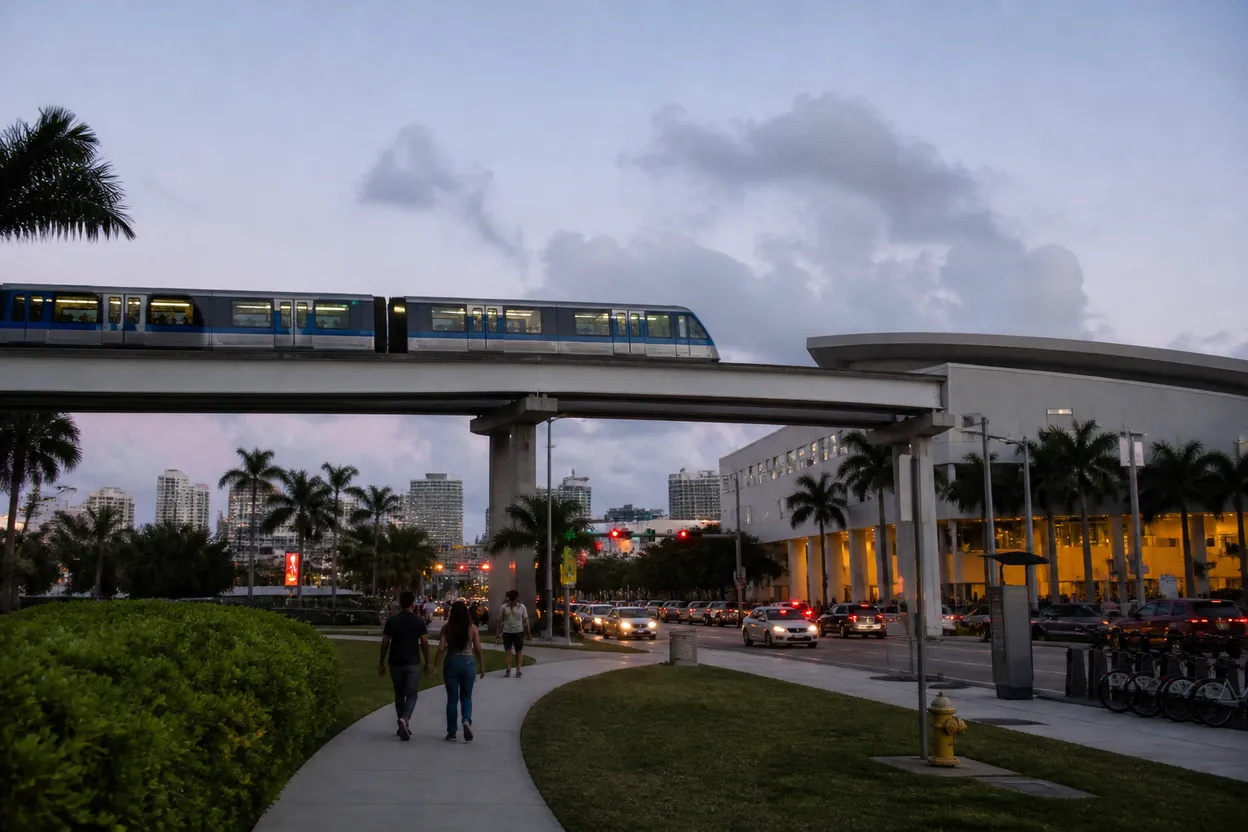
Pay special attention if your route uses Metromover. Miami-Dade’s transportation page notes that Metromover is operating a modified Inner Loop, with trains running on the same track as Brickell and Omni Loop, and that Inner Loop trains will not appear on the platform display. Riders are told to look inside the train to confirm loop designation. That is exactly the kind of small operational detail that can make a tight arrival plan fail.
Seating deserves the same skepticism. If a place will not confirm reservations, access, or arrival procedure, build your timing around arriving earlier than your group’s comfort level, not the event start. If someone in your party needs elevator or escalator reliability, Miami-Dade Transit provides an elevator and escalator status check; use it before choosing a station-dependent plan.
Keep a quieter second option nearby
Your backup should not be a vague idea across town. It should be a named public option in the same general area, reachable without a long transfer, rideshare surge gamble, or parking reset. The second choice does not have to be less fun; it just needs to be less fragile. A dining-focused room with confirmed screens can beat a packed sports room if the first stop turns chaotic.
Build the backup around the failure you are most likely to face. If the first room may be too loud, choose a calmer place nearby. If the first room may not have sound, find a second place that says sound is planned. If the first room may fill quickly, choose a nearby option where you can still eat, watch, or at least regroup while checking the next move.
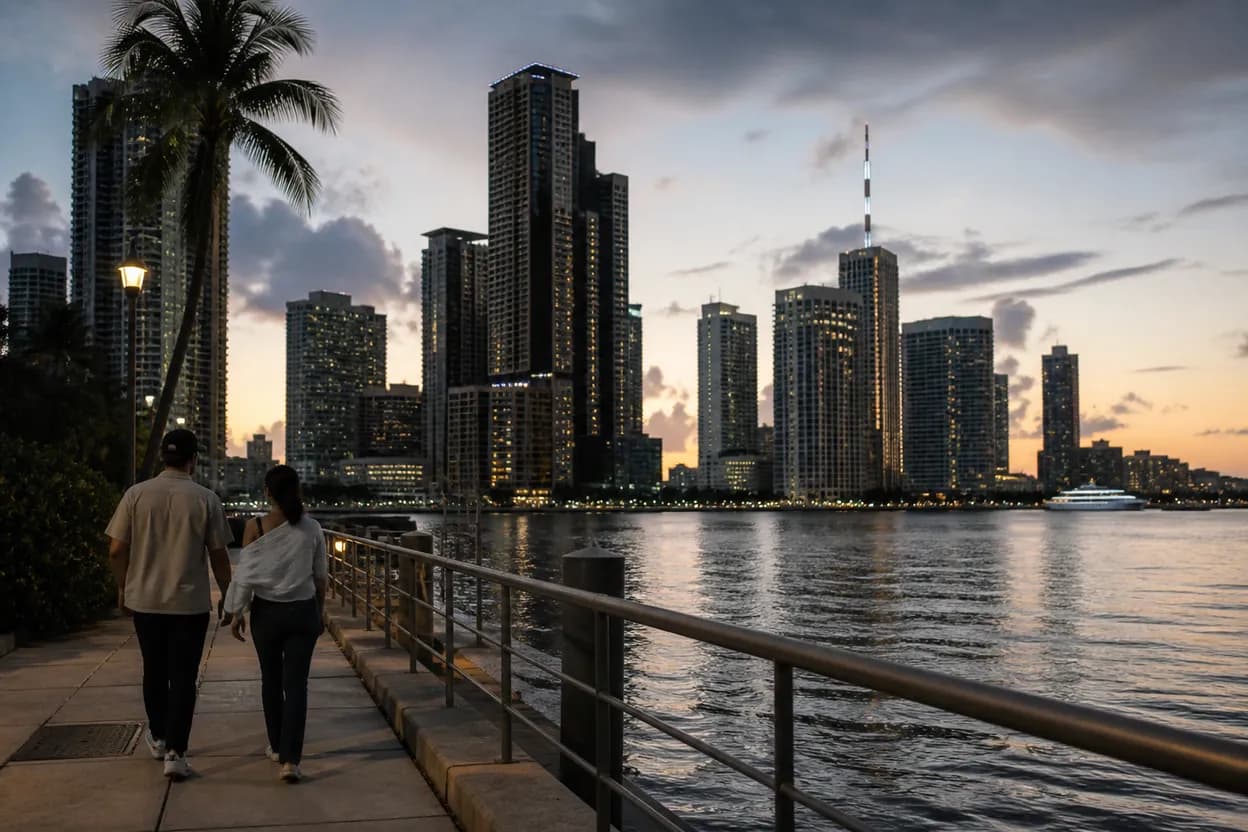
Miami’s neighborhood variety helps here. The visitor bureau highlights distinct cities and neighborhoods across Greater Miami & Miami Beach, along with food, sports, arts, culture, attractions, and outdoor activities. Use that density, but do not turn it into assumptions. A neighborhood with many options still requires one verified first choice and one verified fallback.
Recheck the plan on game day
On Friday, August 7, 2026, make the final check close to departure. Look again at the venue’s official page or direct channel, confirm the room has not changed, and review Miami-Dade Transit rider alerts, service updates, and real-time tracking. If your plan touches Metromover, remember to verify the loop designation inside the train because of the modified Inner Loop operation noted by the county.
Send your group a short plan, not a pile of links: first venue, target arrival time, what was confirmed, transit route to check, backup venue, and the decision point for switching. A good decision point might be “if there is no sound,” “if the line is too long,” or “if we cannot get seats together.” The cleaner the plan, the less arguing happens on the sidewalk.
Finally, keep your claims modest. You are planning a public Miami watch night around tempo vs fire; you are not confirming an official event, endorsement, special access, or appearance unless an official source directly says so. That restraint protects the night. Hype gets people out the door, but verification gets them into the right room.
Tags: #TempoVsFire #Miami #MiamiWatchParties #WatchParties #GameDayMiami #MiamiSports #MiamiDadeTransit #Metromover #Metrorail #Metrobus #DowntownMiami #MiamiBeach #AskKarpo #BeforeYouGo
Sources consulted: miamiandbeaches.com · miamidade.gov · miamidade.gov
All trademarks are the property of their respective owners.
Ask Karpo first
Ask Karpo first before you commit the group chat. Send the venue name, neighborhood, arrival time, and what you need confirmed. Karpo can help you turn scattered posts into a tighter Miami watch plan with one public first choice and one quieter backup.