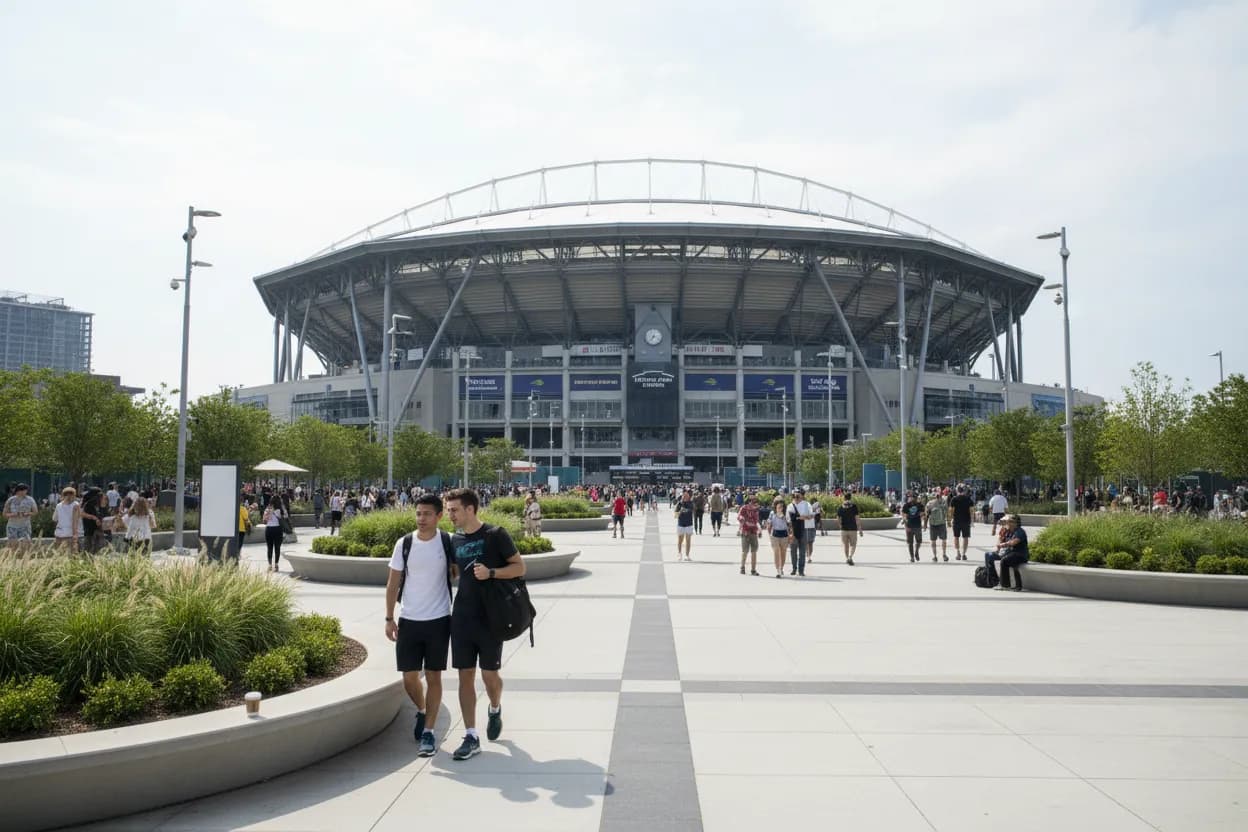
The search phrase tempo vs dream may be what got the group chat moving, but a good NYC sports-social plan should not depend on rumor, resale chatter, or a supposed local appearance. Treat the phrase as a prompt to organize a public outing: decide whether your group wants to play, watch, eat, walk, or simply meet somewhere with sports energy. NYC Tourism frames the city as a five-borough place with sports, nightlife, events, attractions, and budget activities, which is the right scale for planning. The practical move is to build a plan that works even if the original sports conversation changes: verify the schedule, choose a borough, set a meet time, confirm access, and name a backup before anyone leaves home.
Want a tighter version for your exact neighborhood, group size, mobility needs, and preferred borough? Text Karpo before you commit, and ask for a verified sports-social plan with a backup.

Turn the sports interest into a social plan
Start by separating the hook from the plan. “tempo vs dream” can be the reason people are suddenly talking about sports, but it should not become a promise that something specific is happening in NYC. The city already has enough public ways to turn interest into an evening: sports viewing, casual participation, neighborhood food, nightlife, and low-cost activities all sit inside the five-borough mix described by NYC Tourism.
A useful plan has three layers. First, choose the anchor: a public game watch, a casual sports activity, or a sports-adjacent meet-up. Second, choose the social add-on: dinner, a walk, a borough stop, or a budget activity. Third, choose the exit plan: where the group goes if the first venue is packed, closed, delayed, or simply not the mood. That structure protects the night from hype and keeps the organizer from improvising on a crowded sidewalk.
Because NYC is dense and event-heavy, avoid building the outing around unverified screenshots or secondhand posts. Use official venue, organizer, tourism, transit, or managing-agency pages before leaving. If a page does not confirm hours, access, reservations, entry rules, or schedule, treat the detail as unresolved.
Choose participation or spectating first
The first real decision is not borough or restaurant; it is participation versus spectating. A participation plan works for friends who want movement before food: casual play, a walk tied to a sports conversation, or a low-pressure fitness stop. A spectating plan works better when the group wants conversation, screens, seating, and a predictable place to gather.
Participation needs more verification because equipment, court or field access, weather exposure, lighting, and closures can change. If you are using any public recreation site, confirm current rules and availability on the official managing page before telling people to bring gear. Do not assume a space is open just because it was usable last week.
Spectating needs a different check. Confirm the venue’s current hours, reservation approach, age restrictions if relevant, seating expectations, and whether it is actually showing the sports content your group wants. Unless an official source says so, do not promise a broadcast, celebrity presence, team affiliation, special access, or guaranteed atmosphere.

Match the venue to the group energy
NYC Tourism describes the city through five distinct boroughs, and that matters for group energy. Manhattan is the obvious central option for visitors and mixed-origin friend groups because of its recognizable skyline, Broadway area, Central Park, and dense activity. Brooklyn fits groups that want nightlife and boundary-pushing food. Queens is strong for eating across global cuisines and can turn a sports meet-up into a food-first plan.
The Bronx brings deep sports and cultural history, including the borough where Babe Ruth became a baseball legend and where hip-hop sounds and styles were born. Staten Island is a different rhythm: historic attractions, beach views, global dining, and a ferry connection make it better for groups that want space and scenery rather than a packed midtown plan.
Pick the borough based on who is actually coming. A work crowd may need a central, easy-to-explain meeting point. A neighborhood crew may prefer staying local and avoiding a long return trip. A visitor-heavy group may appreciate a borough plan tied to public attractions, budget activities, or a meal. The best venue is not the loudest one; it is the one your whole group can reach, enter, and leave without confusion.
Plan equipment seating and transit early
For participation, send a short equipment note instead of a vague invitation. Say what people should bring only after checking the official rules for the space or activity. If gear is optional, say so. If beginners can show up without equipment, say that too. The goal is to prevent the classic NYC problem: one person arrives ready to play, another arrives dressed for dinner, and nobody knows which version of the night is real.
For spectating, seating is the equipment. Ask the venue directly or check its official page for reservations, walk-in practices, group limits, entry conditions, and current hours. If seating is not confirmed, warn the group that standing or splitting up may happen. That is especially important when a sports topic is unusually active and more people than usual may be trying to watch the same thing.
Transit should be planned before the final invite goes out. Use official transit information close to departure, then give the group a meeting window rather than a single brittle minute. If your plan crosses boroughs, add buffer time and identify the nearest safe public meeting point. When transit status, venue access, or weather makes the original plan awkward, switch to the backup instead of forcing the itinerary.
Keep beginners from feeling stranded
A sports-social night fails when newcomers feel like they walked into a private club. If some people know the teams, players, rules, or storyline and others only know the phrase tempo vs dream, build in a simple on-ramp. Share one neutral sentence about the plan: “We’re using the sports buzz as an excuse to meet, watch or play, and eat after.” That keeps the night inclusive.
If the plan is active, set a beginner-friendly first segment. Make the first stop a meet-up, stretch, warm-up, or rules check rather than immediate competition. If the plan is a watch night, choose a place where conversation is possible and nobody is trapped in a loud room without context. Sports energy is useful; sports gatekeeping is not.
Food is the easiest equalizer. NYC Tourism notes that NYC Restaurant Week Summer 2026 runs July 20 through August 16 with two-course lunches and three-course dinners across all five boroughs starting at $30. If your outing falls within that window, verify participating restaurants and current details on the official page before booking or advertising the meal.

Verify schedules before leaving
The final check should happen the day of the outing, not the night before. Confirm the venue is open, the activity is still available, the event or watch plan is actually listed by an official source, and any restaurant or attraction details still match what you shared. NYC Tourism’s annual-events guidance is blunt in spirit: there is always something worth attending, but you should plan ahead.
Build a crowd-risk rule into the invitation. For example: if the first venue has a long line, no seating, changed access, or an unconfirmed schedule, the group moves to the backup after a set waiting period. Do not debate it at the door. NYC rewards decisive plans, especially when everyone is hungry, late, or standing in bad weather.
Your backup should be close enough to use, not a fantasy across town. Keep it in the same borough when possible, and make it compatible with the same group energy: another public viewing option, a food stop, a budget activity, a walk, or a quieter social venue. The backup is not a failure; it is the reason the plan survives real NYC conditions.
Tags: #TempoVsDream #NYCSports #NYCSocial #AskKarpo #BeforeYouGo #NYCLocal #FiveBoroughs #SportsSocial #NYCPlans #NYCTransit #NYCFood #NYCNightlife #GroupOuting #VerifyFirst
Sources consulted: nyctourism.com · new.mta.info · nycgovparks.org
All trademarks are the property of their respective owners.
Ask Karpo first
Ask Karpo first if your group is choosing between playing, watching, eating, or switching boroughs. Share the neighborhood, headcount, timing, and mobility needs, and Karpo can help turn the sports buzz into a verified NYC plan with a realistic backup.