Search interest around ted lasso is a useful nudge for NYC pub fans who want something warmer than another loose group chat plan. Treat the spike as permission to organize a comfort-TV night, not as evidence that a bar, library, park, or public venue is hosting anything connected to the show. The easy version is a small friend group, one rainy weeknight, one reachable pub, and a checklist that answers the unglamorous questions before anyone leaves home. Can the venue legally show the episode or match the theme without creating licensing trouble? Will sound be on, or will captions have to carry the room? Do tables require booking, and is the group comfortable with the transit route home? The charm comes from low effort and shared nostalgia. The trust comes from verifying every moving part.
Plan the cozy NYC pub night through Karpo by sharing neighborhood, party size, sound needs, and vibe, then get a Ted Lasso-inspired route plus backup.

Start With the Feeling, Not the FOMO
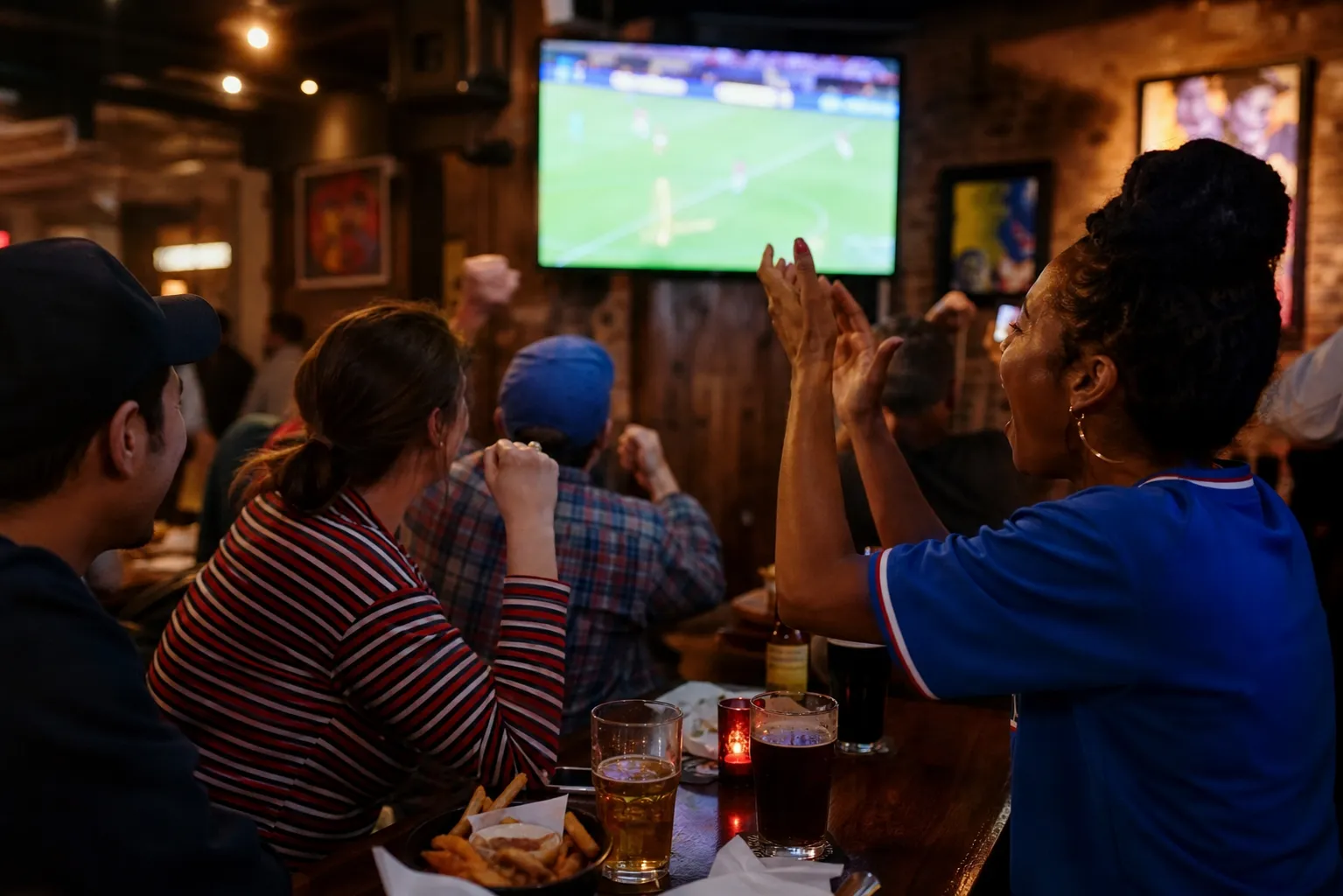
A good NYC watch party night does not need to chase the loudest possible room. For this slice, the better bet is a cozy pub-style setup that feels familiar: damp coats over chair backs, one shared table, simple food, and friends who already understand why comfort TV works on a gray night. That framing keeps the plan easy. It also prevents the event from becoming a fake premiere, unofficial fan convention, or crowded viewing claim that nobody has confirmed. Let the theme guide the mood, the menu conversation, and the invite list, while keeping the actual screening details dependent on what the venue can show.
The tradeoff is themed fun versus uncertainty. A pub may be happy to host friends, but that does not mean it can publicly screen any specific series, provide sound, reserve a screen, or advertise a watch party around protected content. So the first decision is whether this is a private-feeling meetup in a public place or a true venue-backed watch party. The first is easier and lower pressure. The second may be more immersive, but it needs clearer confirmation. For a small group, the smarter move is to ask direct questions early, then build the night around the answers instead of around assumptions.
Ask the Venue the Three Questions That Matter
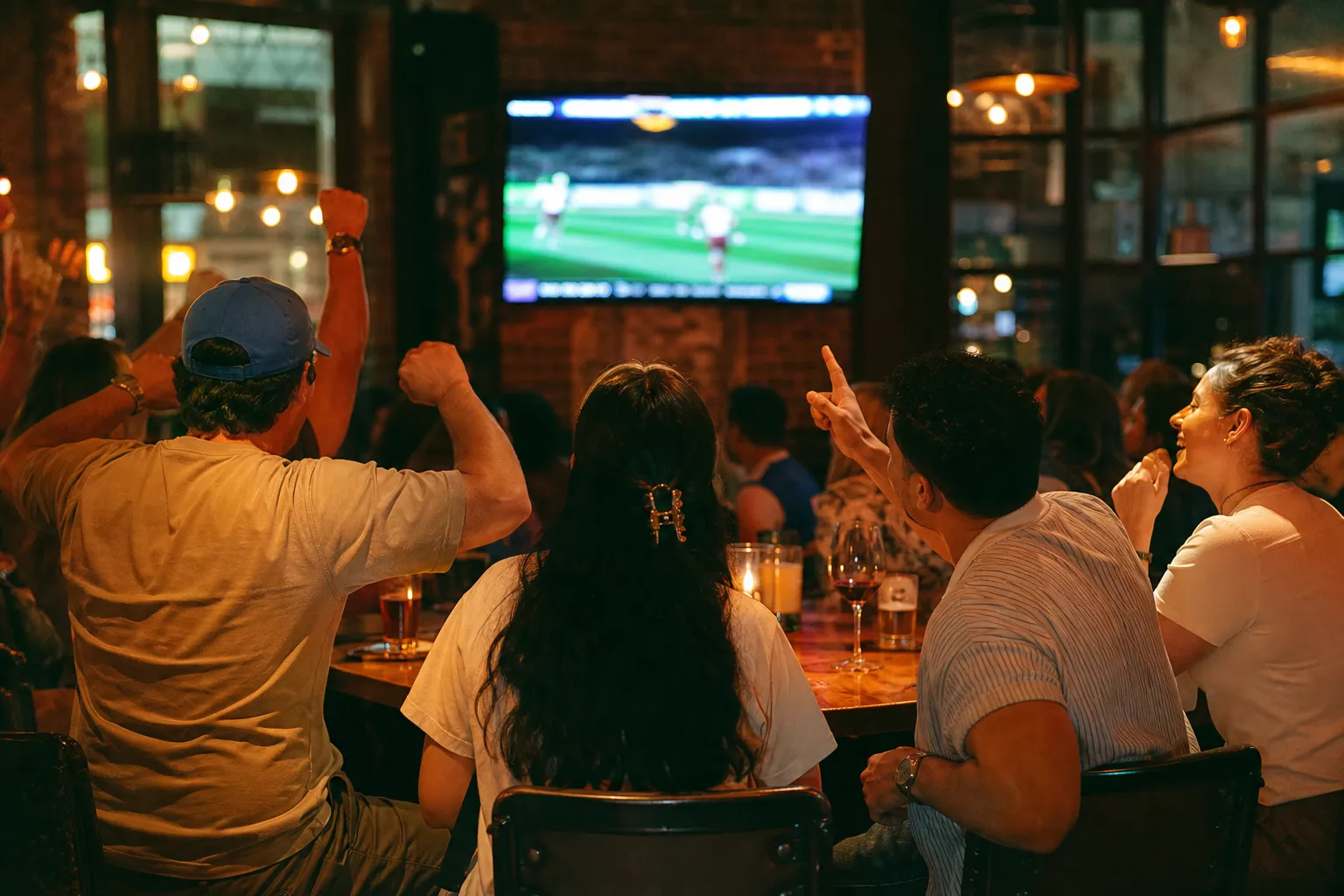
Before picking a neighborhood, ask the pub three plain questions: what can be shown, whether sound can be on, and whether a table needs booking. Do not bury the important part under fan enthusiasm. Say that friends are planning a rainy-weeknight comfort-TV theme and want to understand what is allowed. If the venue cannot show the series, the night can still work as a themed hangout with trivia prompts, quote-free conversation starters, and a shared recap done on personal devices before arrival. If sound is unavailable, the group should know before choosing an episode-heavy plan.
Booking matters because small groups often assume they are flexible until they arrive and find every table already claimed. NYC pubs can vary widely by neighborhood, day, sporting events, private parties, and weather, so avoid treating any table as guaranteed. Ask whether the venue takes reservations, whether there is a minimum group size, and whether the table has sightlines to any screen that might be relevant. If the answer is vague, keep the plan lighter: meet for drinks and theme-night conversation, then stream separately at home. That is less cinematic, but it protects the night from disappointment and awkward staff negotiations.
Make the Theme Touchable Without Overbuilding It
The best checklist keeps the ted lasso reference warm without turning the evening into homework. Choose one simple theme cue for each person: a scarf, a favorite pub snack, a small prediction card, or a comfort-TV memory to bring into conversation. Avoid anything that depends on a venue changing its operations, decorating the room, creating a custom menu, or hosting a formal program unless the staff has explicitly agreed. A small friend group usually benefits from soft coordination more than from props. The point is to make arrival feel intentional, not to make the pub manage a fan event.
Keep the plan easy by deciding what happens if the screen plan changes. If the venue cannot show anything, the night becomes a pub meetup with a later home watch. If sound is off, captions or a post-episode discussion may be enough. If the table falls through, choose a backup nearby public route rather than sending everyone across the city in the rain. The checklist should include arrival window, table policy, sound status, viewing permission, group size, transit options, and a simple fallback. That structure preserves the nostalgic feeling because no one has to improvise under pressure.

Let Transit Shape the Guest List
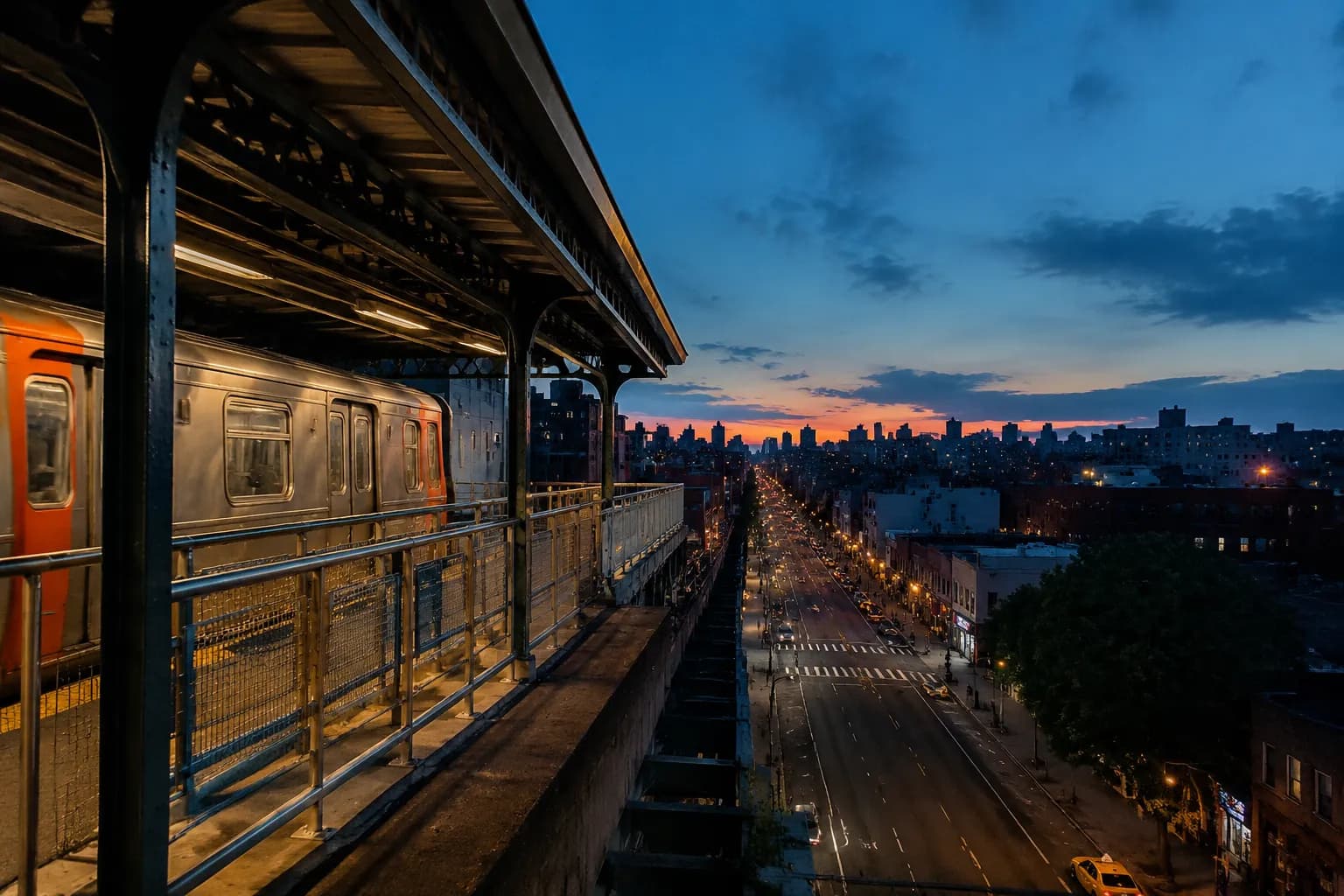
NYC is full of tempting neighborhood picks, but a rainy weeknight rewards boring logistics. The MTA publishes schedules, maps, fares and tolls, planned service changes, nearby stations and stops, real-time alerts, and elevator and escalator status. Use those tools before naming the pub, especially if friends are coming from different boroughs or need accessible travel information. A place that feels central on a map can still be a poor choice if the return trip has late-night transfers, service changes, or a difficult last stretch. Comfort TV loses some comfort when the trip home is treated as an afterthought.
Make the route part of the invitation. Share the nearest transit options, suggest a latest sensible departure window, and remind everyone to check service alerts before leaving. If a friend relies on elevators, escalators, paratransit, or reduced walking distance, choose a venue only after confirming the travel path works for them. The MTA site highlights accessibility resources, Access-A-Ride paratransit, and elevator and escalator status, which makes it possible to plan with fewer guesses. This is not about making the night formal. It is about respecting the fact that easy plans in NYC are easy only when transportation is considered early.
Use Public Listings Carefully, Then Verify Directly
Official city and cultural listings can be useful starting points, but they should not be stretched beyond what they actually say. A parks events page, a library events page, or a restaurant directory may help with broader local discovery, yet absence of a clear event listing is not proof that something exists elsewhere. The NYC restaurant search page is a city health department directory, not a promise of watch-party availability. For this plan, public resources are best used to orient the search, while the final answers must come from the venue itself. That distinction keeps the article grounded and the evening realistic.
When checking restaurants or pubs, separate trust signals from entertainment claims. A listing can help identify an establishment, but it will not answer whether a table is open, whether a screen can be used, whether staff will turn on sound, or whether a theme night is permitted. Call, message, or use the venue's own booking channel, then save the answer somewhere the group can see it. If two searches do not confirm a public watch party, mark it as unverified instead of promoting it. For Karpo-style planning, that honesty is a feature: people can choose faster when the uncertainty is visible.
Tags: #NYC #WatchParties #comfortTV #pubnight #friendgroupplans #rainyweeknight
Sources consulted: Source 1: nycgovparks.org · Source 2: new.mta.info · Source 3: nypl.org · Source 4: a816-health.nyc.gov
All trademarks are the property of their respective owners.
Ask Karpo first
Ask Karpo to turn this NYC idea into a current plan for your date, budget, companion, transit preference, and energy level. Karpo can narrow the route and flag what to verify before you go.