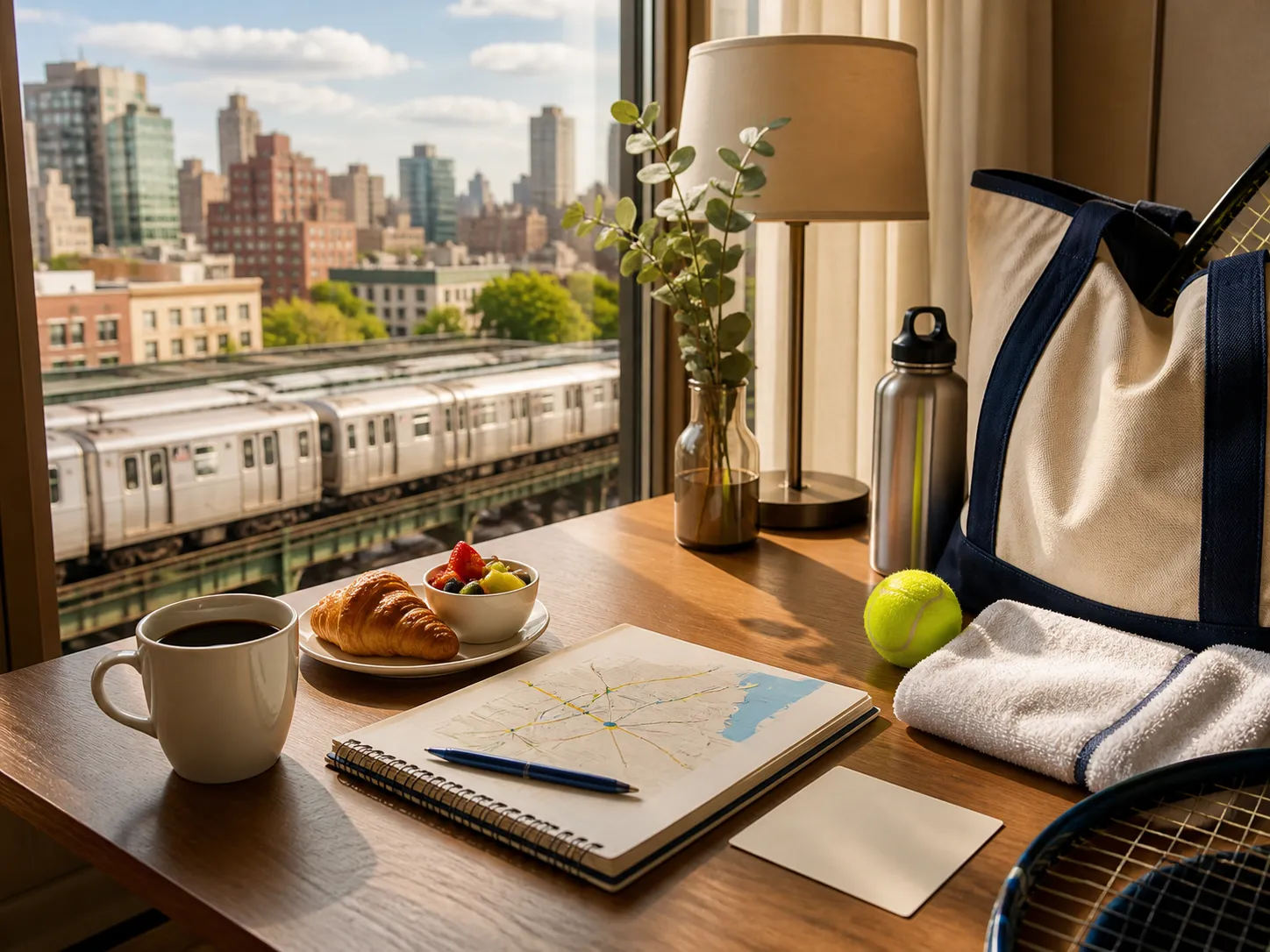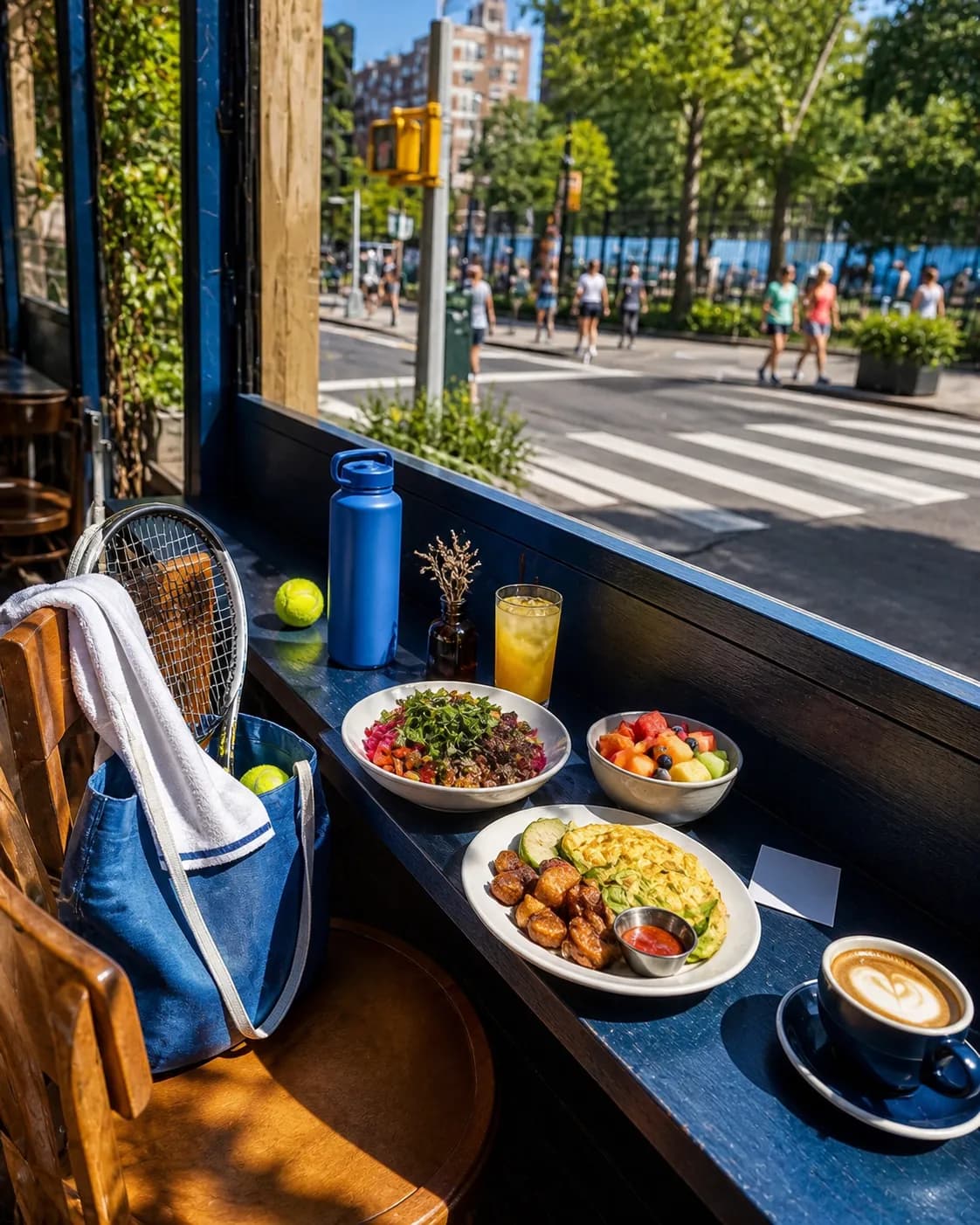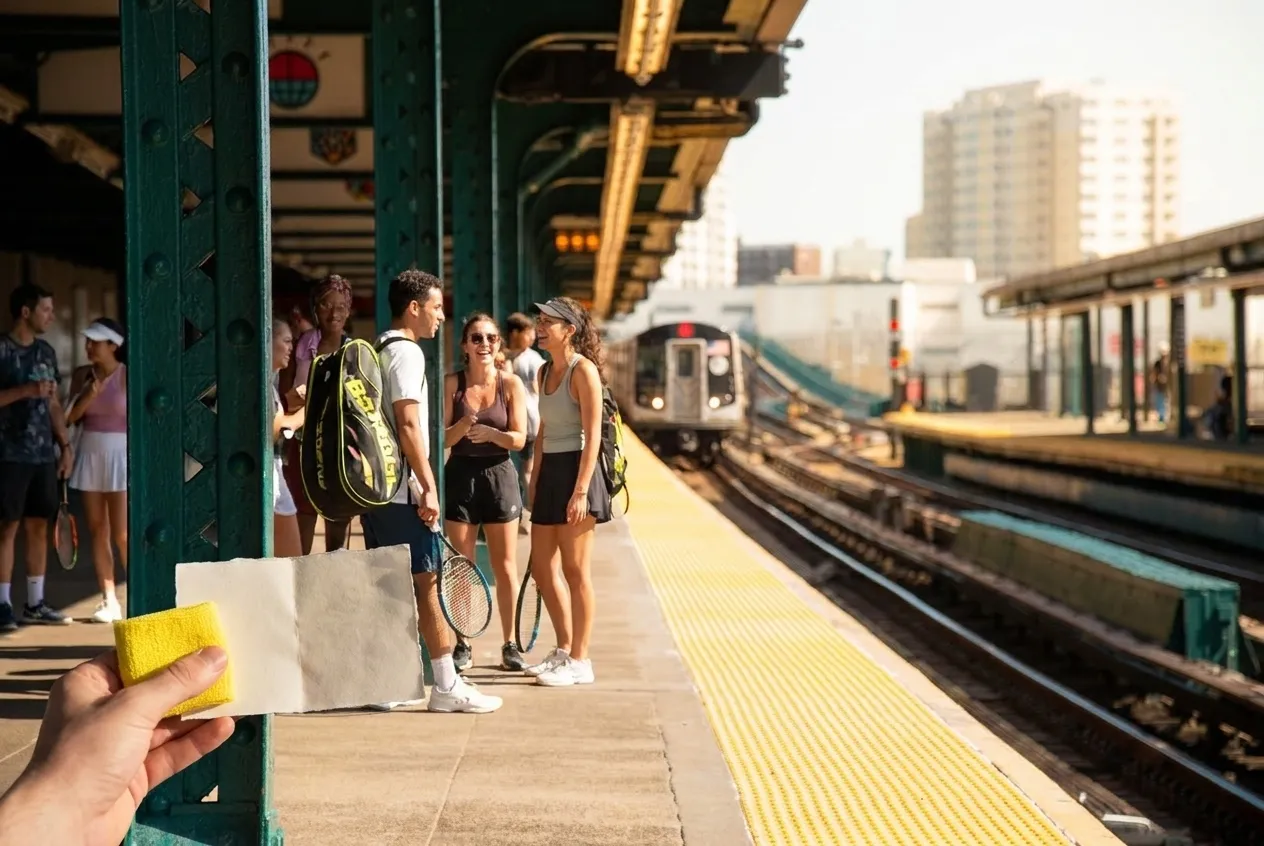
The US Open draws hundreds of thousands of tennis fans to Flushing Meadows Corona Park each August and September, creating predictable congestion on the 7 train, LIRR, and throughout Queens transit corridors. When cellular networks become overloaded or unreliable—a scenario familiar to anyone who has searched "tmobile outage" during major events—coordinating group arrivals at the USTA Billie Jean King National Tennis Center requires analog backup plans. This guide outlines practical meetup strategies for the 2026 US Open that don't depend on real-time texting or app-based coordination.
Text Karpo with your US Open session time and Queens starting point, and we’ll turn this tmobile outage idea into a practical local plan.
Why Mobile Service Becomes Unreliable During the US Open
Major sporting events concentrate tens of thousands of people in small geographic areas, and the US Open is no exception. The USTA Billie Jean King National Tennis Center sits in northern Flushing Meadows Corona Park, accessible primarily via the Mets–Willets Point station on the 7 train. During session changes—especially evening sessions and weekend matches—this station and the surrounding blocks experience surges in foot traffic that can overwhelm cellular infrastructure. Towers designed for typical neighborhood density struggle when thousands of devices simultaneously attempt to connect, send photos, check scores, or coordinate meetups. The result is slow data speeds, failed messages, and dropped calls, regardless of carrier.
This congestion isn't limited to the immediate tournament grounds. Popular pre-match meetup spots in downtown Flushing, along Roosevelt Avenue, and at transit hubs like Jackson Heights and Woodside also see elevated device density as groups gather before heading to the matches. Planning around potential service interruptions means choosing meetup locations and times that don't require last-minute coordination.
Fixed-Time, Fixed-Location Meetup Strategy
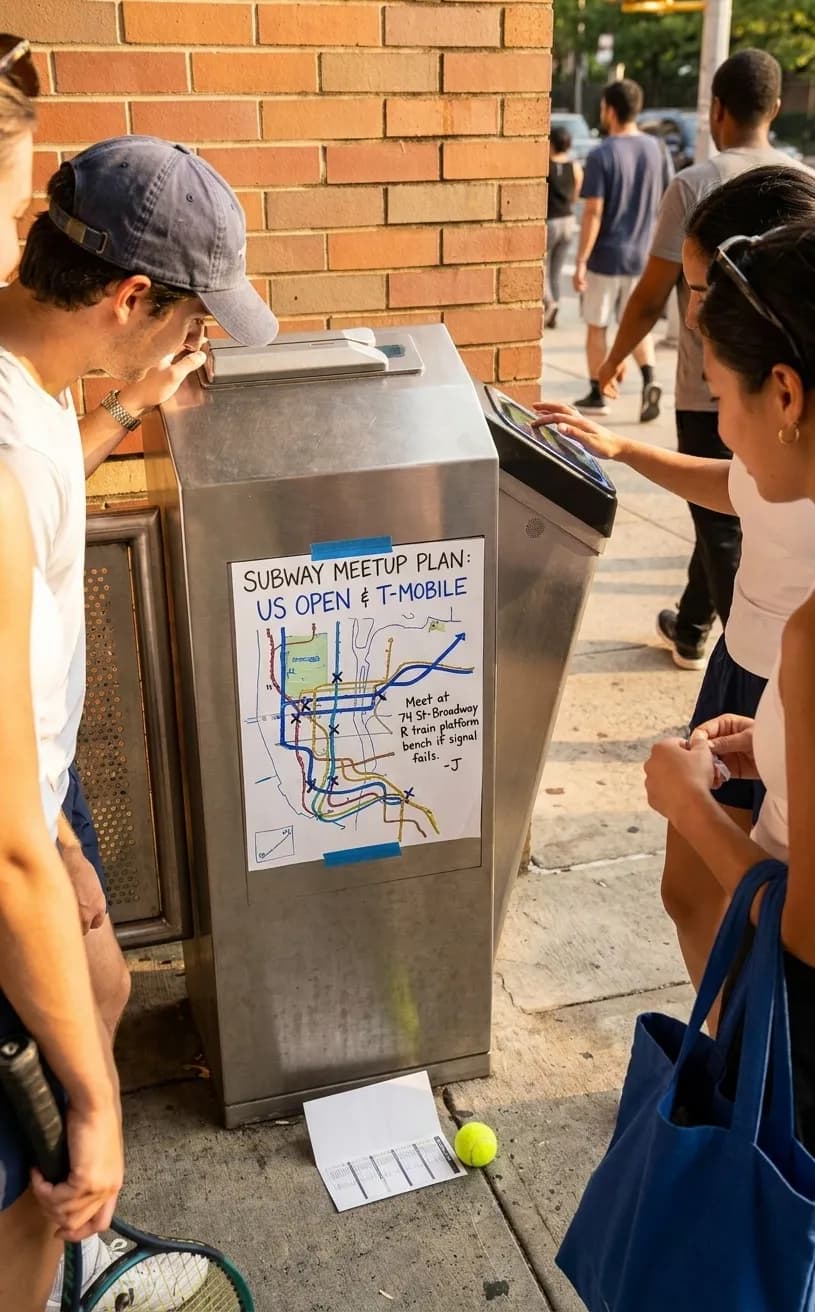
The most reliable approach is to establish meetup details days in advance and commit to them without modification. Choose a specific subway station, a specific visible landmark, and a narrow waiting window rather than vague plans that invite real-time adjustments. The MTA's official US Open transit guide recommends the 7 train to Mets–Willets Point, but also notes that the LIRR Port Washington Branch stops at the same station, offering an alternative for groups coming from Manhattan or western Queens.
For groups starting from different boroughs, consider a single convergence point rather than multiple handoffs. The 74th Street–Broadway station in Jackson Heights serves as a major transfer hub where the 7, E, F, M, and R trains intersect, making it a logical gathering spot for groups arriving from Brooklyn, Manhattan, or other parts of Queens. Agree on a specific entrance—the station has multiple street-level exits—and a landmark within sight of that entrance. Avoid choosing meetup spots inside fare-controlled areas unless everyone already has their MetroCard or OMNY payment method ready.
Backup Plans and Contingency Landmarks
Even with fixed plans, delays happen. Designate a secondary meetup time and location in case the primary window is missed. For example, if the group fails to connect at a transit hub, the backup can be a major public landmark such as the Unisphere after everyone has checked the current route and session timing. The Unisphere is a large, unmistakable landmark visible from multiple paths and located a short walk from the tennis center, making it an ideal fallback that doesn't require cellular confirmation.
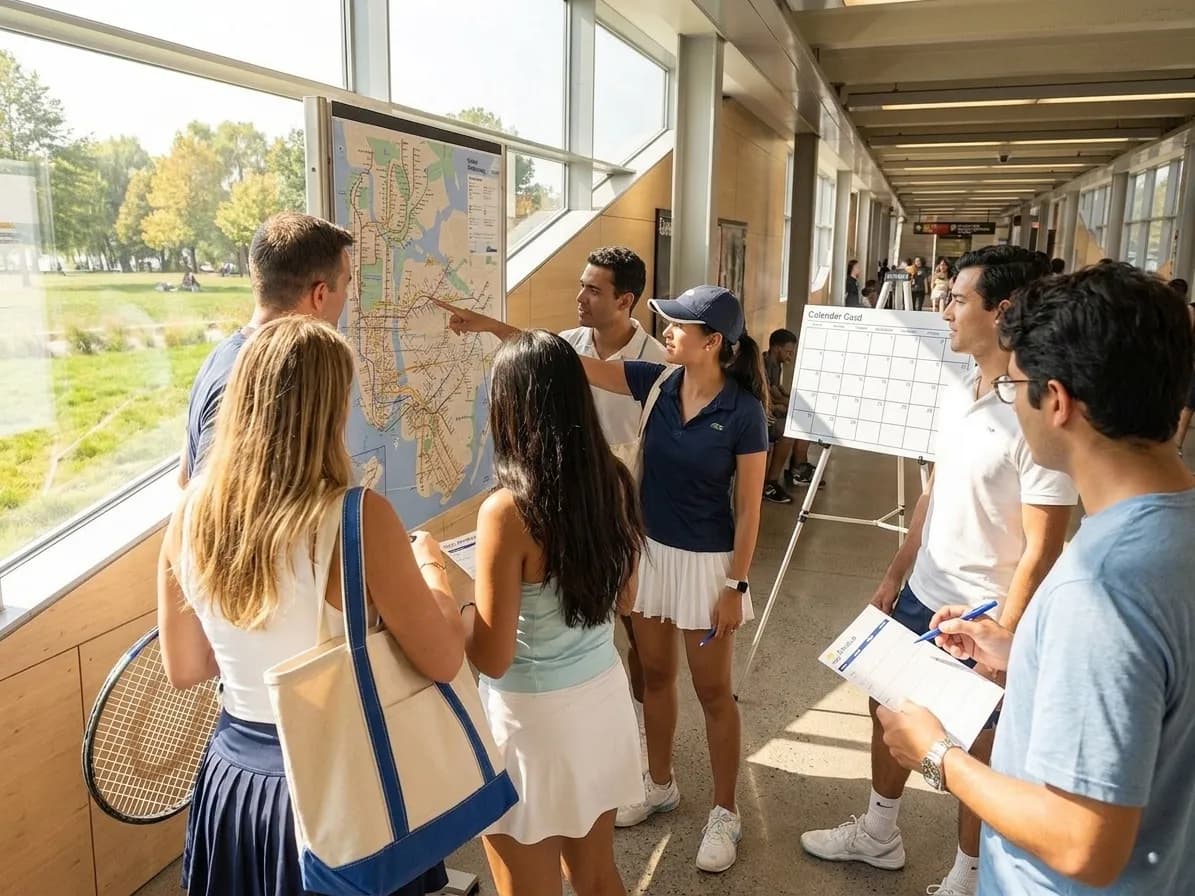
Another approach is to build in buffer time at a location with amenities. Downtown Flushing, accessible via the 7 train's Main Street terminus, offers numerous restaurants, bakeries, and cafes where early arrivals can wait comfortably. Establish a specific business or street corner as the meetup point, and set a departure time for the final leg to the tournament grounds. This reduces the pressure of split-second coordination and gives latecomers a known destination.
What to Communicate Before You Lose Signal
Before leaving home or entering crowded transit corridors, confirm that every group member has the full plan in writing—not just in a group chat that may fail to load. Write down the meetup address, nearest cross streets, visible landmarks, and backup plan in a place that does not depend on loading a group chat. Share the US Open session start time and gate entry details, which are available on the official event schedule at usopen.org. The tournament's visitor A-Z guide also provides maps and entry gate information that can be saved offline.
Discuss what to do if someone misses the group entirely. Will they proceed to the tournament independently and meet at a specific courtside section? Will they wait at the last confirmed location for a set period? Clarifying these scenarios in advance removes the need for real-time problem-solving when phones aren't cooperating.
Practical Notes for US Open Group Meetups
- Confirm your US Open session time and gate entry details from the official event schedule before planning transit meetups.
- Choose meetup locations with clear landmarks visible from a distance—subway station entrances, park monuments, or distinctive storefronts.
- Set specific time windows (e.g., 12:00–12:10 PM) rather than open-ended arrival times, and agree on when the group will proceed without latecomers.
- Save offline maps of Flushing Meadows Corona Park and the surrounding subway stations in case data service is unavailable.
- Review the MTA's US Open transit guide for service changes or recommended routes that may differ from typical weekday patterns.
- Designate one group member as the "anchor" who will remain at the primary meetup spot for the full agreed window.
- Check the US Open prohibited-items guide before packing, as certain bags and items are not permitted and could delay entry.
- Plan to arrive earlier than your session start time to account for security screening and potential coordination delays.
Adjusting Plans for Different Session Times
Day sessions and evening sessions create different transit patterns. Day sessions typically begin late morning, meaning meetups during weekday rush hours may face additional subway crowding unrelated to the tournament. Evening sessions, which often start in late afternoon, coincide with the end of the workday and can see especially heavy congestion on the 7 train. Weekend sessions draw the largest crowds and the longest security lines. Adjust your meetup buffer time based on the session you're attending, and consult the official transportation directions on usopen.org for any tournament-specific transit recommendations.
For groups attending multiple sessions across several days, consider rotating the meetup location to distribute the coordination effort and explore different parts of Queens. One day might start in Jackson Heights, another in downtown Flushing, and a third directly at the Unisphere. This approach also provides backup familiarity—if one location becomes unexpectedly crowded or inaccessible, the group already knows alternative gathering points from previous days.
After the Match: Exit Coordination
Leaving the tournament grounds presents the same coordination challenges as arriving. Establish a post-match meetup spot outside the gates—again, a specific landmark rather than a vague "near the exit"—and a time window. The Mets–Willets Point station will be crowded, so consider walking to a less congested spot in the park before attempting to regroup. The NYC Parks website for Flushing Meadows Corona Park includes maps of paths and facilities that can help identify quieter gathering areas. If the group plans to continue to a restaurant or bar in Flushing or elsewhere in Queens, confirm that destination and route before entering the tournament, when everyone still has reliable service.
Cellular networks may remain strained for 30 to 60 minutes after major matches conclude, as thousands of attendees simultaneously leave the grounds and attempt to contact rides, post photos, or navigate onward. Patience and pre-established plans are more effective than repeatedly refreshing a group chat.
Tags: #USOpen2026 #Queens #FlushingMeadows #KarpoFinds #Karpo #tmobileoutage #NewYorkLocal #TennisTravel
Sources consulted: usopen.org — Official event schedule · usopen.org — Official visitor A-Z guide · usopen.org — Official transportation directions · usopen.org — Official prohibited-items guide · MTA — Official US Open transit guide · NYC Parks — Flushing Meadows Corona Park
All trademarks are the property of their respective owners.
Ask Karpo first
Want a meetup plan that works even when service gets spotty near the stadium? Ask Karpo for a live Queens route, backup meeting points, and practical subway timing before your US Open day begins.