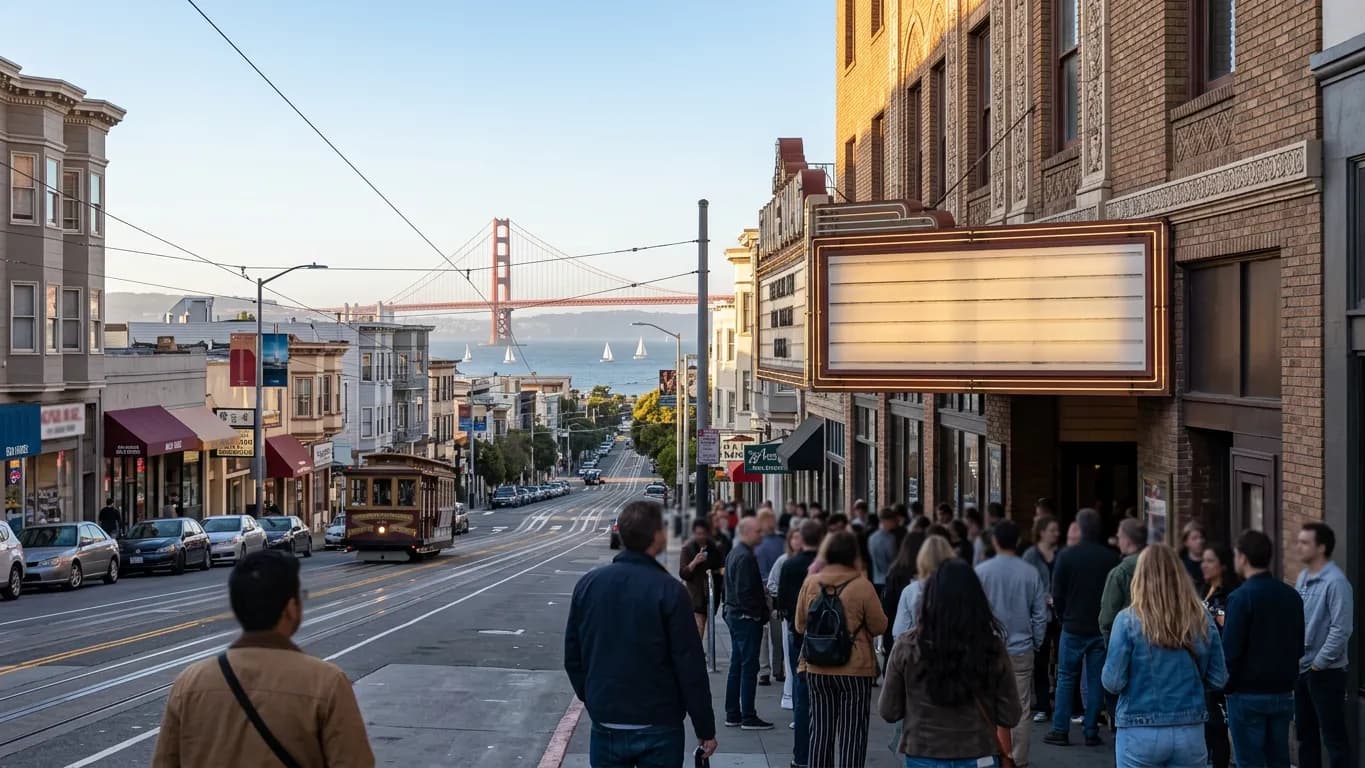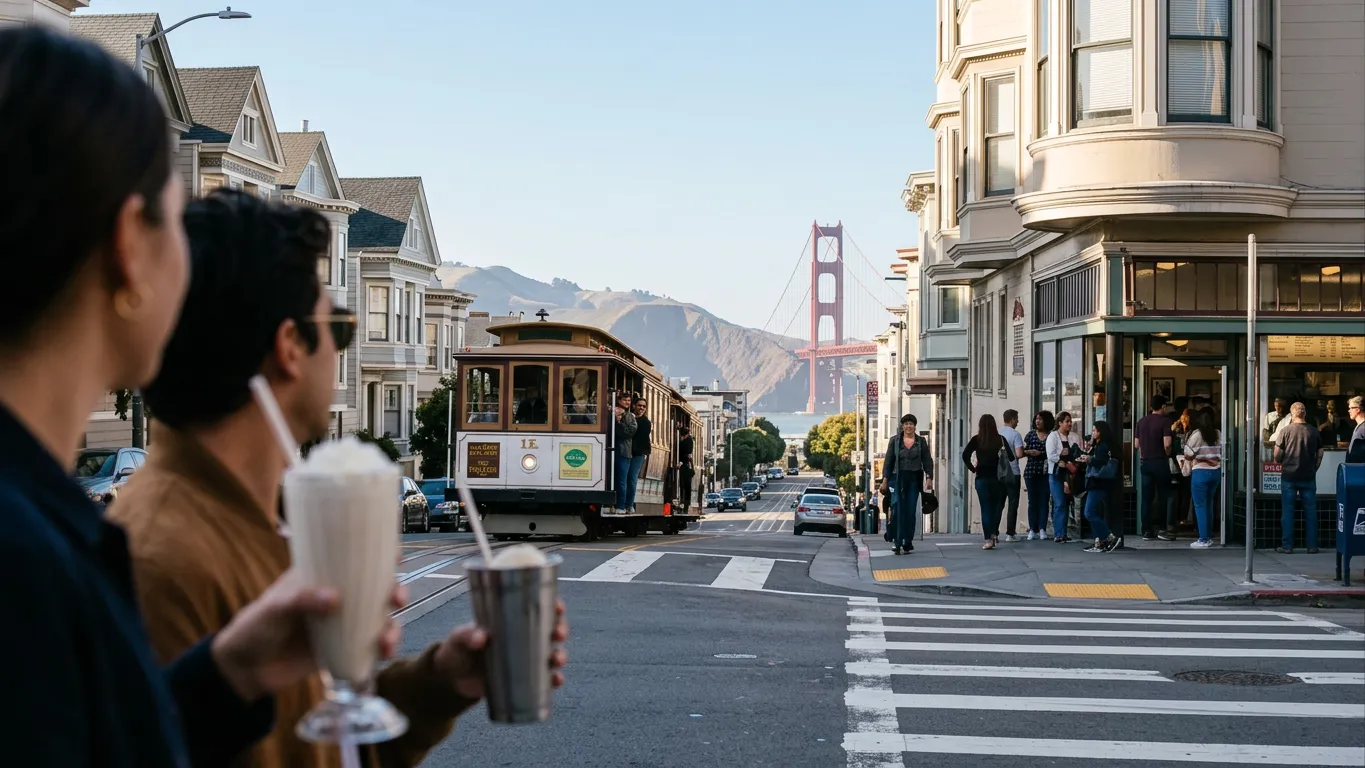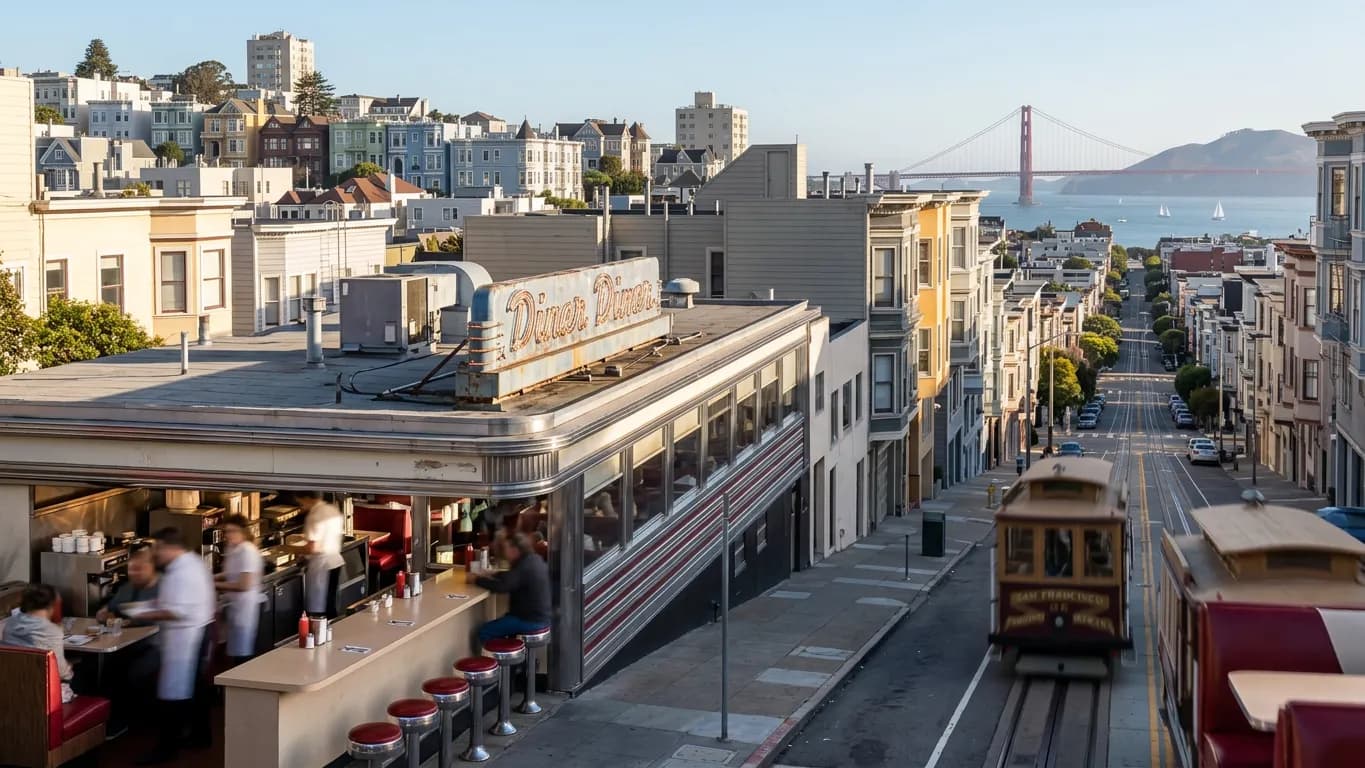
Typing sushi near me in San Francisco is like typing coffee near me in Rome — technically useful, mostly overwhelming. This city holds everything from $18 rolls in Lower Nob Hill to a $330 tasting counter, and the map pin doesn't tell you which experience you're about to walk into.
So here's the sort the search bar won't do for you: the city's best sushi organized by what you actually want to spend, with neighborhood picks at every tier. Prices reflect this year's menus and will drift, so treat them as a compass rather than a contract.
Under $25: Weeknight Rolls and Happy Hours
Elephant Sushi in Russian Hill keeps rolls under $20 and has a thing for truffle oil, which purists will grumble about right up until they order a second one. A few blocks downhill, Kuma Sushi + Sake in Lower Nob Hill runs rolls around $18 and serves locally made tofu with garlic oil that has no business being a highlight at a sushi bar, and yet.
For the happy-hour crowd: Bubu in Lower Pacific Heights builds its menu around bubus — crispy rice squares with toppings — at $8 or less during happy hour, and Ace Wasabi in the Marina cuts its nigiri to half price at happy hour, which is the cheapest respectable fish in that zip code.
The $30–$100 Sweet Spot
This is where SF quietly embarrasses other cities. Wabi-Sabi SF in SoMa serves an eleven-piece nigiri moriawase for $49 — the whole plate lands at once, an omakase experience at a double-digit price. Zentarou in the Sunset does a $32 lunch set and a six-course omakase at the bar for under $100, alongside casual rolls for the table.
Sasa in Japantown covers the full spread — balanced rolls, proper omakase, and a chef's-choice mystery box for people who like being surprised on purpose. And Chīsai Sushi Club in Bernal Heights runs a neighborhood-scaled omakase in the $70–$120 range that takes the format seriously without the downtown ceremony.
Walk-In Counters Worth Leaving the House For
Some nights you don't want a reservation war, you want a stool. Saru Sushi Bar in Noe Valley is walk-in only and keeps things simple: clean nigiri, good toro, no theatrics. Ebisu in the Sunset has been feeding its neighborhood grilled salmon and 49er rolls on a walk-in basis for decades.
Domo Sushi in Hayes Valley is a shoebox with rotating specials and a Daddy Roll that regulars order on autopilot. Kibatsu in the Lower Haight is the rare good sushi bar where both reservations and walk-in seats are actually gettable, with golden eye snapper and bluefin on the nigiri list. And Shoshin Sushi in the Richmond does takeout properly — the baked salmon roll travels better than most relationships.
One more for the fence-sitters: Okoze Sushi in Russian Hill pairs a robata grill with a nine- or twelve-piece nigiri omakase, so the person in your group who "doesn't really do raw fish" gets skewers while you get the good stuff. Everybody wins, nobody compromises, which is rarer than bluefin.
$120 and Up: The Special-Occasion Rooms
When the dinner is the event, SF's omakase bench runs deep. Robin in Hayes Valley flexes from $119 to $219 depending on how far you let the kitchen go. Sushi Hakko in Cow Hollow ($130–$165) and Wako in the Richmond ($165) are the neighborhood-scaled versions of the form; Kusakabe in the Financial District ($158–$210) is the polished downtown one.
Japantown's Oma San Francisco Station runs $95–$165 and is the gentlest on-ramp into the format, while Sato Omakase in Lower Nob Hill ($195) and Akikos in SoMa ($150–$250) fill out the middle of the splurge range — the latter with the kind of rice work people write long posts about.
At the summit: Ju-Ni in NoPa at $228, Ken in the Lower Haight at $225, The Shota downtown at $300, and Friends Only on Nob Hill at $330. Expect the tab to climb further once sake pairings get involved. Nobody needs these dinners. That was never the point of them.
What the Money Actually Buys
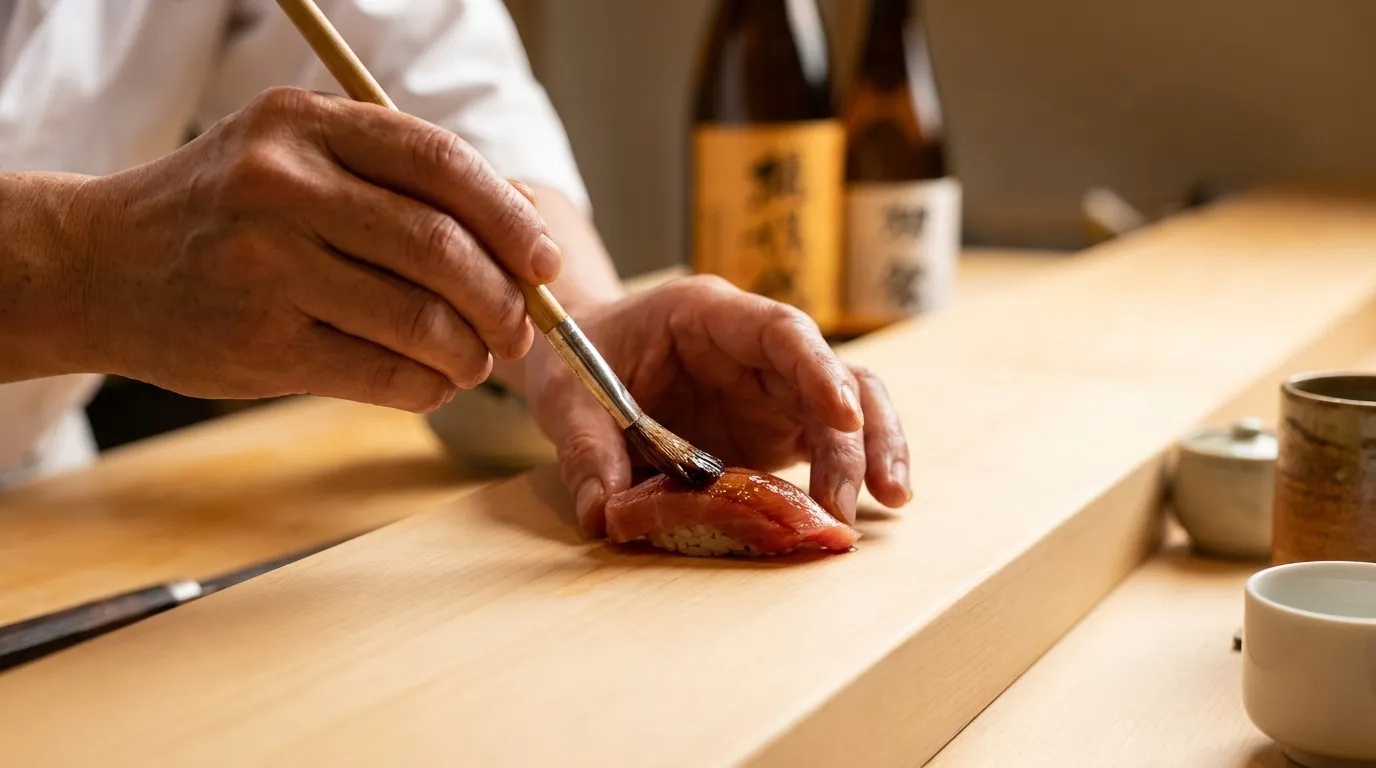
The jump from a $20 roll to a $200 counter isn't markup for candles. At the top tier you're paying for rarer fish flown in more often, aging and curing programs that transform texture, rice seasoned and re-tempered through the night, and a chef pacing twelve to twenty courses in front of you. Whether that's worth ten weeknight dinners is a personal math problem — but it's real craft, not decor.
The mid-tier is where value peaks: most of the technique, a fraction of the ceremony. Which is exactly why the $49 moriawase and the sub-$100 counter omakase are the two best sushi decisions in San Francisco right now.
How to Pick Without Scrolling for an Hour
- Decide budget first, neighborhood second. Every tier above has at least three options across the city.
- Walk-in-only spots reward showing up at opening; the line at 7:30pm is the price of sleeping in.
- Happy hours are the budget cheat code — half-off nigiri is the same fish an hour early.
- For omakase, book the counter, not a table. The seat in front of the chef is the product.
- Menus and prices move. Confirm the current set price before you build an evening around it.
Frequently Asked Questions
How much does good sushi cost in San Francisco?
Genuinely good rolls start under $20, a serious nigiri plate runs $30–$50, neighborhood omakase lands between $70 and $135, and the destination counters run roughly $150 to $330 per person before drinks. Paying more buys rarer fish and more courses — not necessarily more joy.
Do SF sushi bars require reservations?
The high-end omakase rooms, almost always. The neighborhood tier splits: several of the city's best casual bars are deliberately walk-in only, while others hold a few counter seats for bookings. If a specific night matters, check the restaurant's own site — policies change more often than menus.
What's the difference between omakase and ordering à la carte?
Omakase means the chef decides — a fixed sequence of courses built around what's best that day, usually served piece by piece at the counter. À la carte means you drive. If it's your first nice sushi dinner, omakase removes every decision except the sake. Ask Karpo before you go, and it'll match the counter to your budget and your neighborhood.