The Sound of Folding Chairs on Concrete
Sunday afternoons in Howard Beach still move to a rhythm set decades ago, when the neighborhood's Italian families first carved out their corner of southern Queens. Along Cross Bay Boulevard and the narrow streets that run toward Jamaica Bay, the storefronts haven't changed much—same awnings, same hand-painted signs, same clusters of elderly men arranging metal folding chairs on the sidewalk outside social clubs with names like Stella d'Italia and Circolo da Vinci. The air smells like espresso and cigarette smoke mixed with salt water from the canal, and the conversations happen mostly in dialect, a Sicilian-inflected Italian that younger generations overhear but rarely speak themselves. Anyone walking these blocks on a Sunday gets a glimpse of a New York that's supposed to have disappeared, except it hasn't, not entirely, not here.
The Bakery Counter That Never Modernized
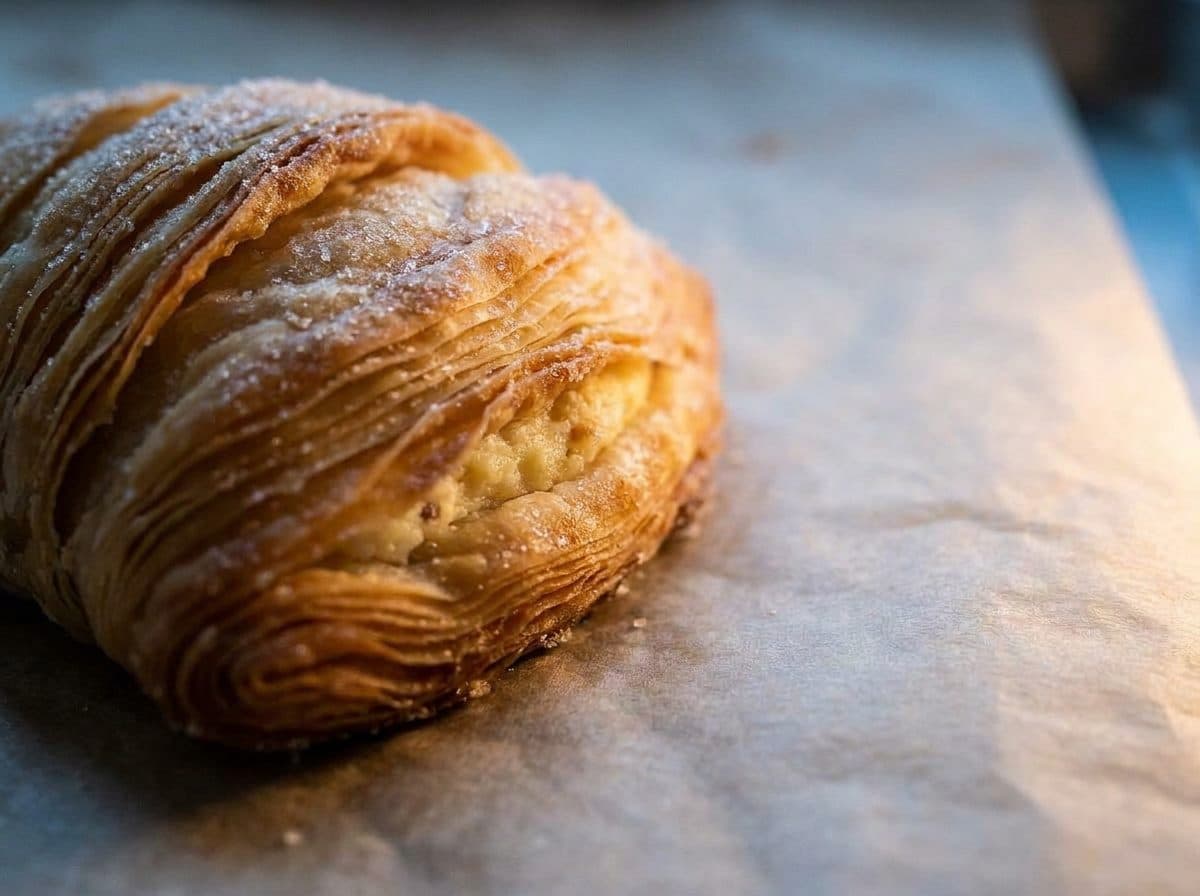
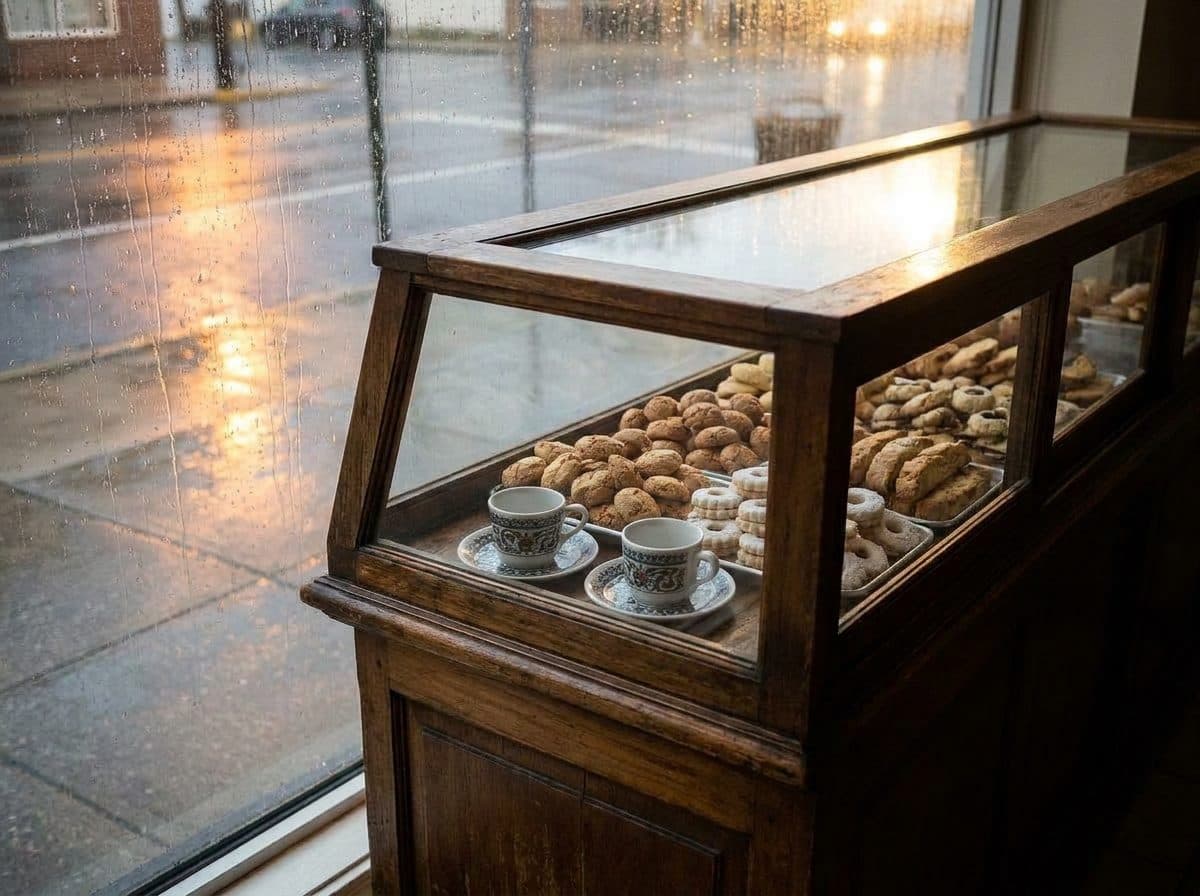
Inside Gina's Pastry Shop, the display case runs the length of the narrow room, glass fogged at the edges, filled with sfogliatelle that shatter into a thousand buttery layers when the woman behind the counter wraps them in wax paper. The register is the old mechanical kind that dings when the drawer opens. No one rushes. The regulars—mostly older women in their seventies and eighties—wait their turn without checking phones, trading updates about grandchildren and upcoming feast days while the baker's daughter boxes cannoli with the same unhurried precision her mother used thirty years ago. The sfogliatelle come out of the oven around ten in the morning, and by noon on Sundays they're nearly gone, the ricotta filling still warm enough to steam slightly when bitten into. The linoleum floor is original, scuffed pale in the path from door to counter, and the fluorescent lights hum at a frequency that becomes white noise after a few minutes inside.
Where the Canal Meets the Chairs
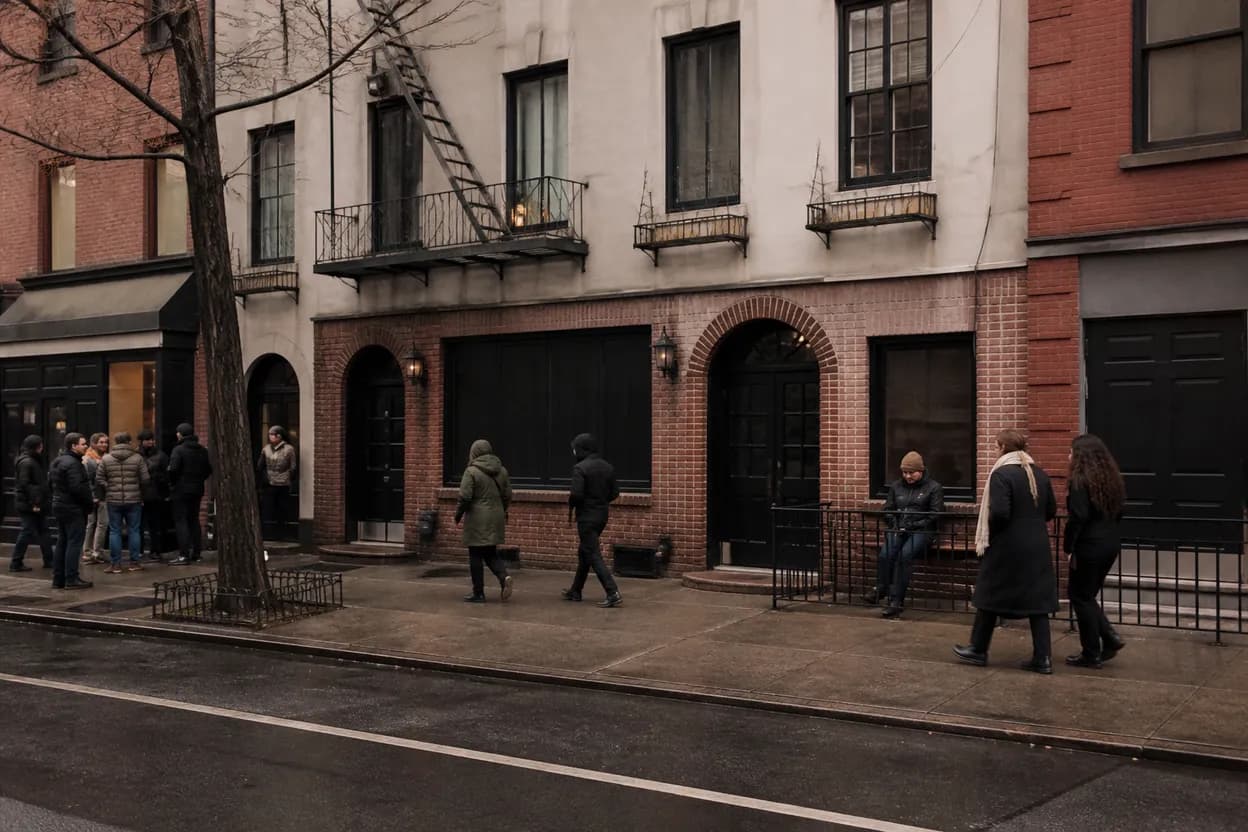
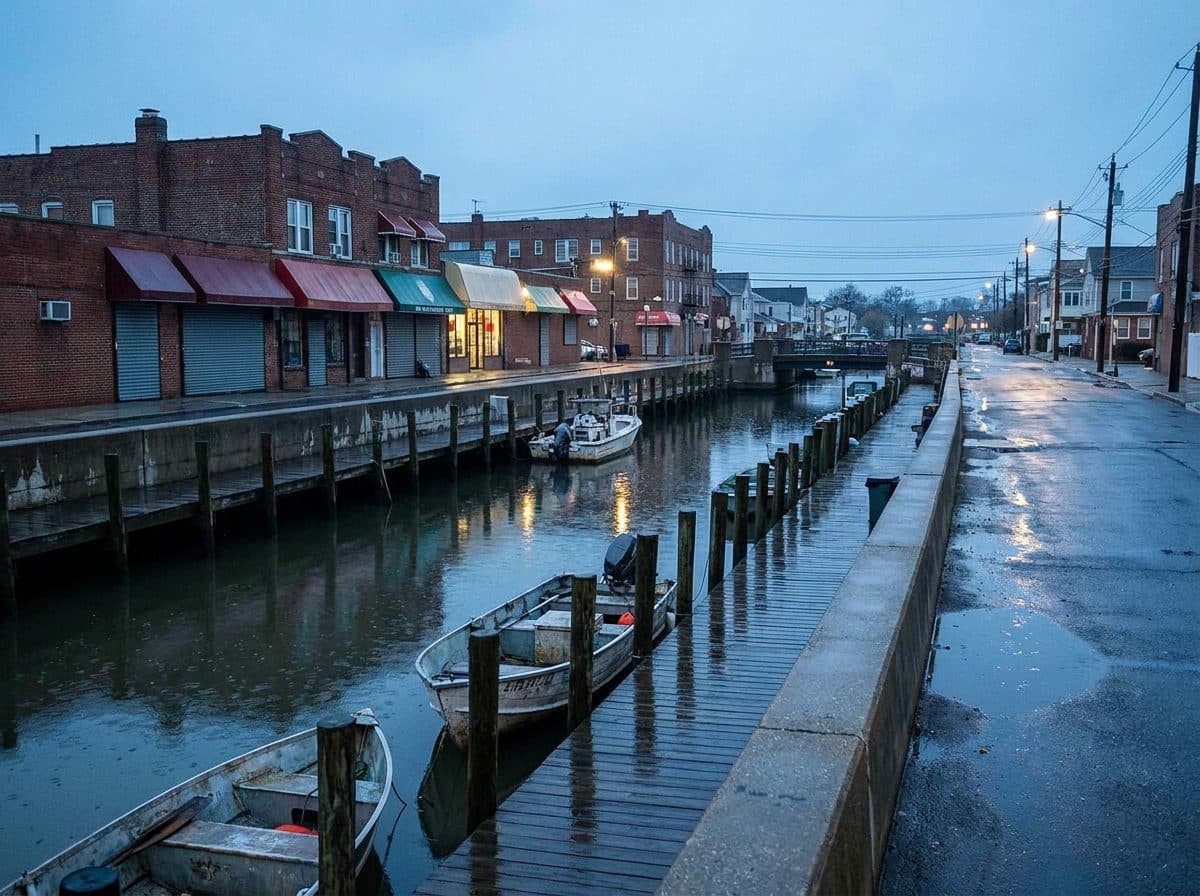
The social clubs line up along the blocks closest to Hawtree Basin, the tidal canal that connects to Jamaica Bay and carries the smell of low tide through the neighborhood when the wind shifts. Outside Circolo Bersaglieri, four men in their eighties have claimed the same stretch of sidewalk they've occupied for years, chairs positioned to catch the afternoon sun in winter and the shade of the awning in summer. They play scopa with cards so worn the suits are barely visible, slapping them down on a TV tray between chairs while a transistor radio plays Italian news at low volume. Passersby—mostly younger Italian-American families heading to Sunday dinner at a relative's house—nod as they pass, and the men nod back without breaking the rhythm of the game. The clubs themselves are members-only, technically, but the doors often stand propped open, revealing dark interiors with bocce trophies in glass cases and framed photos of long-ago feast day processions.
The Lunch Rush That Isn't Really a Rush
Lenny's Clam Bar operates on canal time, which means things happen when they happen and no one complains about waiting. The kitchen is visible through a pass-through window, and the cook—a man in his sixties with forearms like dock rope—shucks littlenecks with a short knife, piling the shells in a plastic bus tub that gets emptied every twenty minutes. The menu hasn't changed since the place opened in the early nineties: fried calamari, linguine with red clam sauce, shrimp scampi over spaghetti. The tables are covered in red-and-white checked vinyl, and the walls are decorated with faded photos of fishing boats and handwritten signs reminding customers that the kitchen closes when they run out of clams, which happens most Sundays by three or four in the afternoon. The crowd skews older—retirees, mostly, who remember when Howard Beach had more fishermen and fewer commuters—but younger families show up too, drawn by grandparents who insist on the Sunday tradition.
The Walk Along Hawtree Creek
The path that runs beside the canal isn't official or maintained by the city, just a stretch of cracked asphalt and packed dirt that locals have used for decades to walk off heavy lunches. Egrets stalk the shallows at low tide, stepping carefully through the muck, and the occasional heron perches on the pilings that mark old boat slips. The houses backing onto the water are modest—brick ranches and aluminum-sided Cape Cods with chain-link fences and above-ground pools covered for the season. In warm weather, the smell of charcoal and sausages drifts from backyards, and the sound of soccer matches on Italian-language television carries through open windows. The walk is maybe half a mile before the path dead-ends at a marina, but most people turn back sooner, looping back toward Cross Bay Boulevard and the bakeries that might still have a few pastries left.
When the Feast Day Banners Go Up
Three times a year—for San Gennaro in September, Santa Rosalia in early autumn, and another saint whose feast day shifts depending on who's organizing—the neighborhood strings lights across the street and sets up a small stage near the triangle park at 159th Avenue. The social clubs take turns sponsoring, which means the older men who usually sit outside playing cards suddenly have organizational duties: arranging for the band, coordinating with the church, making sure there's enough zeppole and sausage-and-peppers for the crowd. The banners that get hung from the lampposts are the same ones used for decades, canvas painted with saints' images and Italian phrases, stored in the clubs' basements between festivals. During the feast days, the neighborhood's population seems to double—relatives drive in from Long Island and New Jersey, former residents return with their kids, and the sidewalks fill with people moving slowly, stopping to talk, buying raffle tickets for a meat basket or a bottle of Amarone.
Practical Notes
The bakeries along Cross Bay Boulevard open early on Sunday mornings, typically by seven or eight, and the sfogliatelle sell out by early afternoon. Most close by four or five in the evening. The social clubs are private membership organizations, but their presence is visible from the sidewalk, especially on weekend afternoons when members gather outside. Lenny's Clam Bar and similar neighborhood spots generally operate lunch through early dinner, closing when the day's seafood runs out. The A train stops at Howard Beach-JFK Airport station, about a fifteen-minute walk from the main stretch of Cross Bay Boulevard. Street parking is easier to find than in most of Queens, though Sunday afternoons can fill up near the bakeries and restaurants. The neighborhood is residential and quiet—this isn't a destination for nightlife or crowds, but for those interested in older New York Italian-American culture still lived rather than performed, Sunday afternoon offers the clearest window.
Tags: #HowardBeach #QueensNeighborhoods #ItalianAmerican #SocialClubs #OldNewYork #SundayTradition #CrossBayBoulevard #JamaicaBay #ItalianBakery #Sfogliatelle #NeighborhoodCulture #HiddenQueens #AuthenticNYC #ItalianHeritage #LocalTraditions
Sources consulted: timeout.com · secretnyc.co · thrillist.com
All trademarks are the property of their respective owners.
Ask Karpo first
Want to know which bakery still uses the original family recipes from the 1960s?
Ask Karpo for the Sunday mass schedule and which social club welcomes visitors to watch bocce before you head out.