 Places To Eat Near Me in Williamsburg: Smorgasburg's Open-Air Vendors
Weekend Plans
Summit One Vanderbilt: a 2026 guide to NYC’s sky-high playground
A practical, comparison-based guide to making Summit One Vanderbilt the highlight of your Midtown NYC weekend.
Summit One Vanderbilt is one of Midtown Manhattan’s newest sky-high experiences, combining an observatory, immersive art installations, and glass-floor thrills above Grand Central Terminal—making it a strong contender for your next NYC weekend plan. From mirrored rooms that turn the skyline into a kaleidoscope to outdoor terraces and a bar with a view, the experience is designed to be both a photo magnet and a genuine “wow” moment, especially for first-time visitors or locals celebrating a special occasion. Since tickets, hours, and access rules can change, the smartest move in 2026 is to treat older 2025 reviews or posts as historical context, then build your actual visit around current, official information so you can avoid surprises and make the most of your time (and money) in Midtown.
Thinking about booking Summit One Vanderbilt this weekend? Save this guide, then pull it up when you’re ready to choose a time slot—use the scorecard to compare experiences, double-check official details, and share the plan with friends before you buy tickets.
Summit One Vanderbilt in 2026: what it is now
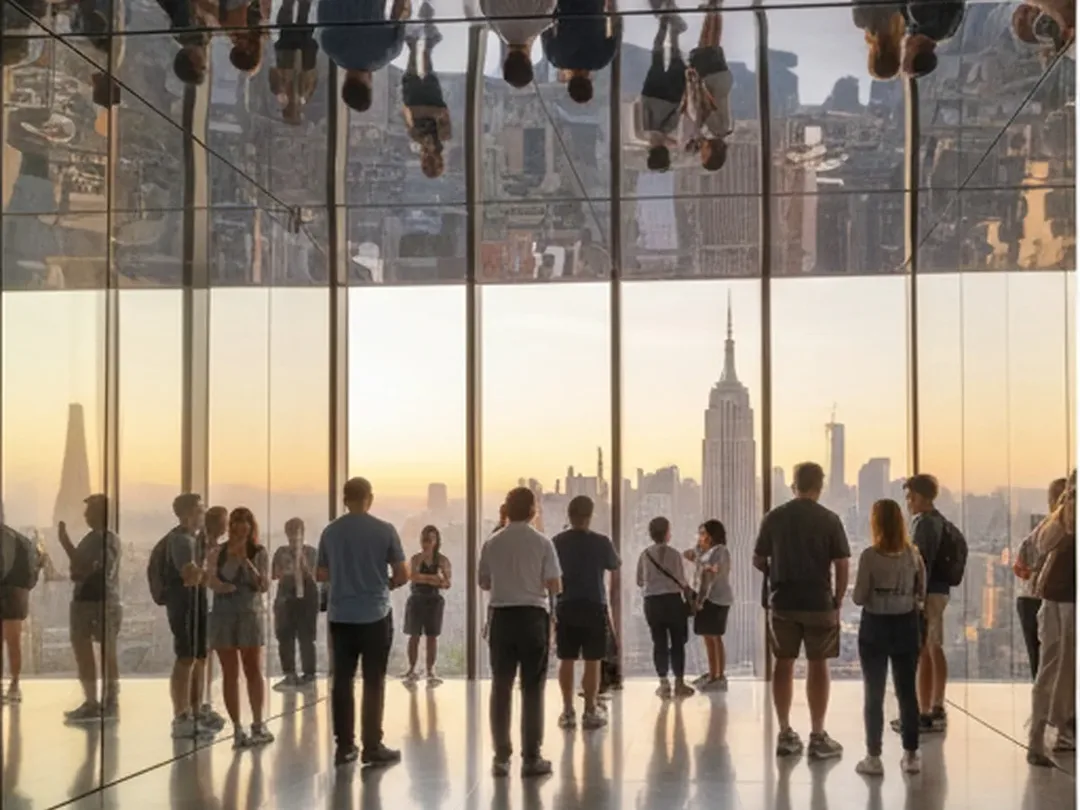
Summit One Vanderbilt is a multi-level observatory and immersive art space located near the top of One Vanderbilt, the supertall skyscraper directly next to Grand Central Terminal in Midtown Manhattan. Its core draw is the panoramic view over New York City, stretching from the Chrysler Building and Empire State Building to the boroughs beyond, layered with mirrored rooms, soundscapes, and installations that turn the skyline itself into part of the art experience. While many early write-ups from 2021–2025 describe Summit’s opening era, those are now historical snapshots—helpful for vibe, but not for practical details like current hours, security, or ticket options, which you should always verify on the official Summit One Vanderbilt website before you go.
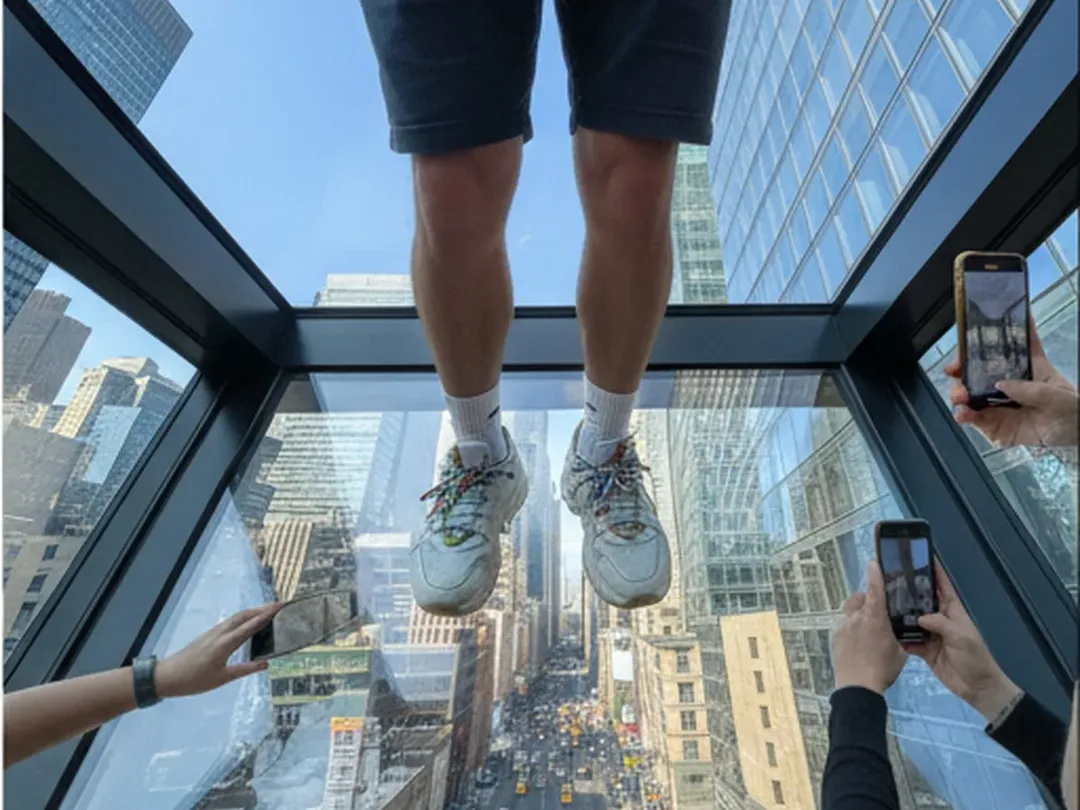
The experience is typically divided across several named zones: mirrored observatory spaces (often referred to generally as immersive rooms), outdoor terrace areas, and glass “skyboxes” that let you look straight down to the streets far below. In past seasons, Summit has also offered add-ons such as signature cocktails or optional experiences, and special programming around holidays or peak tourism periods. Because offerings and policies can shift year to year—especially around timed entries, age rules, and photography guidelines—use official channels for 2026-specific information rather than relying on social media posts from prior summers.
If you’re choosing between Summit and other observatories like Top of the Rock, Edge at Hudson Yards, or the Empire State Building, the main differentiator is how heavily Summit leans into immersive, reflective spaces and multi-sensory design. Where other decks emphasize open-air views, Summit’s interiors are part funhouse, part gallery, creating a more stylized, Instagram-forward experience. That makes it especially appealing if you want more than “just” a classic skyline shot and you’re ok with a bit of sensory overload during busy hours.
How Summit compares to other NYC observatories
To help you decide whether Summit One Vanderbilt deserves the top spot on your weekend list, it’s useful to compare it with other major NYC observatories on three practical criteria: views, atmosphere, and logistics. Summit’s view is distinctly Midtown-centric—you’re close to the Chrysler Building and looking across at the Empire State Building, with strong sightlines over the grid of streets and Grand Central Terminal below. By contrast, Edge at Hudson Yards tilts more toward Hudson River and West Side views, while Top of the Rock balances Central Park and Midtown, and the Empire State Building offers a more historic-feeling deck with all-around vistas.
Atmosphere-wise, Summit leans contemporary and immersive: mirrored walls, reflective floors, changing light, and rooms designed to feel more like installations than traditional decks. If you crave a calmer, more classic observatory feel, Empire State or Top of the Rock may be better fits, especially for visitors who are sensitive to reflections and crowds. On the other hand, if you want the kind of space where taking photos and moving through different “moments” is half the fun, Summit ranks high for creative, social-friendly content.
Logistically, One Vanderbilt’s location is a major advantage. Because the building is integrated with Grand Central Terminal, it’s particularly convenient if you’re arriving by Metro-North, the 4/5/6, 7, or S subway lines, or connecting from other lines via Grand Central. Other observatories can require additional transfers (for Hudson Yards, for example), so Summit often wins on simplicity of transit. However, timed ticketing and security screenings mean you’ll still need to build in a buffer and check current entry instructions—just like you would for any major observatory in the city.
Scorecard: is Summit One Vanderbilt right for you?
Here’s a practical, comparison-style scorecard to help you decide if Summit is the best match for your specific weekend plan. These scores are directional rather than absolute, and your experience will depend on the exact time and crowd level—but they can clarify the trade-offs versus other NYC observatories.
Views of classic Midtown icons: 9/10 – Excellent Chrysler and Empire State sightlines.
Immersive art and “wow factor” installations: 10/10 – Mirrors, skyboxes, and multi-level design.
Ease of subway and commuter rail access: 9/10 – Directly connected to Grand Central Terminal via multiple lines.
Crowd intensity at popular times: 7/10 – Can feel busy and reflective surfaces amplify the sense of motion.
Family friendliness (with careful supervision): 8/10 – Thrilling but may be overwhelming for some younger kids.
Date-night or special-occasion potential: 9/10 – Dramatic views, bar options, and sunset timeslots are strong.
If your top priority is a high-impact, visually striking experience, Summit likely lands near the top of your list. If you’re more focused on open-air decks or calmer historical ambiance, Empire State or Top of the Rock might edge it out. Think of Summit as a “statement” visit: impressive, modern, and unforgettable, especially when you time it right.
Because details like bar menus, special events, and ticket tiers can shift between seasons, treat this scorecard as a vibe check rather than a precise ranking. Once you’ve decided Summit fits your style, use it to guide practical choices—aim for a time slot aligned with your preferences (golden hour for romance, late morning for clearer views, evening for city lights), and consider pairing it with a nearby meal or walk through Bryant Park to round out the day.
Booking Summit One Vanderbilt: tickets, timing, and verification
Summit One Vanderbilt uses timed ticketing, which means you select a specific entry window when you purchase your tickets and need to arrive on time for security and elevator access. Because pricing, available time slots, and package options can change, especially between weekdays and weekends or peak seasons, always confirm current details on the official Summit One Vanderbilt website before you buy—older 2025 blogs and vlogs may list past prices or ticket categories that no longer apply in 2026.
When choosing a time slot, think about both crowd levels and the type of view you want. Late morning and early afternoon usually offer the strongest chance of clear visibility, which is ideal if your main goal is daytime photos and skyline detail. Golden hour (the period before sunset) creates especially dramatic light inside the mirrored rooms, with the city glowing in warm tones, but it’s also a popular choice and can feel more crowded. After dark, you trade some depth of view for sparkling city lights and a moodier atmosphere, which many visitors enjoy for date night or celebrations—just be aware reflections can make the space feel more intense at night.
For 2026 planning, avoid relying on ticketing screenshots or secondhand advice from 2025 TikToks, YouTube walkthroughs, or older blog posts for anything involving prices, hours, or age policies. Treat those as inspiration, then cross-check everything against the official booking page shortly before your visit. If you’re booking for a group, check whether Summit offers any group or event options, and be prepared for security measures similar to those at other major NYC observatories, including bag checks and restrictions on certain items.
Getting there: transit, arrivals, and backup plans
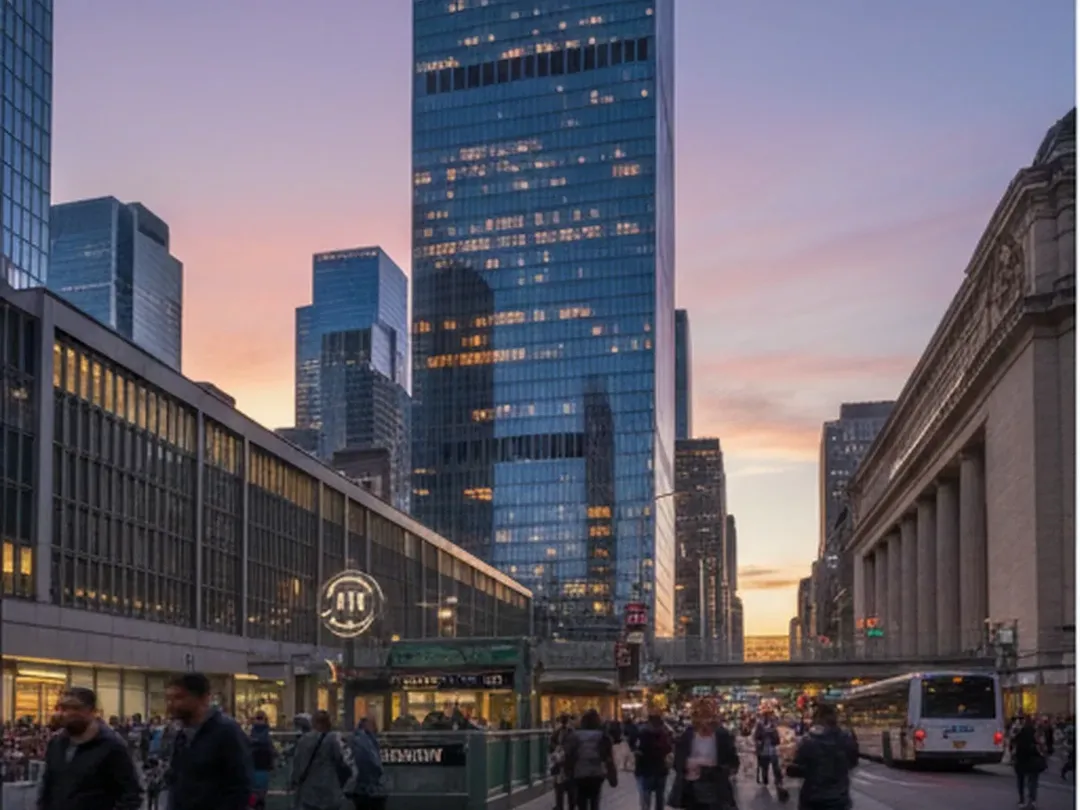
One Vanderbilt’s biggest logistical advantage is its direct connection to Grand Central Terminal, one of NYC’s major transit hubs. If you’re taking the subway, key lines that serve Grand Central include the 4, 5, and 6 (Lexington Avenue Line), the 7 (Flushing Line), and the S shuttle from Times Square, putting Summit within easy reach from many neighborhoods. Commuter rail riders arriving via Metro-North Railroad also benefit from being just steps away from the building. Always confirm current subway service patterns and any planned work on the MTA’s official channels before heading out, since weekend schedules and overnight service can shift.
Once you arrive at Grand Central, follow signs toward One Vanderbilt and the Summit entrance, allowing extra time for wayfinding, security screening, and to potentially queue for elevators up to the experience levels. If you’re meeting friends, consider linking up in a clear landmark spot inside Grand Central—such as the main concourse—before walking over together, since cell service can vary in some interior areas and it’s easier to coordinate from a known point.
As a backup plan, think about what you’ll do if weather, delays, or last-minute changes disrupt your visit. While Summit is primarily indoors, very heavy fog or severe weather can impact visibility or operations, and transit issues can sometimes make it hard to reach your timeslot on time. To hedge, build an alternative Midtown plan you’d still enjoy—like exploring Grand Central’s interior architecture, visiting the New York Public Library and Bryant Park, or grabbing a sit-down meal nearby—so you’re not stuck if you need to adjust.
What to expect inside: experiences, comfort, and accessibility
Inside Summit One Vanderbilt, expect a layered experience that moves you through different zones—mirrored rooms, glass skyboxes, open view areas, and sometimes terraces or bar spaces—rather than a single static deck. The reflections on floors and walls can be disorienting at first, especially if you’re sensitive to visual complexity, but they also create striking photo opportunities and a sense of immersion that sets Summit apart from more traditional observatories. Plan to spend enough time in each area to adjust and enjoy it, rather than rushing straight to one view and leaving.
Because of the mirrors and glass, practical comfort choices matter: closed-toe shoes with good traction are helpful, and some visitors prefer clothing that won’t create overwhelming glare or reflections in photos. If you have concerns about fear of heights, vertigo, or mobility, consider how you feel about glass floors and elevated views before you commit to all parts of the experience. Staff are typically on hand to guide visitors and help you move at your own pace, but if you know certain features may be too intense, it’s fine to enjoy the observatory sections that feel comfortable and skip anything that doesn’t.
Accessibility considerations can include elevator access, available seating, and policies around service animals or assistive devices, which are important to confirm ahead of time if they’re relevant to you or your group. The official Summit One Vanderbilt website is the best source for current accessibility information and any specific guidance they provide. If you’re planning a visit with young kids, discuss expectations ahead of time—explain that the mirrors and glass are safe but can feel unusual, and make sure they stay close to adults, particularly in busier areas.
Turning Summit into a full Midtown moment
Summit One Vanderbilt works best as the anchor for a broader Midtown plan, especially if you’re coming in from another borough or outside the city. Before or after your visit, you can walk to Bryant Park, explore Grand Central’s historic main concourse, or head a bit farther to the New York Public Library’s iconic main branch. If you prefer to keep things streamlined, look for dining options in or near Grand Central so you’re not traveling far between your meal and your time slot, and consider building in a coffee or snack stop to decompress after the sensory intensity of the observatory.
Summit can also double as a celebration backdrop—for birthdays, visiting friends, or low-key date nights. If you’re marking a special occasion, timing your visit around sunset can increase the sense of occasion, but be prepared for more crowds and plan meals or activities around that window. When inviting friends, share your plan and expectations in advance: how long you’ll spend at Summit, your comfort level with heights and busy spaces, and whether you’d like to stay together or split up for parts of the visit and regroup later.
For weekend planners who like having a backup, pair Summit with a second option that can flex based on weather or energy levels—like a movie at a nearby theater, an indoor bar or cafe, or a slower walk through Midtown’s streets. That way, if you find the observatory more intense than expected or something changes with your booking, you still have a complete day mapped out without scrambling for last-minute ideas.
Ask Karpo first
Ask Karpo first if you’re on the fence about Summit versus other observatories, unsure about the best time slot, or trying to layer the visit into a bigger Midtown day. Share your rough dates, comfort level with heights and crowds, and starting neighborhood, and Karpo can help you compare options, sanity-check transit, and build a flexible plan you’ll actually enjoy—not just one that looks good in photos. Karpo
Tags: #weekendplans #nyc #midtown #observatory #views #datenight #touristguide #localtips #NYC #KarpoFinds #AskKarpo
Sources consulted: MTA subway map and lines serving Grand Central · Metro-North Railroad service into Grand Central Terminal · Empire State Building official observatory information · Edge at Hudson Yards official overview · Top of the Rock official visit planning info · Grand Central Terminal official info and visitor overview · Summit One Vanderbilt official site and visitor information
All trademarks are the property of their respective owners.
Ask Karpo first
Text Karpo before you lock in tickets or timing, and you’ll get a quick, tailored plan for Summit One Vanderbilt that fits your exact day: best time slot for your schedule, transit shortcuts from your neighborhood, backup indoor options if the weather turns, and a shareable mini-itinerary if you’re bringing friends. Think of it as your personal Midtown strategist—always on call, always up to date.
Ask Karpo for more information.
Keep reading
- Places To Eat Near Me in Williamsburg: Smorgasburg's Open-Air Vendors
 Dinner Near Me in the West Village: Buvette's Tiny French Plates
 Best Restaurants Near Me in Midtown: Le Bernardin Holds Three Stars