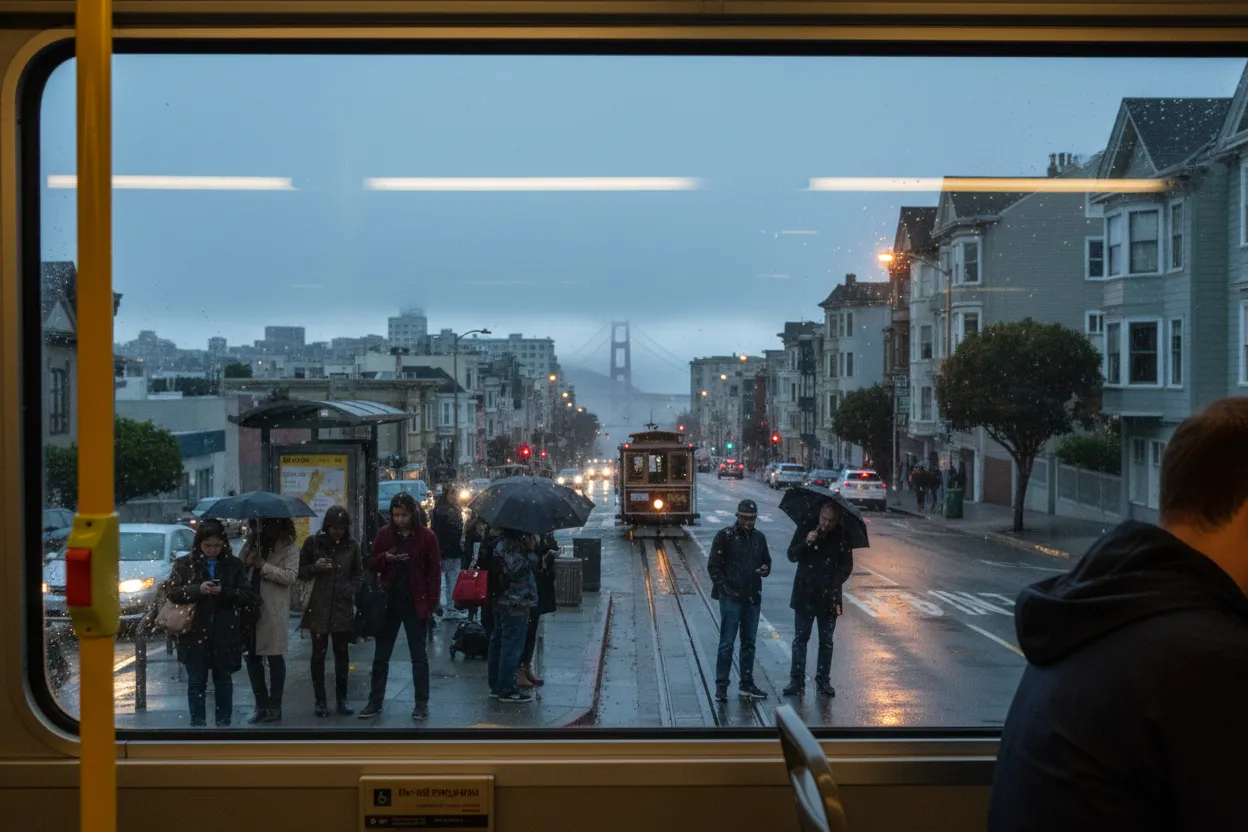
A storm does not have to cancel a free day in San Francisco; it just forces the day to get more disciplined. Start with what is publicly reachable, keep the route short, and make every stop easy to swap if rain, wind, or crowd pressure turns one idea brittle. The safest version is rarely the most ambitious one. It is the one built on transit you can verify, a public place you can enter without special access, and a backup that still feels worth the trip. SFMTA’s trip planner, route tools, and travel updates are the practical spine of that kind of day, while SF Rec and Park details should be checked again when a park stop is part of the plan.
Want a tighter storm-day plan for San Francisco? Text Karpo and ask for a same-day route that pairs transit, a free public stop, and a backup if the weather shifts.

Turn current interest into a genuinely free outing
When people search for storm guidance, they are usually looking for a way to keep moving without wasting time or money. In San Francisco, that starts with a city day that does not depend on tickets, timed entry, or a promised appearance. The cleanest option is a public destination you can reach on your own schedule, with the route verified before you leave home.
SFMTA gives you the tools to build that kind of outing. Its trip planner lets you compare Muni, Bike, Walk, Drive & Park, Taxi, and Accessibility options, and the site also points visitors to seeing San Francisco by Muni transit, bike, foot, or car. Use that planner to choose a stop that keeps the walk short and the trip adaptable, not just interesting on a map.
Start with public access rather than a promoted event
A promoted event can be tempting because it looks easy: one headline, one destination, one promise. But for a verification-first free day, public access matters more than promotion. If the stop is open to ordinary visitors, the plan is less likely to collapse when a schedule shifts or the weather turns rough. That is the point of keeping the outing free and public in the first place.
Use the city pages that actually change with conditions. SFMTA keeps a Travel & Transit Updates area, a calendar of meetings and events, and route and stop information that can matter when you are moving across the city. If the outing depends on a park or recreation detail, recheck sfrecpark.org before you go, because changing details belong on the official page, not in a guess.
Build a short route around one strong anchor
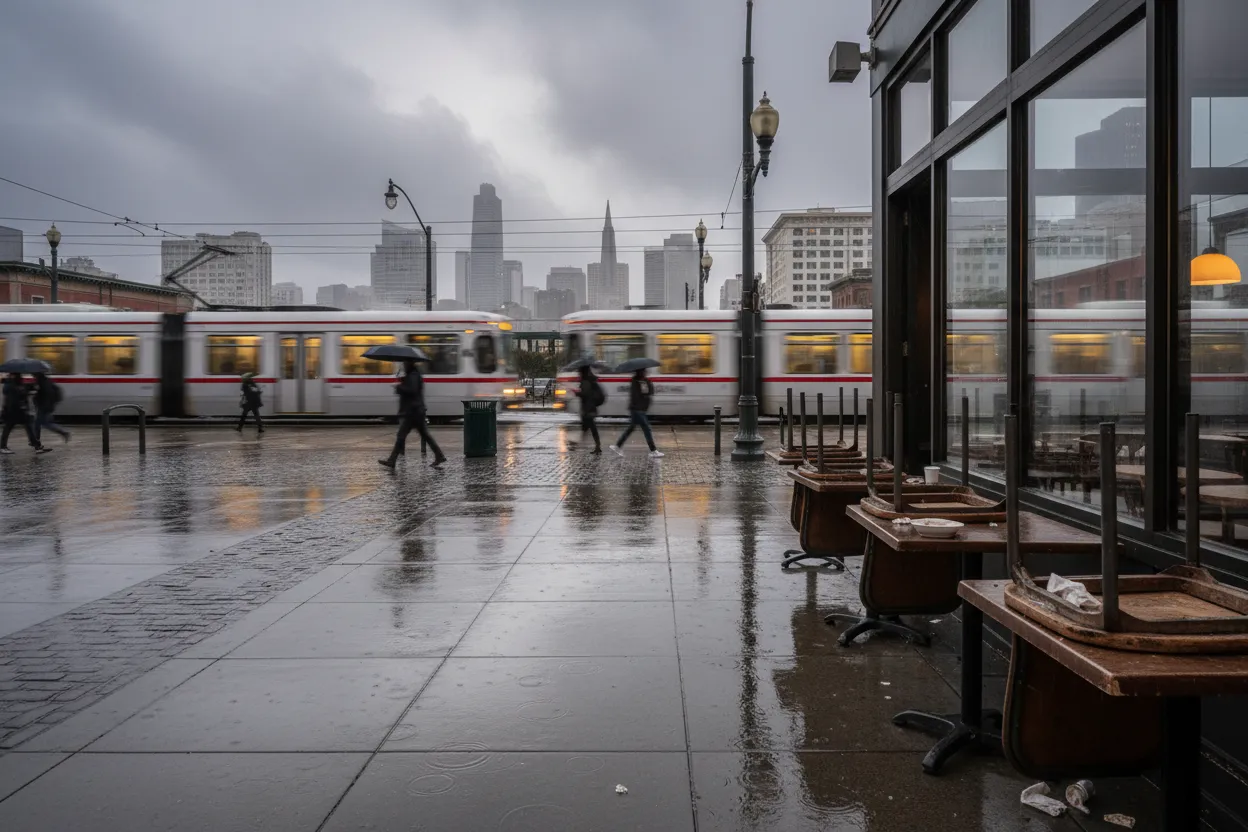
A good storm-day route has one anchor, not four. Pick a single public stop that gives the day some shape, then build only a short loop around it. That may be a transit ride followed by a walk, or a neighborhood crossing that stays close to service. The goal is not to cover the city; it is to make one part of the city usable even if the weather is messy.
Short routes are easier to salvage. If the first stop feels exposed, crowded, or awkward to reach, you can pivot before the day starts to fray. The official SFMTA tools make that easier because you can compare modes, check routes and stops, and use a visitor-friendly planning page before committing. In a storm, the best backup is often the version of the plan that trims the walking without losing the public access.
Use weather and crowd pressure as decision points
Storms change how a free outing feels long before they change whether it is possible. Wind can make open stretches uncomfortable, rain can make transfers slower, and slick surfaces can turn a relaxed walk into a stress test. Crowd pressure matters too. A place that is fine on a quiet midmorning can feel far less usable once everyone else decides it is the obvious indoor-or-covered answer.
Do not treat those signals as minor. Treat them as the moment to choose a different stop, leave earlier, or downgrade the route. SFMTA’s current alerts are the kind of thing worth checking on the day, because service conditions can matter as much as the weather itself. If the day still looks worth doing, keep it short and public. If not, cut the loop before the outing starts feeling like a rescue mission.
Know when free still requires registration
Free is not the same thing as frictionless. Some city activities are public, but still come with a page to check, a meeting listing to notice, or a changing detail that can affect access. That is especially true when the day includes any official program or a civic stop that shares space with other city uses. If a page asks you to register, treat that as part of the plan, not an annoyance to ignore.
SFMTA’s own site shows how much can shift without warning: it lists calendar items, travel updates, and route information in the same place readers use for planning. That is the right habit to copy. If you are choosing a park or recreation stop, verify the official page again rather than assuming yesterday’s status still holds today. A free outing is only useful if it still exists when you arrive.
Recheck access on the day
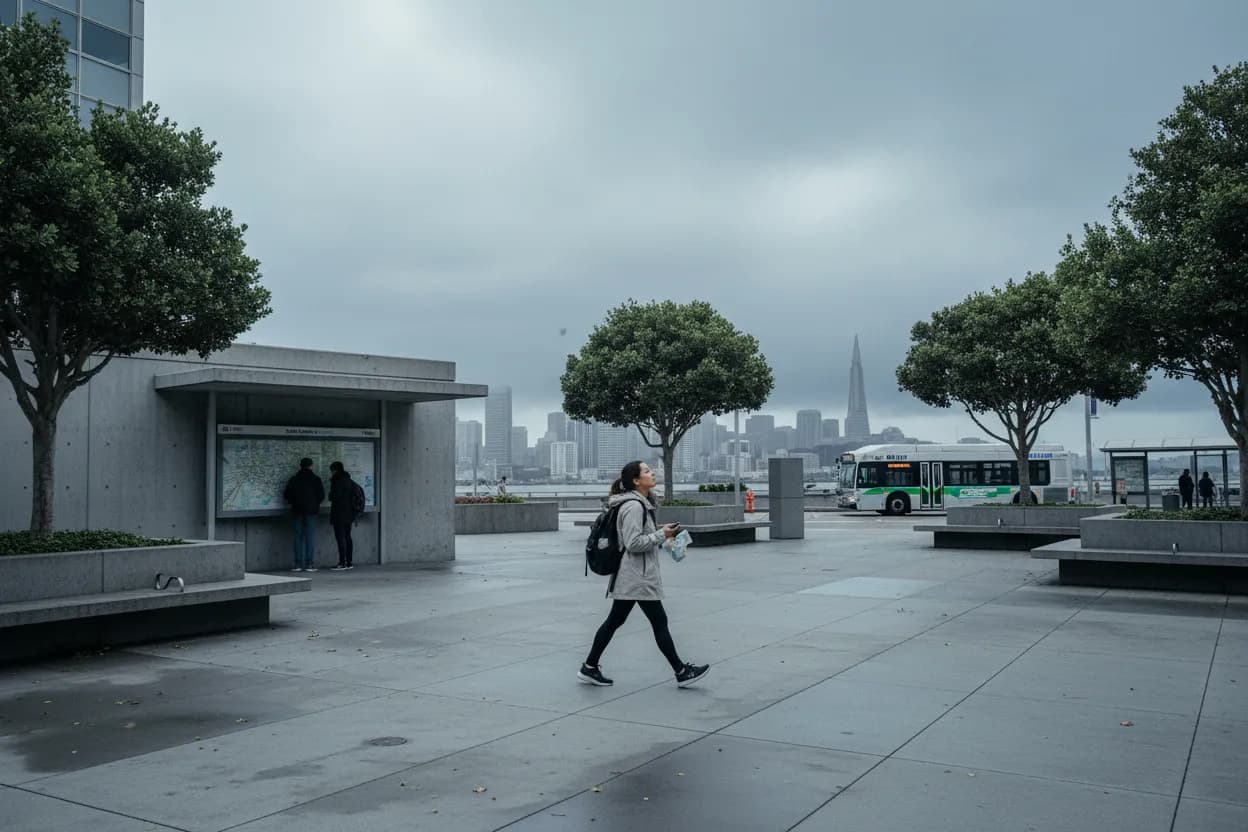
The day-of check is where a storm plan either becomes practical or becomes fiction. Open the trip planner, confirm the route you actually intend to use, and scan the latest SFMTA alerts before you walk out the door. If the outing depends on a park or recreation piece, refresh sfrecpark.org as well, because changing access details belong on the official page, not in your memory.
If one part of the route is unclear, shrink the plan instead of gambling on it. A shorter public stop is better than a longer one you cannot verify. SFMTA still lists help channels, including 311, if you need transit guidance, but the main discipline is simpler than that: recheck, reduce, and keep the day public enough to recover from a bad guess.
Tags: #AskKarpo #BeforeYouGo #SanFrancisco #FreeThingsToDo #Muni #PublicTransit #CityWalks #StormDay #SFRecAndPark #TripPlanner #BayArea #WeekendInSF #LocalLife #PublicAccess
Sources consulted: sftravel.com · sfmta.com · sfrecpark.org
All trademarks are the property of their respective owners.
Ask Karpo first
Ask Karpo first if you want a storm-aware San Francisco plan that stays free, public, and realistic. I can turn one verified transit stop into a tighter route, add a backup if the weather shifts, and flag the details you should check before you leave.