Miami is good at turning a stray headline into a reason to meet up, but a trending name is not the same thing as a local listing. Treat stewart rhodes as the hook for conversation, not evidence that anyone connected to the phrase is appearing in Miami, tied to a team, or hosting anything here. The official Greater Miami & Miami Beach visitor site presents the destination through beaches, culinary experiences, arts and culture, neighborhoods, outdoor activities, and sports. Miami-Dade Transportation and Public Works also publishes rider alerts, service updates, real-time tracking, a trip planner, and elevator and escalator status. Those official details support a practical approach: choose a neighborhood, verify the route, keep the meetup flexible, and avoid promising hours, prices, broadcasts, reservations, or affiliations that are not confirmed by an official source.
Want a cleaner Miami plan before the group chat spins out? Text Karpo to check transit alerts, neighborhood fit, sports-friendly venue options, access questions, and backup moves for this exact outing.

Turn the sports interest into a social plan
Start by naming the real reason people are gathering. If stewart rhodes is what surfaced in everyone’s feed, use it as an opening topic, then move quickly to the practical question: what kind of sports-social outing will actually work in Miami? A headline can spark the invite, but it should not decide the venue, imply a local appearance, or become the basis for a promised event.
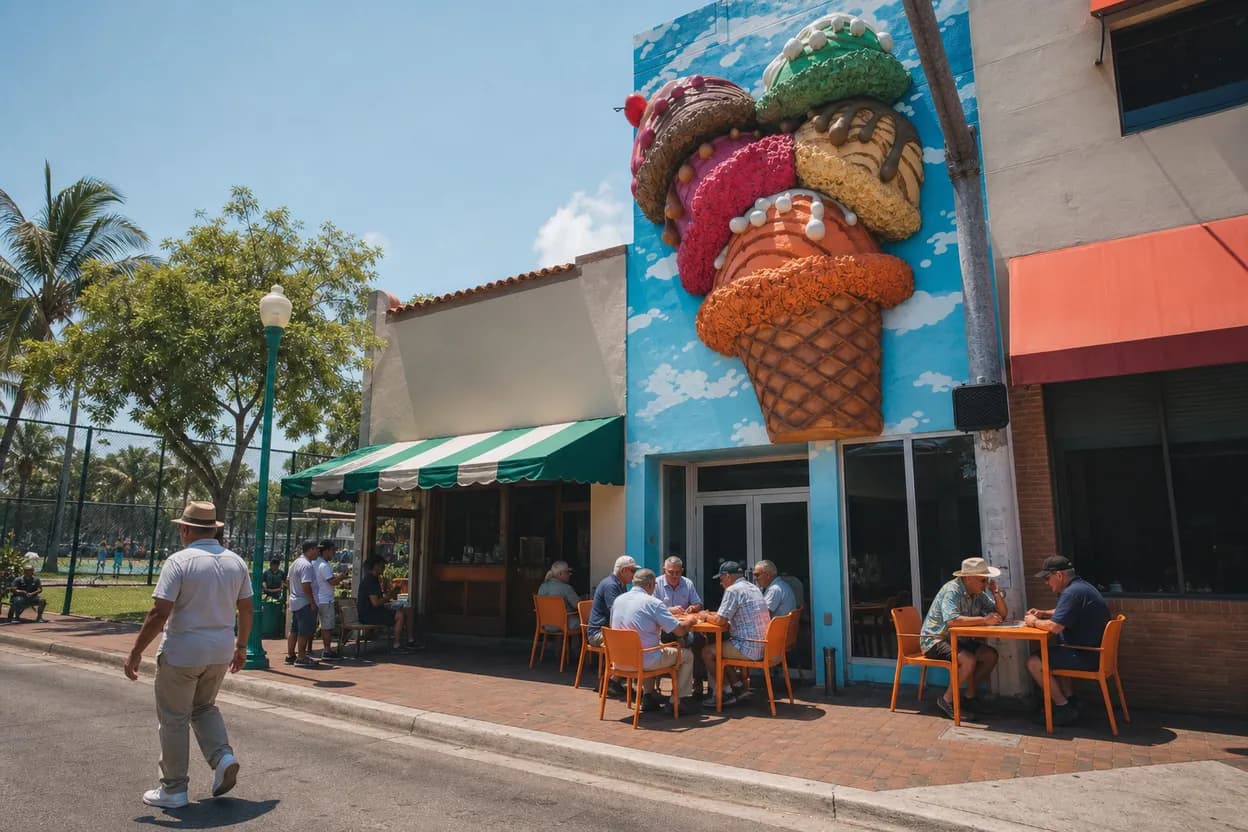
The official Greater Miami & Miami Beach site gives you a broad, verified frame for the city rather than a specific plan for this headline. It describes stunning beaches, a rich culinary scene, dynamic arts and culture, cities and neighborhoods with distinct charm, outdoor activities, and sports. That supports a flexible meetup: a beach-adjacent walk, a food-first neighborhood stop, an arts-and-culture route, or a sports-fan gathering that leaves room for conversation.
Keep the invitation modest and checkable. Say “sports talk and a Miami meetup,” not “official appearance” or “guaranteed local event.” Pick one primary area and one nearby backup so the group is not forced into a long repositioning if the first idea falls apart. Officially listed webcam locations, neighborhood references, and transit tools can help shape the plan, but they do not replace direct confirmation of the exact place you intend to use.
Choose participation or spectating first
Before picking a place, decide whether the group wants to participate or spectate. Participation may mean walking, beach time, casual outdoor activity, or a low-pressure public-space hang. Spectating may mean trying to find screens, seating, sound, entry details, and a plan for late arrivals. The official extracts support Miami as a place for sports fans and outdoor activity, but they do not confirm what any private venue will show on a given day.
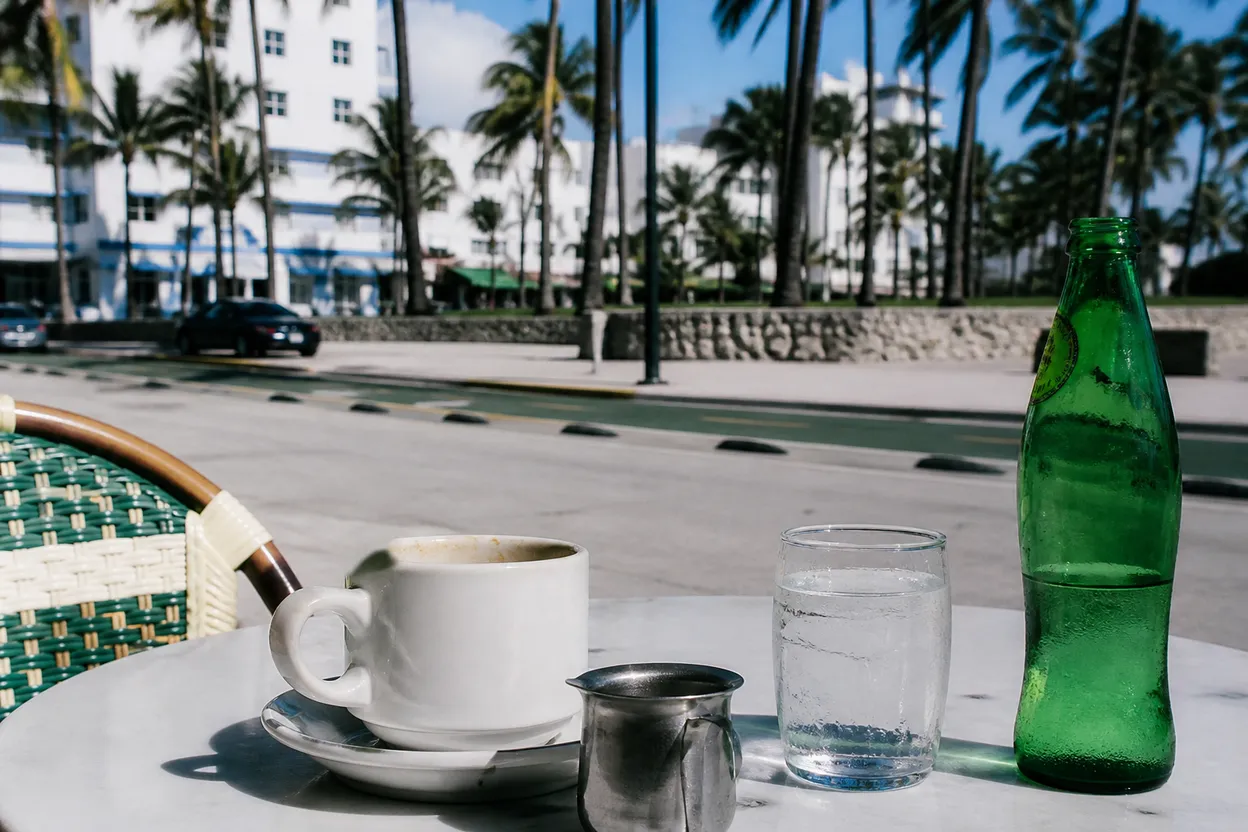
If participation comes first, use the visitor site’s Miami frame carefully. It highlights outdoor activities and natural attractions as part of the destination, and it lists live webcam locations including 1st Street Beach in South Beach, 21st Street Beach in South Beach, Bayfront Park in Downtown Miami, Biscayne Bay and PortMiami, Lincoln Road in Miami Beach, Ocean Drive in South Beach, Sailboat Bay in Coconut Grove, Virginia Key Beach Park in Key Biscayne, and Wynwood Walls. Those are useful planning prompts, not guarantees of access or conditions.
If spectating comes first, make the verification task explicit. The official extracts do not provide bar schedules, broadcast availability, reservation rules, cover charges, hours, or seating policies. Ask the specific venue through its official channel what is available before people travel. A careful group text might say: “We are checking the venue before leaving; backup nearby if entry, seating, or screens do not work.”
Match the venue to the group energy
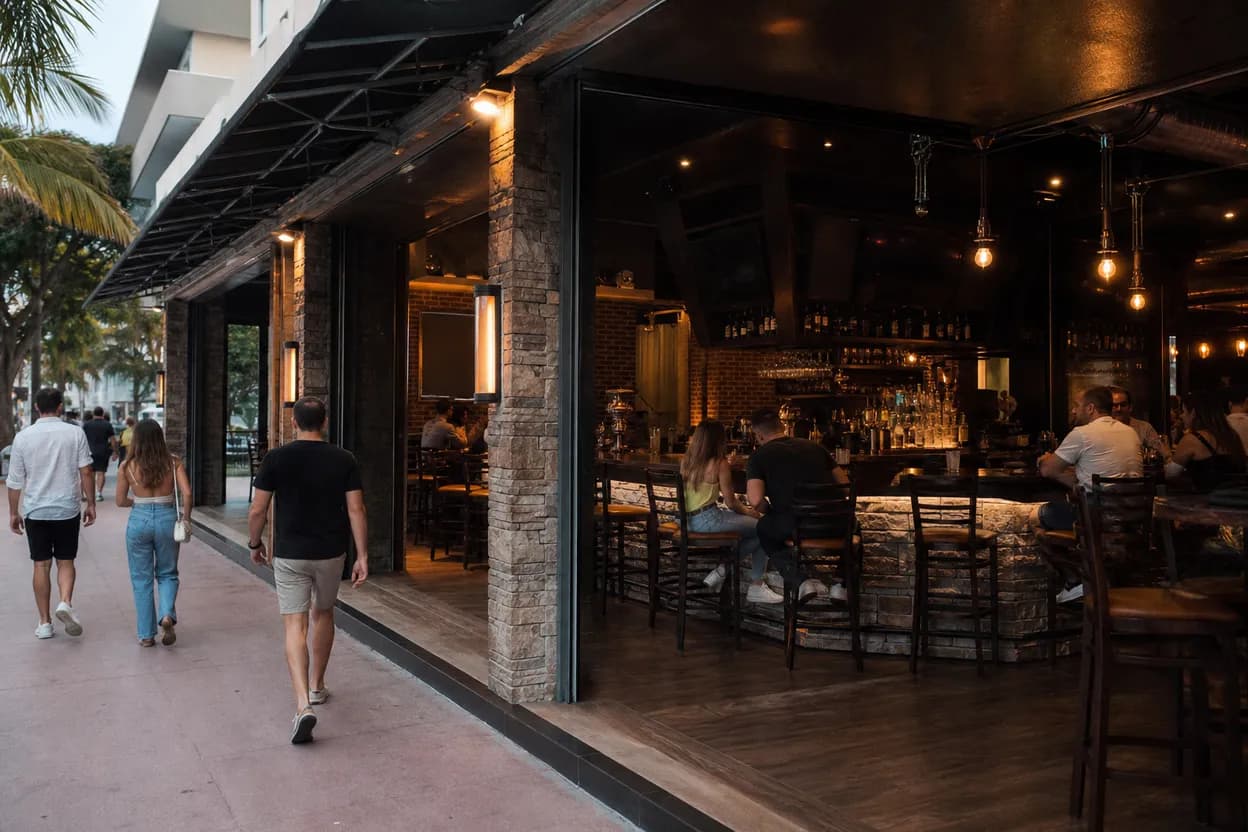
Miami groups often split between people who want a lively room and people who want an easy place to talk. Solve that before choosing the stop. A higher-energy sports crowd needs confirmed viewing conditions from the specific venue. A conversation-first group may do better with food, a walkable neighborhood, or a public meetup point where the sports topic stays social rather than taking over the night.
Use the official neighborhood framing as a guide, not as a promise. Greater Miami & Miami Beach says each city and neighborhood has its own distinct charm, with options for lively energy, cultural richness, lush greenery, or coastal serenity. The homepage points visitors toward South Beach, Downtown Miami discoveries, getting creative in Wynwood, beaches, culinary experiences, arts and culture, and sports. Those categories help you choose the feel of the night.
Be skeptical of vague claims like “everyone will be there” or “they will definitely show it.” A timely phrase such as stewart rhodes can attract curiosity, but it does not create Miami programming by itself. Match the room to your people: talkers near food, fans near confirmed screens, visitors near easy meeting points, and anyone new to the topic somewhere they can ask questions without being stuck in a loud or confusing setting.
Plan equipment seating and transit early
For a participation-first outing, equipment is where casual plans get clumsy. If people are bringing beach items, mobility aids, bags, or anything bulky, check whether the selected place and the next stop can handle that. The official extracts do not give park rules or venue storage policies, and the parks source provided is a page-not-found result, so do not invent public-space rules from it.
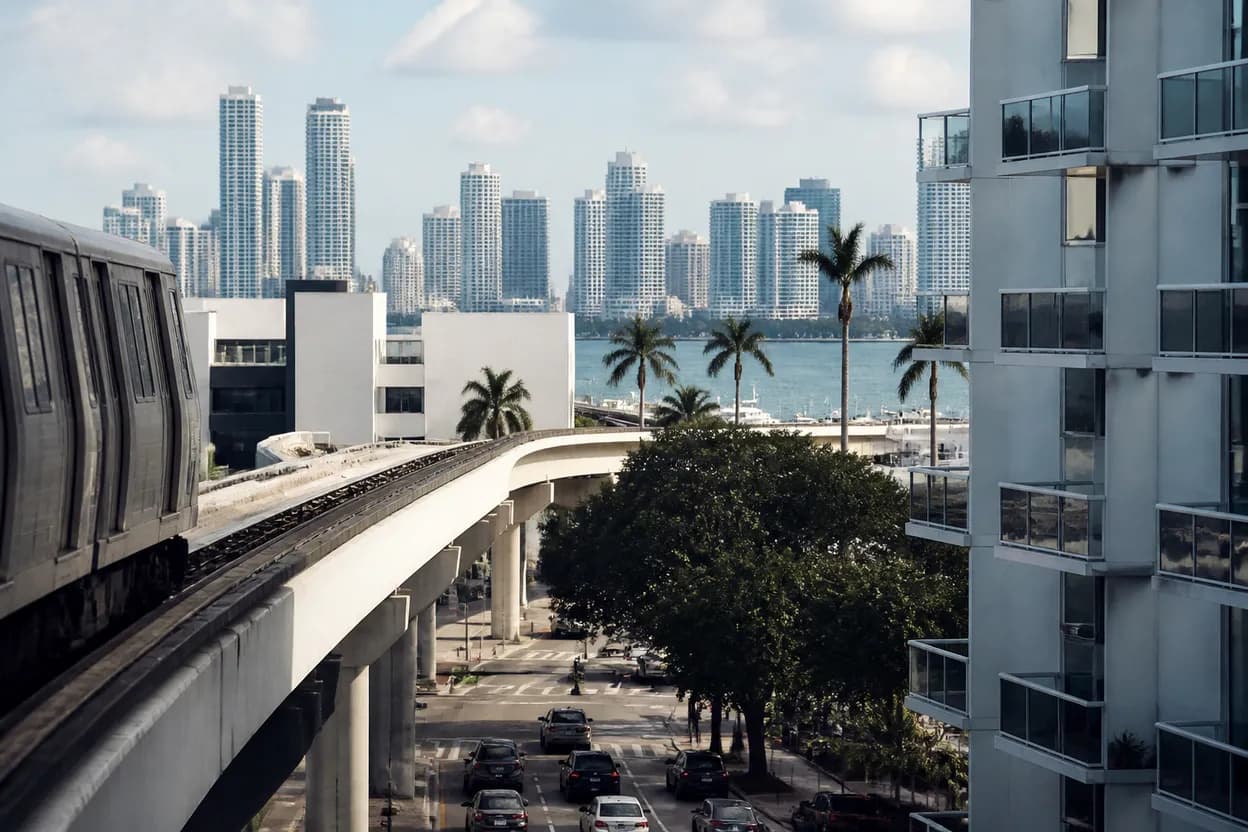
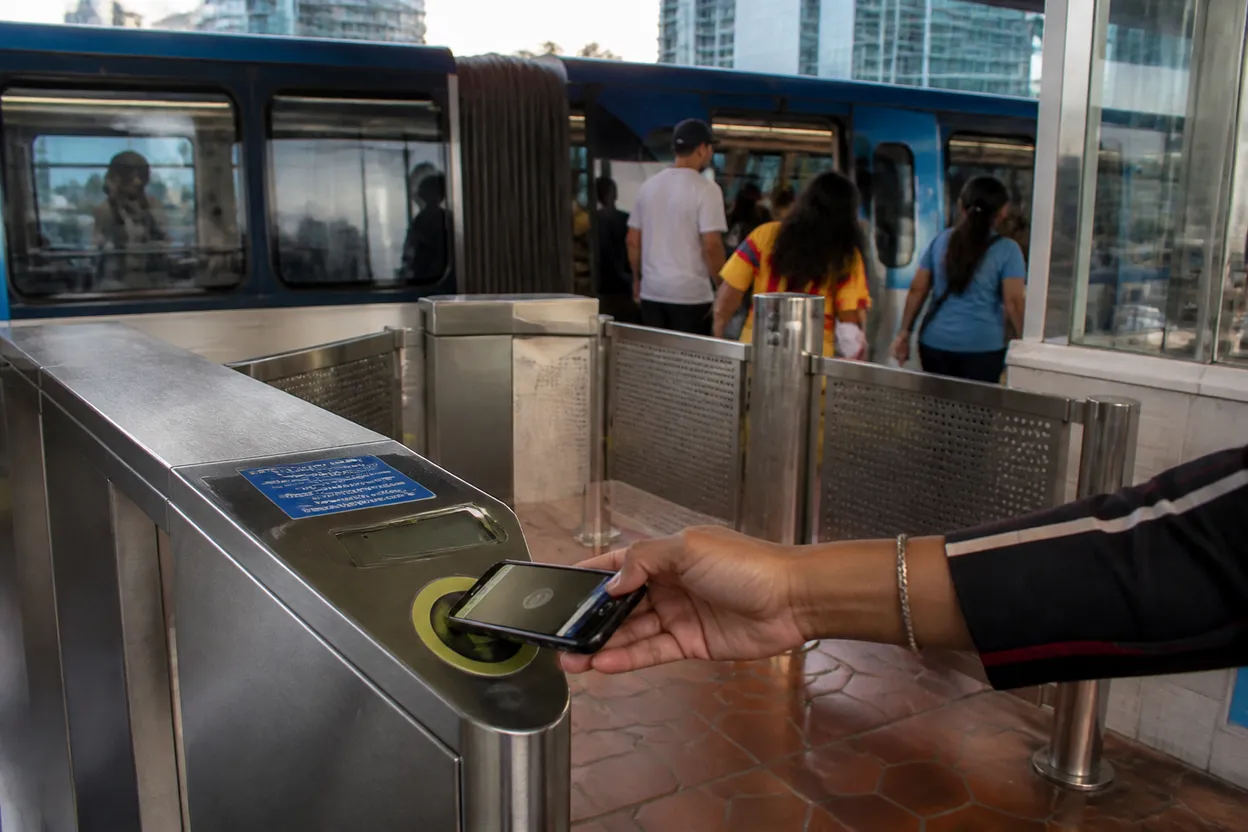
For transit, use Miami-Dade Transportation and Public Works as the starting point. The county page points riders to service updates, rider alerts, a transit tracker, and a trip planner. It lists transit modes and services including Metrobus, BRT Metro Express, Metrorail, Metromover, MetroConnect microtransit service, and Special Transportation Service. It also provides an elevator and escalator status link, which matters for anyone with mobility needs, strollers, injuries, or heavy gear.
One precise detail is especially worth preserving: Miami-Dade says Metromover is operating a modified Inner Loop, with trains running on the same track as Brickell and Omni Loop. It also says Inner Loop trains will not appear on the platform display, and riders should look inside the train to confirm the loop designation. Build your route with that kind of official alert in mind, then choose a backup within the same area or transit pattern.
Keep beginners from feeling stranded
A sports-social night should not require everyone to know the teams, the rules, the geography, or the transit system. Put one person in charge of the first meet point and one person in charge of the backup decision. Share the neighborhood, transit stop or rideshare target, and what will happen if the first place does not work. That is the practical difference between an invite and a usable plan.
For visitors, Miami can feel broad quickly. The official visitor site frames the destination through beaches, culinary experiences, arts and culture, sports, outdoor activities, and distinctive neighborhoods. Narrow that down in the message: “Meet near Bayfront Park in Downtown Miami,” “start on Lincoln Road in Miami Beach,” “stay around Ocean Drive in South Beach,” or “keep it to Wynwood Walls and nearby verified stops.” Those examples use locations named in the official extract without claiming specific schedules or access rules.
Accessibility should be part of the first plan. Miami-Dade Transit publishes elevator and escalator status and describes accessible transit services and ADA accommodations. The county page says accommodations are made for people with disabilities to access and ride Transit. If someone needs step-free routing, reduced walking, clearer pickup points, or predictable seating, verify those details before naming the final meeting place.
Verify schedules before leaving
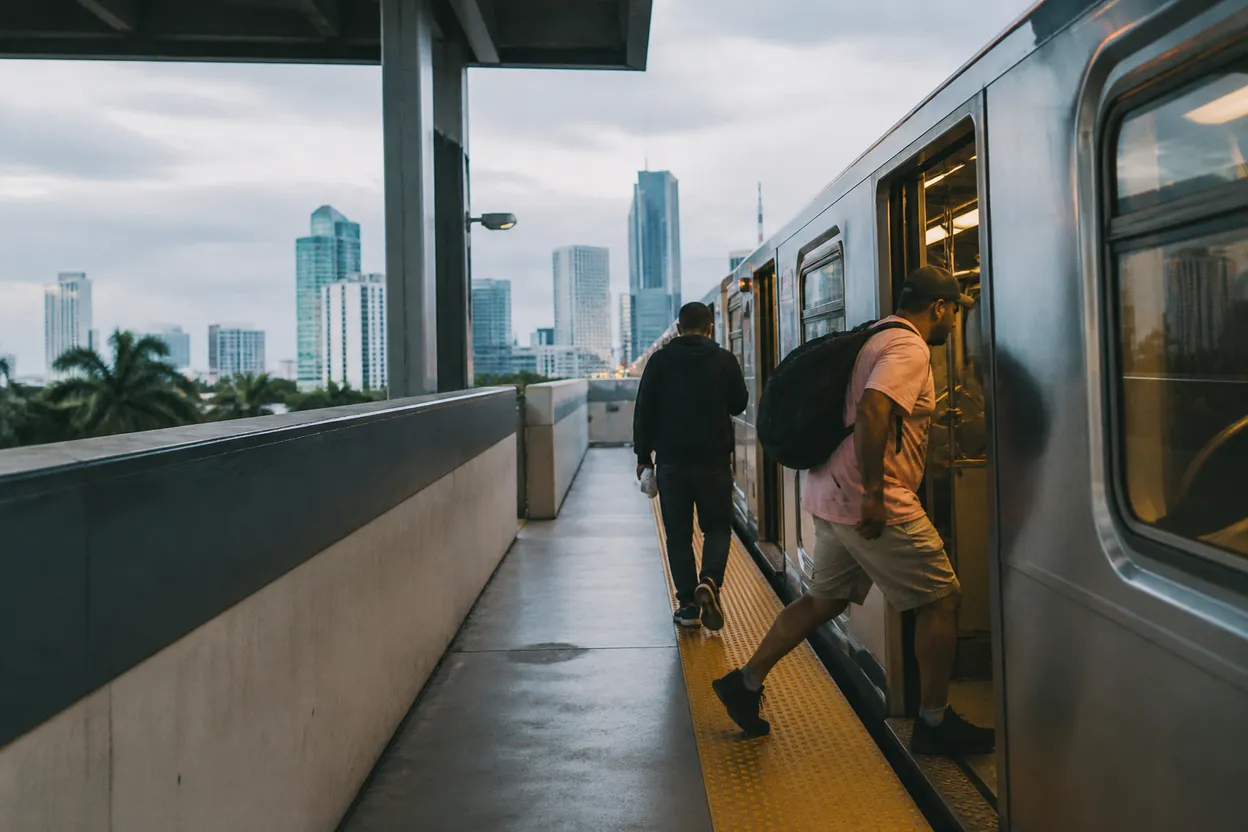
Make the final check close to departure. Miami-Dade’s transportation page points riders to service updates, rider alerts, real-time tracking, and a trip planner; use those before anyone heads out. If Metromover is part of the route, remember the modified Inner Loop notice and confirm the loop designation inside the train. If a venue is involved, check that venue’s official channel for hours, entry, seating, screens, sound, and private-event conflicts.
Do the same with public-space assumptions. A beach, waterfront area, arts district stop, or neighborhood meetup can be affected by weather, crowds, maintenance, or events. The official visitor site’s live webcam list can help you think about places such as 1st Street Beach, 21st Street Beach, Bayfront Park, Biscayne Bay and PortMiami, Lincoln Road, Ocean Drive, Sailboat Bay, Virginia Key Beach Park, and Wynwood Walls, but a webcam is only one planning signal.
The cleanest group message is short and specific: primary neighborhood, exact meet point, transit suggestion, latest verification time, and backup. Choose Downtown if Bayfront Park and Metromover planning make sense, Miami Beach if the group is already near South Beach or Lincoln Road, or Wynwood if the goal is art, food, and casual sports talk. The headline got people interested; the verification keeps the outing usable.
Tags: #stewartrhodes #Miami #MiamiSports #SportsSocial #AskKarpo #BeforeYouGo #MiamiDadeTransit #DowntownMiami #MiamiBeach #Wynwood #BayfrontPark #SouthBeach #VenueCheck #TransitTips
Sources consulted: miamiandbeaches.com · miamidade.gov · miamidade.gov
All trademarks are the property of their respective owners.
Ask Karpo first
Ask Karpo first when the plan depends on a headline, a crowded neighborhood, or a venue promise you have not verified. Karpo can help you turn stewart rhodes interest into a Miami outing with checked transit alerts, realistic access decisions, and a backup that keeps the group together.