Steph Curry's reputation for shot precision—the footwork, the rhythm, the split-second adjustments—offers a surprisingly useful lens for planning a US Open visit in Queens. Just as a shooter reads the court and adjusts to defensive pressure, a smart tennis fan reads session times, transit windows, and crowd patterns around Flushing Meadows Corona Park to turn a long tournament day into a smooth, energetic experience. The 2026 US Open will once again draw hundreds of thousands to the USTA Billie Jean King National Tennis Center, and whether you're catching a night session under the lights at Arthur Ashe Stadium or hopping between outside courts during the day, the same principles apply: timing, positioning, and knowing when to move. This guide connects that crossover energy—basketball precision applied to tennis logistics—with practical planning details for getting to Queens, navigating the grounds, and building in food, rest, and backup plans across Flushing, Corona, Jackson Heights, and beyond.
Text Karpo with your US Open session time and Queens starting point, and we’ll turn this sports-fan crossover energy, watch spots, and movement lessons around Queens tennis into a practical local plan.
Precision Timing: Session Windows and Transit Rhythm
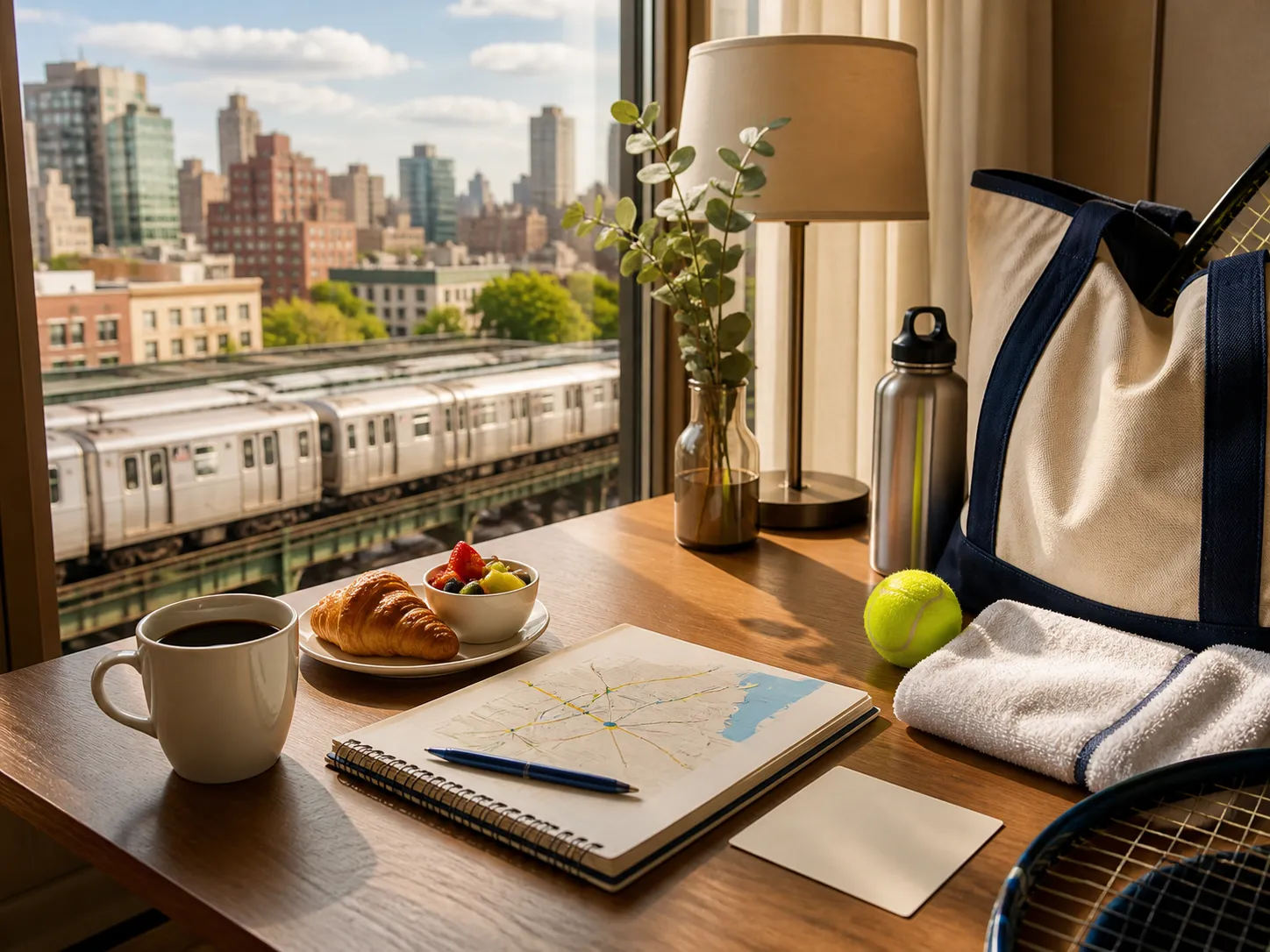
The US Open runs for two weeks, typically late August into early September, with day sessions starting during the posted late-morning window and night sessions beginning at the posted evening-session time according to the official event schedule on usopen.org. Like a shooter timing a release, your arrival window matters: too early and you're waiting in heat or crowds; too late and you miss the rhythm of warm-ups and early matches. The 7 train is the primary artery, running from Manhattan through Queens to the Mets–Willets Point station, a short walk from the tennis center. During the tournament, the MTA typically adds extra service, but checking real-time transit status and allowing buffer time—especially for evening sessions—keeps you ahead of delays. If you're driving, official parking is available but fills quickly; the usopen.org transportation guide has the latest on lots and shuttle options. The precision here is in the buffer: plan to arrive 60–90 minutes before your session starts, giving you time to clear security, pick up credentials if needed, and settle into your seat or scouting position on the grounds.
Court Positioning: Navigating the Grounds Like a Floor General
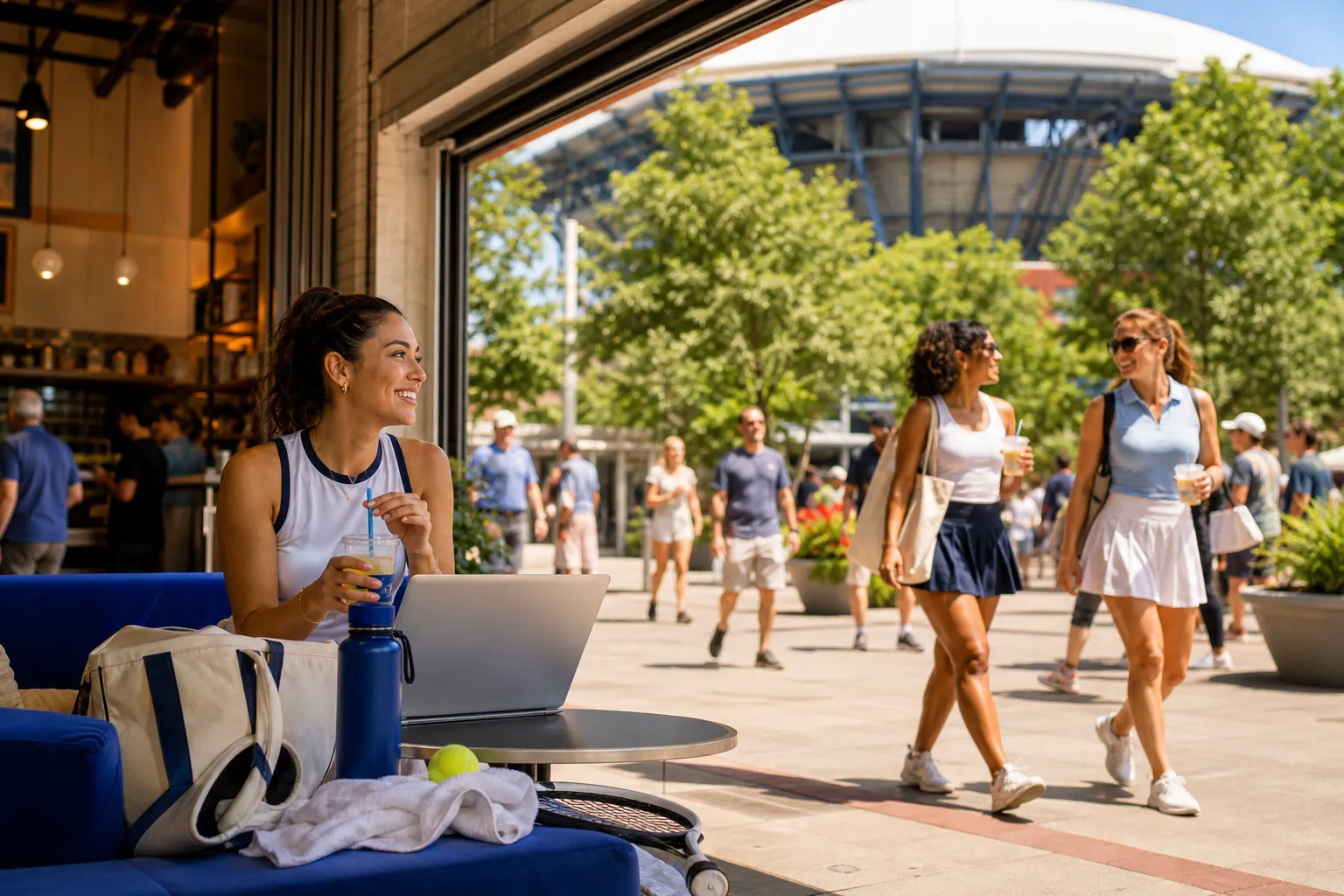
Flushing Meadows Corona Park is vast—nearly 900 acres—and the tennis center itself sprawls across multiple stadiums and dozens of outside courts. Arthur Ashe Stadium is the centerpiece, but Louis Armstrong Stadium and the Grandstand offer excellent sightlines and shorter security lines. The outside courts, free with grounds admission, let you move between matches, catching rising stars and doubles action up close. The key is to think like a point guard: know your primary target (a specific match or player), but stay flexible enough to pivot when a compelling storyline unfolds on Court 17 or the practice courts. The official A-Z guide on usopen.org includes maps, seating details, and accessibility information. Wear comfortable shoes—you'll walk miles—and carry a small bag that meets the prohibited-items policy (no large backpacks, no glass, no outside food beyond one sealed bottle). Sunscreen, a hat, and a portable charger are your bench players, ready when you need them.
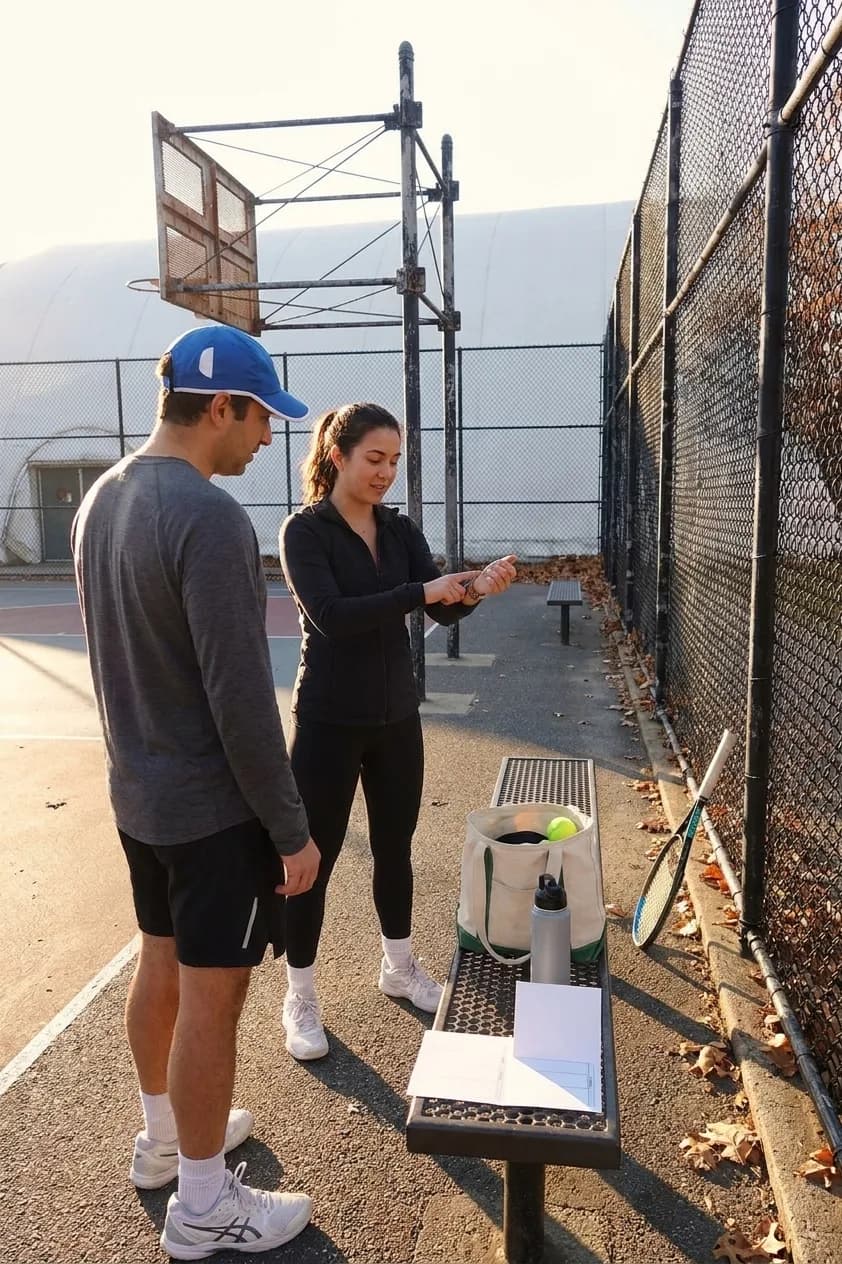
Movement Lessons: When to Stay, When to Rotate
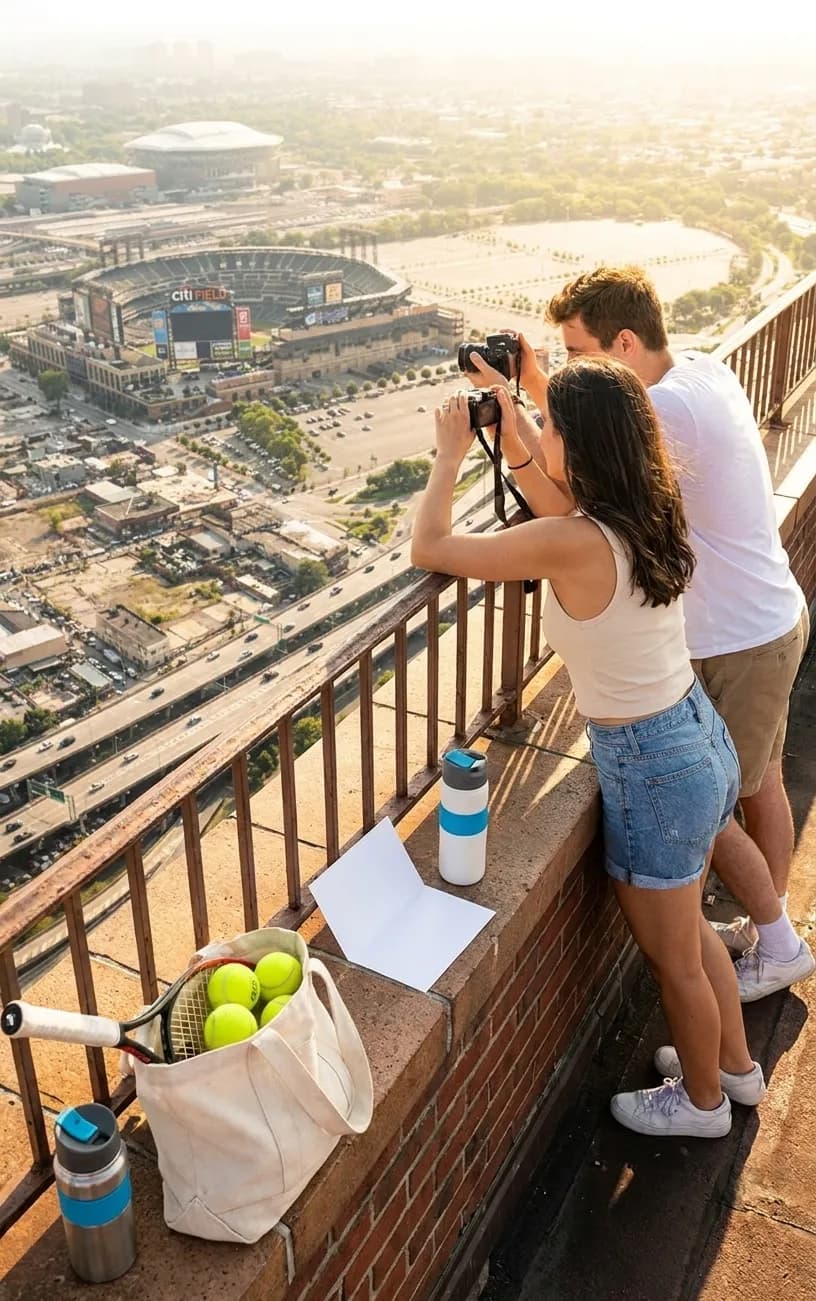
Basketball teaches you to read rotations and exploit mismatches; tennis fandom at the US Open rewards the same instincts. If you have a reserved seat for a marquee match, you're locked in—but if you're on a grounds pass, you can rotate between courts as matches finish or lose momentum. Early rounds often feature the most variety: multiple matches on outside courts, shorter wait times, and the chance to see future champions before they hit prime time. Late rounds concentrate action in the big stadiums, so your movement strategy shifts from exploration to patience. Between sessions, step outside the gates into Flushing Meadows Corona Park itself: the Unisphere, the Queens Museum, and the New York Hall of Science are all within walking distance, offering air-conditioned breaks and cultural context. Citi Field, home of the Mets, is right next door; if there's a day game, you might catch the energy spilling over. The park's open spaces also provide quiet spots to regroup, hydrate, and check your next move.
Watch-Party Logistics: Bars, Screens, and Backup Plans
Not every fan will be inside the gates every day, and that's where Queens' sports-bar and restaurant scene becomes your second court. Flushing's downtown corridor—especially along Main Street and Roosevelt Avenue—offers a dense mix of restaurants, many with screens and late hours. Jackson Heights and Corona, both a short subway or bus ride away, have their own clusters of spots where locals gather for soccer, basketball, and increasingly tennis during the Open. Astoria and Long Island City, farther west along the 7 and N/W lines, offer craft-beer bars and waterfront venues with outdoor seating and TVs. The precision here is in the backup plan: if you can't get tickets for a night session, or if weather delays push matches late, knowing where to watch—and how to get there—keeps the energy alive. Always verify hours and screen availability directly with businesses close to your visit, as tournament crowds can shift reservations and seating policies.
Food and Fuel: On-Grounds and Neighborhood Options
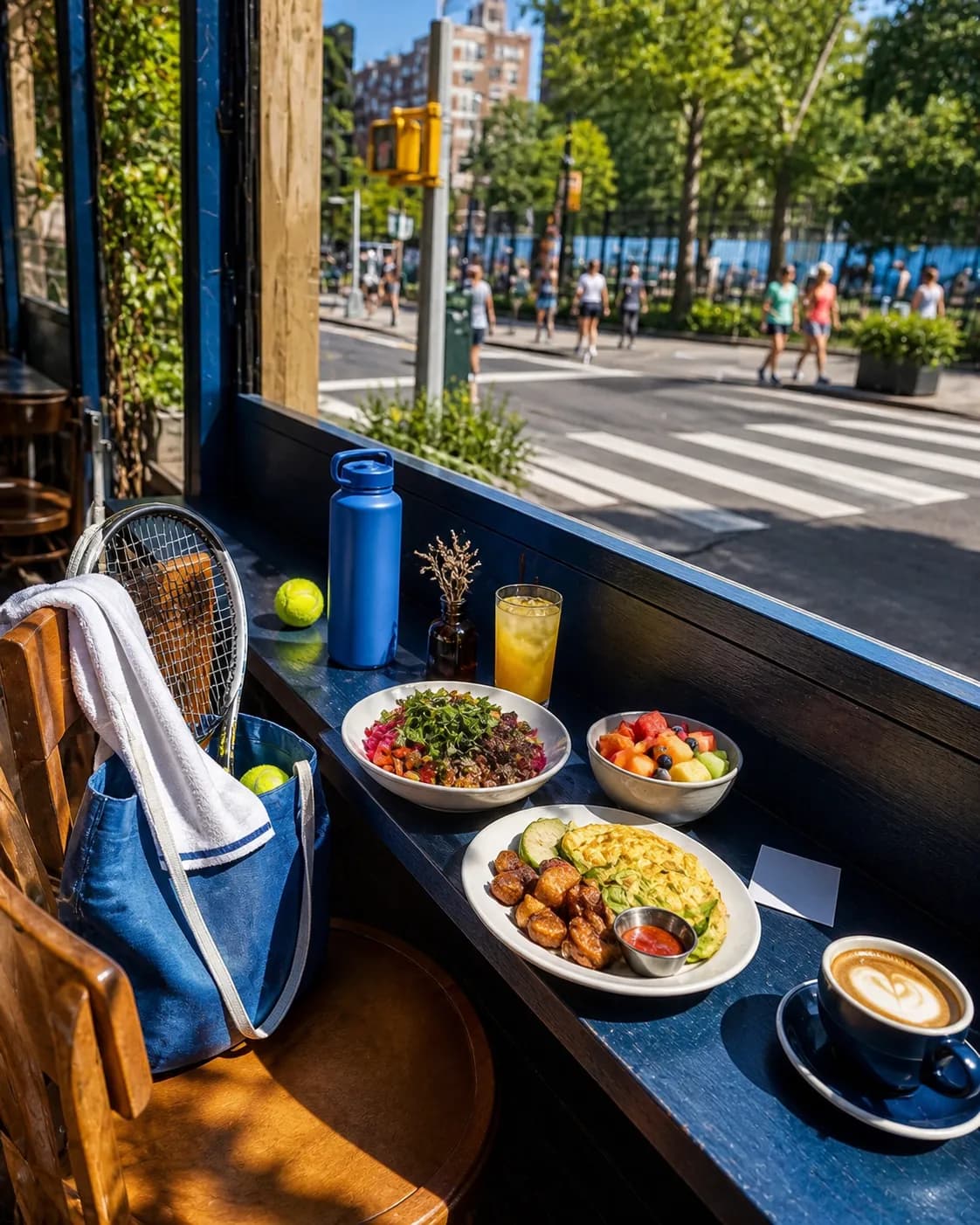
The US Open grounds feature dozens of food vendors, from classic ballpark fare to higher-end options curated by local chefs and national brands. Prices reflect the captive audience, so budgeting ahead—or eating a solid meal before you arrive—makes sense. The official A-Z guide lists dining options and notes that one factory-sealed plastic bottle of water is allowed in. Outside the gates, Queens delivers world-class food at neighborhood prices: Flushing is renowned for its Chinese, Korean, and Malaysian restaurants; Corona for Mexican and Latin American kitchens; Jackson Heights for South Asian and Tibetan flavors. If you're planning a full day, consider a late breakfast or early lunch in one of these neighborhoods, then a lighter snack on the grounds, and dinner back in the neighborhood after your session. This rhythm mirrors the precision of a well-paced game: fuel when you need it, rest when you can, and stay ready for the next point.
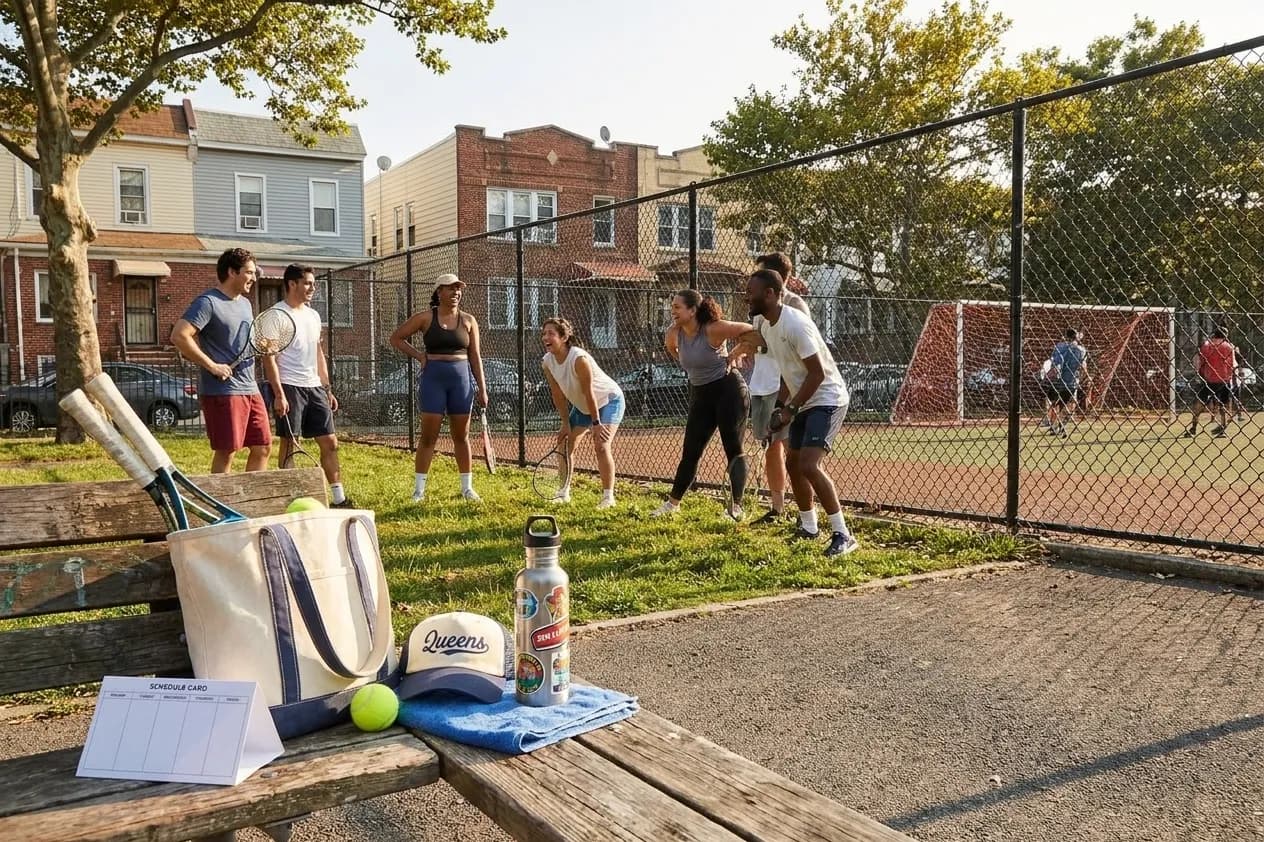
Practical Notes for Crossover Fans
- Check usopen.org for the official event schedule, session times, and any updates to gates, security, or prohibited items before you travel.
- Use the 7 train as your primary route; the Mets–Willets Point stop is the closest and most reliable option for the tennis center.
- Allow 60–90 minutes of buffer time before your session starts to account for security lines, transit delays, and on-site navigation.
- Wear comfortable walking shoes and bring sunscreen, a hat, and a portable charger; you'll cover significant ground and spend hours outdoors.
- Download offline maps or offline copies of the tennis center layout and surrounding Queens neighborhoods in case cell service is congested.
- Verify restaurant hours, bar screen availability, and museum schedules directly with businesses and venues close to your visit date.
- If weather delays or schedule changes occur, have a backup plan: a nearby museum, park, or restaurant where you can wait comfortably.
- Respect the grounds, staff, and fellow fans; the US Open draws a global audience, and courteous behavior keeps the experience smooth for everyone.
Building Your Own Precision Playbook
The crossover between basketball precision and tennis planning isn't about forcing a metaphor—it's about recognizing that both require rhythm, adaptability, and respect for the fundamentals. Steph Curry's shooting form is the result of thousands of hours of practice, film study, and in-game adjustments; a successful US Open visit is the result of checking official sources, planning your transit and timing, and staying flexible when the day unfolds differently than expected. Whether you're a die-hard tennis fan, a casual sports tourist, or someone who just loves the energy of a major event in Queens, the same principles apply: know your windows, position yourself smartly, and keep your energy up for the moments that matter. The 2026 US Open will bring world-class tennis back to Flushing Meadows, and with a little precision in your planning, you'll be ready to enjoy every set, every rally, and every unexpected highlight that makes the tournament unforgettable.
Karpo is an independent guide and is not affiliated with, endorsed by, or connected to the US Open, the USTA, the USTA Billie Jean King National Tennis Center, the New York Mets, Citi Field, NYC Parks, the MTA, or any business, venue, or service mentioned. All trademarks, venue names, and event titles remain the property of their respective owners and are used here for informational purposes only.
Ask Karpo First
Tags: #USOpen2026 #Queens #FlushingMeadows #KarpoFinds #Karpo #stephcurry #NewYorkLocal #TennisTravel #NYCLocalLife #TennisTravel
Sources consulted: usopen.org — Official event schedule · usopen.org — Official visitor A-Z guide · usopen.org — Official transportation directions · usopen.org — Official prohibited-items guide · NYC Parks — Flushing Meadows Corona Park · New York Mets — Citi Field
All trademarks are the property of their respective owners.
Ask Karpo first
Want to know what is actually open, how to time the trip, and where to pause around Queens? Ask Karpo for the latest public US Open context, a respectful visitor plan, and a live route around Flushing Meadows before you head out.