 Clubs Near Me Downtown Miami: Club Space Keeps Terrace Open Past Sunrise
Bars & Nights Out
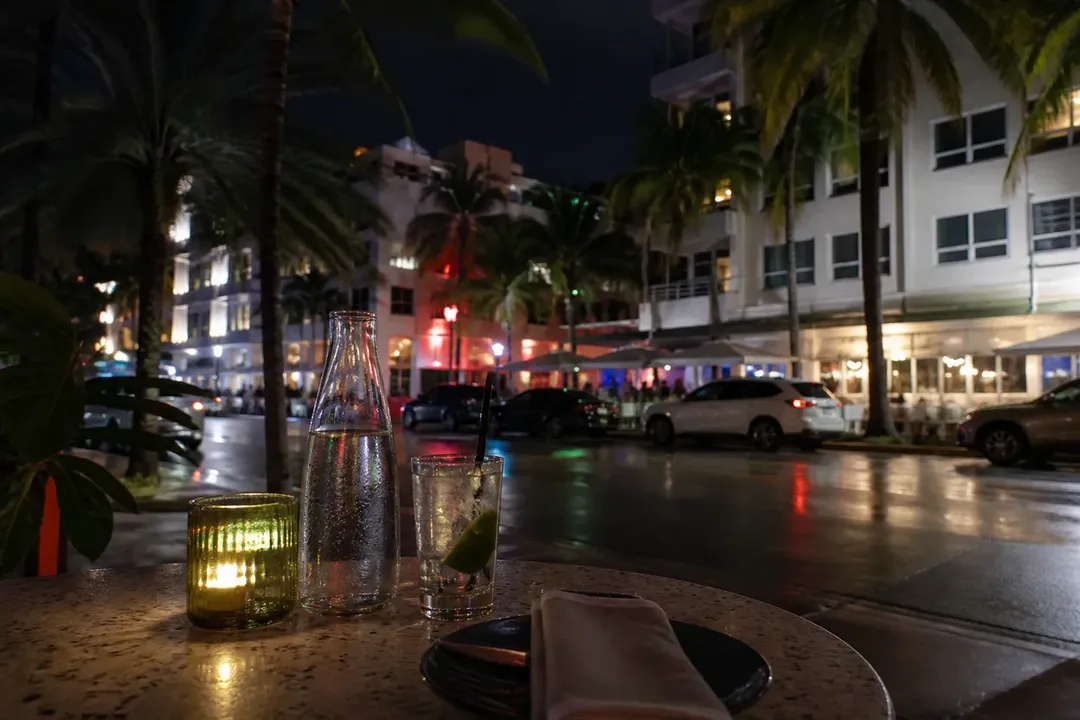
stefon diggs: Where Miami Can Talk Without Shouting
A verification-first Miami night-out route for choosing bars by sound, food timing, transit checks, and backup options before the room gets loud.
Miami does not need another rumor-powered night plan. If stefon diggs is the phrase your group chat keeps throwing around, use it as the spark for a smarter evening, not as evidence that anyone famous will be in the room. The better Miami move is to choose where conversation can actually survive: a first stop with enough room for the group to settle in, a second stop close enough to keep the night simple, and a transit or exit plan checked before the first drink. The official Greater Miami & Miami Beach site presents the destination through beaches, a rich culinary scene, arts and culture, events, neighborhoods, music, and nightlife. That abundance is useful only if you verify what is actually listed, confirm venue details directly, and pick the room that fits the conversation you came to have.
Want a lower-friction Miami plan? Text Karpo before leaving and ask us to check tonight’s route, transit alerts, neighborhood sequence, event listings, and backup bar decision points.
Use the topic as the night’s conversation starter
A trending name can give the table something easy to talk about, but it should not become the itinerary. Treat stefon diggs as a timely prompt for a sports-and-nightlife conversation, then separate that from any claim about Miami presence, venue affiliation, watch party, appearance, or guarantee. The official extracts do not support any celebrity sighting, bar partnership, event tie-in, broadcast plan, or reservation rule. Unless a venue or official organizer says something directly, the responsible plan is simple: choose a public room, keep expectations modest, and let the night be about your own group.
The official visitor site frames Greater Miami & Miami Beach as a broad destination: beaches, culinary experiences, arts and culture, events, neighborhoods, music, outdoor activities, sports, and welcoming visitor experiences all appear in the official material. That matters because a good bars night does not have to chase one headline. It can start with a topical sports conversation, then move through a neighborhood where food, music, and transportation options are easier to check. The hook gets people out the door; verification keeps the night from becoming a scavenger hunt.
Choose sound level before cocktails
Before choosing the first bar, decide whether the night is for catching up, watching a screen, listening to music, or moving toward a livelier room. Miami has plenty of energy, but energy is not the same as usability. If the goal is conversation, ask the venue what is scheduled that night, whether a DJ, live music, screening, private program, or special event affects the main room, and whether entry or seating expectations change as the evening goes on. Those details are not supplied in the official extracts, so they should come from the venue itself.
The official visitor site lists date-specific programming across Greater Miami and Miami Beach. For Thursday, August 6, 2026, the provided official extract names several featured events: MOAD Movies: The Last Days of the Miami News; CAP Summer Series: Clayton Stephenson in Coral Gables; Contemporary Performance Open Stage on Lincoln Road in Miami Beach; and Jamaican Independence Day at ZeyZey Miami in Little Haiti. Those listings do not tell you what every nearby bar will sound like, but they do show why the day’s program should be checked before assuming a familiar area will feel the same every night.
A practical test: if your group wants to debate the sports headline, start with a room that the venue confirms is suitable for conversation. If the group wants the headline as a pretext for a louder night, reverse it. Have the conversation first, then move toward music or an official listed event area only after confirming access and timing.
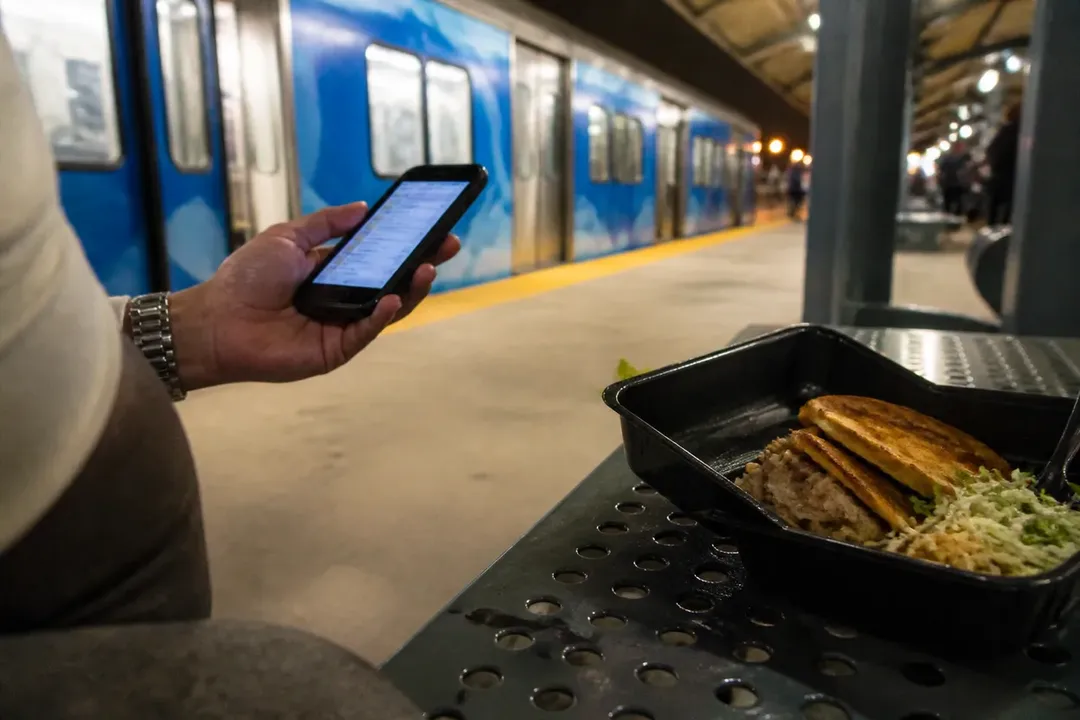
Build a walkable two-stop route
Miami nights get easier when the second stop is chosen before the first round. Pick one compact zone rather than trying to stitch together South Beach, Downtown, Wynwood, Little Havana, Little Haiti, Coral Gables, and Miami Beach in a loose plan. The official visitor site highlights cities, neighborhoods, beaches, points of interest, and distinct experiences across Greater Miami and Miami Beach, but distinct is the key word. A cross-area hop can drain the night if nobody has checked access, transportation, or the next stop.
For a verification-first route, choose a first room near the place your group already expects to be, then choose a backup close enough that switching does not become the main event. The official extracts support checking official event context and Miami-Dade Transit tools; they do not support exact walking times, rideshare timing, parking availability, bridge delay predictions, or door policies. If your plan depends on any of those details, soften the assumption and confirm it directly.
The two-stop rule is simple: one planned room, one backup room, no heroic third transfer. That gives the night flexibility without turning every decision into a curbside committee meeting. The actionable part is not guessing the perfect bar; it is sending the group a short plan that names the first stop, the backup, the transit approach, and the condition that triggers a switch.
Keep food and late transit in the plan
A bars night works better when food is not an afterthought. The official Miami visitor site says Miami Spice runs in August and September and offers specially priced three-course meals at participating eateries for lunch, brunch, and dinner. That is a useful, supported detail, but it should not be stretched. Do not assume every restaurant near your route participates, has space, serves late, or fits your group’s timing. Use Miami Spice as a cue to check dinner first, then place bars around the meal instead of hoping the kitchen situation solves itself later.
Transit deserves the same early check. Miami-Dade Transportation and Public Works tells riders to read service updates and rider alerts, plan routes, and track buses and trains in real time. It also provides a trip planner, transit tracker, rider alerts, and service updates. That is not background information; it is the practical difference between a clean exit and a long wait after the room stops working for your group.
If your plan touches Metromover, use the county’s current notice carefully. The official extract says Metromover is operating a modified Inner Loop, with trains running on the same track as Brickell and Omni Loop, and that Inner Loop trains will not appear on the platform display. The county says riders should look inside the train to confirm loop designation. The extract also notes elevator and escalator status information, which matters if anyone in the group depends on accessible station movement. If someone is coming from Miami International Airport, the county extract says the Orange Line goes to and from the Miami International Airport station for $2.25 each way. Verify the page again before travel, especially when the night depends on a return trip.
Know when to switch to the backup room
The backup room is not a failure; it is the pressure valve. Decide the switch triggers in advance: the line is longer than your group wants, the room has a ticketed or private program you did not expect, the music level kills conversation, seating is not available, or the transit exit looks less workable after checking official tools. Miami rewards flexibility, but only if the alternative is nearby enough and already checked.
For access, ask direct questions before you leave: Is tonight open to the public? Is there a cover, ticket, RSVP, guest list, private event, age restriction, dress requirement, or changed entry flow? The official extracts do not provide individual venue policies, so those details should come from the venue itself. Avoid building a night around old posts, reposted flyers, vague neighborhood lore, or celebrity-adjacent chatter.
This is especially important when the night’s conversation hook is stefon diggs or any other fast-moving public figure. A sports topic can make a room feel timely without making the room official. If the venue cannot confirm the experience you want, move to the backup and keep the night intact.
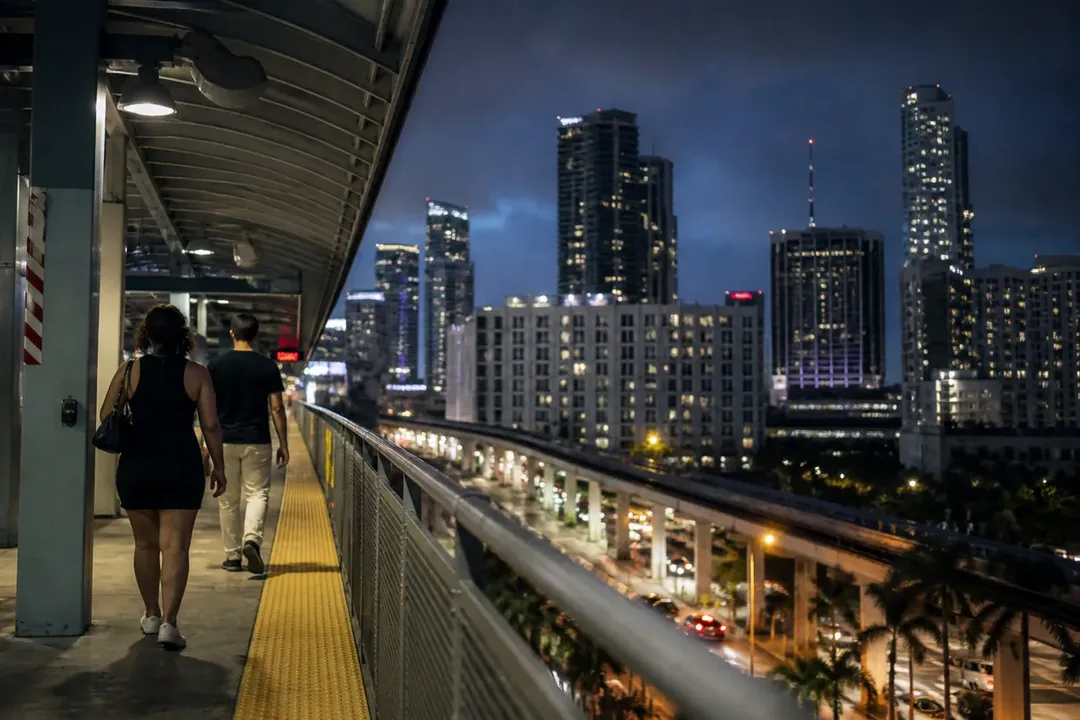
Verify the night’s program before leaving
The final check should happen close to departure, not hours earlier. Open the official Greater Miami & Miami Beach site for the broader visitor and event context, then check Miami-Dade Transit rider alerts, service updates, the trip planner, and real-time tracking. If your route relies on elevators, escalators, or accessible station movement, use the county’s elevator and escalator status information before anyone is standing at a station.
For a Miami bars night, the strongest plan is boring in the right places: confirmed public access, confirmed neighborhood sequence, confirmed food window, checked transit option, and one checked backup. The fun can stay loose because the logistics are not. Use the headline as a reason to gather, then let Miami’s actual public spaces, music listings, restaurants, and neighborhoods carry the evening.
Before you go, send one message to the group with the first stop, backup stop, transit approach, and the exact condition that triggers a switch. That small piece of structure keeps the night from being over-managed while preventing the classic Miami drift: everyone has an opinion, but nobody has checked the route.
Tags: #Miami #MiamiBars #MiamiNightlife #BarsNightsOut #AskKarpo #BeforeYouGo #DowntownMiami #MiamiBeach #Wynwood #LittleHaiti #MiamiTransit #NightOutPlanning #VenueCheck #PublicSpace
Sources consulted: miamiandbeaches.com · miamidade.gov · miamidade.gov
All trademarks are the property of their respective owners.
Ask Karpo first
Ask Karpo first when the plan depends on timing, access, or noise level. We can help you check official Miami event context, Miami-Dade transit alerts, walkable neighborhood logic, and backup-room decisions before your group turns a simple night out into a rumor chase.
Ask Karpo for more information.
Keep reading
- Clubs Near Me Downtown Miami: Club Space Keeps Terrace Open Past Sunrise
 Live Music Near Me at Hoy Como Ayer Keeps Cuban Son Live
 Live Music Near Me in Little Havana: Ball & Chain Pineapple Stage