 Best Trick or Treating Neighborhoods Near Me: Park Slope
Neighborhood Guides
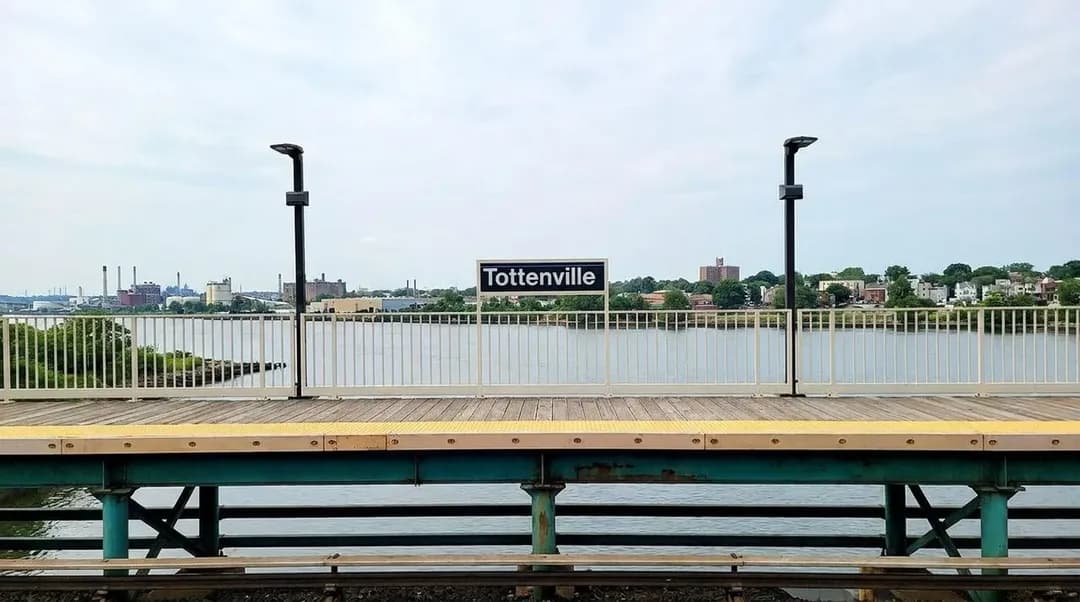
Staten Island Railway Tottenville Terminus and Platform Arthur Kill Overlook: A Fresh Field Note
The southern terminus of the Staten Island Railway offers an end-of-line platform wait above Arthur Kill, container ship views across to New Jersey, and a forty-five-minute return journey as slow-travel alternative through Staten Island's full length.
The Staten Island Railway terminates where the city runs out of momentum. Not with ceremony—no grand arch or concourse—but with an elevated platform cantilevered above Conference House Park, looking south and west across the narrow Arthur Kill toward the industrial shoreline of Perth Amboy. The train empties. Most passengers descend immediately. A handful remain on the platform, leaning against the railings, watching container ships inch upstream, waiting for nothing in particular except the return trip north. This is Tottenville: the city's southernmost railway station, a destination only by virtue of being the end of the line, and exactly that quality makes it worth the journey.
The End-of-Line Wait
Trains dwell at Tottenville for five to eight minutes during operator changeover, a pause long enough to walk the platform's length and settle into the unhurried rhythm of a terminus. The northern platform end offers the clearest view of Arthur Kill shipping traffic—bulk carriers and tankers moving slowly against the tide, their profiles stark against the flat New Jersey horizon. The air smells faintly of salt and diesel. Gulls wheel overhead. In late 2026, as the city continues its slow recalibration toward less frenetic weekend plans, this platform wait feels less like delay and more like arrival at a point where the urban grid finally exhales.
The station itself is modest: two side platforms, a single track loop, weathered concrete and steel. No retail, no coffee cart, no digital boards announcing connections that don't exist. The simplicity is clarifying. You came to the end. Now you wait, or you walk, or you board the next train back. The rhythm is binary, almost meditative.
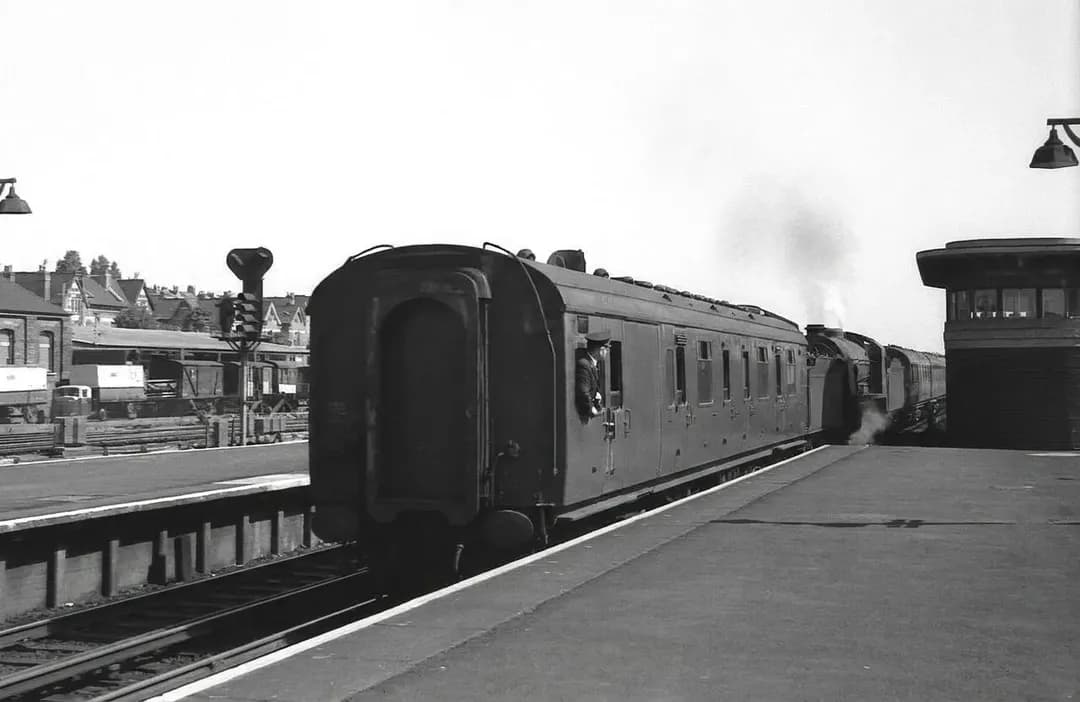
Arthur Kill Overlook
From the platform edge, the Arthur Kill stretches narrow and muscular, more working canal than scenic waterway. The view lacks the postcard shimmer of the harbor at St. George, but it holds a different appeal: industrial scale, tidal patience, the quiet choreography of freight. Across the water, New Jersey's refineries and distribution centers form a low skyline of tanks and cranes. The passage is shallow enough that large vessels move with visible caution, their wakes spreading slowly against the mudflats.
In certain light—early morning or late afternoon—the scene takes on a muted grandeur. The water turns pewter or bronze depending on cloud cover. The container ships become sculptural forms, their rust and paint catching the slant sun. It's not pretty in any conventional sense, but it's authentic in a way that much of the city's waterfront has ceased to be: a working tidal strait, ungentrified, unmediated by glass condos or riverside promenades. The platform offers a rare vantage on this infrastructure, elevated just enough to see the full sweep of the channel without obstruction.
Conference House Park Below
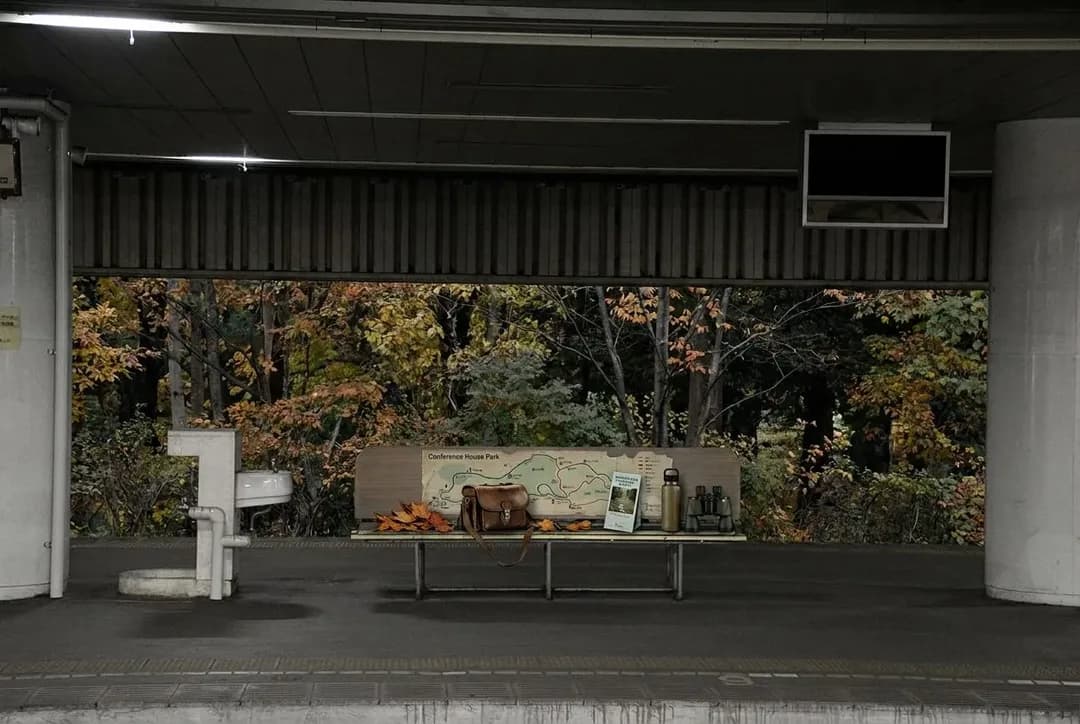
Tottenville station sits elevated above Conference House Park, a sixty-acre waterfront tract of woods, marsh, and shoreline trails. Access to Conference House Park is via nearby streets and park paths; the station does not have a direct park entrance at the platform end. The park takes its name from the 1680 stone manor house near the shore—site of a failed 1776 peace conference between Continental Congress delegates and British Admiral Howe—but the broader landscape is the real draw: kettle ponds, tidal wetlands, stands of oak and tulip poplar, and a gravelly beach facing Raritan Bay.
The terrain is uneven, the trails minimally marked, the atmosphere notably quiet for a city park. Birdsong dominates. In fall, the canopy color runs gold and rust. The beach collects driftwood and the occasional horseshoe crab shell. It's a landscape that rewards slow movement and low expectations—exactly the disposition cultivated by the train ride that delivered you here.
The Northbound Return as Journey
The Staten Island Railway uses standard MTA fare payment and offers free transfers with eligible MTA connections; the full St. George to Tottenville journey takes approximately forty-five minutes with all stops. Southbound, the trip is prelude. Northbound, it becomes the experience itself: a slow traverse of Staten Island's entire length, suburb by suburb, marsh by marsh, the train crossing tidal creeks and skirting the edges of industrial zones, residential blocks, and stretches of scrub forest that feel improbably wild for a borough of nearly half a million.
The carriage windows frame a serial landscape—part commuter corridor, part accidental greenway. Great Kills, Eltingville, Huguenot: stations named for forgotten settlements and colonial families, their platforms empty or nearly so outside rush hour. The train moves at a deliberate pace, stopping frequently, its rhythm antithetical to subway urgency. You could scroll your phone. Most passengers do. But the better option is to watch the borough unspool, to register the shifting density and vegetation, the way the island's southern reaches feel less like New York and more like some tidal hinterland borrowed from the mid-Atlantic coast.
By the time the train reaches St. George—the northern terminus and ferry connection to Manhattan—the forty-five minutes have done their work. You're back in the transit grid, rejoining the city's circulation. But the rhythm has shifted. The slow rail journey leaves a residue: a looser sense of time, a willingness to let distance accumulate without hurry.
Why Go
Tottenville offers no marquee attraction, no single reason compelling enough to justify the round-trip from Manhattan on its own. The appeal is cumulative: the platform wait above the water, the park descent if you're inclined, the northbound return as an exercise in slow transit. It's an excursion for those who find satisfaction in endpoints, in watching container ships from municipal infrastructure, in riding a single rail line to its conclusion just to see where the city stops.
Late 2026 continues to reveal an appetite for exactly this kind of low-stakes urban exploration—trips that prioritize process over destination, that treat the journey as the point. Tottenville fits that mold neatly. It asks for ninety minutes, offers a vantage on the city's industrial margins, and returns you to the ferry terminal with nothing purchased, nothing consumed, only the accumulated texture of distance and motion and tidal light.
Practical notes
Tottenville station is at Bentley Street and Tottenville Terrace, Staten Island. Access via Staten Island Railway from St. George terminal (free transfer from Staten Island Ferry). Trains run approximately every 15-30 minutes depending on time of day; verify current schedules via MTA. Station is elevated and accessible via stairs; check MTA for elevator status. Conference House Park entrance adjacent to southern platform stairs; park hours vary seasonally. Bring water, comfortable shoes if walking the park. Restrooms available at St. George terminal. The platform is exposed to wind and weather—dress accordingly.
Tags: #TheLongWayHome #StatenIslandRailway #Tottenville #ArthurKill #SlowTravel #NYCTransit #EndOfTheLine #ConferenceHousePark #WeekendPlans #NYCExploration #OffTheBeatenPath #RailJourney #TidalViews #UrbanMargins #Fall2026
All trademarks are the property of their respective owners.
Ask Karpo for more information.
Keep reading
- Best Trick or Treating Neighborhoods Near Me: Park Slope
 Best Trick or Treating Neighborhoods Near Me: Carroll Gardens
 Best Trick or Treating Neighborhoods Near Me: West Village