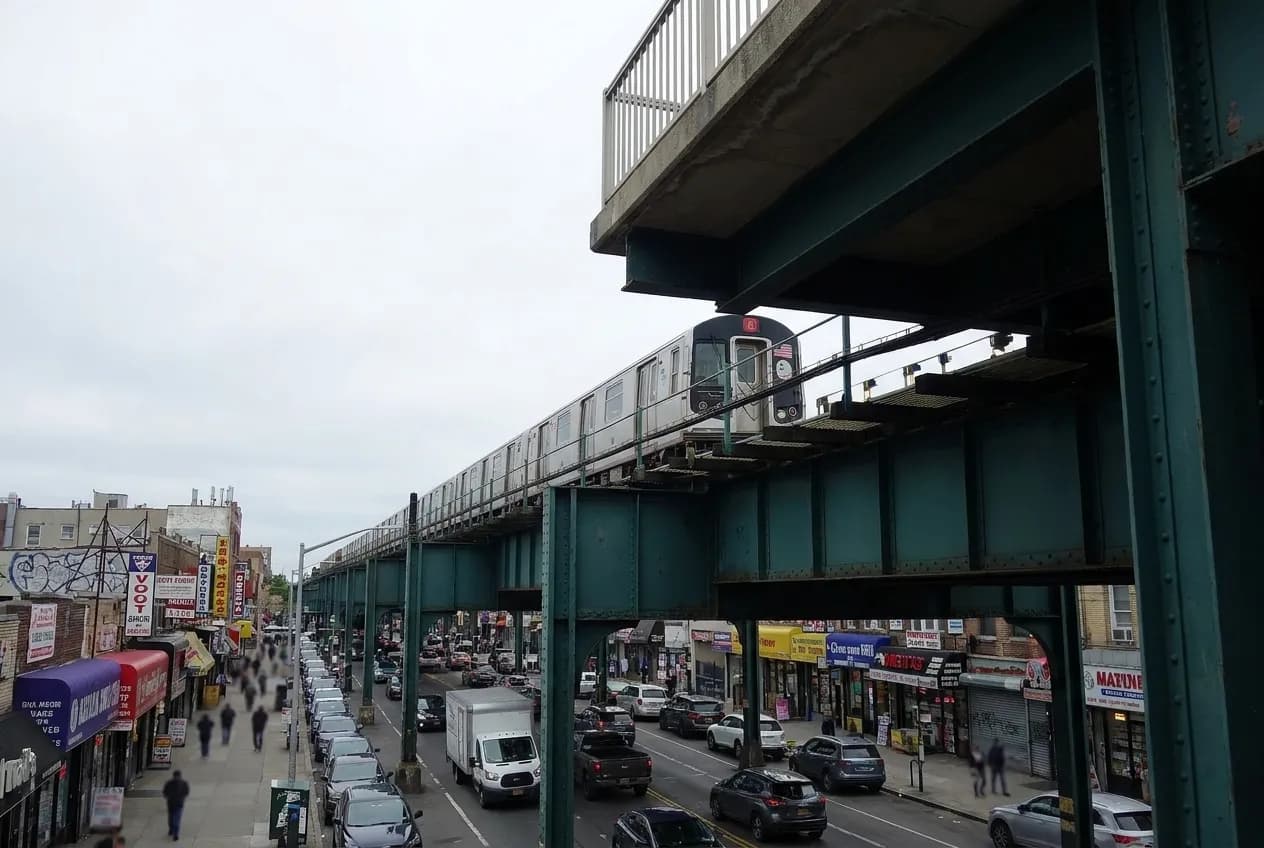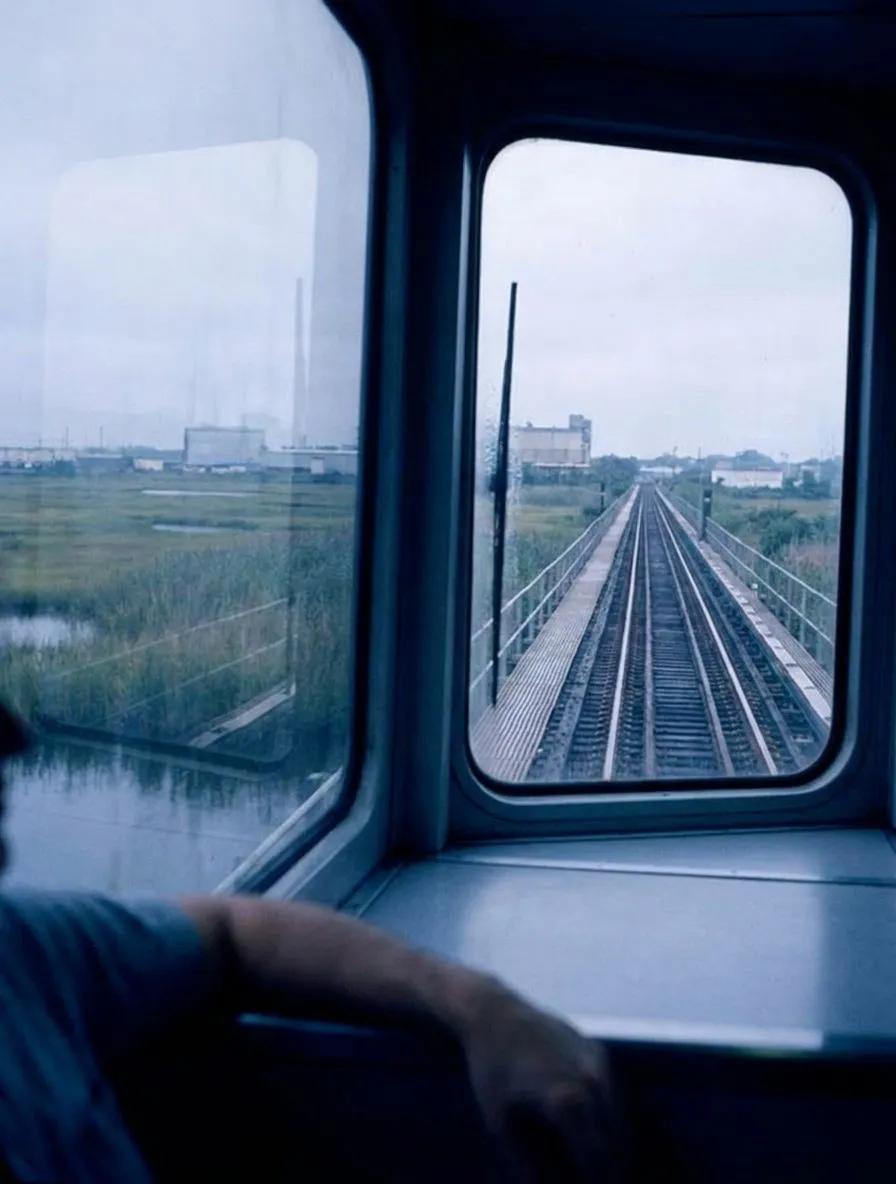
Most people treat the Staten Island Ferry as a turnaround vessel: a free ride to the Statue of Liberty and back, never setting foot on the borough itself. But step off the boat at St. George, walk into the St. George Ferry Terminal, and you'll find the least-celebrated commuter rail line in the city—a 14-mile ribbon of track that runs all the way to Tottenville, where New York ends at a tidal strait and New Jersey begins. The ride takes 45 minutes. The landscape shifts from industrial waterfront to suburban hills to cattail marshes. And if you count this among the city's free things to do, you're technically correct: the railway itself requires no fare, only the MetroCard swipe you already made to board the ferry.
Boarding at St. George
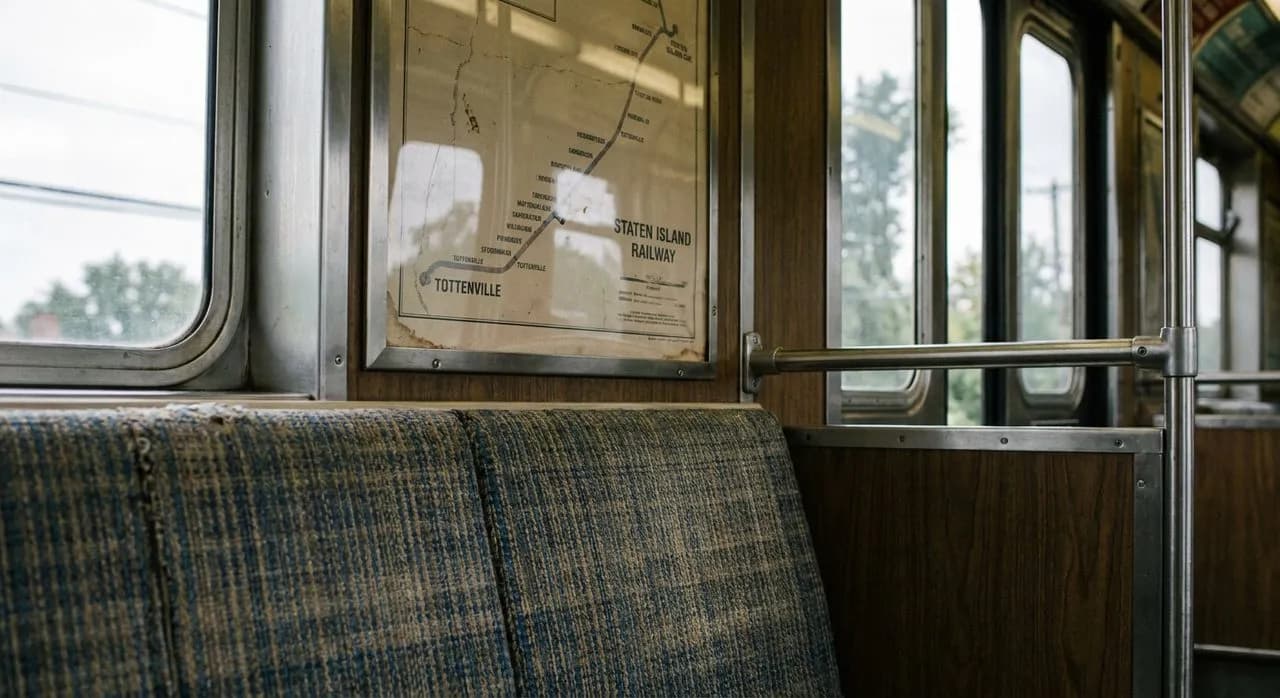
The Tottenville-bound platform is clearly marked inside the ferry terminal building, a utilitarian hall that smells faintly of diesel and salt air. Trains run frequently, with service varying by time of day and day of week—and the digital boards above the turnstiles display real-time countdowns. There's no drama here, no jostling crowds. You might share your car with a handful of commuters, a couple pushing a stroller, maybe a cyclist taking advantage of the onboard bike racks.
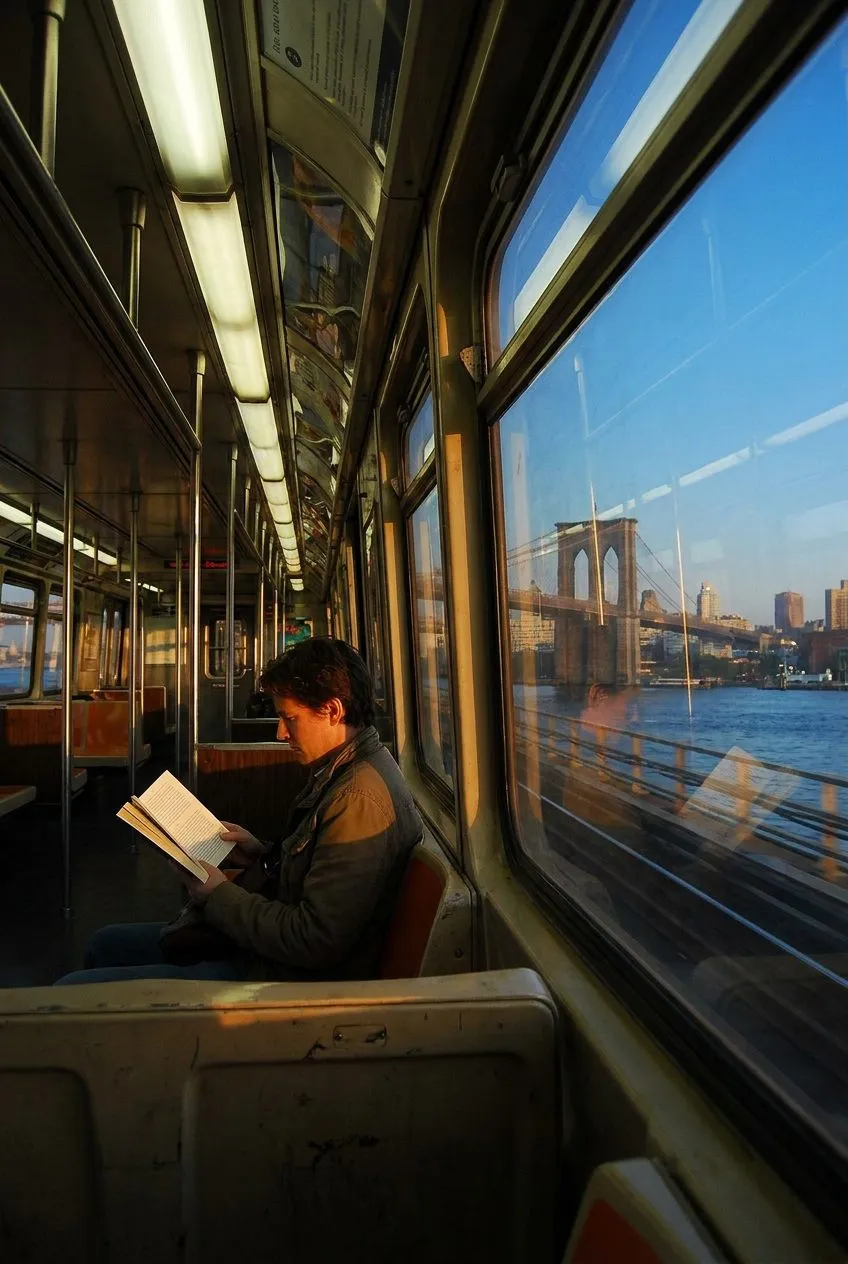
The cars themselves are clean, utilitarian, and surprisingly quiet. Grab a window seat on the right side heading south if you want the best marsh views later in the journey. The railway hugs the eastern shore of the island for much of its run, and the light in late 2026—especially on a clear summer afternoon—turns the reeds and tidal channels into ribbons of gold and silver.
The Middle Stretch: Neighborhoods and Marshland
After a quick series of stops through residential blocks—Tompkinsville, Stapleton, Clifton—the train picks up speed and the scenery begins to shift. Single-family homes give way to patches of scrub oak and phragmites. Near Great Kills Park, keep your eyes on the tree line; deer sightings are common enough here that regulars barely look up from their phones. The railway slices through wetlands managed by the Gateway National Recreation Area, a reminder that Staten Island contains more protected green space than any other borough.
The stations themselves are modest—low platforms, minimal shelters, the occasional vending machine. Some stops see only a single passenger disembark. Others, like New Dorp and Great Kills, serve as transit hubs for beach-bound families in summer. The rhythm is hypnotic: the low hum of the rails, the electronic chime before each stop, the brief hiss of opening doors. It's easy to lose track of time, which is precisely the point.
Arriving in Tottenville
The end of the line arrives without fanfare. Tottenville station is a single-platform affair with a modest shelter and a view of low-slung commercial buildings. But step outside and walk two minutes south, and you'll find yourself on Main Street—a compact, almost village-like strip where a handful of diners, bakeries, and waterfront benches offer a quiet turnaround point before the return trip. The pace here is unhurried. A pizzeria, a deli, a real-estate office. The kind of main street that feels like it could exist in any small town along the mid-Atlantic coast.
Walk another block south and you'll reach Conference House Park, where the Arthur Kill—a tidal strait separating Staten Island from New Jersey—glints in the afternoon sun. Benches line the waterfront path. On a clear day you can see the refineries and container cranes across the water, but they feel distant, almost abstract. This is the southernmost point in New York City, and it carries the peculiar stillness of an endpoint, a place where the grid finally runs out.
The Economics of the Journey
Here's the deal: the full round-trip—including both ferry crossings and the railway ride in each direction—takes roughly two and a half hours and does not require an additional fare after paying the Staten Island Ferry fare. There's no additional fare to board the train at St. George. It's one of the city's most under-publicized transportation bargains, a fact that makes the journey feel like a minor act of urban spelunking.
You won't find souvenir stands or influencer photo ops. You won't stumble upon a hidden speakeasy or a chef-driven tasting menu. What you will find is space—literal and psychological—and the rare pleasure of watching the city thin out into something quieter, greener, and slower. For affluent Manhattanites accustomed to optimizing every hour, the ride offers a different calculus: time spent in transit as an end in itself, rather than an obstacle between appointments.
What to Bring, What to Expect
Pack light. A water bottle, sunscreen if it's a bright afternoon, and a book or podcast queue for the ride. The trains are air-conditioned but not frigid. Bathrooms are available on the ferry and at certain larger stations along the route, though the Tottenville station itself is bare-bones. If you're planning to linger in Tottenville, bring cash—some of the smaller shops and diners still prefer it.
The railway runs year-round, but summer offers the best confluence of long daylight, warm weather, and accessible waterfront walks at the southern end. Late afternoon departures from Manhattan allow you to catch golden-hour light on the return ferry crossing. Accessibility varies by station; St. George and several mid-island stops are ADA-compliant, but confirm specifics on the MTA website if mobility is a concern.
Why Bother
Because sometimes the best urban adventures are the ones that feel least like adventures. Because the city rewards curiosity even—especially—when it leads you to its margins. Because riding a train to the end of the line and simply turning around is a small, quiet form of exploration that asks nothing of you except presence. You won't return with a curated Instagram grid or a new restaurant obsession. You'll return with the memory of cattails backlit by afternoon sun, the rhythmic clatter of steel on steel, and the peculiar satisfaction of having traveled 28 miles without leaving the five boroughs.
Practical notes
The Staten Island Railway runs from St. George Ferry Terminal (1 Bay St, Staten Island, NY 10301) to Tottenville. Nearest subway to the Manhattan ferry terminal: 1 train to South Ferry, or R/W to Whitehall St. The ferry itself runs 24/7; railway service operates roughly 5 a.m. to 1 a.m. daily, with reduced frequency late nights. Parking is available near the St. George terminal but unnecessary if you're coming from Manhattan. The railway is free after your ferry swipe. Check the MTA website for real-time schedules and accessibility details. Bring water, sunscreen, and comfortable shoes if you plan to walk around Tottenville.
Tags: #TheLongWayHome #StatenIslandRailway #Tottenville #NYCExploration #StatenIsland #FreeThingsToDo #SummerInNYC #UrbanAdventure #CommutingAsLeisure #NYCTransit #HiddenNYC #FerryAndTrain #EndOfTheLine #SlowTravel #CityMargins
Sources consulted: Staten Island Railway - Wikipedia · MTA Staten Island Railway · Tottenville - Wikipedia · Conference House Park · Time Out New York - Staten Island
All trademarks are the property of their respective owners.