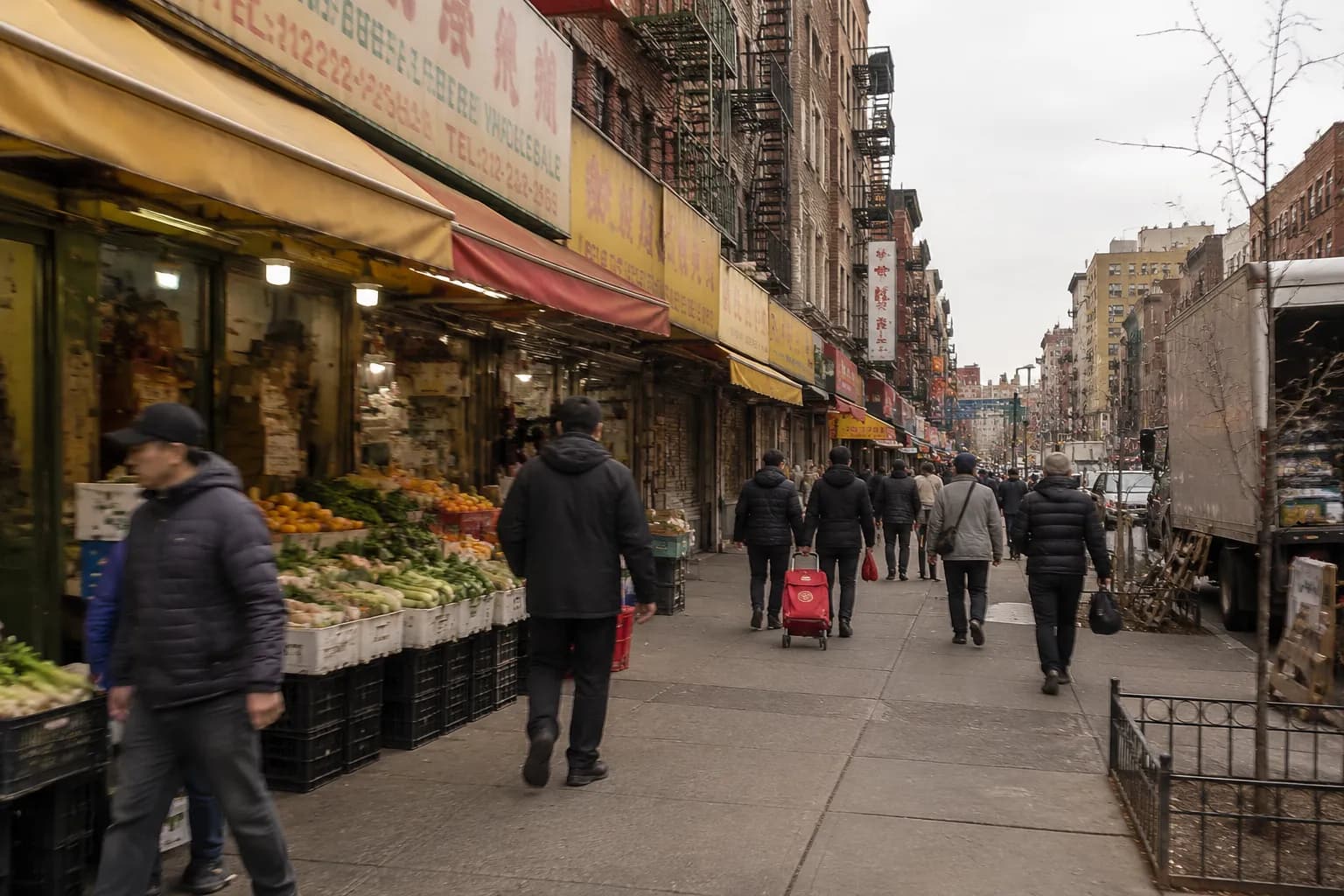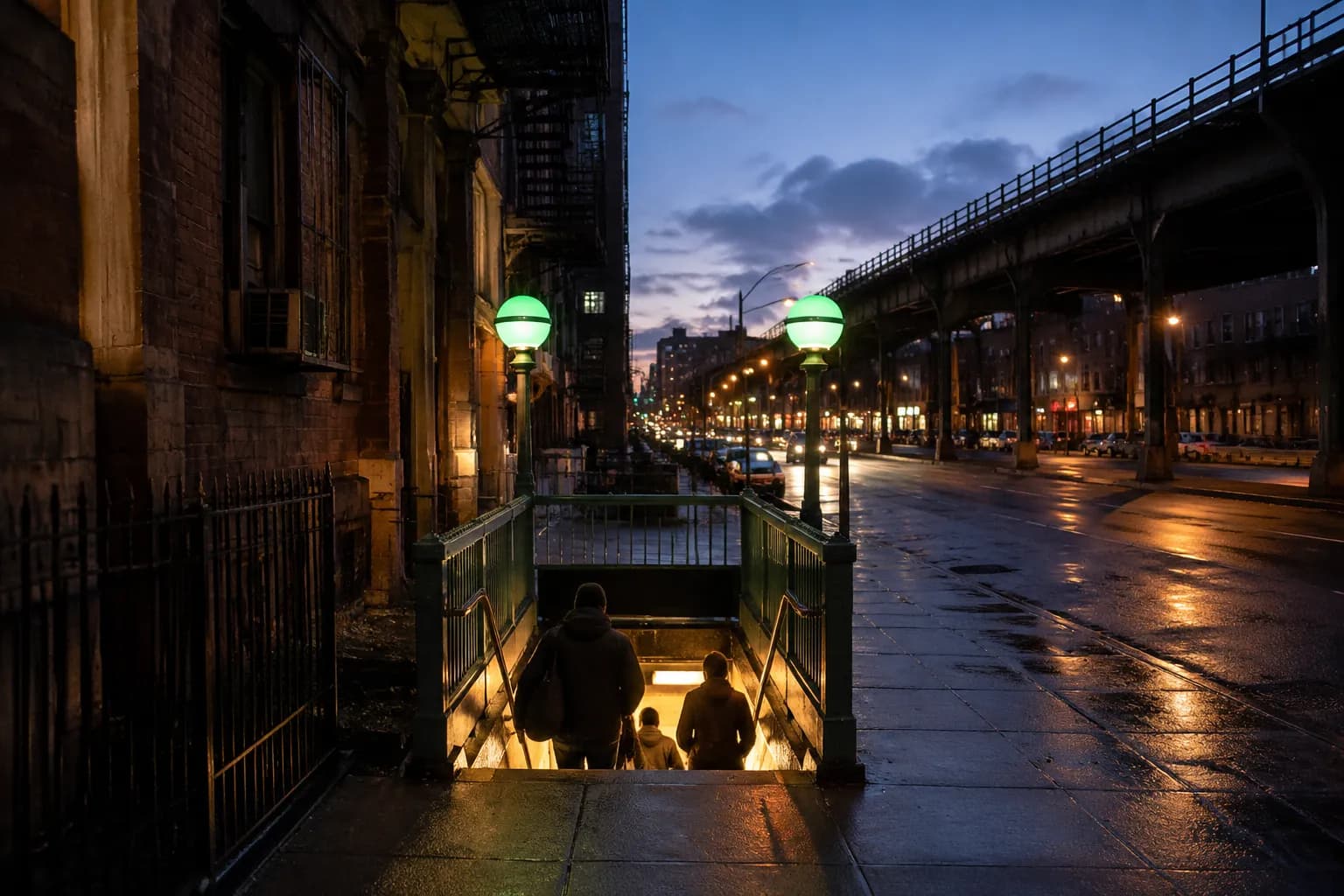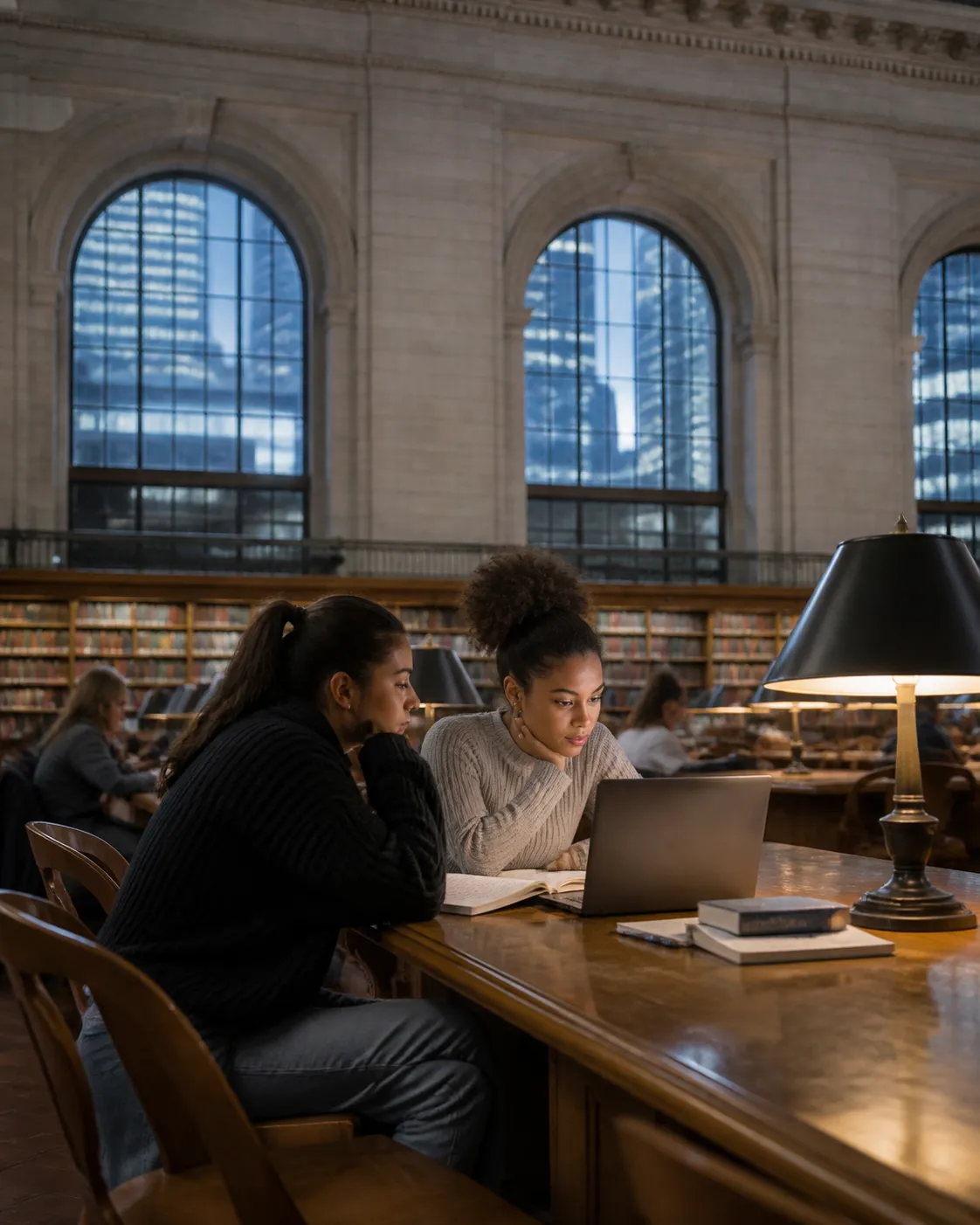
Searching spokane fires from NYC can feel strange: the story is far away, but the emotional pressure of urgent photos, clipped videos, and repeated headlines can land immediately. This free weekday afternoon route treats the phrase as a research prompt, not a reason to doom-scroll. The goal is to meet civics-minded friends at a public library, compare what you see online with official alert systems and public agency updates, and leave with a clearer sense of what is verified, what is still developing, and what is simply attention bait. Because the plan depends on public space and current services, check the library’s own site before leaving, and use the MTA’s schedules, maps, planned service changes, real-time alerts, and elevator or escalator status tools to decide whether the trip still fits your afternoon.
Tell Karpo your NYC library area, free hour, quiet preference, and research goal to shape a source-checking route for Spokane fire alerts without doom-scrolling.

Start With A Calm Search Frame
Before anyone opens a feed, agree on the purpose of the outing. You are not trying to become incident commanders from a reading table in NYC, and you are not treating every viral post as equally useful. A better frame is: what would a careful resident, traveler, donor, or concerned friend need to verify before acting? Put the exact keyword, spokane fires, on a shared note, then add three buckets beneath it: emergency instructions, public impact, and context. Anything that does not fit those buckets can wait. That simple limit keeps the afternoon focused on learning rather than refreshing, arguing, or amplifying uncertain claims.
The first decision is whether the group has the bandwidth for active disaster research today. If someone is already anxious, choose a slower version: one library stop, one official alert check, one summary conversation, then leave. If the group is energized, compare headlines, agency pages, and database results, but set a finish time before starting. The tradeoff is curiosity versus emotional overload. A weekday afternoon works because it encourages a contained session instead of an open-ended night scroll. Keep notifications low, avoid autoplay video where possible, and assign one person to record unanswered questions rather than letting every uncertainty become another search tab.

Use The Library Like A Verification Desk
A public library is useful here because it changes the pace of attention. Instead of letting an algorithm decide what feels urgent, sit with a laptop, notebook, or shared document and move through sources deliberately. Start with official alert systems and public agency updates for current safety information, then use library databases or reference tools for background on wildfire terminology, emergency communication, and regional geography. Do not assume a headline, person, venue, fundraiser, or named incident has any connection to NYC unless a source explicitly proves it. In this outing, names and news hooks are leads to verify, not facts to repeat.
Give each person a role that matches their tolerance for detail. One friend can track official emergency language, one can compare how different outlets summarize the same claim, and one can collect definitions for terms like evacuation levels, containment, smoke, or air quality without drifting into speculation. If a library database or public website is unavailable, mark that gap plainly and move on; do not fill it with guesses. The most useful output is a short, sourced note: what is confirmed, what is unconfirmed, what changed over time, and what action, if any, belongs to someone in NYC.
Plan The Free NYC Route Around Friction
Because this is a free thing to do, the route should avoid hidden costs and unnecessary movement. Pick a library location that everyone can reach comfortably, then confirm current access directly before leaving. The supplied public transit path is practical rather than decorative: the MTA site provides schedules, maps, fares and tolls information, planned service changes, real-time alerts, elevator and escalator status, and accessibility resources. Use those tools to decide whether the meeting still makes sense, especially if someone needs step-free access, is traveling after work, or has limited time between weekday obligations.
Build a small route rather than a full itinerary. Meet, research, discuss, and leave room for a nearby public-space pause if the group needs to decompress. NYC parks may have event listings, but do not rely on a specific park program unless you verify it directly before going. Restaurants are not required for the plan, but if the group wants food afterward, NYC’s ABCEats restaurant tool exists as a city health directory search point. The decision standard is simple: every added stop should reduce stress or improve the conversation. If it adds cost, travel uncertainty, or pressure to stay longer, skip it.

Separate Alerts From Commentary
The central media-literacy move is to sort information by function. Official alerts are for immediate instructions and status changes. Public agency updates are for operational context. News coverage can help explain scope, human impact, and political response. Social posts may surface firsthand signals, but they require extra caution because timing, location, and edits are easy to misread. When researching spokane fires from NYC, write each claim in plain language, then ask: who is saying this, when was it posted, what action does it imply, and does an official source support that action? If the answer is unclear, label it unresolved.
This distinction protects both accuracy and attention. Commentary often arrives faster and louder than confirmed instructions, which makes it tempting to mistake emotional intensity for reliability. A civics-minded group can handle that by pausing before sharing anything, especially donation links, dramatic images, casualty claims, or blame-heavy narratives. Verification does not mean cynicism; it means refusing to turn uncertainty into performance. If a post points to an official alert page, go to the official page directly rather than trusting a screenshot. If two sources conflict, prefer the one closest to emergency responsibility, and note the time checked.
Leave With A Shareable Civic Habit
End the outing with a compact takeaway that someone could actually use later. A good format is five lines: keyword searched, official alert channels checked, strongest confirmed facts, open questions, and what not to share yet. This makes the afternoon useful beyond the immediate topic without pretending a NYC library session can resolve a distant emergency. It also gives the group a repeatable habit for future weather, fire, transit, health, or public-safety searches. The value is not only knowing more about one wildfire story; it is learning how to slow down when the internet rewards speed.
This route fits friends who enjoy civic learning, public institutions, and low-cost afternoons more than dramatic sightseeing. It is less ideal for anyone seeking entertainment, certainty, or a fast emotional answer. The best version feels grounded: you used a public library, checked public systems, respected uncertainty, and avoided turning distant risk into background noise. Before leaving, decide whether the topic needs a follow-up or whether the healthiest action is to stop. Curiosity is useful when it leads to better judgment. When it starts feeding overload, the responsible move is to close the tabs and return another day.
Tags: #NYCfreethingstodo #medialiteracy #publiclibraries #officialalerts #civiclearning #weekdayafternoon #wildfireresearch
Sources consulted: Source 1: nycgovparks.org · Source 2: new.mta.info · Source 3: nypl.org · Source 4: a816-health.nyc.gov
All trademarks are the property of their respective owners.
Ask Karpo first
Ask Karpo to turn this NYC idea into a current plan for your date, budget, companion, transit preference, and energy level. Karpo can narrow the route and flag what to verify before you go.