The phrase spokane fires may be moving through your feed, but it should not be treated as proof of anything happening in New York City. For a free NYC day, the smarter move is to separate the search hook from the outing: use the moment as a reminder to verify every stop, then choose places that are public, low-commitment, and easy to replace if access changes. NYC Tourism points visitors toward budget-friendly attractions, free museums, live TV tapings with free tickets, festivals, city parks, and subway-accessible stories across the boroughs. That is enough to build a real plan without pretending there is a special appearance, endorsement, emergency tie-in, or guaranteed event.
Want a free NYC plan that does not collapse when a listing changes? Text Karpo before you leave and ask for a quick access, timing, transit, and backup check.

Turn current interest into a genuinely free outing
Start by treating the headline phrase as context, not a destination. If you searched spokane fires while sitting in NYC, there is no reason to assume a local program, viewing, fundraiser, celebrity visit, or public gathering exists unless an official page says so. That distinction matters because free plans often fail when people chase reposted claims instead of checking access.
NYC Tourism’s own budget-oriented material is the useful starting point here: it describes New York City as having attractions, events, and activities for little to no expense, and it points readers to free museums, TV show tapings with free tickets, free festivals, and city parks. Keep the day simple: one anchor, one nearby outdoor decompression stop, and one backup that can be reached without turning the afternoon into a scavenger hunt.
A practical free-day frame is late morning to late afternoon. Use the morning for verification, the middle of the day for the anchor, and the final leg for a flexible walk or public-space stop. Do not stack three timed items unless each one has confirmed access and a clear exit plan.
Start with public access rather than a promoted event
The safest free anchor is not a hyped listing; it is a public-facing institution or activity with a page you can check. NYC Tourism highlights a guide to Free NYC Museums, noting that listed museums, monuments, and art-filled attractions may be free today, on specific days, or at certain times during the week. That wording is important: free does not always mean free all day, every day.
Pick one museum, monument, gallery-type stop, or attraction from an official tourism or venue page, then verify the current free window before you go. If the page says registration is needed, treat the reservation as part of the cost of admission even when the ticket price is zero. If the page has changed or the free window is not available today, do not argue with the listing; switch to the backup.
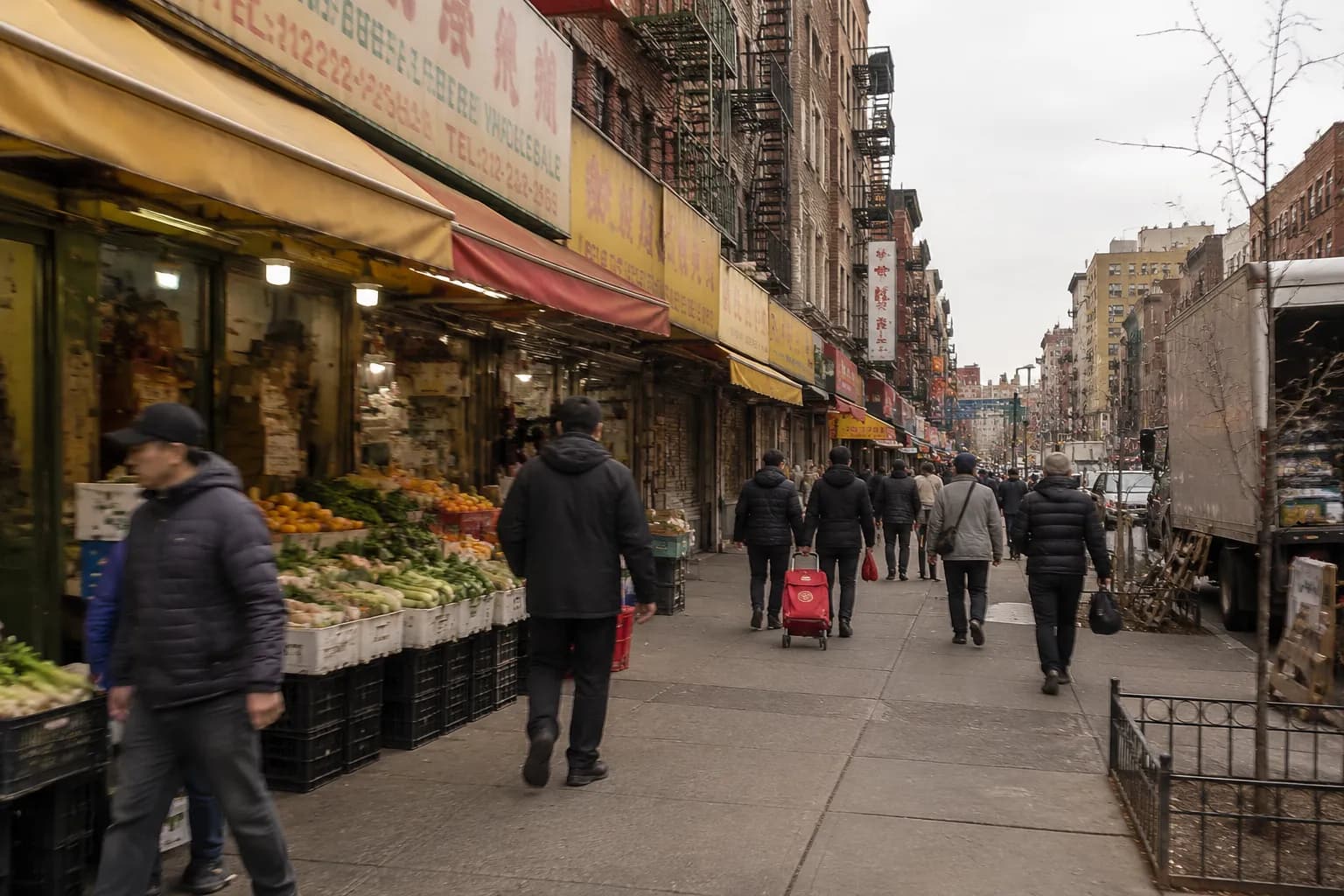
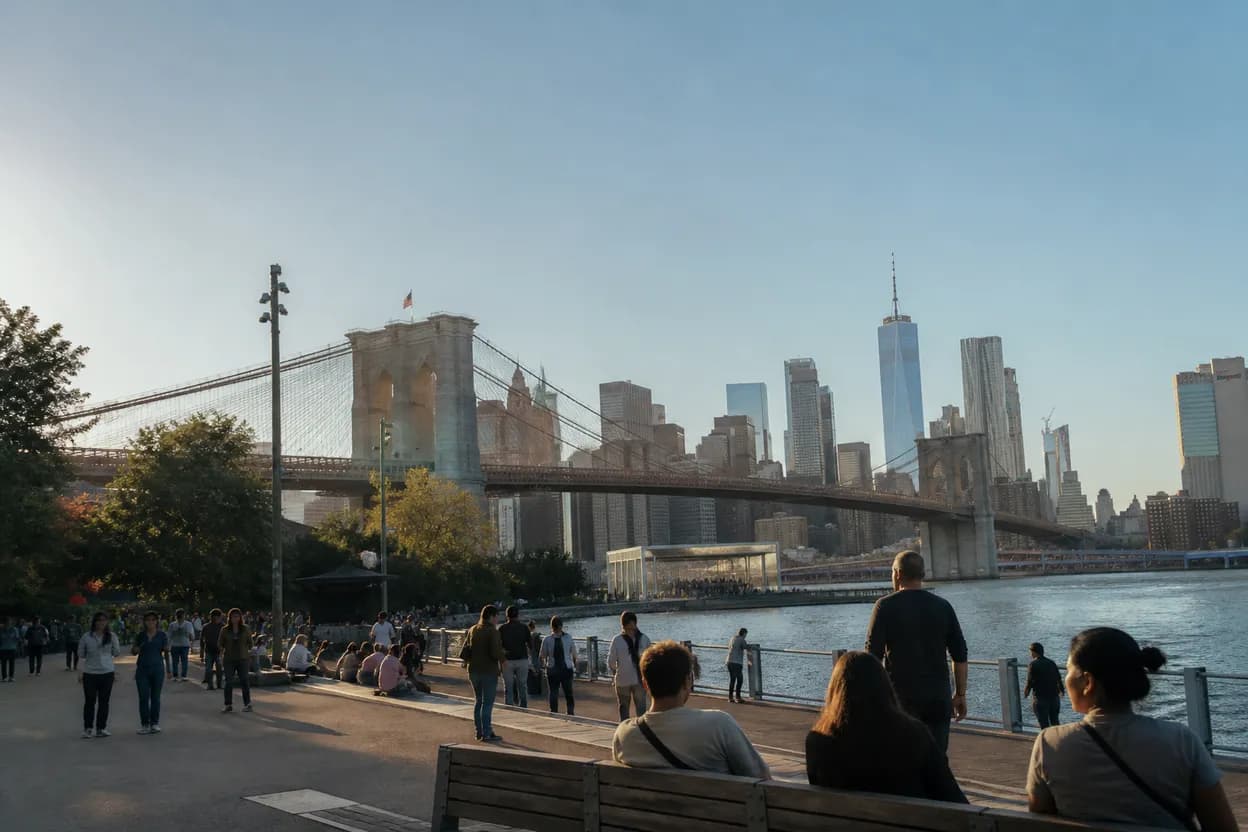
For a looser version, use NYC Tourism’s borough framework. Manhattan offers famous skyline and Central Park energy; Brooklyn is known for nightlife, cuisine, and all-ages fun; Queens has wide-ranging global food culture and scenic surf; the Bronx carries deep history, culture, baseball legacy, hip-hop roots, and Little Italy; Staten Island is described as reachable by ferry ride, with historic attractions and beach views. Choose the borough before choosing the stop.

Build a short route around one strong anchor
A verification-first route should be short enough that one closure does not ruin the day. If your anchor is a free museum window, build only one nearby add-on: a public plaza, park-adjacent walk, neighborhood landmark, or borough stroll that does not require admission. NYC Tourism’s site also points to city parks and citywide highlights, but any specific park event or facility access should be checked on the relevant official page before departure.
Here is the workable structure: confirm the anchor by 9 a.m.; leave enough time for transit and entry screening if the venue mentions it; arrive near the start of the verified free period rather than at the end; then move to the walkable add-on only if the anchor actually works. This keeps the day from depending on perfect timing.
If you want a city-history angle, NYC Tourism’s Founded By NYC material and its “From Times Square To The World” series emphasize subway-accessible stories across the boroughs. Use that as a theme, not as a promise that any specific site is open. The route can be as simple as Times Square for orientation, one verified free cultural stop, and a neighborhood walk with a confirmed return path.
Use weather and crowd pressure as decision points
Free days fail most often for ordinary reasons: heat, rain, long lines, full reservations, transit delays, or a listing that quietly changed. Build decision points before you leave. If the weather makes an outdoor walk miserable, shift the anchor indoors only if free access is confirmed. If a free indoor stop looks overcrowded or has a line that threatens your next commitment, leave before sunk-cost thinking takes over.
Crowd risk is higher when a stop is both free and easy to reach. That does not mean you should avoid it; it means you should arrive earlier in the verified window, keep the group small, and avoid making the plan depend on one narrow entry period. Families, visitors with mobility needs, and anyone on a tight schedule should be especially conservative.
The backup should be genuinely different from the first choice. If the anchor is an indoor museum window, make the backup a public outdoor walk or a borough-view route. If the anchor is a TV taping with free tickets, make the backup a no-ticket public-space plan. Do not make the backup another high-demand, registration-dependent activity unless it is already confirmed.
Know when free still requires registration
“Free” and “walk in” are not the same thing. NYC Tourism notes that live audience tickets for TV shows taped in New York City can be free, but that does not mean you can show up without following the ticket process. The same caution applies to museums and attractions with free days or free hours: some may require timed entry, reservations, or other access steps that can change.
Before committing to a taping, museum, or special activity, check the official page for ticket status, arrival instructions, age rules if posted, identification requirements if posted, and whether a ticket guarantees entry. Do not assume policies from old blog posts or social videos. If an instruction is not on the official page, treat it as unverified.
For an all-free day, registration should be the exception, not the backbone. One registered anchor can work; two registered items can turn the day brittle. If the first registration fails, you need enough unscheduled time to pivot to a verified public option rather than spending the afternoon refreshing pages.
Recheck access on the day
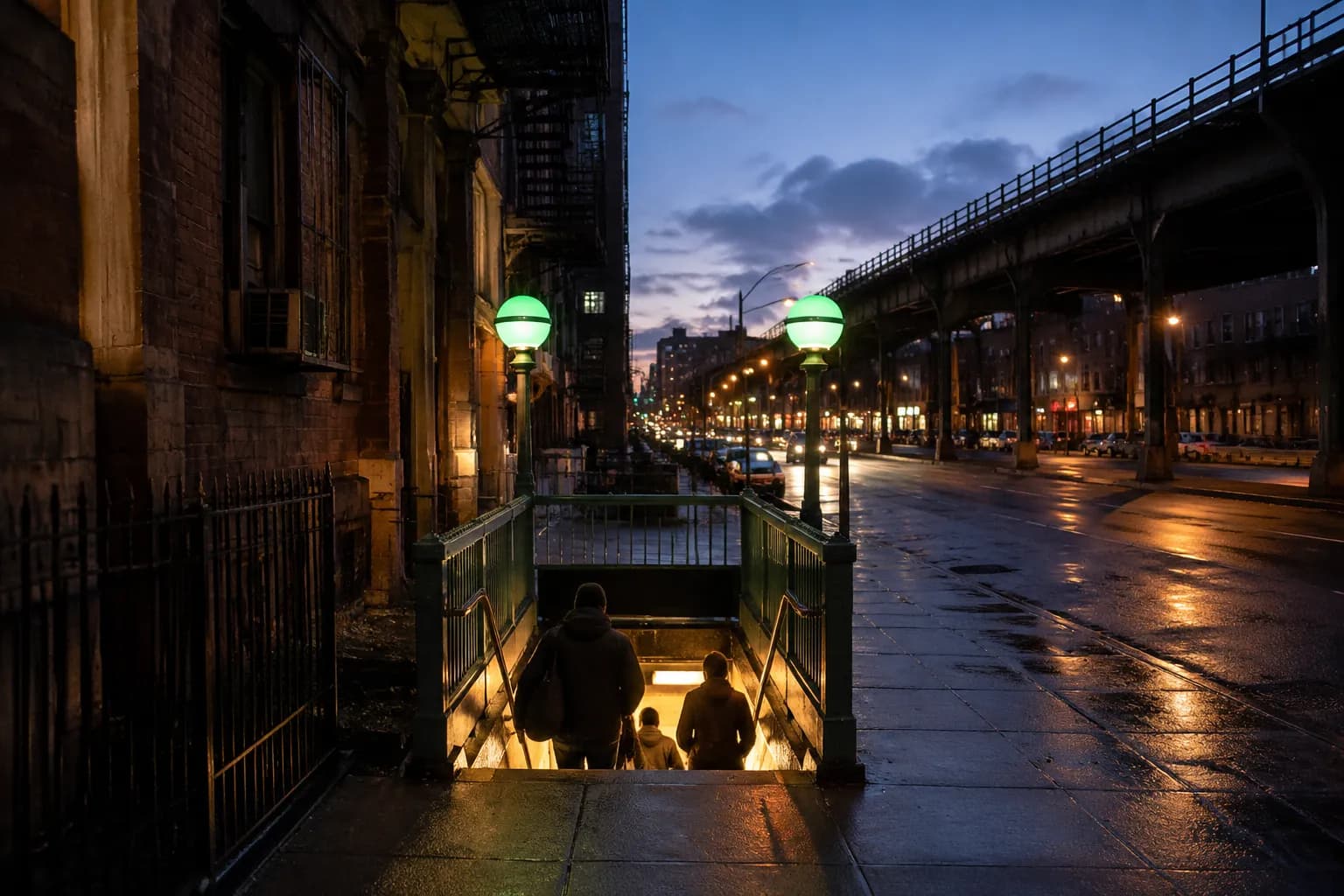
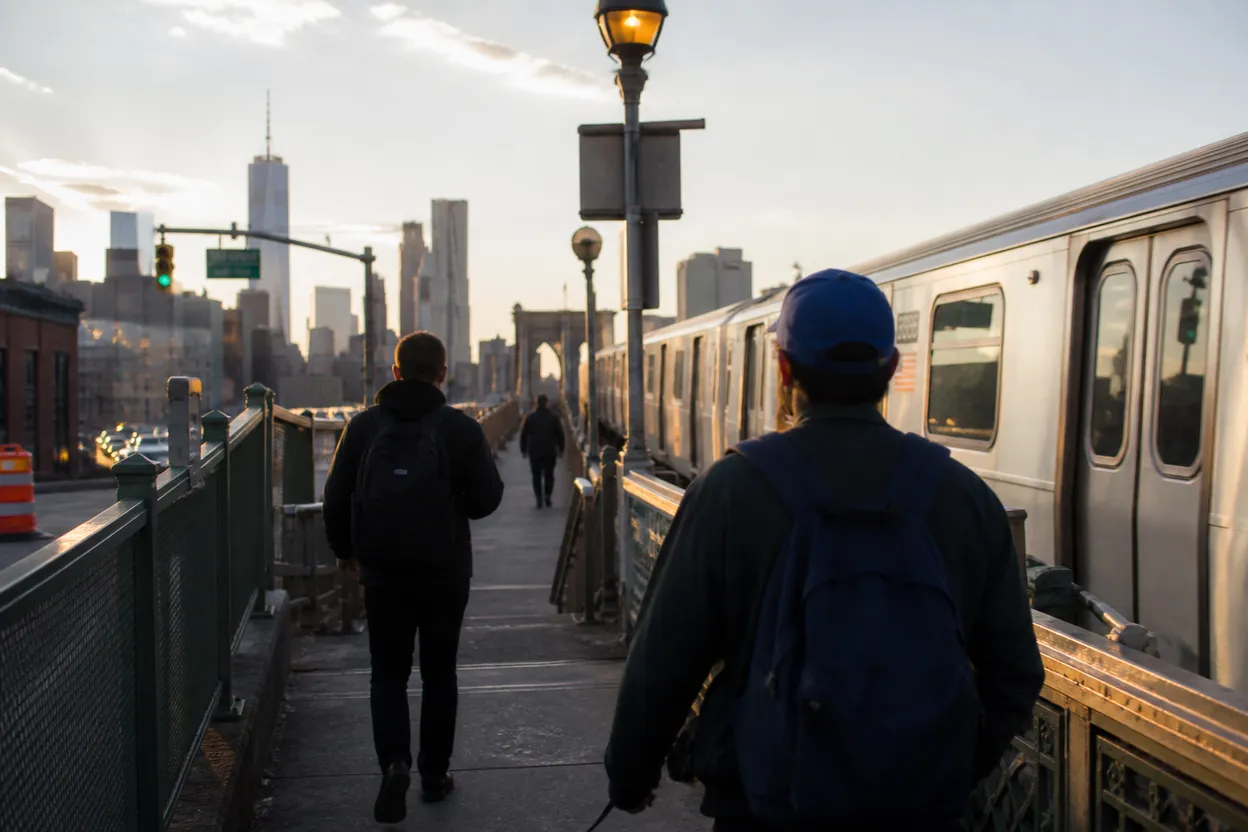
Do a same-day check in this order: official venue page, official city or tourism page, current transit information from the official transit source you use, then weather. If any one of those breaks the plan, switch early. The point is not to make the most ambitious free itinerary; it is to avoid wasting a day on outdated access.
A clean NYC free plan for today can look like this: one verified free museum, monument, TV taping, festival, park, or public borough route; one nearby public walk; one backup in a different category; and a clear time to go home. Keep screenshots of official confirmations when available, but remember that screenshots do not override current on-site instructions.
Most of all, do not let a trending phrase push you into a claim that is not supported. spokane fires can be the reason you paused to verify, but it is not evidence of a New York event. In a city with five boroughs and constant activity, the best free plan is the one you can confirm before you step onto the train.
Tags: #AskKarpo #BeforeYouGo #FreeThingsToDo #NYC #NYCOnABudget #FreeNYC #NYCMuseums #NYCParks #NYCTransit #Manhattan #Brooklyn #Queens #TheBronx #StatenIsland
Sources consulted: nyctourism.com · new.mta.info · nycgovparks.org
All trademarks are the property of their respective owners.
Ask Karpo first
Ask Karpo first if a free NYC plan depends on a timed entry, taping ticket, weather-sensitive walk, or viral claim. A quick check can separate confirmed public access from hype and give you a realistic backup before you leave.