Nestled near the northwestern edge of Pelham Bay Park, New York City’s largest park, lies Split Rock—a colossal, dome-shaped granite boulder cleaved by a prominent crevice. This impressive glacial erratic, deposited by ancient ice sheets, offers a rare opportunity to connect with deep geological time right within the urban sprawl. More than just a striking natural landmark, Split Rock is also steeped in local history, with tales linking it to Anne Hutchinson and Revolutionary War troop movements. For those seeking a focused, low-friction outing that combines geology, history, and a touch of urban exploration, this unique site provides a compelling destination often missed by casual park-goers.
Want to discover more unique geological and historical sites in NYC? Text Karpo "Split Rock" for additional curated itineraries and local insights.

The Geological Story of Split Rock
Split Rock stands as a monumental testament to the powerful forces of glacial activity that shaped the landscape of New York City thousands of years ago. This large, dome-shaped granite boulder, distinguished by its prominent crevice, is classified as a glacial erratic—a piece of rock transported by a glacier and deposited in an area with different bedrock. Its sheer size and composition are a direct result of the immense ice sheets that once covered the region, plucking and moving such formations over vast distances before melting away.
The striking split in the rock, which gives it its name, is a natural feature that invites contemplation on geological processes. While its exact formation is part of its mystique, such fissures can result from freeze-thaw cycles or tectonic stresses over geological eras. Observing Split Rock provides a tangible link to the Ice Age, offering a unique educational experience for anyone interested in the natural history embedded within the urban fabric of the Bronx.
Historical Echoes: Anne Hutchinson and Revolutionary Tales
Beyond its geological significance, Split Rock is woven into the historical mix of the Bronx. Local storytelling, as reported by Clio, associates the rock with Anne Hutchinson, a prominent figure in early American religious dissent. Lore suggests that Hutchinson may have sought refuge near or at this very rock in 1643, before her fateful encounter with the Siwanoy people. This narrative, whether fully historical or folklore, adds a layer of human drama and early colonial history to the site, connecting the natural landmark to pivotal moments in the region's past.
The area around Split Rock also holds significance from the Revolutionary War era. Local histories connect Split Rock Road, which passes near the boulder, to troop movements and defensive strategies employed to protect the Bronx shoreline. Exploring this site means walking a landscape that witnessed crucial military maneuvers, offering a unique perspective on how the physical geography of the area influenced historical events. The convergence of deep geology and early American history at one spot makes Split Rock an unusually rich destination for history buffs.
Navigating Pelham Bay Park to Split Rock
Pelham Bay Park, as New York City’s largest park, offers a vast expanse for exploration, but finding Split Rock requires specific navigation. The large glacial boulder is situated near the park’s northwestern edge, in close proximity to the New England Thruway and Hutchinson River Parkway. This positioning means that while it's within the park, its immediate surroundings are influenced by major transportation infrastructure, offering a blend of natural and urban-edge environments.
The most direct access point to the Split Rock trail, according to NYC Parks, begins outside the main park boundary near the intersection of Eastchester Place and Huguenot Avenue. This specific trailhead is crucial for those attempting a self-guided visit, as searching within the park's core for a direct path to the rock may prove challenging. The trail itself is quite short, listed at approximately 0.32 miles, making the approach more about precise access than a long trek.
The Challenge of Self-Guided Access
While NYC Parks lists a trail leading to Split Rock, the Friends of Pelham Bay Park caution that the route for self-guided visitors is currently very difficult to access. This means that simply showing up at the described trailhead near Eastchester Place and Huguenot Avenue might not guarantee a straightforward path to the boulder itself. The area's proximity to major roadways and the nature of the terrain can make independent navigation complex for those unfamiliar with the specific conditions.
For the most reliable and perhaps safest way to get close to Split Rock, the Friends of Pelham Bay Park specifically recommend joining an Urban Park Rangers hike. These guided excursions not only provide expert navigation through challenging terrain but also offer interpretive insights into the geology and history of the site. This advice suggests that a planned, guided visit might be significantly more rewarding than an impromptu solo attempt for those prioritizing close access to the boulder.
A Short Hike with Significant Rewards
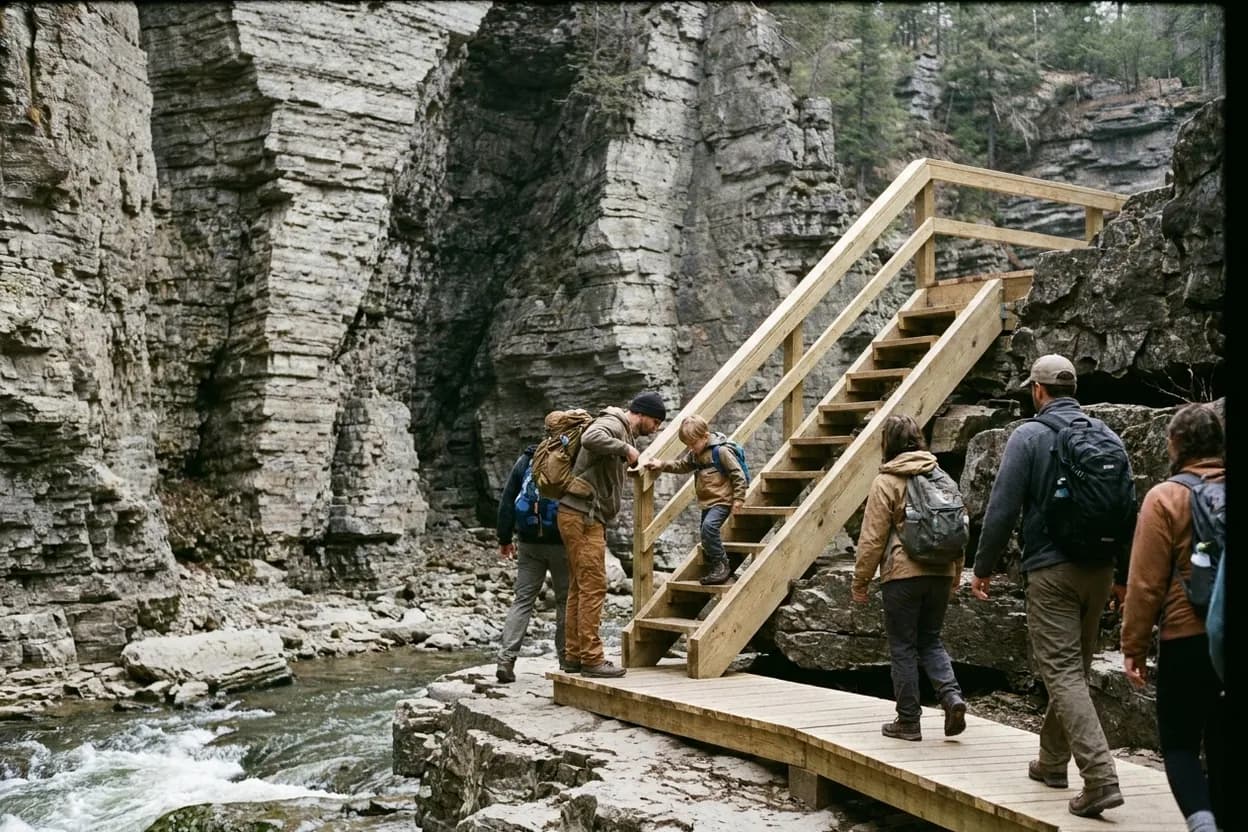
The Split Rock trail is remarkably short, spanning about 0.32 miles according to NYC Parks. This brevity means that the experience is less about endurance hiking and more about reaching a specific, significant landmark. The approach to the rock is designed to be a focused visit, allowing ample time for observation of the geological features and contemplation of the historical narratives without requiring a full day's commitment to a long hike.
Despite its short length, the rewards of visiting Split Rock are substantial. The opportunity to witness a massive glacial erratic, a tangible piece of geological history, combined with the layers of historical storytelling—from Anne Hutchinson to Revolutionary-era troop movements—offers a rich, multi-faceted experience. This makes Split Rock an ideal destination for those seeking a concentrated dose of nature and history without an extensive time investment.
Beyond the Boulder: Surrounding Natural Areas
While Split Rock is a focal point, its location within Pelham Bay Park means it is surrounded by a rich natural environment that enhances the visit. The immediate vicinity includes the Thomas Pell Wildlife Sanctuary, a designated area established on October 11, 1967. This sanctuary plays a crucial role in preserving the natural wetlands within Pelham Bay Park, offering a glimpse into the diverse ecosystems of the Bronx.
Exploring the area around Split Rock can extend the experience beyond just the boulder itself. The contrast between the ancient geology of the rock and the vibrant, protected wetlands of the sanctuary highlights the ecological significance of Pelham Bay Park. This wider context provides an opportunity for birdwatching or simply appreciating the preserved natural beauty of one of New York City's most vital green spaces, making the journey to Split Rock part of a larger natural exploration.
Practical notes for Split Rock
When planning your visit to Split Rock, it's important to remember that while the trail is short (0.32 miles), reported access can be challenging. The trailhead is located near the corner of Eastchester Place and Huguenot Avenue, outside the main park interior. For the most assured access and a deeper understanding of the site, consider joining an Urban Park Rangers hike, as recommended by the Friends of Pelham Bay Park. This is particularly relevant as public close-up access to the rock for self-guided visitors is not consistently clear in official reports.
Before heading out, always verify current access conditions, any potential seasonal closures, or changes to guided tour schedules. While there are no confirmed hours, fees, or reservation requirements for Split Rock itself, the nature of the terrain and its proximity to major highways mean conditions can vary. Check the official NYC Parks website or the Friends of Pelham Bay Park website for the most up-to-date information to ensure a smooth and enjoyable visit. #BeforeYouGo
Tags: #PelhamBayPark #SplitRock #Bronx #NYCGeology #GlacialErratic #AnneHutchinson #RevolutionaryWarHistory #HiddenGemsNYC #UrbanExploration #NYCParks #ThomasPellWildlifeSanctuary #HikingNYC #AskKarpo #BeforeYouGo
Sources consulted: Source 1: nycgovparks.org · Source 2: pelhambaypark.org · Source 3: en.wikipedia.org · Source 4: theclio.com · Source 5: ossininghistoryontherun.com · Source 6: nyc.com · Source 7: hmdb.org
All trademarks are the property of their respective owners.
Ask Karpo first
Tell Karpo your date, group size, budget, and starting neighborhood. We’ll check current access, timing, transit, and the cleanest plan for Split Rock before you head out.