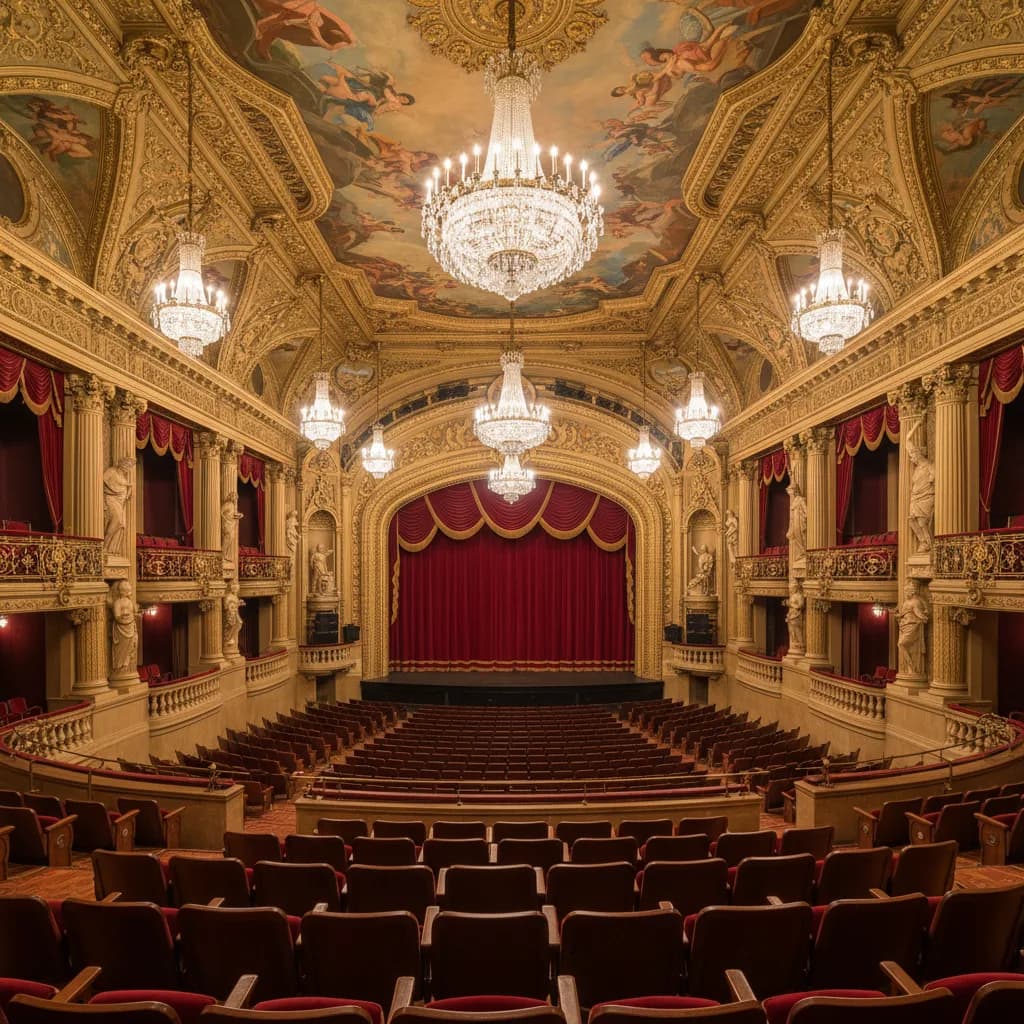
 Kings Theatre in Flatbush: A Restored 1929 Movie Palace
Hidden Gems & Odd Finds
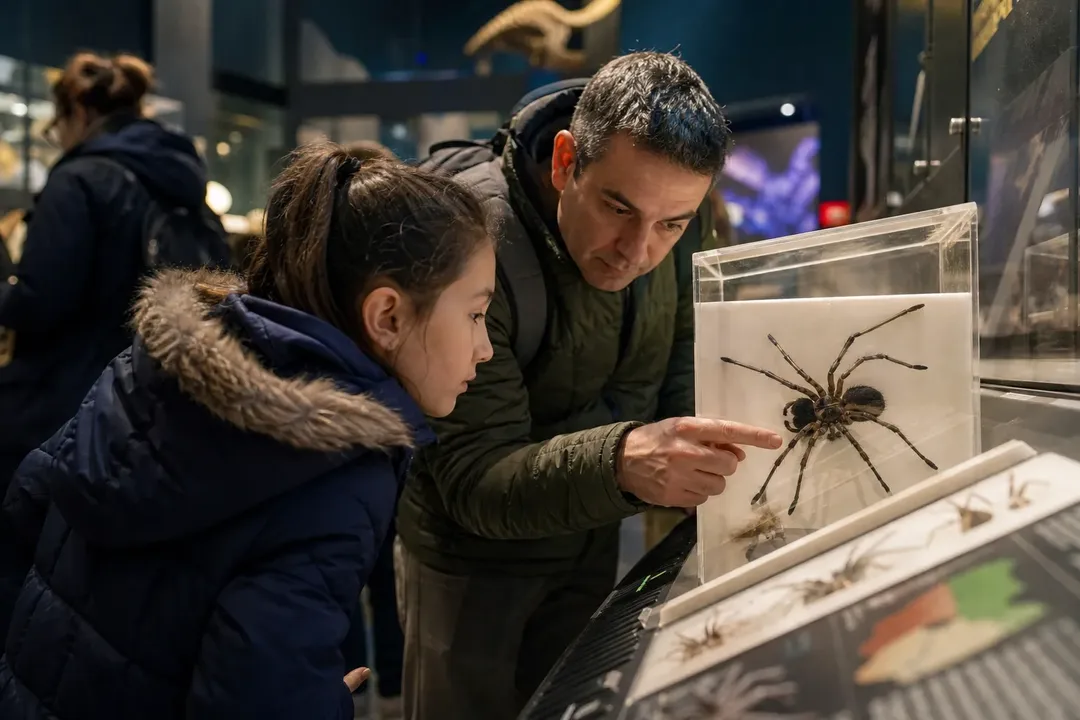
Spider Bite Identification Context: NYC Hidden Natural History Museum Arachnid Education Exhibits
A weekend afternoon route for curious NYC residents who want calmer context before spiraling through spider bite search results. Use museum learning, garden pest education leads, library reference help, and MTA checks to turn a scary question into a practical identification plan.
A sudden red mark can send anyone searching spider bite photos, but NYC is a better place to slow down than to guess from a screen. This educational route is built for a solo resident with a curious streak, a free weekend afternoon, and low appetite for internet panic. It uses public-facing knowledge spaces as anchors: the American Museum of Natural History as a natural-history starting point, Brooklyn Botanic Garden as a pest-education lead to verify, and public library reference desks as a way to compare field guides, databases, and local nature books. The goal is not self-diagnosis or a medical promise. It is to learn what details matter, what claims need checking, and when a bite concern belongs with a qualified health professional instead of a search result.
Text Karpo whether you're researching for a school project, actual concern, or general curiosity, and your preferred borough—we'll send you the closest free spider identification resource, one nature education workshop this month, and a backup library with field guide collections if museums are too crowded.
Start With Evidence, Not Images
The useful first move is to separate the mark on your skin from the story you are building around it. A spider bite search often returns dramatic photos, but photos alone rarely tell you what happened, when it happened, or whether a spider was involved at all. Before leaving home, write down the time you noticed the mark, where you were, whether you saw an insect or arachnid, and whether the area is changing. If symptoms feel urgent, skip the educational route and contact medical care or emergency services.
For a low-pressure weekend afternoon, bring the question as a natural-history puzzle rather than a diagnosis request. The American Museum of Natural History is the right kind of starting point because it frames animals in ecosystems, anatomy, adaptation, and identification habits. Your task is to look for how experts compare body shape, habitat, behavior, and geographic range. That is more useful than memorizing one frightening image. If a current exhibit, hall, or program page is needed, verify it directly before going instead of assuming availability from old posts.
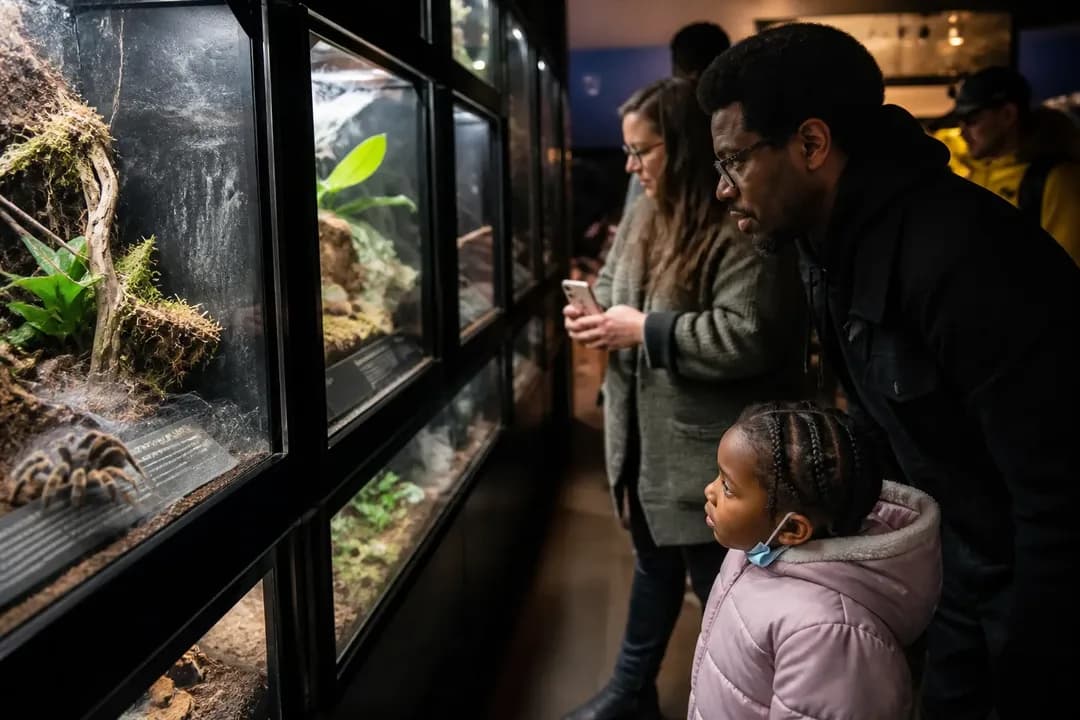
Use The Museum Like A Field Guide
Inside a museum context, the better question is not, “Which spider bit me?” It is, “What would make a spider identification credible?” Look for labels, specimens, diagrams, and educational materials that show body segmentation, legs, eyes, webs, and hunting behavior. Pay attention to how carefully names are assigned. A museum habit of comparison helps you resist the common online shortcut where any unexplained mark becomes a spider bite. That shift alone can prevent bad decisions, especially when the original spider was never seen.
The tradeoff is that a museum visit gives context, not a personal health answer. That is still valuable. You can leave with a short checklist: Was there a witnessed spider? Was the spider preserved or photographed clearly? Was the setting indoors, in storage, in bedding, in a garden, or near clutter? Does the suspected species actually match NYC conditions? These questions make a later conversation with a clinician, librarian, or educator sharper. They also make it easier to ignore viral claims that use shock value instead of evidence.
Add Garden Knowledge Without Guessing
Brooklyn Botanic Garden is a useful second anchor because garden education can shift attention from fear to ecology. Even when you are focused on a skin mark, the surrounding environment matters: soil, leaf litter, planters, basements, window wells, and seasonal pest activity can all shape what people notice. Do not assume a workshop is happening on your chosen afternoon. Treat pest education programs as something to verify through the garden’s official channels, then decide whether the trip fits your schedule and the question you are trying to answer.
If there is no suitable program, the garden still gives you a mental model. A naturalist approach asks what animals live around plants, what they eat, how they avoid people, and how accidental contact happens. That context is especially helpful for apartment dwellers who see one spider and imagine an infestation. The practical outcome is a cleaner set of next steps: photograph the spider if present, avoid crushing details needed for identification, reduce clutter where appropriate, and separate household pest questions from medical symptom questions.
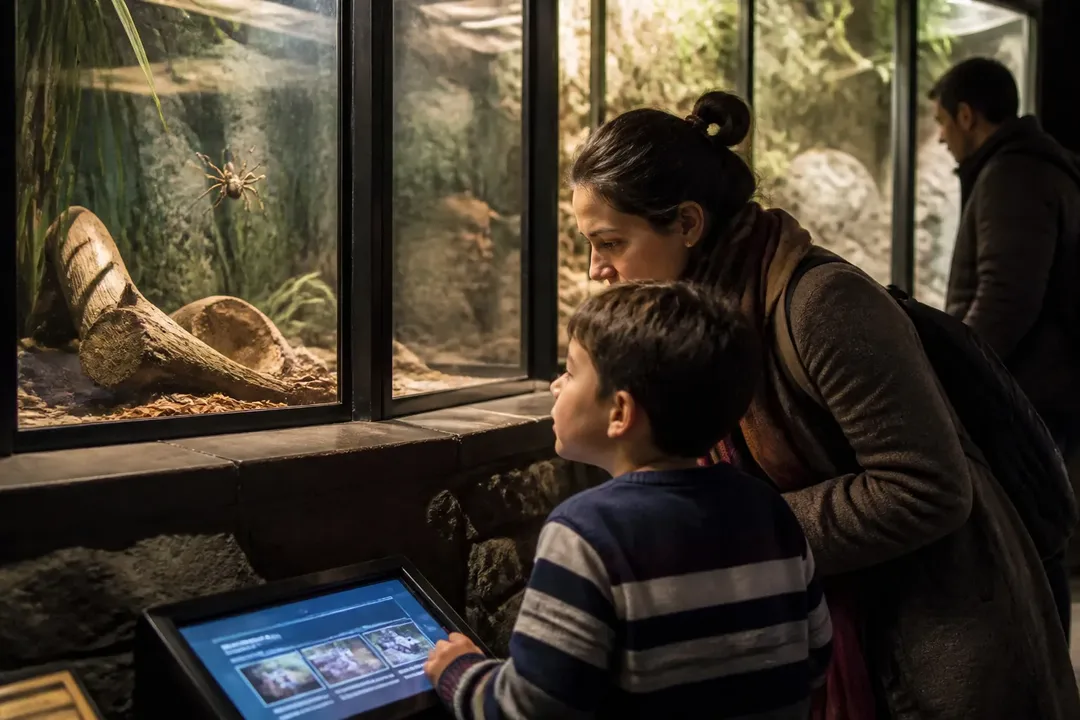
Let Librarians Slow The Search
A public library reference desk can be the quietest stop on this route. Because the NYPL events page could not be verified from the supplied extract, do not build the afternoon around a specific library event unless you confirm it directly. Instead, use the library as a research checkpoint. Ask for nature guides, local ecology books, database access, or help finding reliable public-health information. A librarian can help you compare sources without treating every search result as equally credible.
This is where the spider bite question becomes less emotional and more structured. You can compare field guides with public-health pages, note which sources distinguish bites from rashes or infections, and save only the sources that explain uncertainty clearly. The right library outcome is not a dramatic answer. It is a small evidence folder: your notes, any clear photo, a list of observed symptoms, and a few reliable references. That gives you something concrete to bring to a professional if the mark worsens or if anxiety keeps escalating.
Plan The Route Around Real-Time Friction
Keep the route simple: one main knowledge stop, one optional second stop, then a library or home review. The MTA’s official site lists trip-planning tools including schedules, maps, fares and tolls, planned service changes, elevator and escalator status, accessibility information, Access-A-Ride, and service alerts. Use those checks before leaving, especially on a weekend afternoon when planned work can change a route. If accessibility matters, check elevator and escalator status rather than assuming a station transfer will work smoothly.
This plan fits solo residents who want an educational route, not a packed sightseeing day. It also works for people who calm down by replacing vague fear with verified steps. The main decision is whether your concern is primarily health, household pest control, or natural-history curiosity. Health concerns go to qualified care. Pest questions go to building management, local guidance, or verified education programs. Curiosity can go to museums, gardens, and libraries. Keeping those lanes separate is the most useful thing this NYC route can teach.
Tags: #NYC #HiddenGemsOddFinds #NaturalHistory #EducationalRoute #WeekendAfternoon #SoloNYC
Sources consulted: Source 1: nycgovparks.org · Source 2: new.mta.info · Source 3: nypl.org · Source 4: a816-health.nyc.gov
All trademarks are the property of their respective owners.
Ask Karpo first
Ask Karpo to turn this NYC idea into a current plan for your date, budget, companion, transit preference, and energy level. Karpo can narrow the route and flag what to verify before you go.
Ask Karpo for more information.
Keep reading
- Kings Theatre in Flatbush: A Restored 1929 Movie Palace
 Chambers Street Wines: Manhattan's Natural Wine Pioneer
 Mediterranean Food Near Me in NoMad: Ilili's Crispy Brussels Sprouts