The Financial District after dark has always been a study in contrasts—towers that hum with capital by day, streets that empty by seven. But lately, the neighborhood's speakeasy bars have turned that vacancy into theater. Behind unmarked doors and beneath sidewalk grates, a cluster of venues is leaning hard into Prohibition nostalgia, complete with password prompts, bartenders in period suspenders, and cocktail menus that arrive as coded telegrams. It's unabashedly gimmicky, and by summer 2026, that's precisely the point. If you're rolling your eyes, you're not the audience.
The appeal of the unmarked door
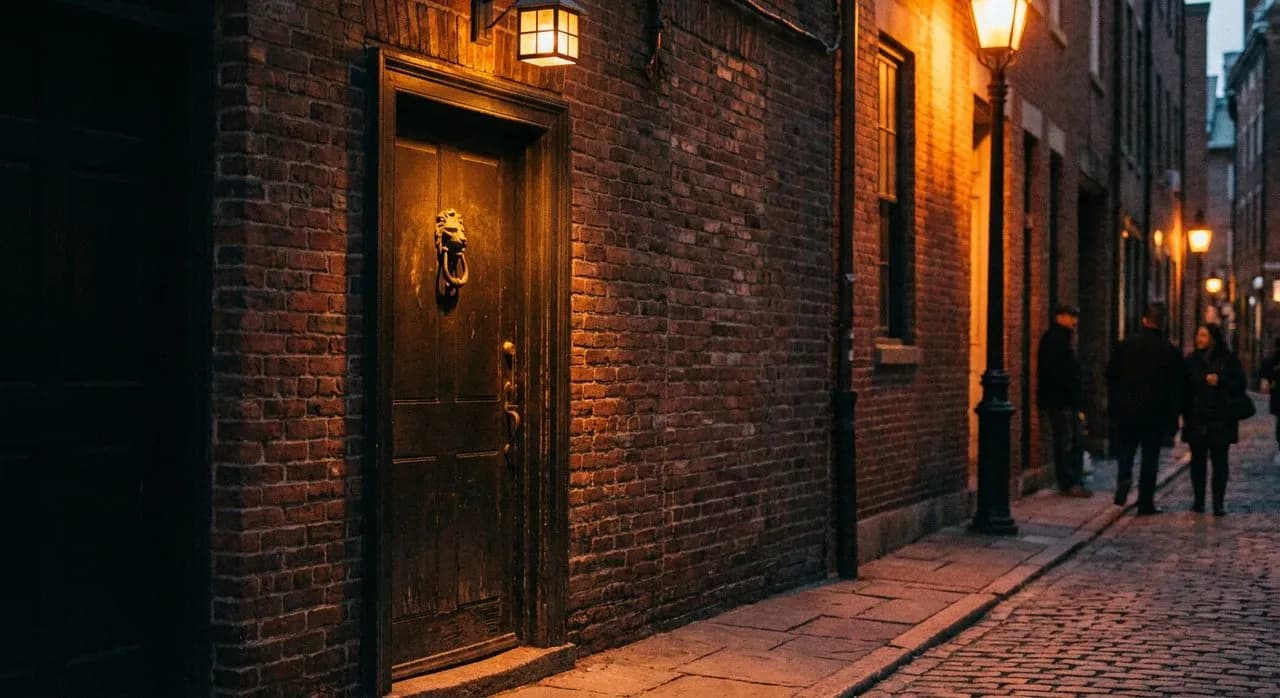
There's a particular thrill to walking past a storefront three times before spotting the brass bell or the faded lettering that signals you've arrived. The Financial District's speakeasy revival banks on that moment of discovery—the pause, the second-guess, the slight foolishness of whispering a password to a host who's heard it forty times that night. It's participatory theater, and the venues that pull it off understand that the entrance is half the experience.
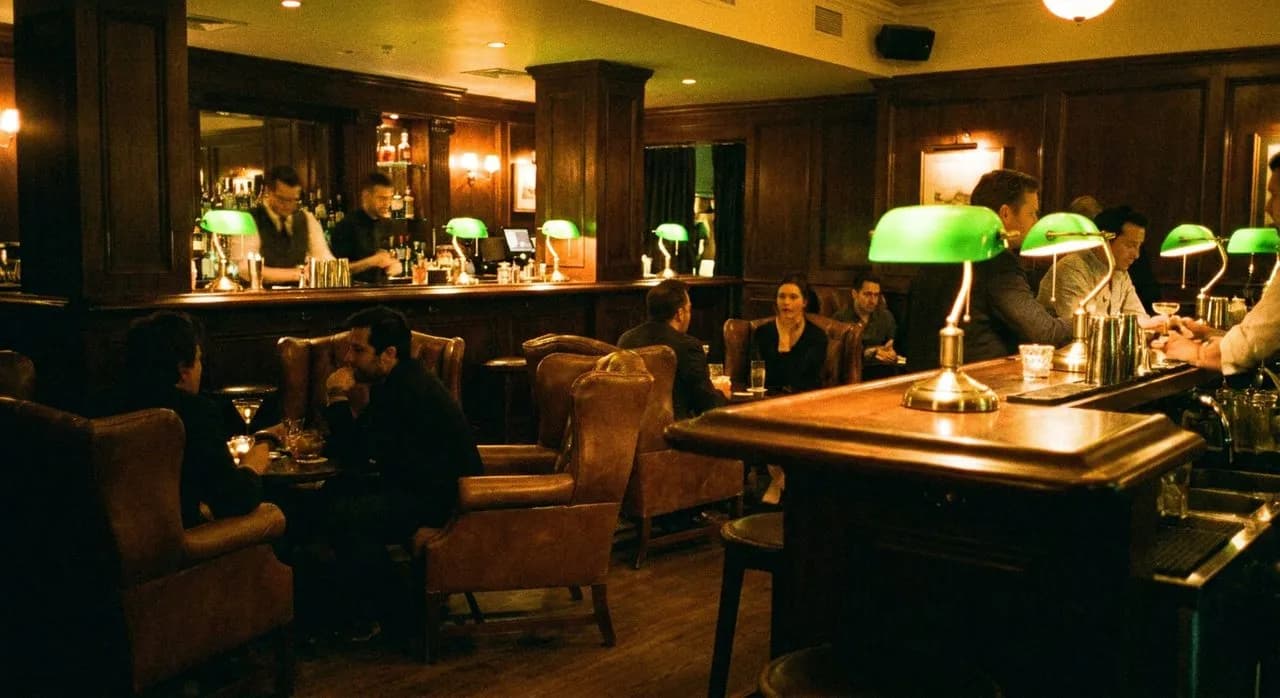
Inside, the formula is consistent: low light, exposed brick or dark wood paneling, seating that encourages lingering. Velvet booths line the walls. Candlelight flickers against tin ceilings. The soundtrack hovers somewhere between Django Reinhardt and ambient murmur. These spaces are designed to feel discovered, even when they're packed on a Thursday. The romance is in the staging, and if you're willing to suspend disbelief for two hours, the illusion mostly holds.
Teacups, bathtub gin, and the art of the serve
At The Back Room, a Lower East Side speakeasy behind an unmarked door, the bartenders serve their so-called bathtub gin cocktails in mismatched china teacups, a nod to the Prohibition habit of disguising liquor as something benign. The glassware itself has become part of the ritual—some regulars swear certain cups taste better, others claim the chips and cracks add character. Here's the insider move: if you're handed the chipped blue cup, your next drink is half price. It's a small reward for luck or repeat visits, and it turns the ceramic lottery into its own kind of game.
The teacup gimmick shouldn't work—it's twee, it's impractical for anything over two ounces—but it does. There's something about cradling porcelain in a dim room that makes you slow down, sip instead of gulp. The drinks themselves tend toward the citrus-forward and the botanical, lighter pours that suit the pretense. You're not here to get drunk; you're here to feel like you're getting away with something.
Private menus and corner tables
Some venues take the exclusivity a step further, layering access within access. At Dead Rabbit's parlor level—the upstairs space that trades the ground-floor bar's bustle for something quieter—regulars can request the Tammany Hall area or a special seating option, subject to availability, drinks that don't appear on the standard list. The booth itself is nothing extraordinary, just tufted leather and a good sightline, but the ritual of requesting it by name, of being granted entry to a smaller circle, feeds the speakeasy mythology.
This kind of tiered experience is spreading across the Financial District's bar scene. It's not enough to find the hidden door; now there are hidden menus, secret hours, gestures and phrases that unlock a second layer. It can feel precious, even absurd, but it also creates a sense of insider knowledge that makes regulars feel genuinely invested. You're not just a customer; you're in on something.
The pharmacist's special and the early-bird advantage
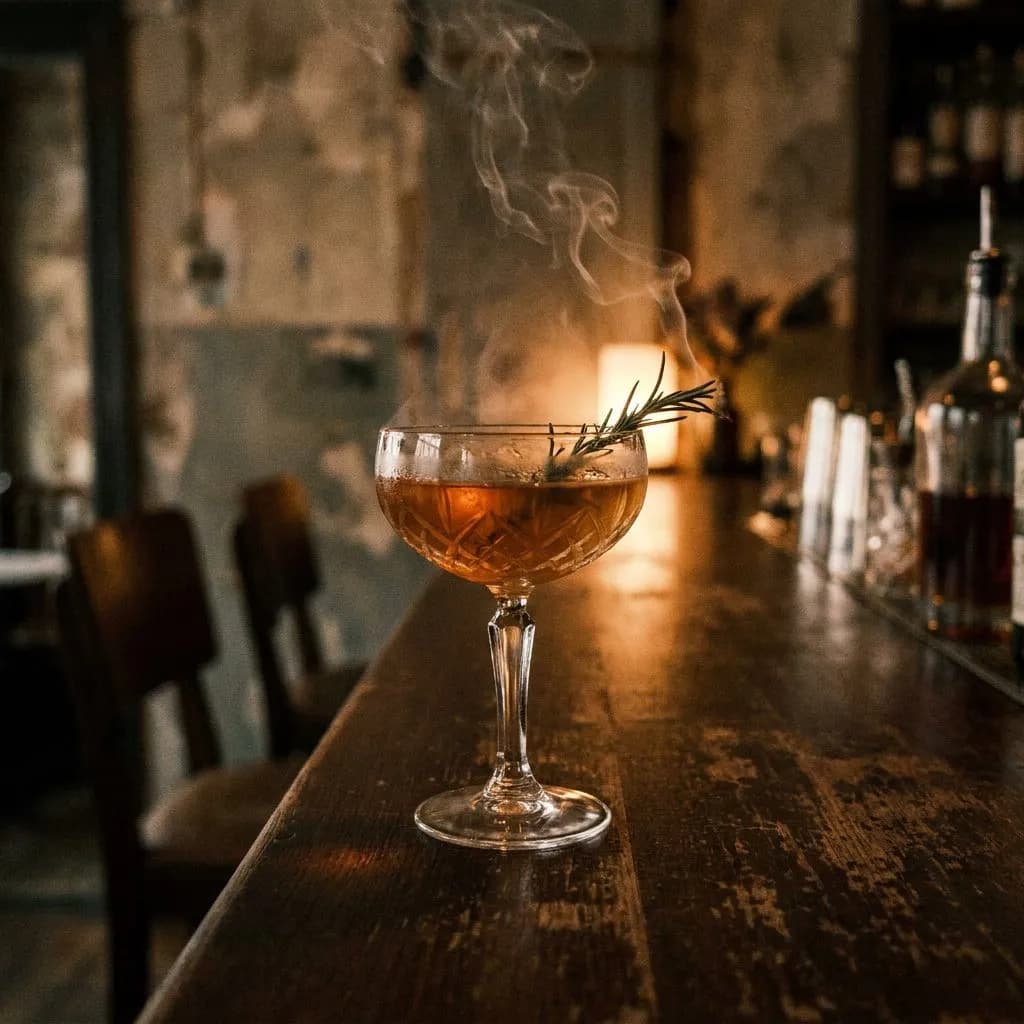
Apothéke, with its apothecary theme and shelves lined with amber bottles, pushes the concept into full costume drama. The menu is written in faux-prescription language—tinctures, elixirs, remedies for ailments both real and imagined. It's heavy-handed, but the bartenders commit to the bit with enough skill that the drinks justify the conceit. And there's a timing trick worth knowing: the venue offers specialty cocktails and themed menus; verify current timing and availability directly. It's a limited-run cocktail, often something seasonal or experimental, and it rewards the early crowd with something you can't order at eight.
This kind of time-gated offer is becoming a signature move in speakeasy bars across the city, a way to manage crowds and reward intentionality. If you show up at peak hours, you get the standard experience. If you arrive early, adjust your schedule, and know the code, you get something else. It's elitism dressed up as discovery, and it works because it makes you feel clever.
Dress codes, etiquette, and the unspoken rules
Most Financial District speakeasies don't enforce a strict dress code, but there's an unspoken expectation that you've made an effort. Sneakers and athleisure read as out of place, not because you'll be turned away, but because the rooms themselves—the velvet, the dim sconces, the bartenders in waistcoats—set a tone. You don't have to wear a suit, but a collared shirt or a dress that suggests intentionality helps you blend into the theater.
Phones are tolerated but subtly discouraged. The lighting is too low for good photos anyway, and the crowd that seeks these places out tends to value the analog experience. Conversations are quieter here than in a standard cocktail bar, the acoustics designed to absorb rather than amplify. It's a small mercy in a city that rarely offers one.
Why the gimmick endures
By late 2026, the speakeasy format has been done to death in New York, and yet the Financial District's entries continue to draw crowds. Part of that is novelty—the neighborhood isn't traditionally a nightlife destination, so the contrast feels sharper. But part of it is that these bars understand their audience: professionals who want a drink that feels like an event, tourists chasing a narrative, couples looking for a venue that does the conversational heavy lifting. The gimmick endures because it offers structure, a script to follow when you're not sure what else to do on a Tuesday night.
The best of these venues balance the theatrics with genuine craft—bartenders who know their way around a shaker, ingredients that justify the eighteen-dollar price tag, spaces designed with enough care that the velvet booths don't feel like set dressing. The worst coast on atmosphere alone, and you can taste the difference. But even a mediocre speakeasy in the Financial District offers something the rest of the neighborhood doesn't: a reason to stay after the markets close.
Practical notes
The Financial District speakeasy cluster concentrates near the Fulton Street and Wall Street subway stations (2, 3, 4, 5, A, C, J, Z lines). Street parking is scarce; public garages near Water Street are your best bet. Most venues open around 5 PM on weekdays, later on weekends; verify hours directly before heading out. Accessibility varies—many occupy basement spaces with stairs and no elevator. Reservations are strongly recommended for weekend evenings and any time you're aiming for a specific table or early-access offer. Bring cash for cover charges, though most accept cards for drinks. Passwords, when required, are usually posted on the venue's social channels the day of.
Tags: #SpeakeasyBarsNYC #FinancialDistrict #PullUpAChair #HiddenBarsNYC #NYCNightlife #CocktailCulture #ProhibitionEra #SecretBarsNYC #NYCBars #DowntownManhattan #SummerInTheCity #NYCInsider #CraftCocktails #DateNightNYC #CityAfterDark
Please drink responsibly. Must be of legal drinking age.
Sources consulted: Speakeasy - Wikipedia · Financial District, Manhattan · Time Out New York Bars · New York Times - New York · NYC.gov
All trademarks are the property of their respective owners.