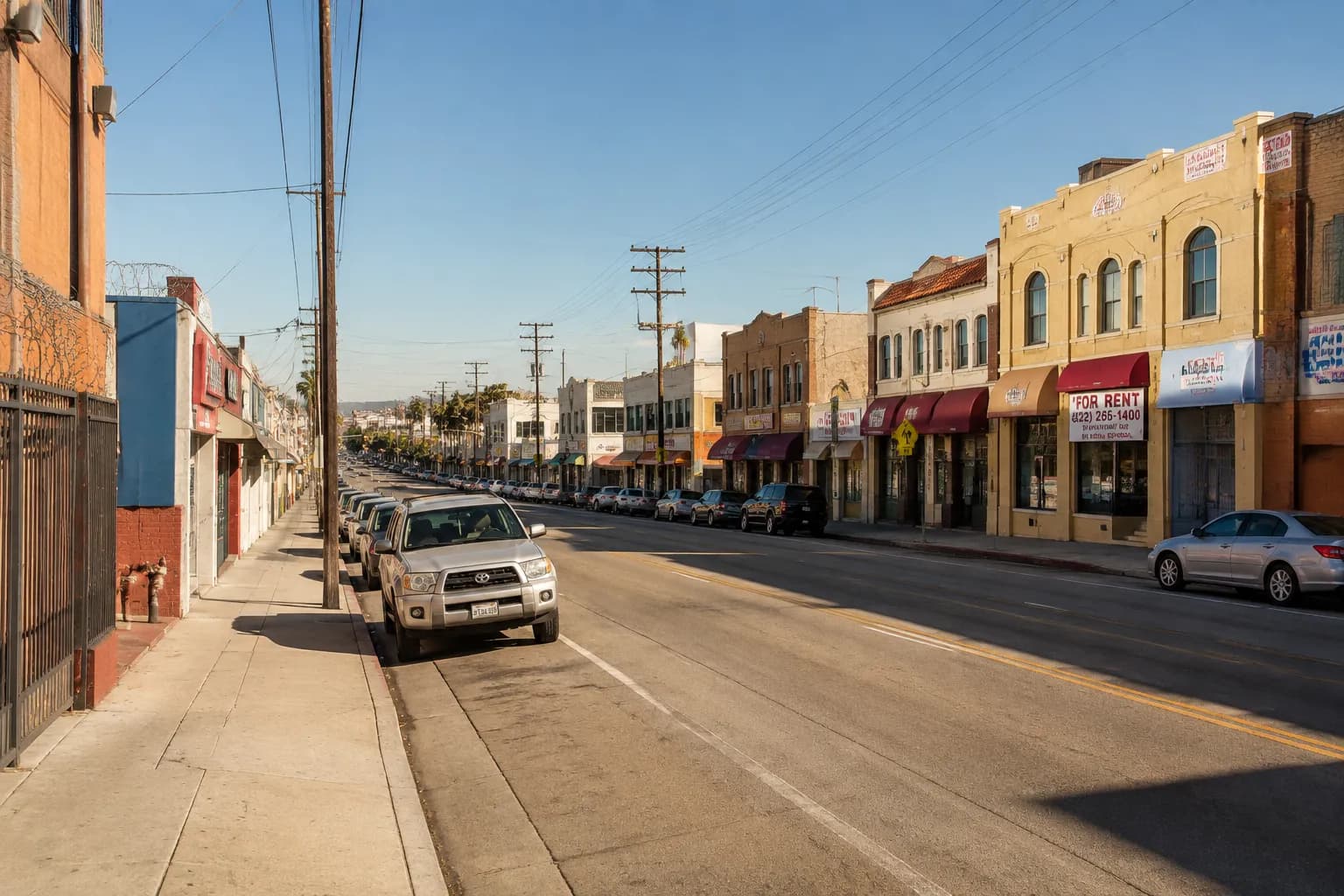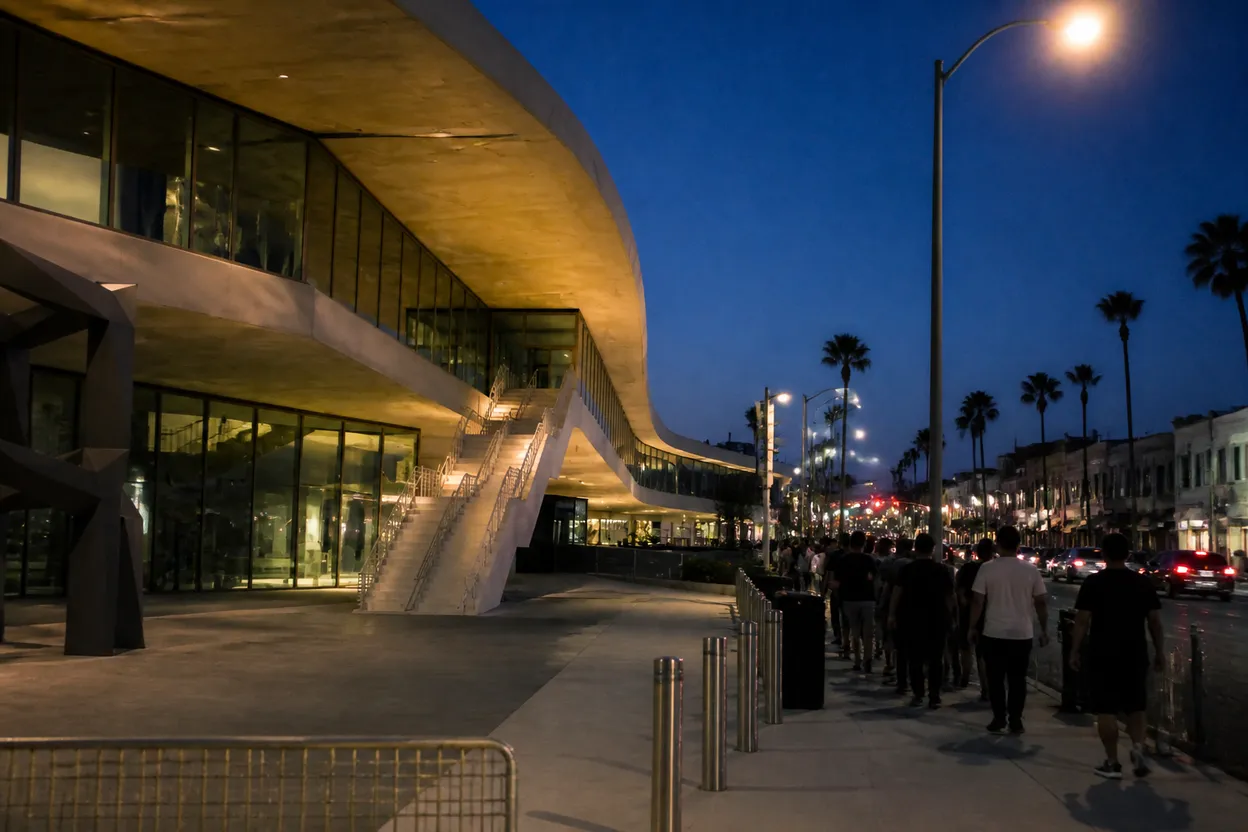
The phrase sparks vs lynx can move fast through group chats, but Los Angeles plans should move slower: verify first, then invite people. As of Friday, August 7, 2026, the safe assumption is simple: treat the search interest as a prompt for a social sports outing, not as confirmation of a local appearance, official watch party, team affiliation, special access, or guaranteed event. LA is big enough to make the night work in several ways: a public sports-friendly meetup, a casual active plan, a transit-connected neighborhood hang, or a clean backup from the city’s official event listings. The goal is not to chase hype. It is to build a plan your friends can actually follow.
Want a cleaner plan before everyone starts guessing? Text Karpo with your neighborhood, group size, mobility needs, and whether you want to watch, play, eat, or keep a backup nearby.

Turn the sports interest into a social plan
Start by separating the reason for the meetup from the promise of the meetup. If your group is texting about sparks vs lynx, that is enough of a hook to gather, but it is not enough to assume a local event exists. Make the invitation honest: “Sports night in LA, details verified before we leave.” That language keeps expectations realistic and avoids the common Los Angeles mistake of letting a viral phrase become a logistics problem.
Build the plan around public, checkable information. Discover Los Angeles is the official guide to the city and has sections for Things to Do, Eat & Drink, Find Events, itineraries, and neighborhood exploration. Use that kind of official listing as your anchor if the sports plan needs a second option. The same site highlights LA’s multicultural neighborhoods and 75 miles of sunny coastline, which means a group can still salvage the outing even if the original watch idea changes.
Set a decision deadline before people start driving. For a Friday or weekend plan, ask the organizer to confirm the primary location, meeting time, transit route, and backup by mid-afternoon. Anyone joining later should receive one pinned message with the current plan and one sentence that says what is still unverified.
Choose participation or spectating first
The first real choice is not where to go; it is what kind of social night this is. Spectating works better for mixed groups, coworkers, dates, and friends who want conversation without needing gear. Participation works better when the point is movement, not screen access. Do not combine both unless the group is small and flexible, because people dressed to play are rarely happy waiting around for a table, and people dressed for dinner may not want a sweat-first plan.
For a spectating plan, verify the venue directly before leaving. Check whether the place is open, whether it is showing the game or sports programming you care about, and whether your group size can be accommodated. Do not infer broadcast availability from a social post, a friend’s memory, or a generic sports-bar label. If the answer matters, contact the venue or use its official channel.
For a participation plan, keep it intentionally low-commitment. Choose a public, easy-to-explain meeting point, set a short arrival window, and make the activity optional for beginners. Since access, court use, lighting, and crowding can change, the organizer should verify the location’s current public information before sending the final address.
Match the venue to the group energy
Los Angeles groups fail when the venue does not match the mood. A loud, screen-heavy setting can be great for committed fans and bad for catching up. A scenic outdoor plan can be great before sunset and awkward if half the group expects food, restrooms, seating, or shade. Before naming a place, ask three questions: who needs to sit, who needs to leave early, and who will be annoyed if the game is not available?
Use neighborhoods as a practical filter, not just a vibe. Discover Los Angeles points visitors and locals toward areas such as the Arts District, Highland Park, West Hollywood, Malibu, Silver Lake, North Valley, Westwood, and South Park. That range matters because a Westside-friendly plan and a Downtown-friendly plan are not the same trip. Pick the neighborhood that reduces total friction for the most people, especially on a Friday.
If the group wants a non-sports backup, keep it official and current. Discover Los Angeles lists upcoming events and weekend ideas, including current dated listings on its site. Treat those listings as leads, then click through and verify times, access, and any ticketing or entry details on the official event page before asking people to commit.
Plan equipment seating and transit early
The easiest way to prevent confusion is to divide the plan into three lanes: what to bring, where people can sit, and how people get there. Equipment can mean a ball, comfortable shoes, a portable charger, water, or nothing at all if the plan is spectating. Seating needs are just as important. If someone cannot stand through a long wait, do not choose a plan that depends on luck, a crowded entrance, or an unconfirmed patio.
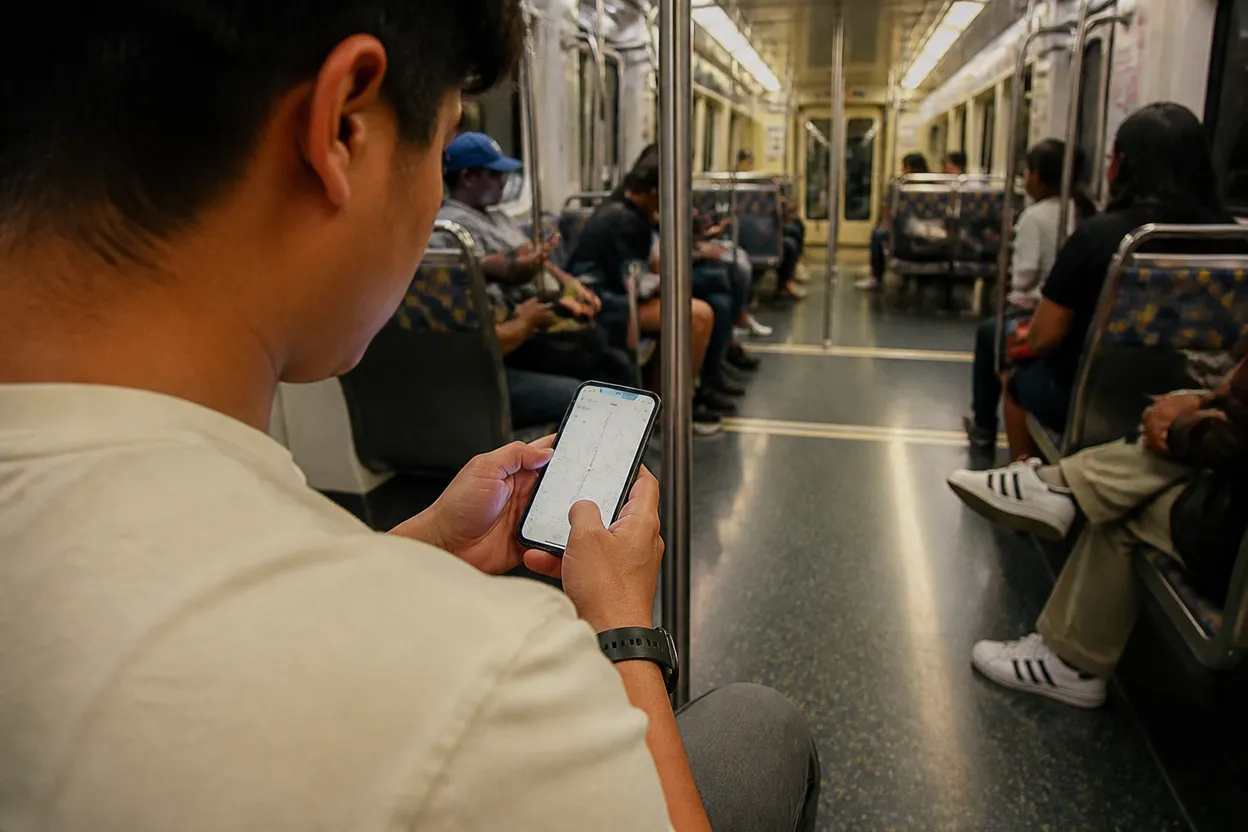
Transit should be checked the same day. Metro’s official site offers arrivals, a Trip Planner, alerts, maps and schedules, and the Official LA Metro App with real-time arrivals, step-by-step directions, and service alerts. Metro also says riders can pay fare by tapping a credit or debit card in plastic or digital form on buses or at train stations. Use those tools before leaving, not after the group is already separated.
If your plan touches Mid-Wilshire, note that Metro describes new D Line Extension stations at La Brea, Fairfax, and La Cienega as connecting the cultural energy of Mid-Wilshire with Koreatown and Downtown LA. That does not make every venue convenient, but it does give planners another official transit detail to check when comparing meeting points.
Keep beginners from feeling stranded
A good sports social plan should not punish people who are new to the teams, the league, the neighborhood, or LA transit. In the invite, include a plain-language version of the plan: “Meet here, verify before leaving, backup nearby, no special access assumed.” That is more useful than a thread full of screenshots and inside jokes.
Assign one person to be the verifier and one person to be the greeter. The verifier checks the official venue, event, or transit information. The greeter watches messages during the arrival window and helps late arrivals understand whether the group is still at the first stop. This is especially useful in Los Angeles, where two people can both be “almost there” while approaching from completely different directions.
Protect the beginner experience by making the first 30 minutes easy. Do not start with a long walk, a complicated transfer, or a location where phone service is uncertain unless everyone agreed to it. If the plan is active, keep the first segment casual. If the plan is spectating, make sure non-experts still have a reason to enjoy the night: food, conversation, a neighborhood walk, or a verified backup event.
Verify schedules before leaving
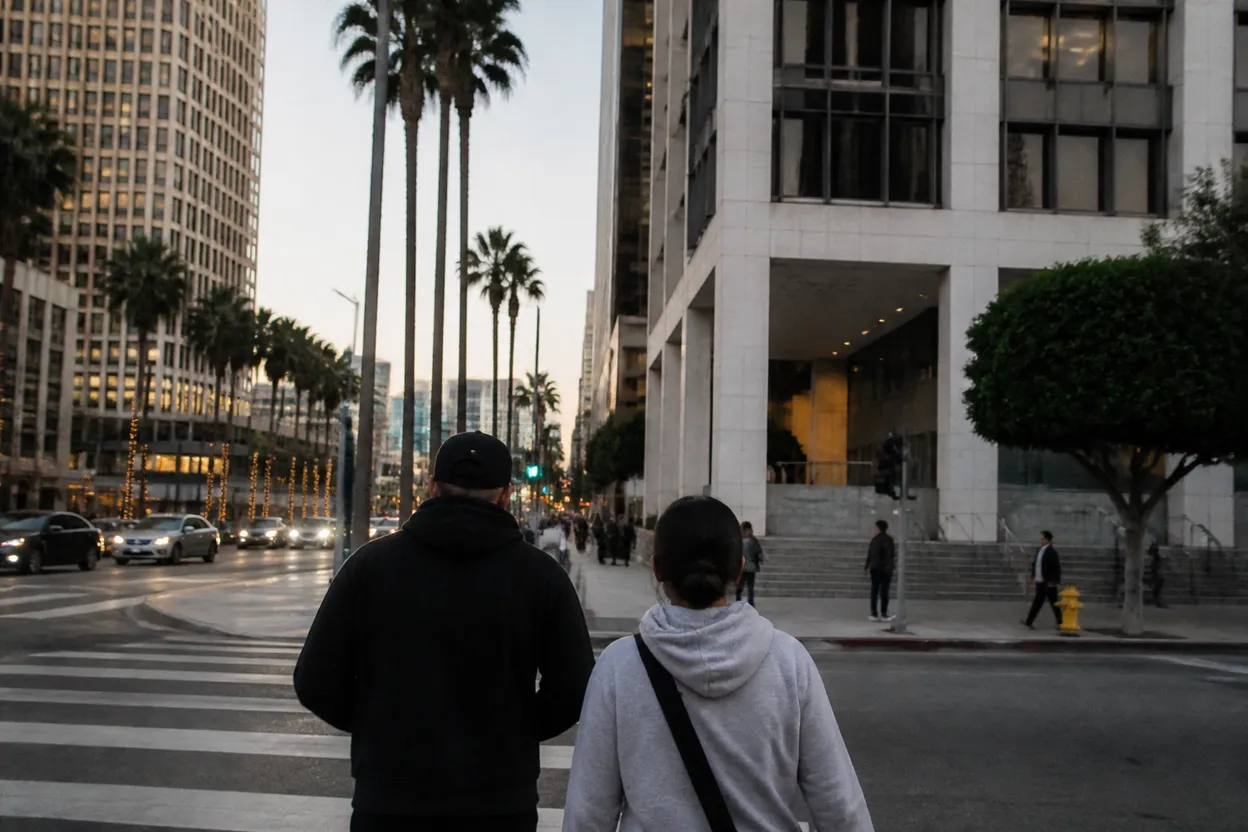
The final check should happen close to departure. Confirm the primary location’s current status, the time your group is meeting, the route each person is using, and the backup choice. If you are relying on Discover Los Angeles for a city event lead, use the listing as a starting point and verify the event details on the official page. If you are relying on Metro, check real-time arrivals and service alerts before you head out.
Crowd risk deserves a direct question. Ask whether the venue takes your group size, whether entry is first-come, whether seating is realistic, and whether there is a nearby place to regroup if the first stop is too crowded. Do not promise a table, screen, special section, or quiet corner unless the venue itself has confirmed it through an official channel.
Your backup should be genuinely different from the first choice. If the first plan is a sports-watching meetup, the backup might be a verified city event, a food-first hang, or a transit-friendly neighborhood plan. If the first plan is outdoor participation, the backup should account for lighting, fatigue, and seating. The best sparks vs lynx night in Los Angeles is the one that survives the first change without wasting everyone’s evening.
Tags: #sparksvslynx #LosAngeles #LASports #SportsSocial #AskKarpo #BeforeYouGo #LAMetro #DiscoverLA #WeekendLA #PublicPlans #WatchPartyPlanning #TransitFirst #GroupChatPlans #VerifyFirst
Sources consulted: discoverlosangeles.com · metro.net · laparks.org
All trademarks are the property of their respective owners.
Ask Karpo first
Ask Karpo first before you turn a sports search into a citywide group chat. Send the neighborhood, preferred start time, group size, mobility needs, and whether you want to watch, play, eat, or pivot. Karpo can help shape a public plan that stays honest about what still needs verification.