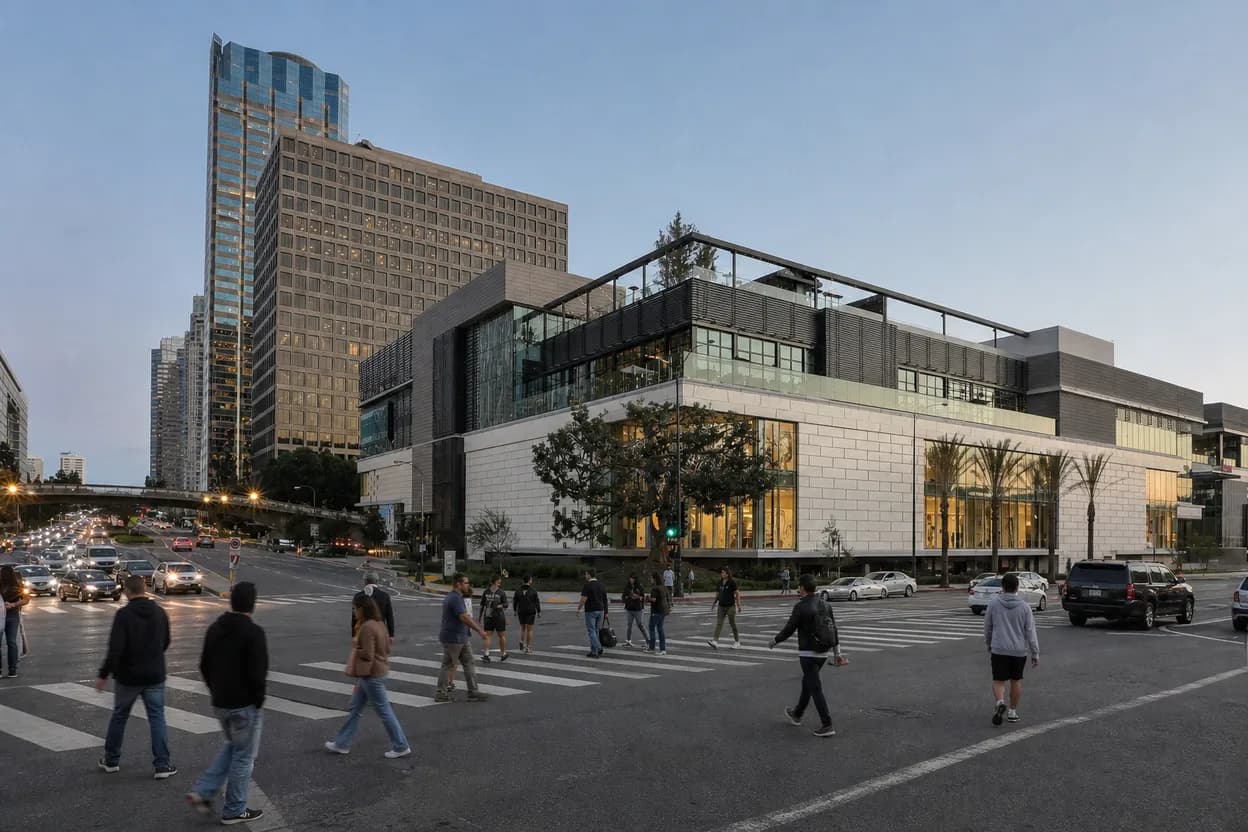
A search spike around spacex stock can feel like a shortcut to a timely school topic, especially in Los Angeles, where public institutions, civic information, transit tools, and aerospace headlines can easily get mixed together. Treat it more carefully. The phrase is a hook, not proof that SpaceX has a local public event, a school partnership, a share offering, or anything a student can act on without verification. For a back-to-school research session, the better move is to turn the excitement into a source-checking route: start with public information, compare official resources before opinion, pick a study stop that matches the assignment, and keep a backup decision ready in case access, service details, or travel conditions change.
Want a cleaner plan before you leave? Text Karpo to check Los Angeles library access, Metro trip options, nearby public stops, and backup decisions for this exact source-checking route.

Turn curiosity into a research question
Begin by narrowing the question before opening tabs. “Can I buy spacex stock?” is not the same assignment as “How should a student verify claims about a private aerospace company?” For school work, the second question is sturdier. It lets a student separate market chatter from evidence, and it avoids pretending that a trending phrase creates a local Los Angeles appearance, public program, or official endorsement.
A useful first page in the notebook can have three columns: claim, source, and what still needs checking. If a post says there is a public listing, write down who said it and whether the source is official. If a headline mentions Los Angeles, ask whether it names a public venue, a city department, a library event, or a transit-accessible location. If it does not, do not add one yourself.
This route works best as a research session with a clear stopping point. Keep the task practical: collect public sources, verify access before leaving home, and choose a place where a student can read or work through source notes. The point is not to chase the loudest claim. The point is to learn how Los Angeles public resources can slow a headline down.
Start with a reliable public resource
Make Los Angeles Public Library the anchor. Its official site points users to Search Catalog, Library Card, Locations, Events, Services, Research, Print, Get Help, Digital Library, and Computers & Technology. That is enough structure for a student who needs to move from a trending phrase to a credible research trail. The LAPL contact information lists 630 W Fifth St., Los Angeles, CA 90071, which gives the plan a concrete public-library starting point if access checks look good.
Use the library site before choosing a branch. The official homepage includes a “Find Your Branch” tool by ZIP code, plus Locations and Events navigation. For back-to-school work, that matters because the best stop may not be the most famous one. A neighborhood branch may be easier after class, while the main LAPL site may be better for starting with catalog, research, help, printing, or technology links.
There is also a timely back-to-school connection without forcing the SpaceX angle. LAPL’s homepage includes “Back to School Reads for Teens,” and its listed borrowing areas include books and the Digital Library. Keep those facts separate from the finance hook: the library supports research and student reading; it is not evidence of any spacex stock program.
Compare primary reporting before opinions
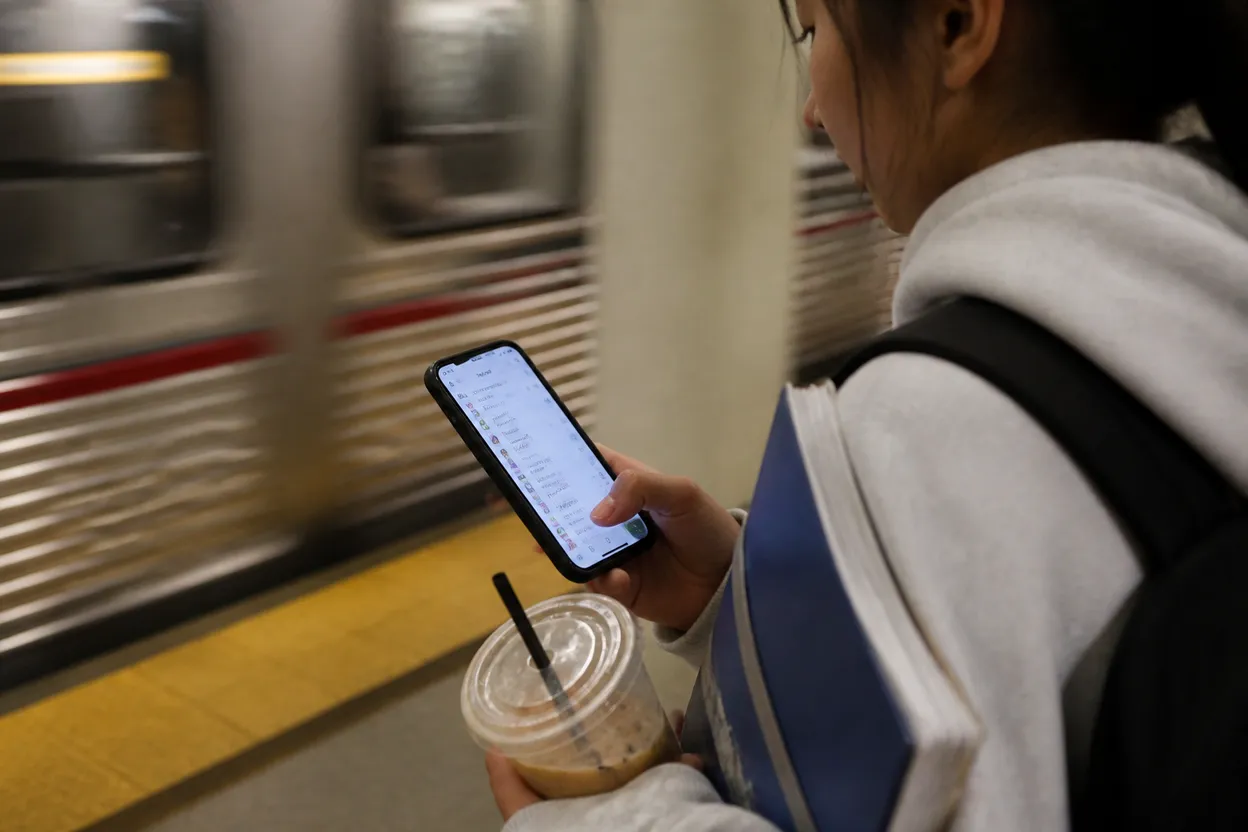
Before a student reads commentary, compare official public sources that answer different parts of the plan. LAPL helps with library research access. The City of Los Angeles site helps with civic context, city services, city directory information, meetings and agendas, neighborhood information, and official contact pathways. Metro helps with arrivals, trip planning, alerts, maps, schedules, and app-based travel information.
That comparison matters because each source has a different job. The City site lists 200 N Spring St., Los Angeles, CA 90012, and public contact options including 311, 213-473-3231, and TDD service through 7-1-1. It is a civic gateway, not a stock-information source. Metro can help plan the ride, but it is not proof that a destination is open. LAPL can confirm library-related access, but it does not verify market claims unless a student uses its research tools to investigate them.
For the spacex stock question, the student’s standard should be simple: if a claim affects money, access, timing, or attendance, verify it from a primary source or treat it as unconfirmed. Avoid screenshots as evidence unless they lead back to an official page. Avoid assuming that a Los Angeles connection means a public invitation. The city site may feature aerospace-related civic news, but a research route is not an event listing.
Choose a study stop that fits the task
If the assignment is source evaluation, the Los Angeles Public Library site is a clean first choice because the official homepage highlights Research, Computers & Technology, Print, Search Catalog, and Get Help. The access flow should be boring on purpose: check the relevant library page, confirm the address and any posted access details, bring the school prompt, and know whether a library card is needed for the task you want to complete.
If the student is coming from another neighborhood, choose the branch by ZIP code instead of defaulting to one location. LAPL’s branch finder supports that kind of decision. A shorter or simpler trip can protect the actual study block, especially during the back-to-school period when homework time, family schedules, and after-school pickup windows are tighter than they look on a map.
For any transit plan, use Metro’s official tools rather than assumptions. Metro’s official site offers Arrivals, a Trip Planner, Alerts, Maps & Schedules, and the Official LA Metro App for real-time arrivals, step-by-step directions, and service alerts. Metro also says riders can now pay fare with a credit or debit card in plastic or digital form by tapping on buses or at train stations. Verify the route shortly before departure because service conditions are the part most likely to change.
Add one low-cost reset nearby
A good research route needs one planned reset, not three distractions. The City of Los Angeles site is useful as an official civic reference point because it organizes Request City Services, Meetings & Agendas, City Directory, Neighborhood Info, and city contact information. Do not treat those links as a promise of student access to offices or meetings. Treat them as official pathways that need their own checks before becoming part of the plan.
The reset can be as simple as pausing after the library session, checking Metro arrivals or alerts, and deciding whether to continue, print, use another research link, or head home. If the student needs a civic angle for the assignment, the City site’s Meetings & Agendas section, Neighborhood Info lookup, and City Directory are better next clicks than social media commentary. They teach how local government information is organized, even when the original hook came from a national finance phrase.
Keep the budget disciplined. Use public websites, library resources, and transit tools first. If a cafe, paid attraction, or timed activity becomes the backup, verify costs, rules, and availability separately before making it part of the plan, because the extracts here do not establish prices, seating rules, admission rules, or open hours. The research habit is the lesson: separate what is confirmed from what is merely convenient.
Verify hours and access before leaving
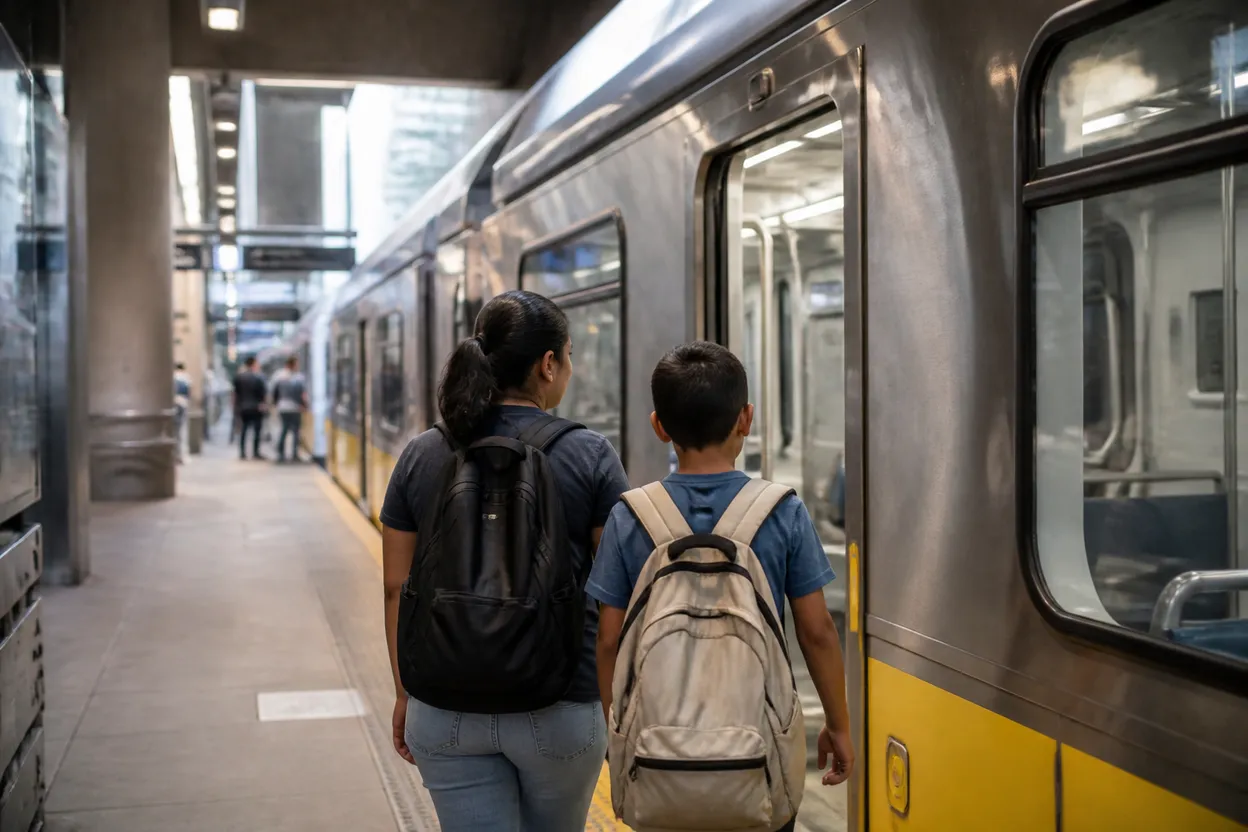
The last check should happen the same day, close to departure. Open the LAPL location or branch page and confirm the address, posted access details, and whether the services needed for the assignment are available. Then open Metro for arrivals, alerts, maps and schedules, or the trip planner. If using the app, use it for real-time arrivals, step-by-step directions, and service alerts, because those are the details that determine whether the plan still works.
Build a backup rule before anyone leaves: if the preferred branch does not work, use the ZIP code branch finder; if the transit route has an alert, switch to the next practical library option or postpone the in-person part; if the assignment only needs source notes, use LAPL’s catalog, research, digital library, and help entry points from home. For younger students, write the decision rule down so the day does not turn into improvisation during travel.
Finally, keep the headline in its lane. spacex stock may be the reason a student got curious today, but the finished work should show stronger habits: identify the claim, check official sources, record uncertainty, and avoid adding a Los Angeles event or affiliation that the sources do not support. That is a better back-to-school skill than memorizing one hot phrase.
Tags: #spacexstock #LosAngeles #BackToSchool #AskKarpo #BeforeYouGo #LAPL #CentralLibrary #LAMetro #StudentResearch #SourceChecking #DowntownLA #PublicLibrary #MediaLiteracy #SchoolPlanning
Sources consulted: lapl.org · lacity.org · metro.net
All trademarks are the property of their respective owners.
Ask Karpo first
Ask Karpo first before turning a fast headline into a Los Angeles outing. Karpo can help check the library stop, Metro route, access questions, and backup branch choice, while keeping the spacex stock hook separate from any unverified claim about a local event or affiliation.