 Kings Theatre in Flatbush: A Restored 1929 Movie Palace
Hidden Gems & Odd Finds
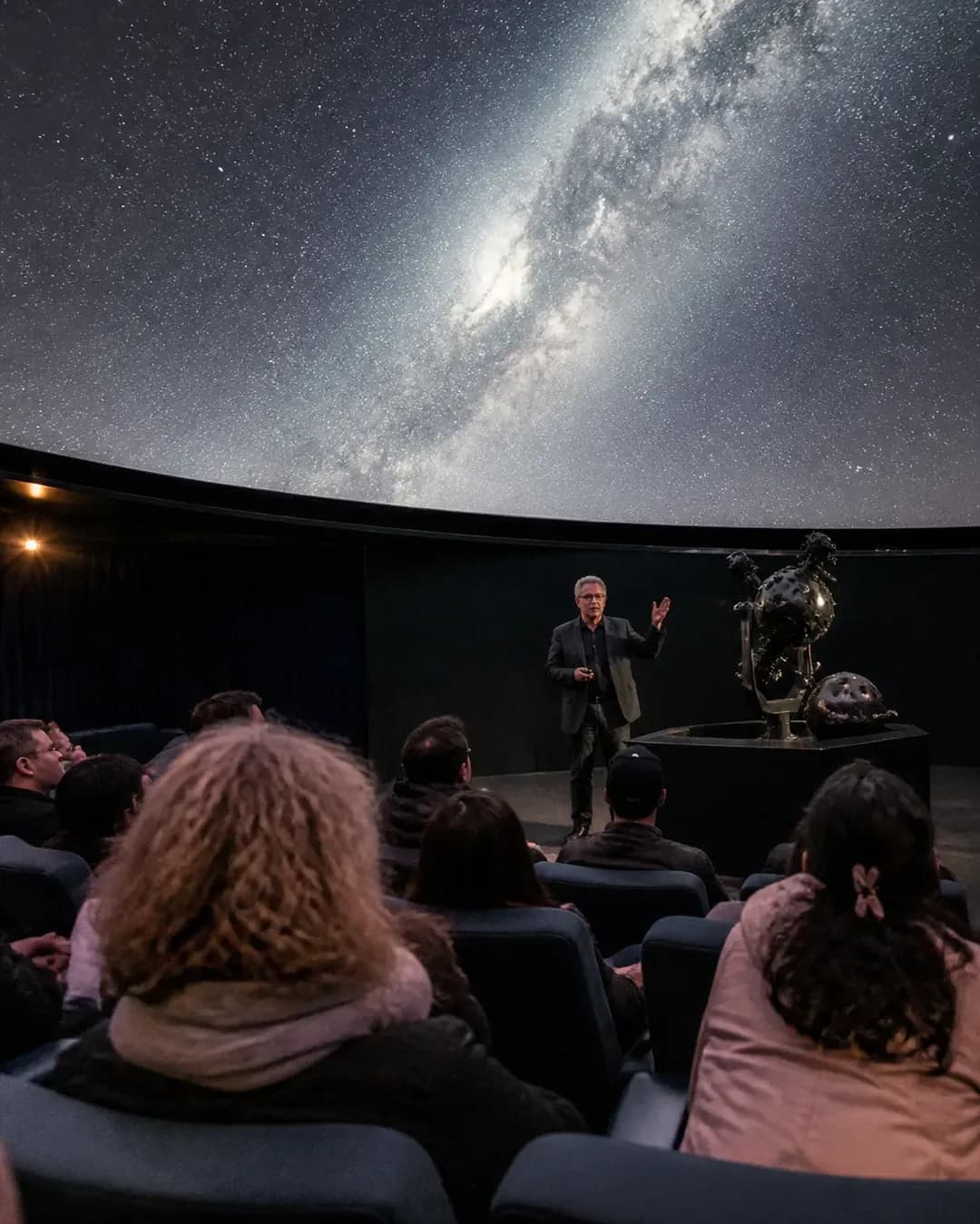
spacex rocket crashes on the moon: NYC Hidden Planetarium Media
Viral space claims travel faster than corrections, especially when a headline sounds cinematic enough to share before reading. This NYC weekday-evening plan uses planetarium media habits, library-style verification, and transit-aware routing to slow the scroll before it becomes misinformation.
When the exact phrase spacex rocket crashes on the moon starts moving through group chats, the useful NYC response is not to win an argument instantly. It is to build a small verification circuit: read the claim closely, separate confirmed aerospace reporting from headline bait, and choose public learning spaces where a skeptical friend can ask better questions without turning the night into homework. This Hidden Gems & Odd Finds guide is written for residents who want a weekday evening plan around Hayden Planetarium-style science context, public-library media literacy habits, and university-level science journalism thinking, while staying careful about what is actually confirmed. Treat every named institution here as a search hook and every event idea as something to verify directly before you go. The goal is not to chase a rumor across the city. The goal is to leave the evening with a calmer method for deciding what deserves to be shared.
Text Karpo the space news claim you're trying to verify, your available evenings this week, and whether you prefer hands-on or lecture formats—we'll send you the next planetarium fact-check session, one science journalism workshop open to the public, and a backup astronomy cafe talk if formal programs are booked.
Start With The Claim, Not The Outrage
A moon-crash headline has several moving parts: who launched the object, what object is being described, whether it was tracked independently, what actually happened on the lunar surface, and whether the story is current or recycled. Before building an evening around the topic, write the claim in one sentence and underline every part that needs proof. If a post says the crash just happened, that is different from an older aerospace story being reposted for attention. If it names SpaceX, the Moon, NASA, scientists, or a dramatic impact, each element should be checked separately instead of accepted as one packaged fact.
This is where a skeptical friend is useful. One person can look for the original source of the claim while the other checks whether later articles are simply repeating the same language. The exact keyword spacex rocket crashes on the moon is a good search phrase because it preserves the viral wording, but it should not be the only search. Try neutral variations such as rocket booster moon impact, lunar impact tracking, or space debris moon crash. The gap between those results often reveals whether the story is science reporting, social-media simplification, or a stale item gaining new attention.
Make Hayden The Science Anchor
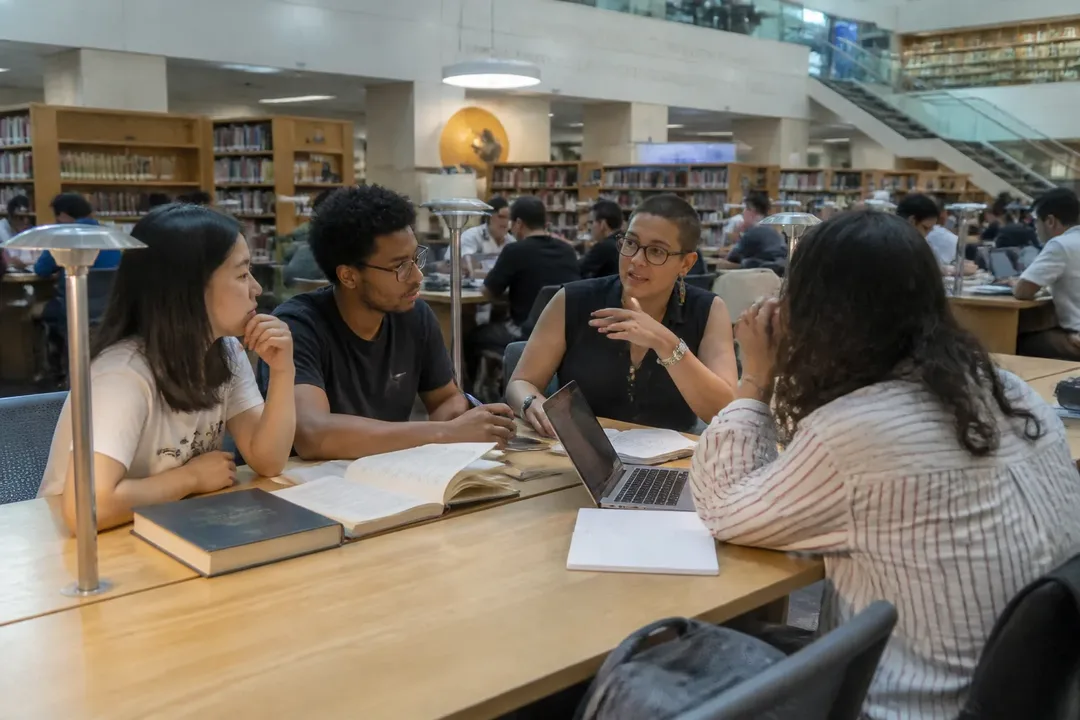
Hayden Planetarium is the natural intellectual anchor for this kind of NYC outing because the question is not only whether a rocket hit the Moon. It is also how ordinary people understand orbital mechanics, space debris, impact tracking, and the difference between observation and speculation. For a weekday evening, the strongest move is to check the planetarium or museum event listings before leaving, then look for formats that allow questions: educator talks, astronomy programs, public explainers, or Q&A-style sessions. Do not assume a same-day program exists, and do not assume a viral headline will be covered just because it is trending.
If there is no suitable session, the planetarium still gives the evening a useful frame. Build your notes around what an educator would ask: What evidence identifies the object? Who tracked it? Is there imagery, telemetry, or a named observatory behind the claim? What changed between the first report and the latest correction? This keeps the night from becoming a content hunt. You are using a science institution as a standard for evidence, not as a prop for a rumor. That distinction matters when a dramatic headline is designed to make doubt feel boring.
Add A Media-Literacy Stop
The second stop should shift from space to information quality. New York public-library event calendars are worth checking for media literacy, digital skills, journalism, research, or misinformation programs, but do not invent a session into your plan before it appears on an official listing. If a library event is available on the right evening, use it to examine the mechanics of the headline: source stacking, missing dates, anonymous aggregation, image reuse, and emotional framing. A moon story can be true in one version and misleading in another if the date, object, or certainty level changes.
If there is no matching event, use the library mindset anyway. Ask what the article wants you to do in the first ten seconds. Does it ask you to share, panic, mock, donate, subscribe, or click through a slideshow? Then compare that emotional push with the actual evidence in the body text. For spacex rocket crashes on the moon searches, watch for pages that use the keyword heavily but provide no primary details. A useful article should make the chain of knowledge clearer. A weak one simply repeats the viral phrase until familiarity starts to feel like proof.
Use Columbia As A Reporting Lens
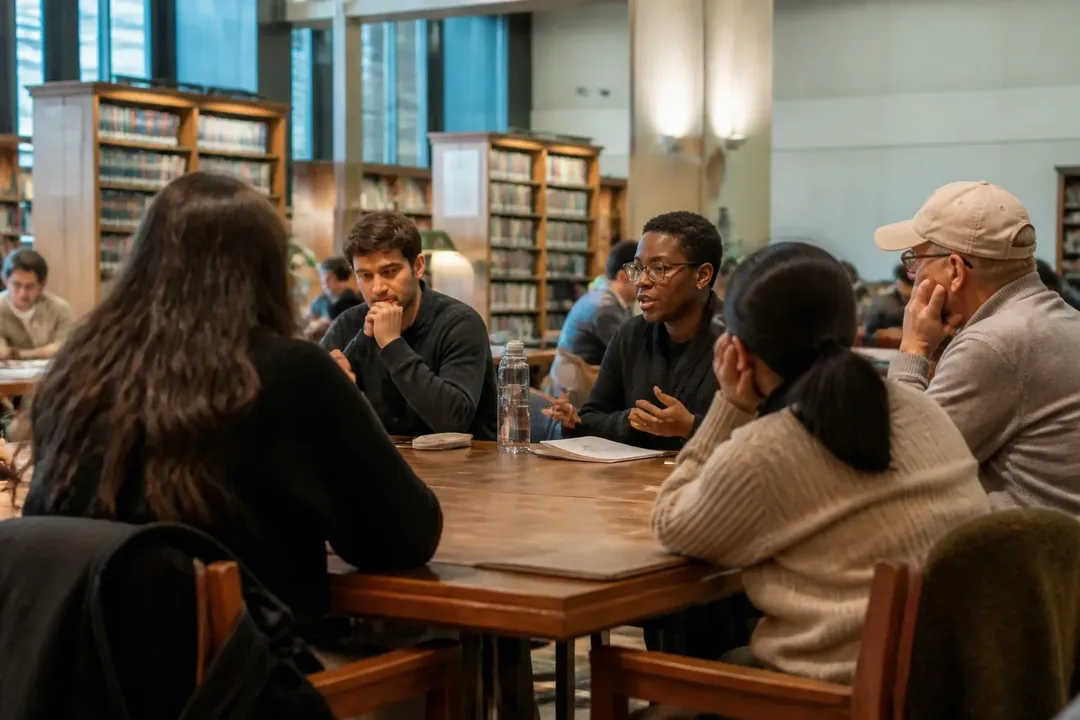
A university science-journalism lecture, panel, or public talk can be the strongest third layer when it is actually scheduled and open to the public. Columbia is a relevant search direction for residents because journalism education and science communication sit close to the problem this headline creates: technical claims have to be translated without being inflated. Still, verify the event directly before treating it as part of the evening. Do not assume availability, topic match, public access, or walk-in seating from a social post or a copied calendar blurb.
The reporting lens is simple: good science journalism shows what is known, what is inferred, and what remains uncertain. It also makes time visible. A reader should be able to tell whether the article is describing a predicted impact, an observed event, a later analysis, or an old report revived by a new trend. That is especially important for aerospace stories, where objects can be tracked for years and headlines can collapse long timelines into a single dramatic verb. Your friend does not need to become an expert in launch history. They need to learn which missing details should stop a share.
Build The Evening Around Friction
This plan fits a weekday evening because it is intentionally moderate. It is not a full museum day, a research sprint, or a debate club. Start with one science anchor, add one media-literacy check, and leave time for conversation after. Use the MTA's public tools before moving between stops: schedules, maps, fares and tolls, planned service changes, real-time alerts, elevator and escalator status, accessibility information, and nearby stations and stops are all the kinds of checks that keep a short evening from becoming messy. If someone uses paratransit or needs accessible travel planning, build that into the route first, not after the plan is already fixed.
The best version of the night has productive friction. A friend asks why a source is credible. You ask whether the headline matches the article. Both of you pause before reposting. If dinner or coffee becomes part of the evening, restaurant choices should be checked through current local information rather than assumed from memory; NYC's ABCEats restaurant resource exists as a public health directory, but this article does not rank or guarantee any venue. The final takeaway is practical: a viral moon-crash headline can be a reason to explore hidden NYC knowledge spaces, but the real odd find is a repeatable habit of verification.
Tags: #NYChiddengems #HaydenPlanetarium #medialiteracy #sciencejournalism #weekdayevening #spacenewsverification #oddfinds
Sources consulted: Source 1: nycgovparks.org · Source 2: new.mta.info · Source 3: nypl.org · Source 4: a816-health.nyc.gov
All trademarks are the property of their respective owners.
Ask Karpo first
Ask Karpo to turn this NYC idea into a current plan for your date, budget, companion, transit preference, and energy level. Karpo can narrow the route and flag what to verify before you go.
Ask Karpo for more information.
Keep reading
- Kings Theatre in Flatbush: A Restored 1929 Movie Palace
 Chambers Street Wines: Manhattan's Natural Wine Pioneer
 Mediterranean Food Near Me in NoMad: Ilili's Crispy Brussels Sprouts