 Reem's California Mission: Best Mediterranean Food, Za'atar, and Community
Restaurants
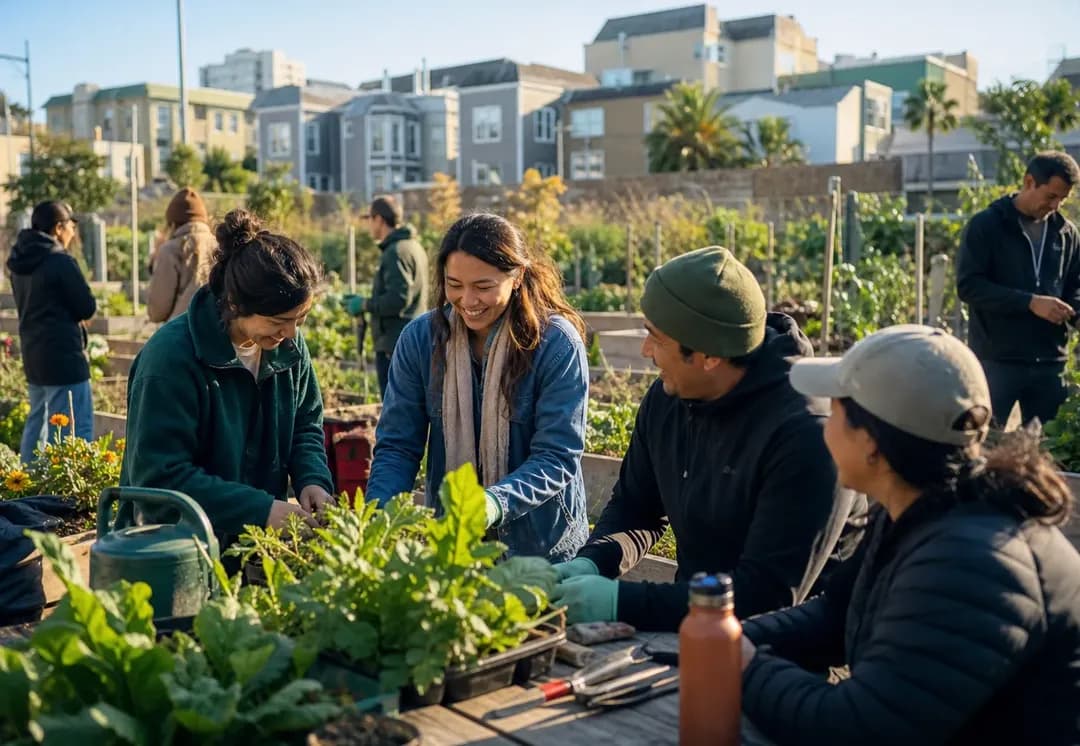
Sounders Match Result: SF Community Garden Volunteer Orientation Schedule
Use this San Francisco weekend volunteer planner to compare Sunset, Richmond, and Excelsior garden options without assuming open plots or fixed orientation hours. It focuses on verification steps, transit planning, beginner fit, and nearby post-garden restaurant decisions.
If a sounders search brought you to a community schedule page, treat the phrase as a search hook, not proof that a match result, team event, or public figure is tied to San Francisco. For weekend volunteers, the more useful question is practical: which neighborhood garden can you actually join, how much time will it require, and what should you verify before spending a Saturday morning outside? This guide frames Sunset, Richmond, and Excelsior as three San Francisco starting areas for beginner-friendly community garden volunteering. It does not assume confirmed garden hours, open plots, tool lending, or workshop calendars without direct confirmation. Instead, it gives a clear decision path using public transit, library branches, weather checks, and the questions that separate a good recurring volunteer fit from a one-time outing.
Which SF neighborhood is within your weekend travel range, and can you commit to monthly volunteer shifts or prefer drop-in flexibility? Indicate whether you want your own plot eventually or just group volunteering, and we'll match you to a garden orientation with a backup garden for waitlist scenarios.
Start With The Orientation Gate
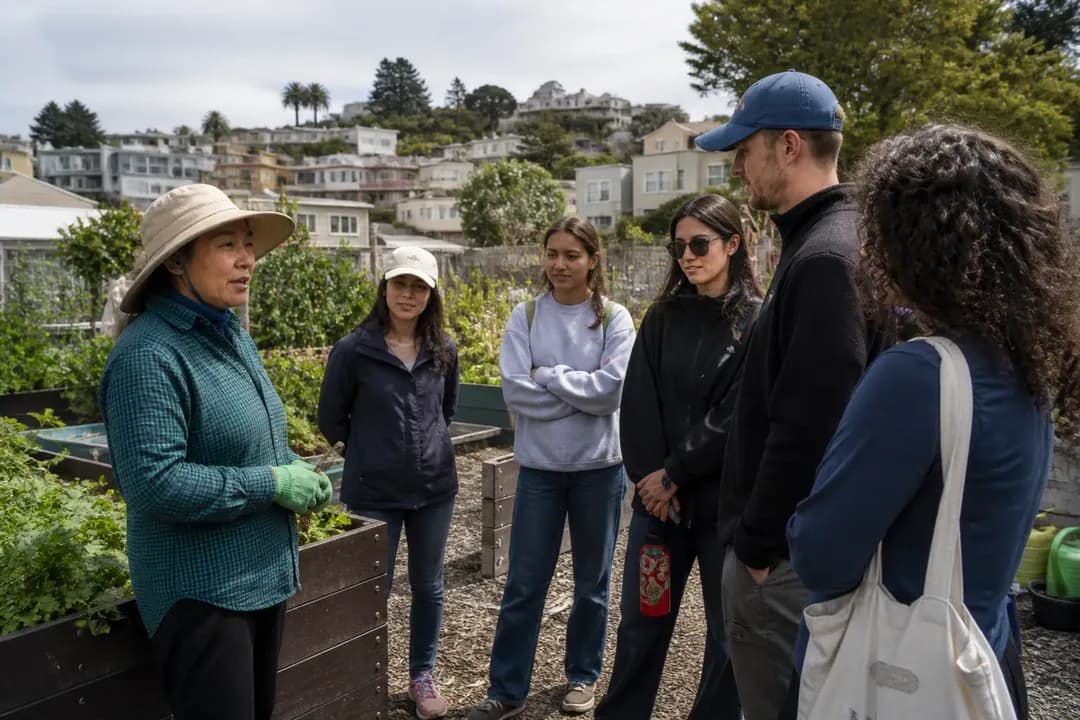
Community garden volunteering usually begins with an orientation because gardens need to explain shared rules before anyone handles beds, tools, compost, irrigation, or harvest areas. The important point is not just whether a Saturday session exists, but whether that session is for new volunteers, prospective plot holders, or returning members. A beginner should ask whether orientation is required before joining a workday, whether pairs can attend together, and whether there is a minimum recurring commitment after the first visit. That single distinction prevents a common mismatch: showing up ready to help, then learning the session was only for people already approved by the garden coordinator.
For Sunset, Richmond, and Excelsior, build a shortlist first and verify the latest details directly with each garden or sponsoring group. Do not treat a social post, old calendar listing, or copied event blurb as final. Ask four concrete questions: next new-volunteer orientation date, expected arrival time, whether tools are provided, and whether beginners can join planting or maintenance tasks immediately. If plot membership is your real goal, ask separately about waitlists or availability, because volunteering and receiving a plot are often different processes. The best first choice is the garden that answers clearly, not necessarily the one closest to home.
Use Libraries As Planning Anchors
San Francisco Public Library listings provide useful neighborhood anchors for planning, even when they do not confirm garden schedules. The Sunset Branch is listed at 1305 18th Avenue, the Richmond Branch at 351 9th Avenue, and the Excelsior Branch at 4400 Mission Street. All three are shown with Saturday hours of 10 to 6 in the supplied public library extract. That makes them practical pre- or post-orientation reference points for checking printed notices, using Wi-Fi, meeting a volunteer partner, or reworking plans if a garden coordinator changes instructions. They are not substitutes for garden confirmation, but they help make the morning less fragile.
Think of the library branch as a stable public waypoint, then plan the garden visit around the confirmed destination. In Sunset, that can help volunteers who prefer a quieter western-neighborhood rhythm before deciding whether recurring work fits. In Richmond, the branch location gives pairs a simple public meeting point before heading to a nearby opportunity they have already verified. In Excelsior, the Mission Street anchor may be useful for volunteers comparing transit access with weekend meal plans. Since the category context is Restaurants, keep dining decisions flexible: choose food after the work session based on where you actually end, not on an assumed garden route.
Match Commitment To Skill Growth
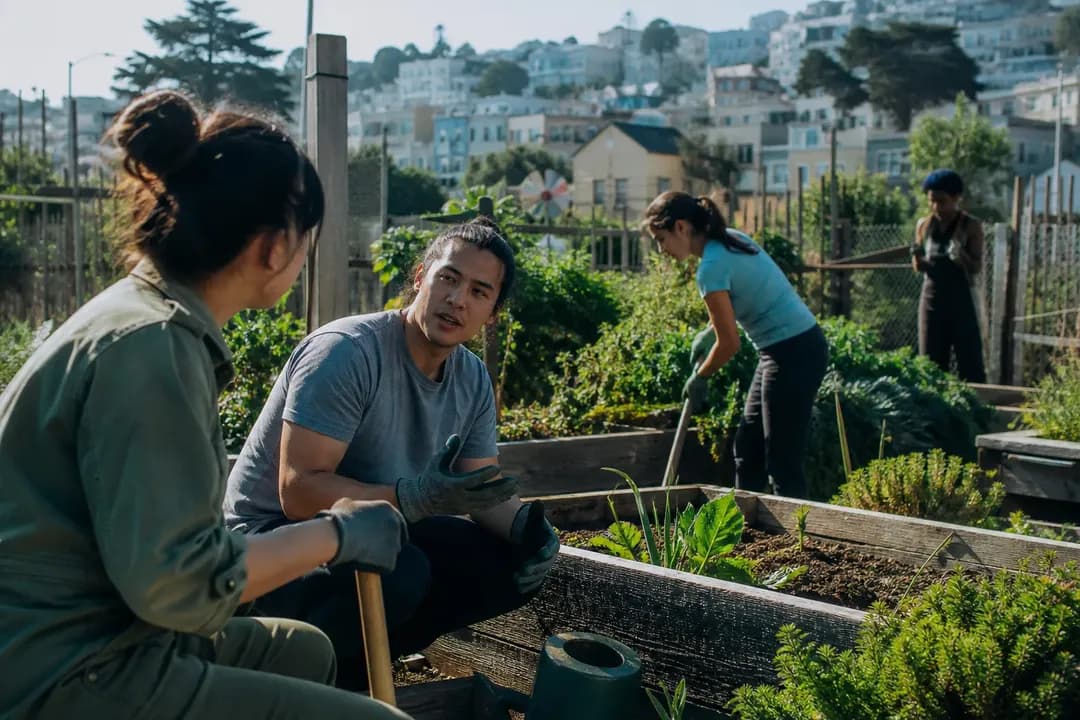
A good beginner path is not just easy; it should show how skills build over time. On a first Saturday, a new volunteer may be suited to orientation, cleanup, basic weeding, soil moving, watering support, or listening while coordinators explain bed rules. Later sessions can become more purposeful if the garden offers planting instruction, compost tasks, seedling care, or seasonal maintenance. Because the supplied information does not confirm which gardens offer workshops, ask directly whether beginner planting workshops happen alongside general volunteer shifts. If the answer is no, that is not a failure; it simply means the garden may be better for steady service than structured learning.
Solo volunteers and pairs should evaluate commitment differently. A solo volunteer may want a garden with predictable Saturday morning work sessions and clear next steps after orientation, because structure makes it easier to return. A pair may care more about whether both people can register, share tasks, and leave at the same time. If one person wants skill progression and the other wants light outdoor routine, ask whether the coordinator can place volunteers in different task levels during the same session. The right match creates a repeatable weekend habit without turning a beginner-friendly commitment into a hidden membership obligation.
Plan The Public-Space Route
SFMTA frames San Francisco travel around Muni, walking, biking, driving and parking, taxis, and accessibility resources, so use that full menu instead of assuming one best route. For community garden volunteering, Muni plus walking is often the simplest planning baseline, especially when carrying only water, gloves if requested, and a light layer. Biking can work for volunteers who are comfortable arriving a little dusty before gardening begins. Driving may add parking uncertainty, so it deserves a backup plan. Before leaving, check current travel and transit updates, because advisories can affect walking paths, street access, transit service, parking, or weekend timing.
On August 6, 2026, the supplied SFMTA travel update page showed several active or upcoming items, including Hayes Valley Shared Spaces on Fridays and Saturdays in August, Chinatown construction from July 30 through August 9, Outside Lands from August 7 through 9, and the Pistahan Parade on Saturday, August 8. Those items are not garden schedules, but they show why Saturday plans need a transit check before departure. A sounders trend may be noisy online, but street conditions are local and practical. If your garden is across town, verify your route the night before and again before leaving, then choose the neighborhood with the least timing risk.
Check Weather Before Committing
Community gardening is outdoor work, so weather and air conditions should influence the final go-or-wait decision. The National Weather Service San Francisco Bay Area page supplied for August 6, 2026 noted elevated to near-critical fire weather conditions expected into the weekend and moderate HeatRisk returning, becoming widespread over the weekend. It also advised risk reduction through water or sports drinks, frequent breaks in air conditioning or shade, and shifting outdoor activity to cooler times of day. That guidance fits volunteer planning directly: Saturday morning may be preferable to afternoon, but each person should still check the latest conditions before committing.
Use the weather check to shape expectations, not to dramatize the outing. If conditions look hot, ask the coordinator whether the session will be shortened, moved into shade, or focused on lighter tasks. If smoke, heat, or fire-weather concerns increase, skip heavy work and wait for a safer opening. Bring only what the garden requests, because some sites may lend tools while others expect volunteers to arrive with gloves or personal supplies. The strongest plan is simple: confirm orientation, confirm route, check weather, choose a realistic time commitment, then decide whether a nearby restaurant stop makes sense after the work is done.
Tags: #SanFrancisco #CommunityGardens #VolunteerOrientation #WeekendPlans #OutdoorActivities #Restaurants
Sources consulted: Source 1: sfmta.com · Source 2: sfpl.org · Source 3: sfmta.com · Source 4: weather.gov
All trademarks are the property of their respective owners.
Ask Karpo first
Ask Karpo to turn this San Francisco idea into a current plan for your date, budget, companion, transit preference, and energy level. Karpo can narrow the route and flag what to verify before you go.
Ask Karpo for more information.
Keep reading
- Reem's California Mission: Best Mediterranean Food, Za'atar, and Community
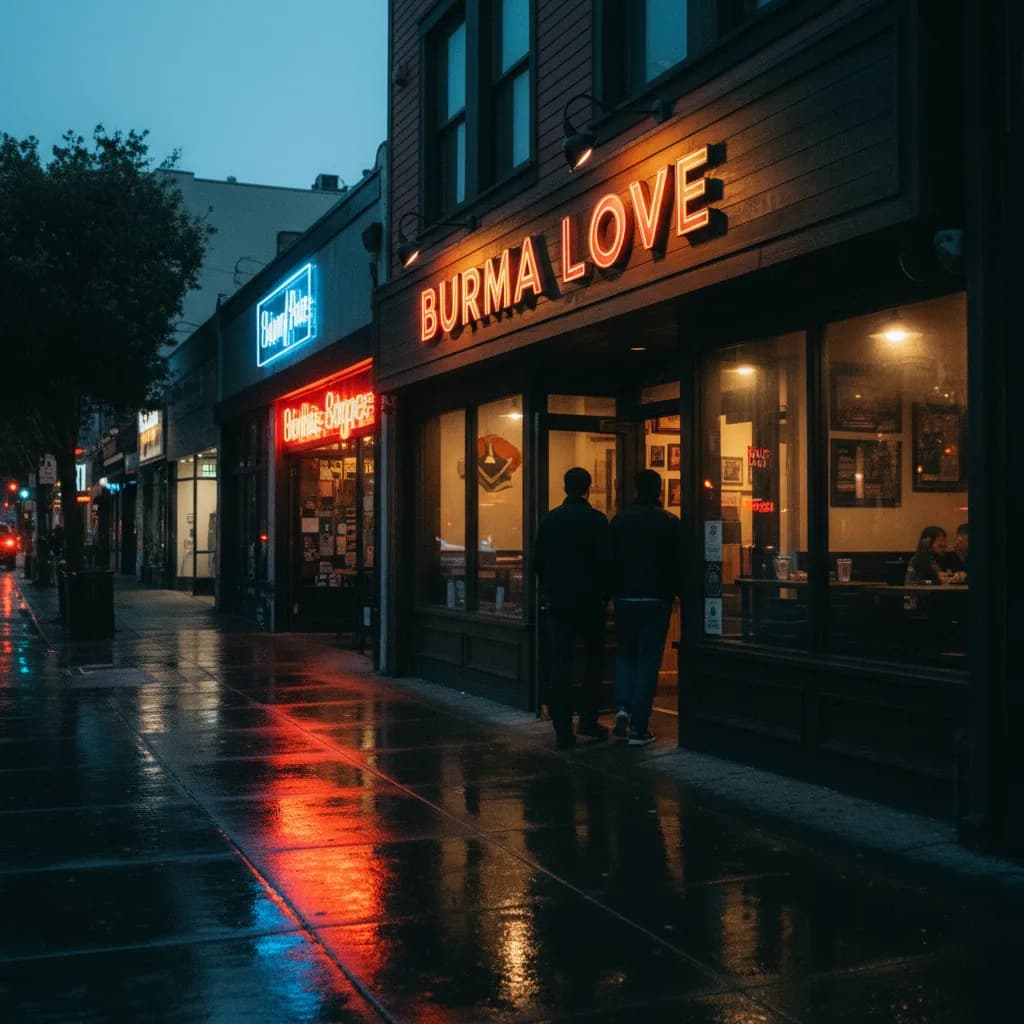 Finding Burmese Restaurants Open Near Me: Burma Love in Mission
 Outer Sunset Seafood Near Me: Hook Fish Co's Day-Boat Delights