 Fast Food Near Me in the East Village: Crif Dogs Deep-Fries Its Franks
Free Things to Do
solar eclipses: NYC Science Weekend Guide for Curious City Explorers
A calm NYC route for eclipse-curious readers using museums, libraries, parks, and official sky checks before committing the weekend.
New York City is not in the path of totality for the August 12, 2026 solar eclipse, but NASA lists New York, New York for a small partial view that afternoon: 1:07 p.m. start, 1:54 p.m. maximum, 2:38 p.m. end, and about 9% Sun coverage. That makes the smartest weekend plan less about chasing spectacle and more about building a verified, low-pressure science route. Use official eclipse timing, free library resources, supervised solar observing, and weather-aware parks so solar eclipses become a reason to explore the city calmly, safely, and without overspending.
Want a city-specific eclipse route without scrolling every calendar yourself? Text Karpo for NYC museum, library, park, and transit prompts tied to verified sky conditions.
NASA’s New York Eclipse Timing at Home First
Start with NASA, not a viral graphic. The agency’s August 12, 2026 eclipse page says the total path runs through Greenland, Iceland, northern Russia, the Atlantic, Spain, and a small corner of Portugal, while New York gets only a partial eclipse. For NYC, NASA lists 1:07 p.m. to 2:38 p.m. Eastern, with maximum coverage at 1:54 p.m. and roughly 9% of the Sun covered.
That small percentage changes the decision. If you already have certified solar viewers and a clear, open southern sky, the eclipse can be a quick lunchtime science stop. If you do not, skip improvising. NASA’s safety guidance is strict: do not look at the Sun through cameras, binoculars, or telescopes unless proper solar filters are mounted. Verification is part of the outing, not homework.
Riverside Park South Pier I for Supervised Sun Gazing
For a free outdoor option after eclipse-search curiosity peaks, look at NYC Parks’ Summer on the Hudson calendar for Sun Gaze Sundays at Pier I in Riverside Park South. The official listing shows Amateur Astronomers Association solar observing on Sunday, August 16, 2026, from 1:00 p.m. to 4:00 p.m. at Pier I. It is listed as free, which makes it useful for families, solo walkers, and low-commitment dates.
The tradeoff is weather and equipment dependence. Outdoor astronomy events can become cloud lessons, crowd management, or a short look through one filtered telescope rather than a long program. Treat Pier I as a flexible waterfront stop: arrive hydrated, expect summer glare, and check the NYC Parks event page before leaving. If the listing changes or clouds build, move the science day indoors instead of forcing a skywatching plan.
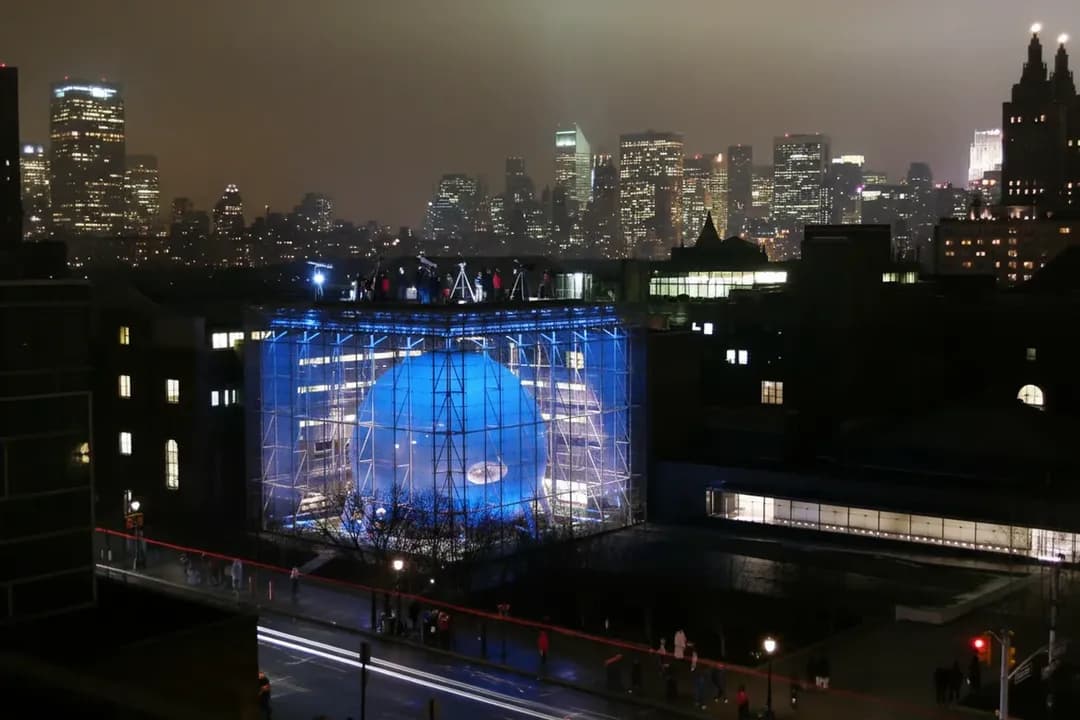
Hayden Planetarium and the Rose Center as the Indoor Anchor
The American Museum of Natural History gives NYC eclipse interest a serious indoor anchor through the Rose Center for Earth and Space and Hayden Planetarium. AMNH lists the museum at 200 Central Park West and posts daily public hours of 10 a.m. to 5:30 p.m., closed Thanksgiving Day and Christmas Day. Its current site highlights a planetarium show, Encounters in the Milky Way, alongside permanent science collections.
This is the best choice when heat, thunderstorms, wildfire haze, or poor visibility make outdoor viewing feel thin. It is not the pure free route for every visitor, so check admission and timed-ticket requirements before promising it to a group. The payoff is pacing: one focused planetarium or space-science stop can replace three scattered errands, especially for visitors who want context more than a photo.
NYPL Branch Calendars for a Free Science Detour
Public libraries are the practical backup that keeps the weekend from depending on the sky. NYPL event pages show branch-level listings with dates, accessibility notes, age ranges, and whether a program is in person. Even when a branch is not running an eclipse-specific event, libraries can support the route with astronomy books, databases, quiet cooling space, and staff who can point readers toward current science resources.
Use the library calendar like a verification tool. Search by date, borough, and science or astronomy terms before choosing a branch, because programming changes faster than evergreen guide pages. For families, confirm age fit and room capacity. For disabled visitors, prioritize listings that state wheelchair access and request ASL or captioning early where offered, since some accommodations require advance notice rather than same-day asking.
The High Line or Carl Schurz Park for Evening Stargazing
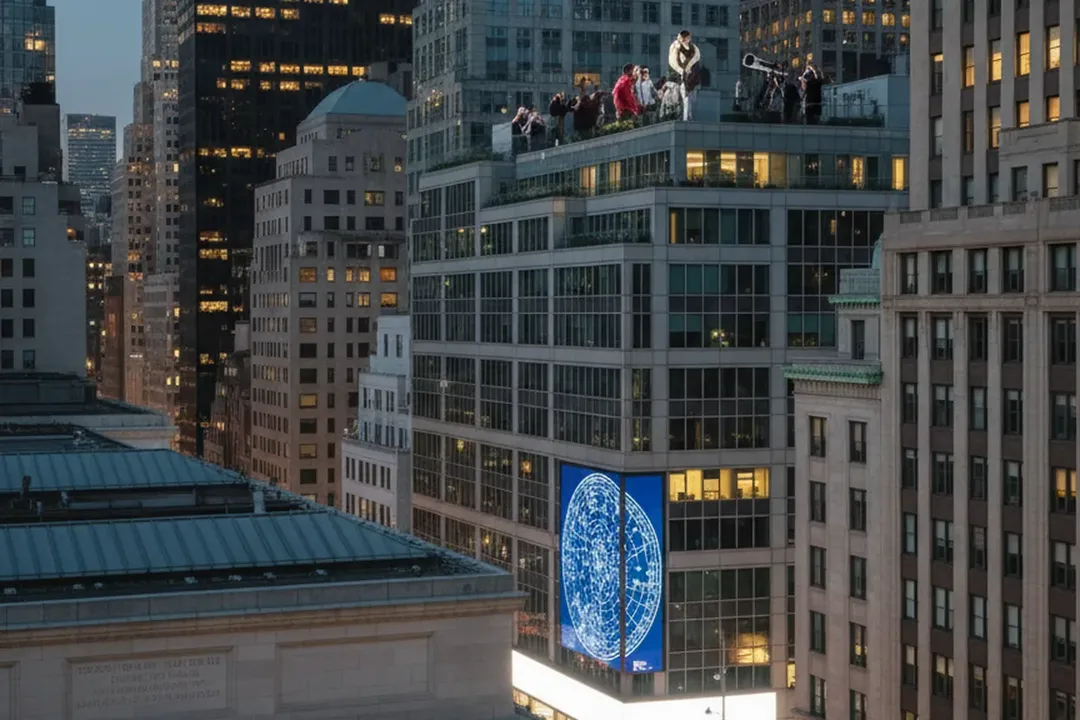
If the weekend plan extends past daytime, Amateur Astronomers Association listings on NASA’s Night Sky Network show current NYC observing options, including High Line stargazing on Tuesday, August 4, 2026, and Carl Schurz Park stargazing on Friday, August 7, 2026. The Carl Schurz listing places observers near East 86th Street and East End Avenue, while the High Line listing points to Little West 12th Street.
These are better for curious adults and patient kids than for anyone expecting instant drama. Telescopes may focus on planets, the Moon, or bright objects depending on sky conditions and volunteer setup. Check the event status close to departure, bring only what you can carry comfortably, and remember that city lights limit deep-sky views. The value is guided interpretation in a familiar public place.
Subway Choice Between 81st Street and West 70th Street
Keep the route compact by pairing the Upper West Side stops. AMNH’s Rose Center entrance is listed at 81st Street, while Pier I sits around West 70th Street in Riverside Park South. A practical weekend version starts near the museum, then walks or takes a short bus or subway transfer toward the Hudson. This avoids turning a science day into a five-borough scavenger hunt.
Accessibility and fatigue should decide the exact transit choice. The walk can be pleasant but hot, and summer storms can appear quickly. If traveling with children, older adults, or anyone managing mobility limits, favor shorter transfers and fewer exposed blocks. If elevators, service changes, or platform heat matter, verify MTA status before leaving, then choose the route with the least walking rather than the one that looks fastest.
Weather Check, Eye Safety, and One Last Calendar Tap
The main failure modes are simple: clouds, unsafe eye gear, full rooms, canceled observing, and outdated social posts. Build the day around official pages you can refresh from the sidewalk. NASA confirms the eclipse geometry and safety rules; NYC Parks and Night Sky Network confirm observing events; AMNH and library pages confirm hours, access notes, and ticket requirements. Screenshots help if cell service gets crowded.
Your final action should happen the morning you go. Check the National Weather Service forecast for New York City, refresh the venue calendar, confirm transit service, and decide whether the day is outdoor-first or indoor-first. If any changing fact cannot be confirmed, treat that stop as optional. The win is a calm science weekend that still works when the sky refuses to cooperate.
Tags: #solarEclipses #NYC #NewYorkCity #FreeThingsToDo #ScienceWeekend #Astronomy #HaydenPlanetarium #RiversideParkSouth #NYCParks #NYPL #StargazingNYC #AskKarpo #BeforeYouGo #WeekendPlans
Sources consulted: Source 1: science.nasa.gov · Source 2: amnh.org · Source 3: nycgovparks.org · Source 4: nightsky.jpl.nasa.gov · Source 5: nypl.org
All trademarks are the property of their respective owners.
Ask Karpo first
Tell Karpo your date, group size, budget, and starting point. We’ll check current access, timing, transit, and the cleanest New York City plan for public science museums, libraries, and skywatching spaces across New York City before you head out.
Ask Karpo for more information.
Keep reading
- Fast Food Near Me in the East Village: Crif Dogs Deep-Fries Its Franks
 Things To Do Near Me in NYC: Riding the Roosevelt Island Tram
 Things To Do Near Me in Washington Heights: The Cloisters' Medieval Galleries