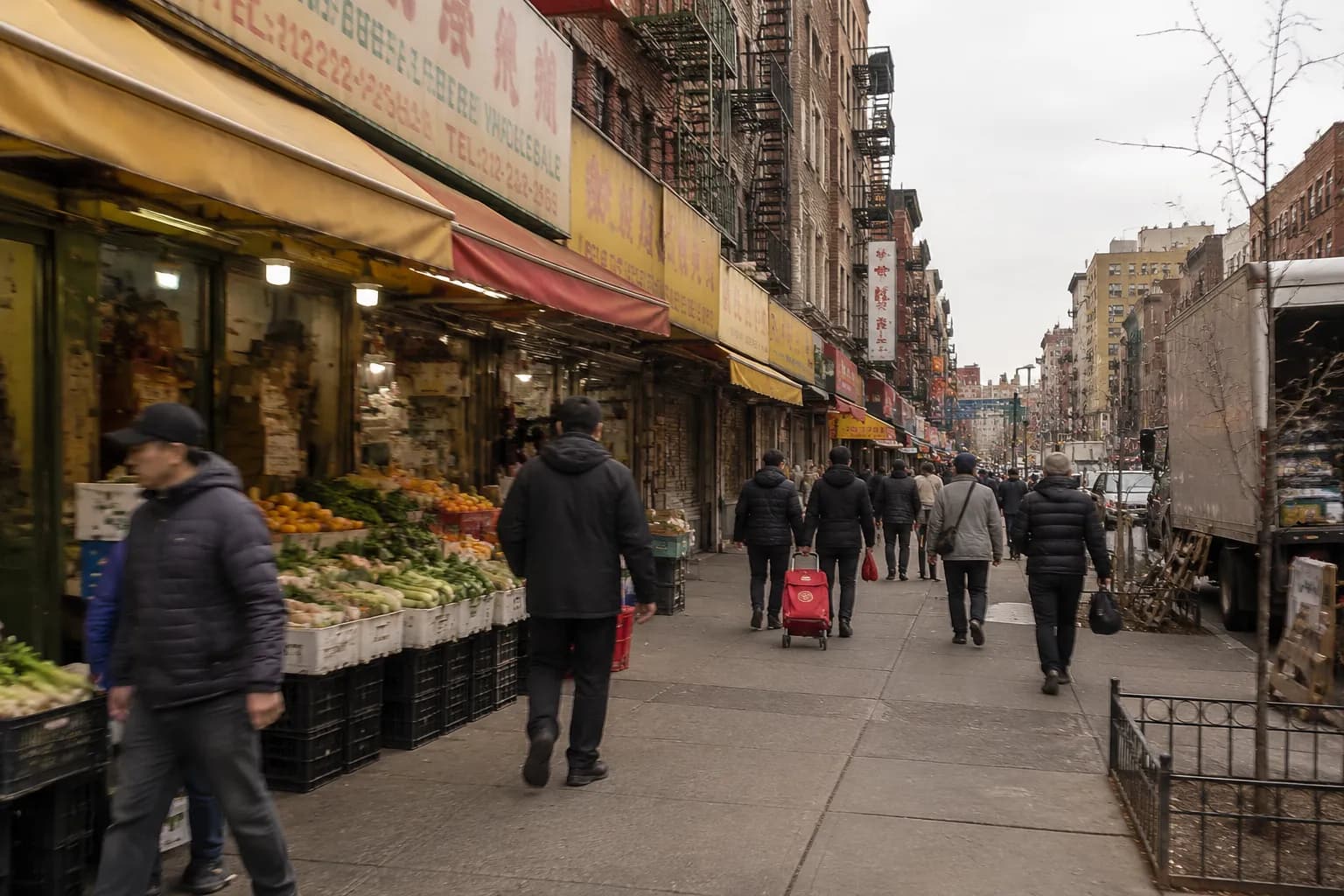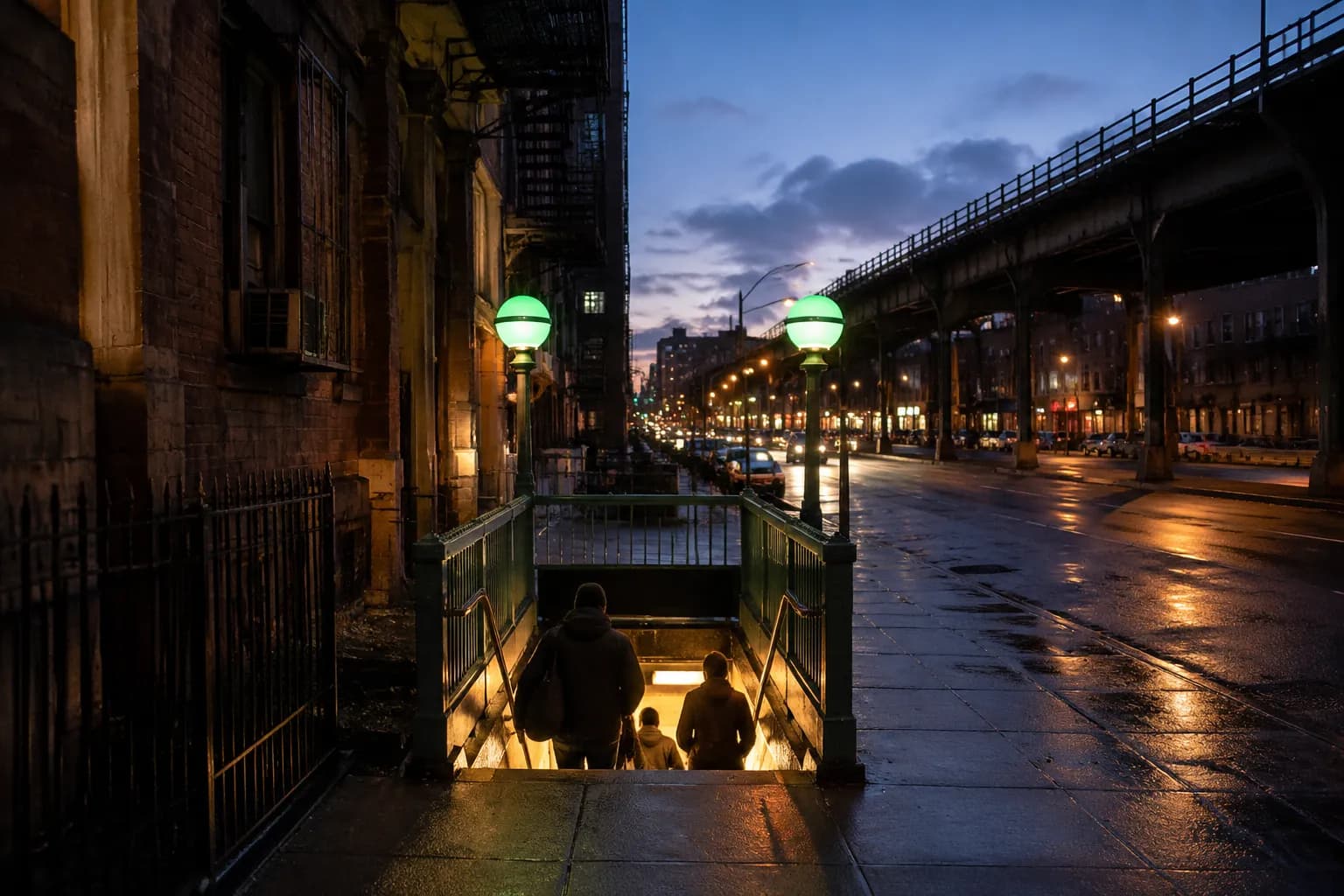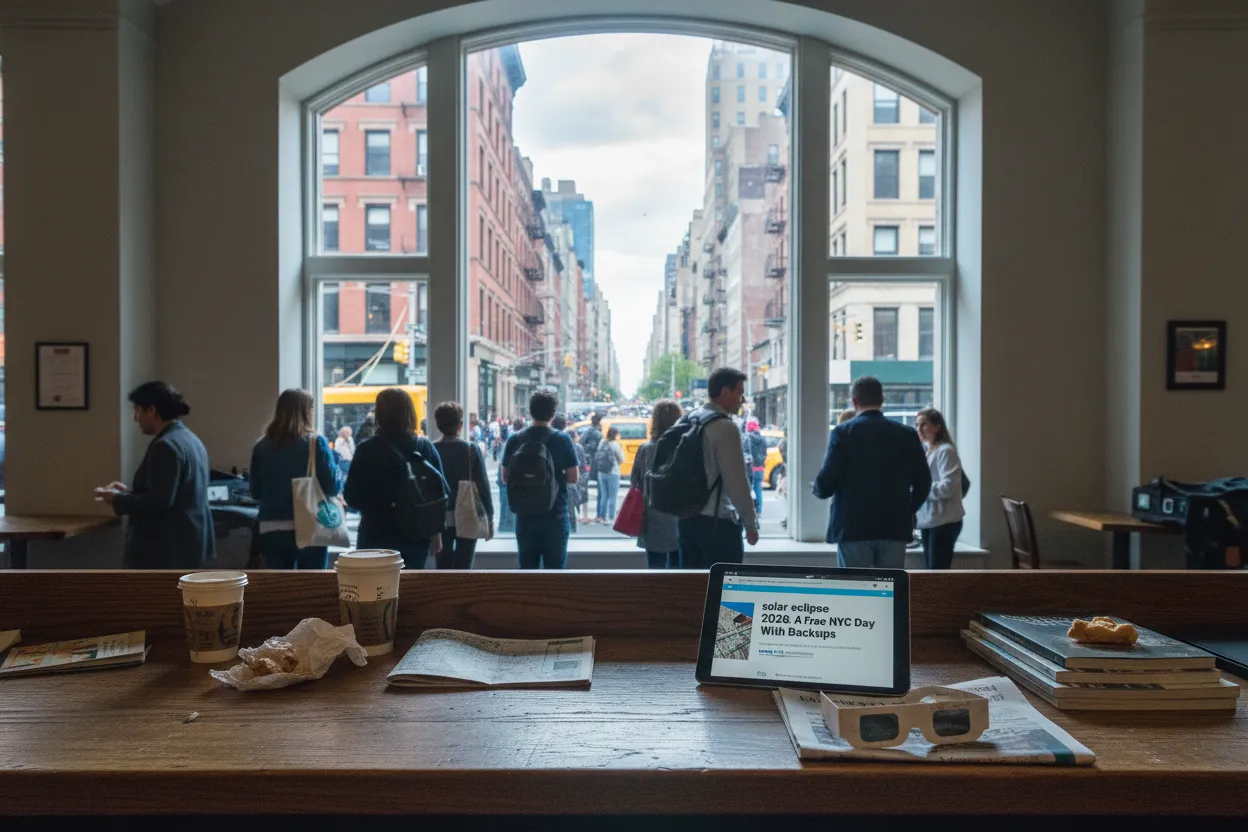
If solar eclipse august 2026 has you opening maps and event pages, keep the plan simple: do not chase hype, chase public access. In New York City, a good free day usually comes from one dependable anchor, a short walk, and at least one backup that does not depend on a private venue or an unverified listing. NYC Tourism’s budget pages point to free museums, monuments, art-filled attractions, and other citywide low-cost ideas, but the same caution applies to all of them: read the official page, check the date, and assume details can change. That approach matters even more when the weather, the crowd, or the calendar can reshape what is actually doable.
Want a borough-sized version of this plan, with the nearest backup folded in? Text Karpo and get a simple NYC route before you head out.

Turn current interest into a genuinely free outing
For a day shaped by the solar eclipse august 2026 search, start with places that do not depend on a promoter’s promise. NYC Tourism’s budget guide explicitly points to attractions, events, and activities for little to no expense, and its free museums page says some museums, monuments, and art-filled attractions are free today, on specific days, or at certain times during the week. That is the standard to use: public, visible, and confirmed.
If a listing sounds grand but the page is vague, treat it as a lead, not a plan. A real free outing in NYC is usually calmer than the marketing around it. The best version is often one place you can verify on the official page, plus a second stop nearby that does not require a reservation to keep the day from collapsing if the first option does not hold.
Start with public access rather than a promoted event
Begin with a place that is open to the public on paper before you build the rest of the day around it. That may be a free museum window, an art-filled attraction, or another no-cost stop from NYC Tourism’s budget and free-activity pages. The goal is not to find the loudest listing; it is to find the most verifiable one. Public access beats a polished landing page every time.
If the outing is going to happen smoothly, it should survive a little skepticism. A good rule is to trust the official page, not the repost. If the page says the stop is free only on certain days or certain times, work from that detail instead of assuming all-day access. The city has five boroughs, and there is no need to force a cross-city detour just to make the plan feel bigger.
Build a short route around one strong anchor
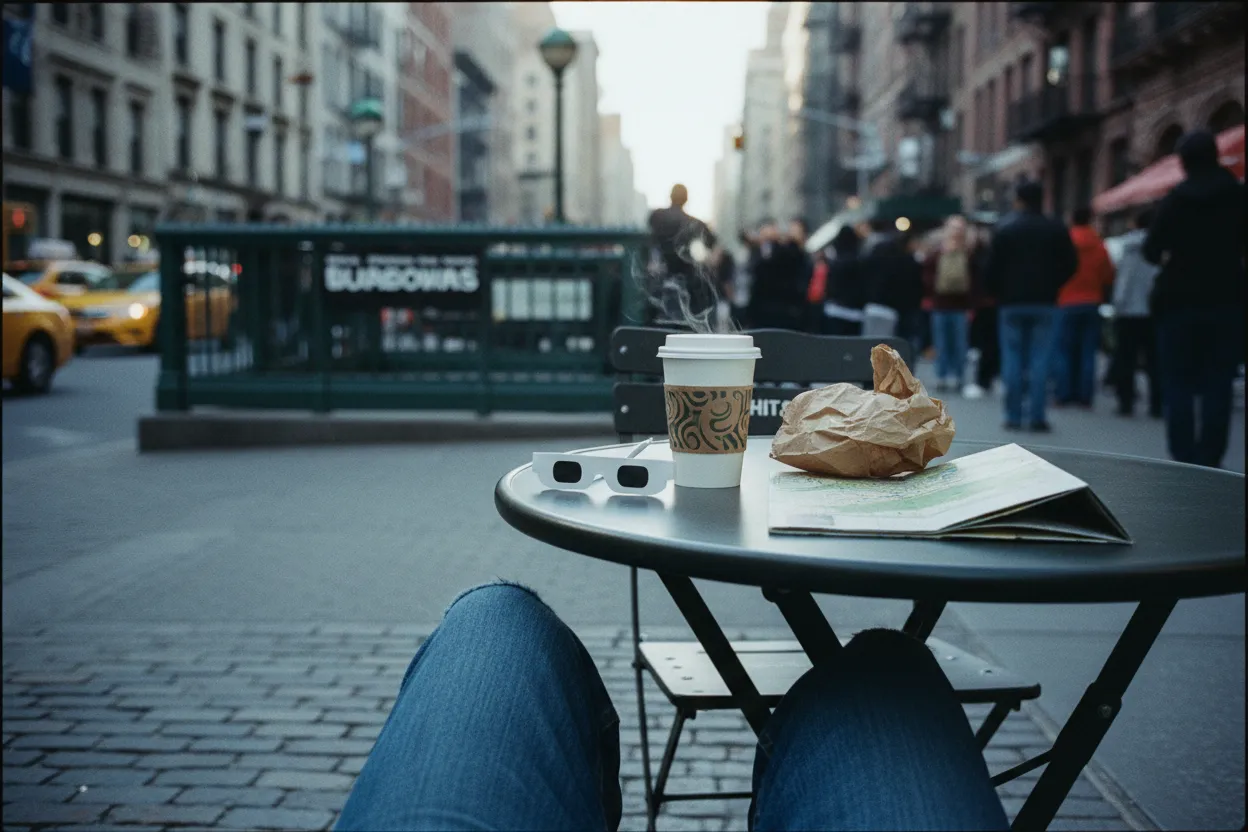
Keep the route short enough that one closure does not erase the day. Choose one anchor, usually a free museum, monument, or public cultural stop, and then add a nearby walk or second stop in the same borough. NYC Tourism’s borough pages make clear that the city is built in five parts, so the outing does not have to become a transit marathon to feel complete.
A short route also lowers the chance that you spend the afternoon just shuttling between platforms and entrances. Check your usual transit app or the official MTA page before leaving, then again after you decide whether to stay put or switch boroughs. The cleanest free day is often the one that asks the least of your timing, your feet, and your patience.
Use weather and crowd pressure as decision points
Weather can turn a small free outing into a bad one fast. If the sky is bright but the sidewalks are too crowded, or if rain makes your outdoor stop feel thin, move the anchor indoors. That is where NYC Tourism’s arts and budget pages help: you can keep the day in the same general plan without paying for a new ticket or inventing a new itinerary on the spot.
Crowd pressure matters as much as weather. If the place you want is popular, arrive earlier than your comfort zone or assume you will need a backup. With a high-interest search like solar eclipse august 2026, the real question is not whether the internet is excited; it is whether you can still move comfortably through the city. If the answer is no, switch to the calmer option.
Know when free still requires registration
Free does not mean walk-in. NYC Tourism’s free museums guidance says some places are free on specific days or at certain times during the week, which means the clock matters. TV Show Tapings is another example: the page points readers to free tickets, so you should expect a ticketing step rather than a casual drop-in. That is useful, but it is not spontaneous.
Read the official page for any time windows, registration rules, age limits, or ID checks before you leave. If a stop asks for a reservation you cannot secure, do not force it. Switch to another public option and keep the day moving. If you are willing to spend a little instead, NYC Restaurant Week Summer 2026 runs Jul 20–Aug 16 with 2-course lunches and 3-course dinners across all five boroughs starting at just $30.
Recheck access on the day
Same-day verification is the difference between a smooth outing and a wasted subway ride. The official page you checked yesterday may no longer match the hours, ticket rules, or access pattern today. Open the page again before you head out, and treat any alert, banner, or calendar note as the latest word. That is the most practical way to keep a free NYC plan honest.
If you want a no-stress backup, the city’s own budget pages give you one: free museums, monuments, art-filled attractions, and other low-cost cultural options. Keep one public anchor, one backup, and one optional cheap detour in reserve. If the first choice falls through, the day still works because it was built to be reversible, not brittle.
Tags: #AskKarpo #BeforeYouGo #NYC #FreeThingsToDo #SolarEclipseAugust2026 #NYCFreeMuseums #BudgetActivities #PublicAccess #TransitCheck #CrowdWatch #BackupPlan #LocalLife #VerifyFirst #CityPlan
Sources consulted: nyctourism.com · new.mta.info · nycgovparks.org
All trademarks are the property of their respective owners.
Ask Karpo first
Ask Karpo first if you want this turned into a neighborhood-specific plan. A quick check can help you choose the best public anchor, the safest backup, and the version of the day that actually survives weather, crowd pressure, and same-day access changes.