You walk into the Home Depot on Second Avenue in East Harlem, load up on drywall anchors, paint rollers, a closet organizer kit, maybe some lumber, and only at checkout do you realize the M15 bus doesn't run late enough and the 6 train involves two flights of stairs at 125th Street. The cashier offers delivery for forty dollars. You decline. You drag everything down Lexington. Your shoulder hurts for two days.
Karpo checks which Home Depot has your item in stock right now and maps the fastest subway route that won't leave you stuck on a platform with a cart. Text it before you leave.

The cart-on-the-L mistake everyone makes once
The mistake is not checking how you're getting it home before you pick the store. New York City has three Home Depot locations that matter for most residential projects: East Harlem at East 117th, Sunset Park in Brooklyn on Third Avenue, and Hamilton Avenue in Gowanus. The Bronx location on Exterior Street exists but involves a bus transfer most Manhattanites won't bother with. Each store carries slightly different stock, and none of them are convenient to all subway lines.
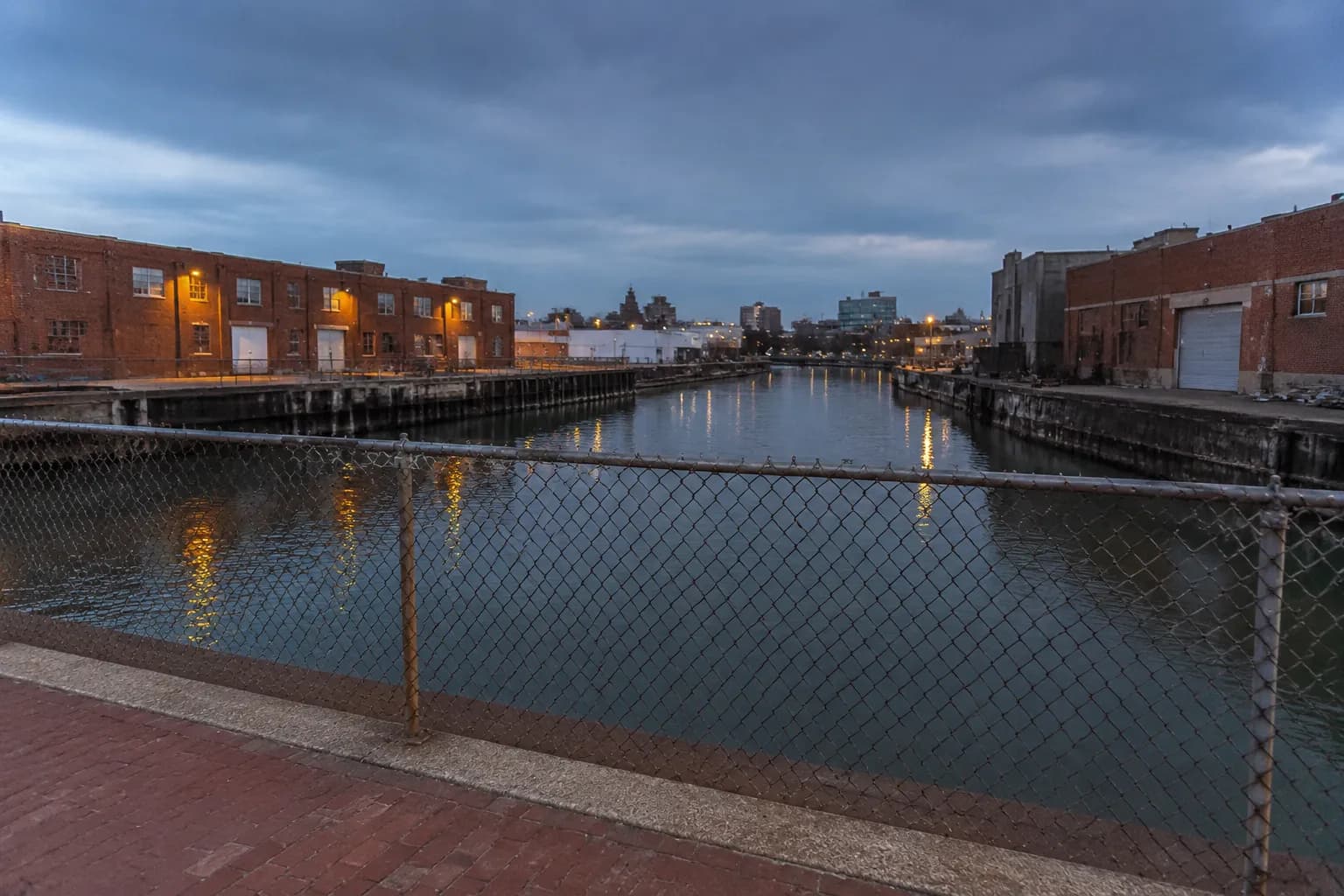
If you live in Bushwick and you're buying anything heavier than a gallon of paint, the Gowanus Home Depot off the F/G at Smith-9th Streets is your only realistic option. It's a ten-minute walk from the platform, mostly flat, and the store sits next to the canal so you can wheel a cart outside without security stopping you. The Sunset Park location is bigger and sometimes cheaper, but getting there means the R train and a walk along Third Avenue that gets very narrow and very crowded near 36th Street. Dragging a flatbed cart through that sidewalk scene is not worth saving three dollars on a can of primer.
A route that survives the weekend G train
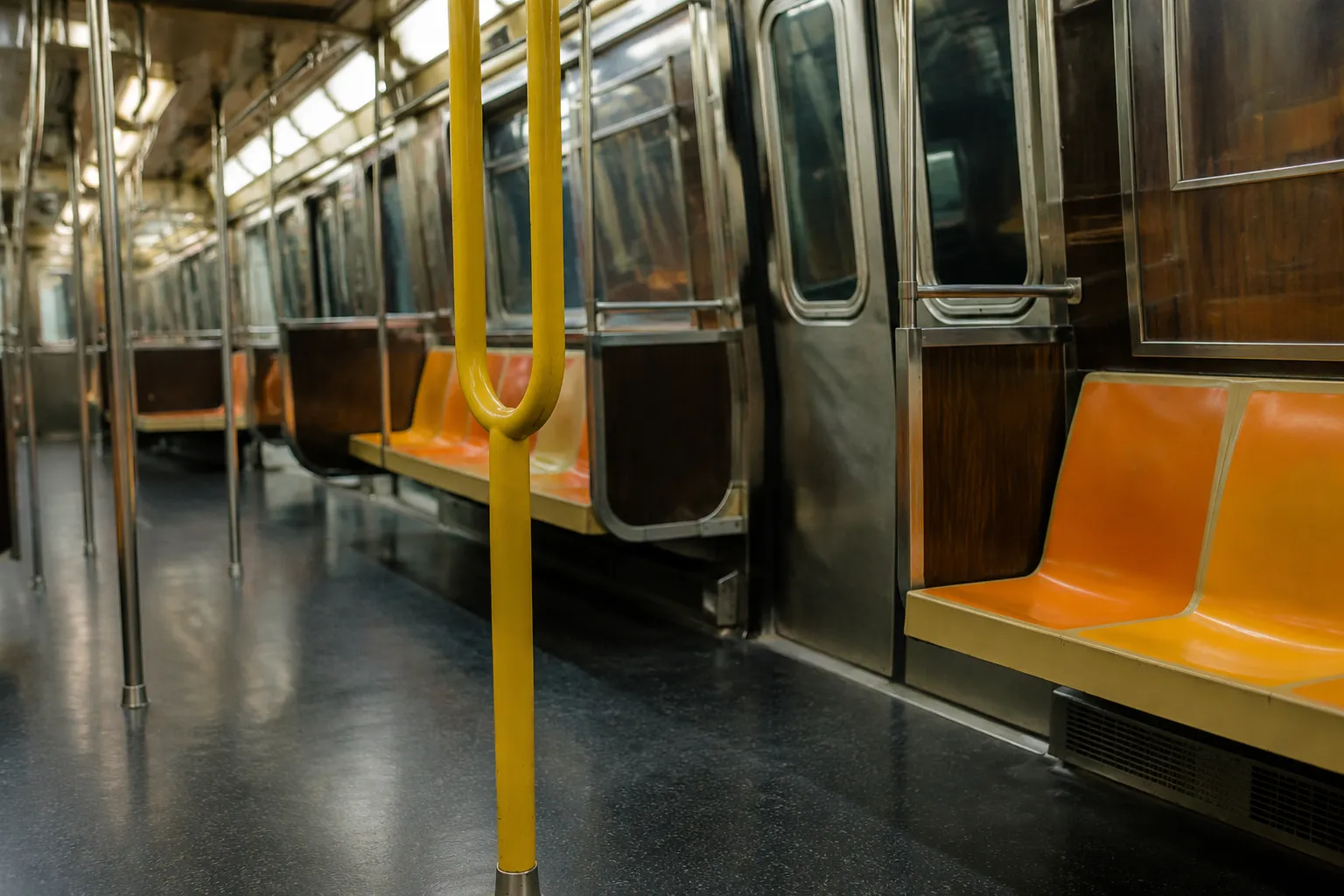
The G train does not run to Manhattan on weekends. It also skips stops without warning when track work happens, which is often. If your plan depends on the G, you need a backup that doesn't add thirty minutes. From Bushwick, the L to the M at Lorimer is your safety valve. The M runs local through Brooklyn and connects to the F/G at Fourth Avenue-9th Street, one stop from Smith-9th. That transfer is underground, dry, and has an elevator if you're moving something bulky.
The other option is the J/M to Marcy, then the M to the same Fourth Avenue stop. It sounds like more trains, but the J runs more frequently than the G on Saturdays, and the Marcy platform is wide enough that you won't block traffic with a loaded cart. The walk from Smith-9th to Home Depot is downhill on the way there, which matters less than you think, because uphill on the way back with sixty pounds of tile is where people give up and call a Lyft.
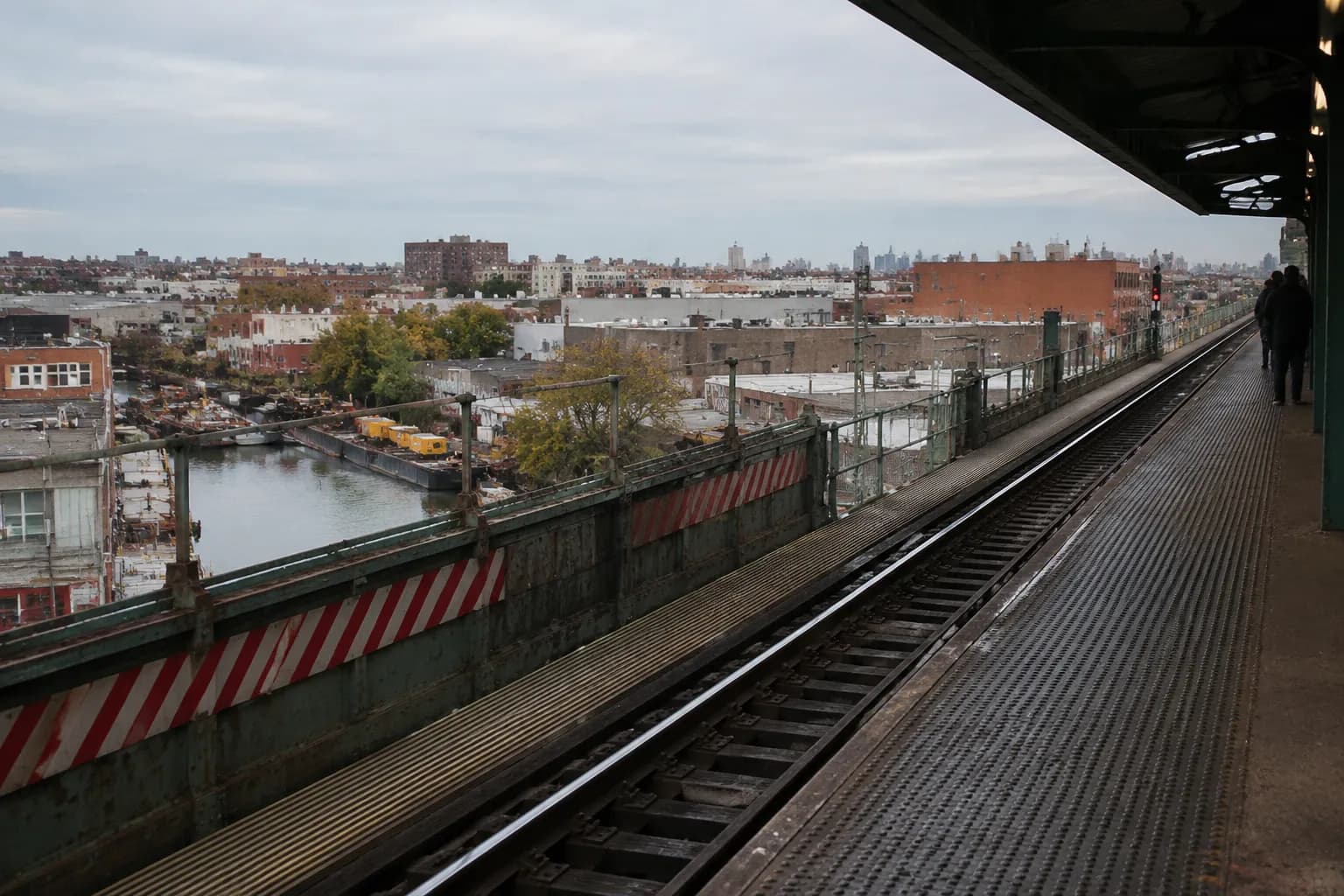
If you're coming from Manhattan and you're buying more than a backpack's worth of supplies, take the F to Smith-9th and accept that this is a trip, not a quick errand. The F runs express in Brooklyn during the day, so Bergen Street to Smith-9th is about twelve minutes. The platform at Smith-9th is elevated and exposed. If it's windy or raining, wait for the next train rather than wrestle a cart on wet metal grating. One hand on your phone and one on a two-by-four is how people fall.
The Hamilton Avenue Home Depot does not have a loading zone that makes sense for foot traffic. The parking lot exit dumps you onto Hamilton, which has no sidewalk for a block and a half. If you're walking, you're in the street with trucks. The store's website lists cart return areas, but those are for people who drove. If you're on the subway, plan to carry everything the last three hundred feet or accept that you'll be in a bike lane with a flatbed.
Who should skip this entirely
If you're renovating a kitchen or doing any project that requires more than two trips, Home Depot's delivery service is cheaper than your time. The flat rate starts around sixty dollars for most of Brooklyn, and they'll bring it to your apartment door if the building has access. Trying to haul a dishwasher on the F train is not clever, it's a lawsuit waiting to happen when you block the door at rush hour.
If you don't have a furniture dolly or a solid tote bag with real handles, don't buy anything that comes in a box bigger than a microwave. Home Depot's boxes are not designed to be carried by hand for more than fifty feet. The handles tear. The bottom splits. You'll end up sitting on a bench on Smith Street rewrapping everything in your jacket while a pigeon watches.
If the project is time-sensitive, check stock online before you go. Home Depot's inventory updates are not real-time. An item showing as in stock might be sitting in someone's cart at checkout, or it might be on a pallet in the back that a single employee is slowly unloading. The East Harlem location is notorious for showing stock that's actually at the Bronx warehouse. Calling ahead doesn't help; the phone system routes you to a national line that reads the same website you're looking at.
What to verify before you leave your apartment
Check the MTA's weekend service alerts every single time. The assumption that your normal train is running is how you end up at Bedford-Nostrand learning that the G is replaced by shuttle buses. The MTA's website is frustrating, but it's current. If your route involves a transfer, look up both lines. If one is running local instead of express, add fifteen minutes.
Confirm the item is in stock at the specific store you're going to. Home Depot's app lets you check inventory by location, and while it's not perfect, it will tell you if something is definitely out of stock. If the app says limited stock, that usually means fewer than five units, and you should assume someone else is buying it while you're on the train. For anything bulky or expensive, some people call the store's pro desk directly and ask them to hold it. The pro desk number is separate from the main line and someone usually answers.
Look at the weather for the next two hours, not just right now. A trip that starts in sun and ends in rain means wet cardboard, which disintegrates. If there's any chance of weather, bring a tarp or a couple of heavy-duty garbage bags. Home Depot sells them, but you'll pay twice as much inside the store as you would at a bodega, and the bodega on Fourth Avenue near the Gowanus store keeps a stack by the register because they know.
Decide what you're willing to carry before you start shopping. It's easy to add a hammer, a level, some sandpaper, a box of screws, and suddenly your backpack weighs forty pounds and the cart has another thirty. If you're on the subway, fifteen pounds per hand is the realistic maximum for more than two stops. Anything heavier and you're setting it down every time the train brakes. The floor of the L train is not clean. Your new drill bag will touch it.
Practical notes
- Smith-9th St F/G station has an elevator but it's often out of service; check MTA status before you go
- Home Depot Gowanus closes at 9pm weekdays, 8pm Sundays; confirm hours online day-of
- Bring your own bags or a folding cart; store bags are thin and handles rip under weight
- If buying lumber, measure the subway door width first (about 50 inches); anything longer rides diagonally or doesn't fit
- Weekend G train suspensions are common; have the L-to-M route as backup
- Rain makes cardboard boxes collapse fast; wrap anything absorbent in plastic before you leave the store
Tags: #karpo #nyc #newyorkcity #bushwick #brooklyn #homedepot #diyprojects #subwaylife #gowanus #sunsetpark #homerenovation #nyclogistics #trainroute #brooklynliving #cityplanning
Sources consulted: MTA Weekend Service Changes · Home Depot Store Locator
All trademarks are the property of their respective owners.
Ask Karpo first
Text Karpo to check which Home Depot location has your item in stock right now and whether your usual subway line is running normally tonight. It'll map a route that avoids the transfer with stairs and tell you if the store closes earlier than you think.