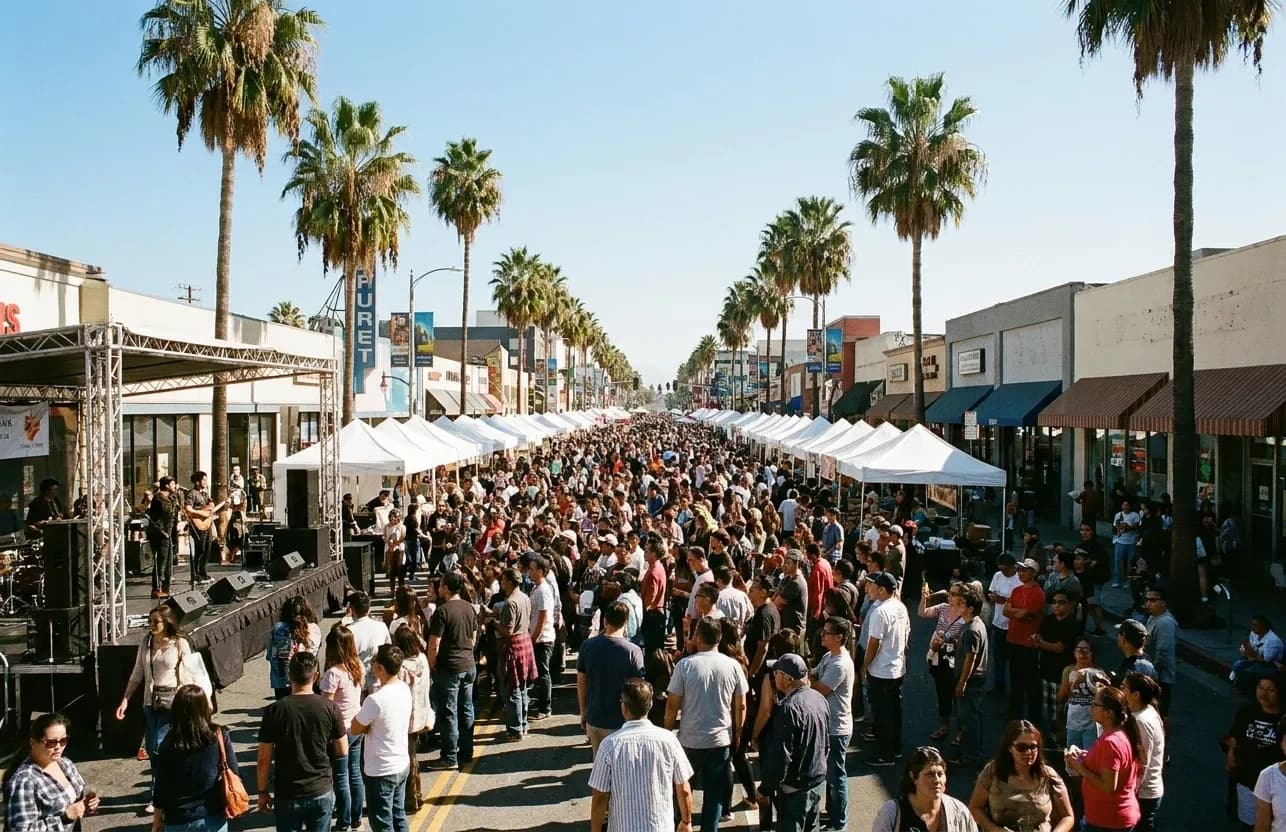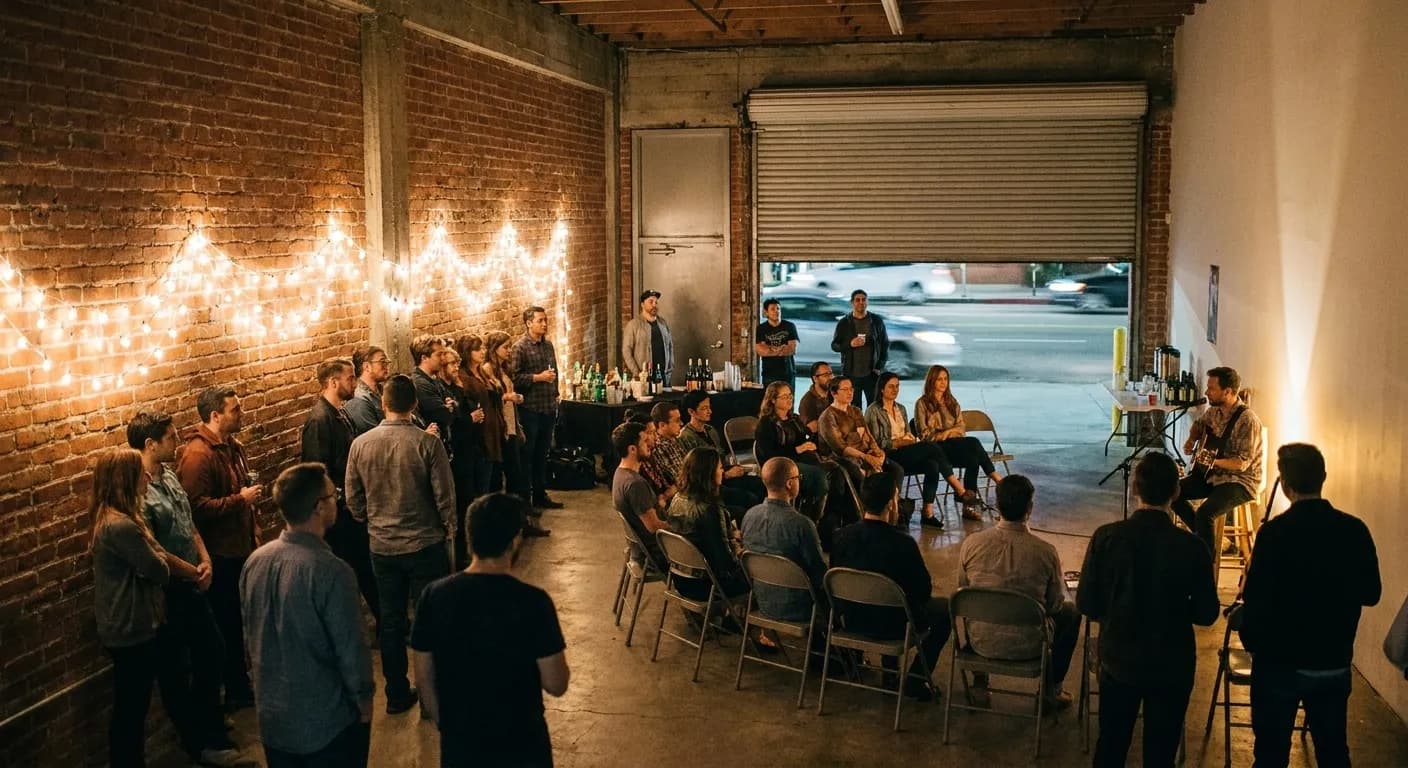
Koreatown runs a dense programme of small events — gallery openings, one-off music nights, pop-ups, film screenings, market days, community gatherings — almost none of which appear on the sites people check for things to do. This is not because they are exclusive. It is because the neighbourhood's announcement infrastructure is social and physical rather than algorithmic, and if you are not watching those channels the events are invisible.
The best small events in this neighbourhood never reach a listings site, which is why showing up is mostly a question of knowing where the announcements go. Tell Karpo what you are into and it will help you watch the right channels.
The physical channels still work here
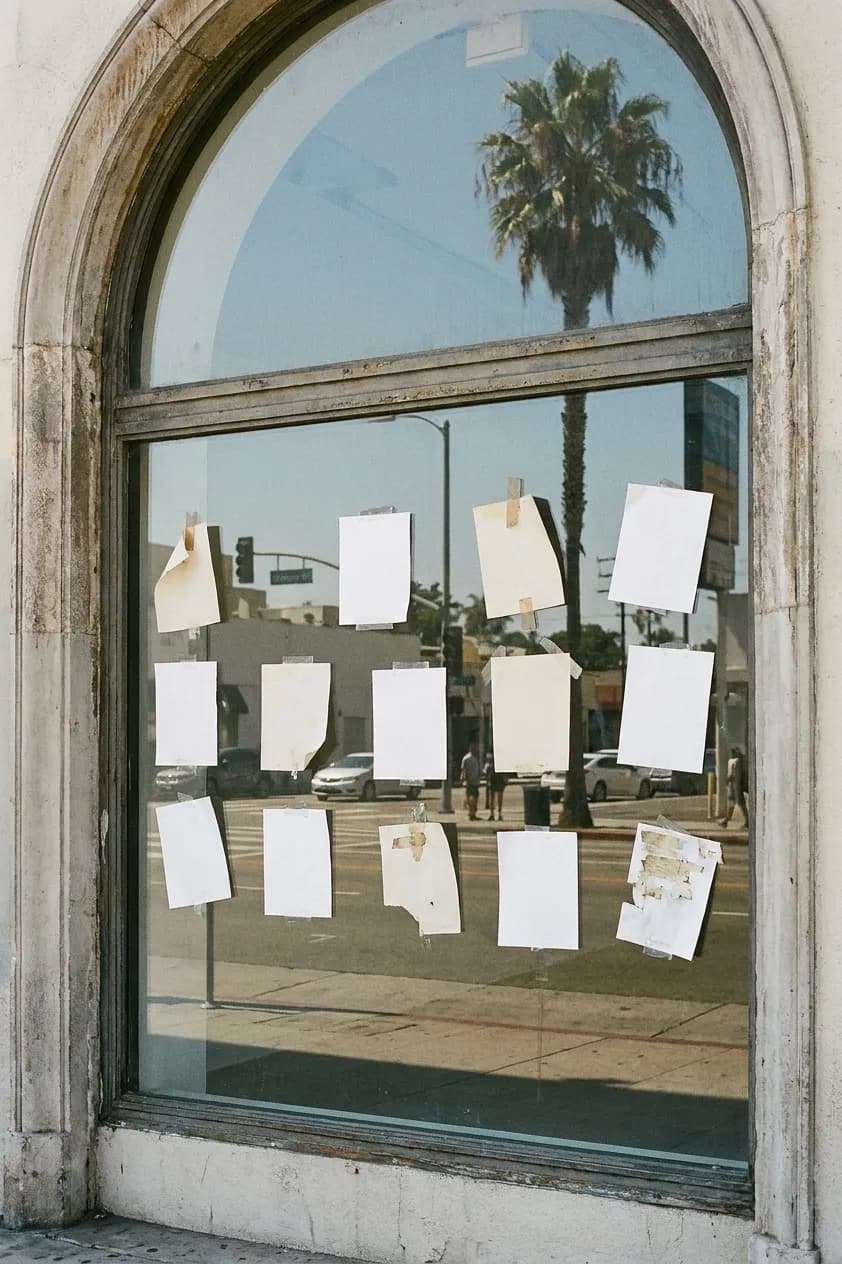
Paper still does real work in this neighbourhood. Flyers in shop windows, notices taped inside cafe doors, stacks of cards by a till, a board inside a market — these carry announcements that never go online at all, particularly for community and cultural events. Walking a few blocks and actually reading windows is a genuinely effective research method here.
It works because the audience for these events is local, and the organisers know it. There is no reason to buy reach when the people you want are walking past the window. That is also why the events tend to be good: they are made for a specific audience rather than for a general one.
The venue channels
The second layer is venues announcing on their own accounts a few days ahead — a bar putting on a DJ, a bookshop hosting a reading, a cafe holding a market, a gallery opening a show. These have a short announcement window and no aggregation, so following eight or ten places directly is worth more than any listings site.
The advantage of following venues rather than events is that a venue is a durable filter. A room that hosted something you enjoyed will do it again, and the taste behind the booking persists. Building that list once pays off for years and takes an afternoon.
The community and cultural organisations
Koreatown has a substantial infrastructure of cultural centres, community organisations, religious institutions and business associations, and they run a lot of programming — festivals, markets, performances, classes, screenings. It is nearly all publicly open and it is announced on the organisations' own channels.
This is where the neighbourhood's largest and most interesting events come from, including the seasonal ones that draw people from across the county. Checking a handful of these calendars monthly catches almost everything worth planning around.
Why small is the point
A thirty-person event in a room is a different social proposition from a large one. You can talk to whoever organised it, the people there are there deliberately, and the barrier to going alone is low because everyone is a bit exposed. In a city as spread out and car-dependent as Los Angeles, those rooms are how people actually meet each other.
The practical advice for going alone is straightforward: arrive early rather than fashionably late, because the first twenty minutes of a small event is when people talk to strangers. Arriving an hour in means walking into formed groups.
Practical notes
Park once in a lot and walk — that is both how you get around this neighbourhood efficiently and how you see the flyers in the first place. Many small events are cash at the door, several are free, and start times are approximate. Turnout varies and events get cancelled quietly.
Confirm on the organiser's own channel on the day rather than relying on a listing or an article, and treat a small event as an opportunity rather than a fixed plan — the neighbourhood has enough of them that a cancellation costs you very little.
What kinds of events these actually are
The range is wider than people expect: gallery openings with a bar, film screenings in back rooms, record listening nights, night markets in parking lots, language exchanges, craft and vintage pop-ups, church and community festivals, and one-off music nights in spaces that are not venues. Most are free or under twenty dollars.
They also skew later than equivalents elsewhere in Los Angeles, in keeping with the neighbourhood's clock. An event starting at nine or ten is normal here rather than unusual, which makes them viable after dinner rather than instead of it.
Turning up alone
Small events are the easiest social format in a city that is otherwise hard to meet people in, and going alone is unremarkable at nearly all of them. The practical advice is to arrive within the first half hour, talk to whoever is running it — organisers are always glad someone came — and treat one conversation as a successful evening.
If it is not working, leaving early is completely fine and nobody notices. That low exit cost is precisely why this format is worth trying repeatedly rather than agonising over which one to attend.
Tags: #LosAngeles #LA #SoCal #Events #WhatsOn #LiveShows #Koreatown #LAEats #LAGuide #ExploreLA #LALocal #LAWeekend #LANights #LAFood
Sources consulted: laist.com · discoverlosangeles.com · latimes.com
All trademarks are the property of their respective owners.
Ask Karpo first
Karpo is a proactive AI assistant that lives in iMessage. Tell it what you are into and it will watch for what is on.