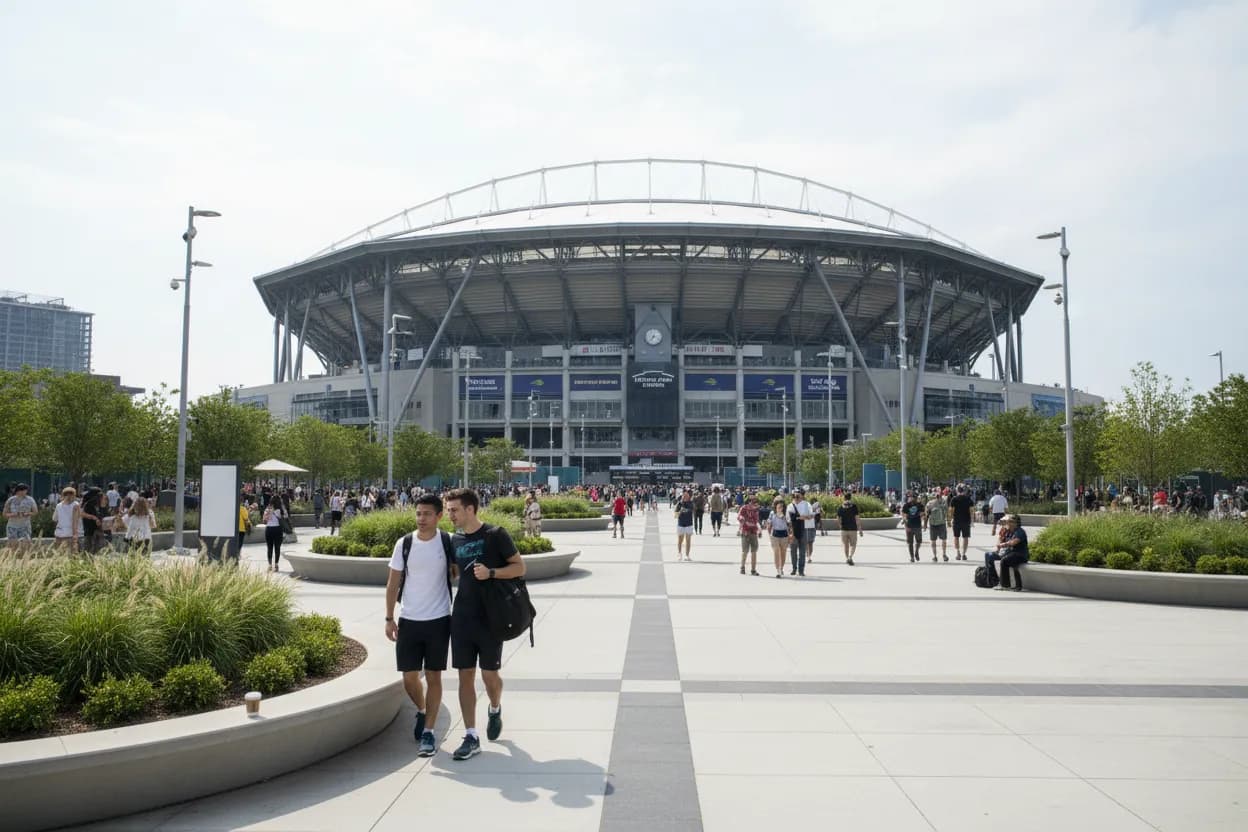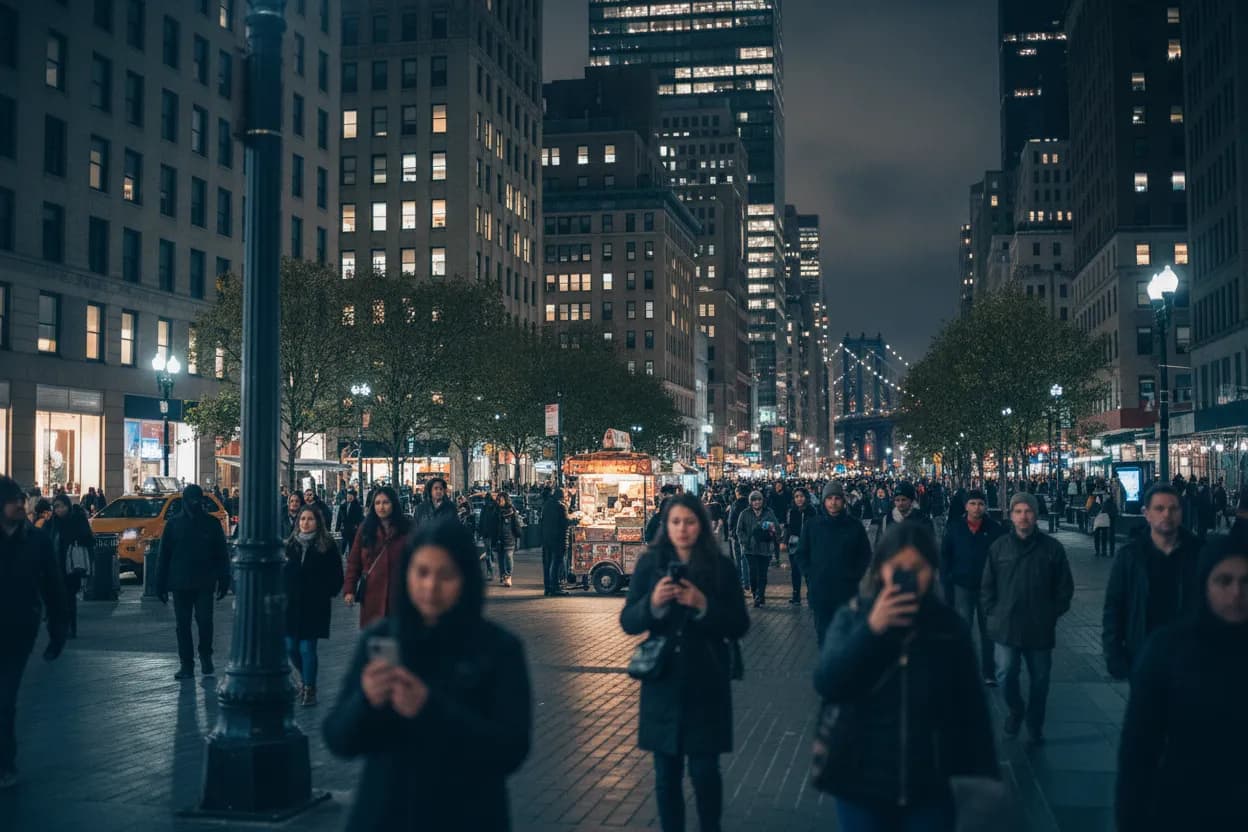
sky vs storm is a useful search hook this week, but in NYC it should not become a rumor mill. Treat it as a prompt to build a public sports-and-social plan, not as proof of a local appearance, team affiliation, private event, guaranteed screening, or special access. New York City already has the infrastructure for this kind of night: sports, nightlife, restaurants, parks-adjacent meetups, borough hopping, and official event pages that should be checked before anyone leaves. The smart move is to decide what your group actually wants—playing, watching, eating, walking, or simply having a reason to gather—then verify the current schedule, venue access, and transit conditions on official sources.
Want a plan that avoids fake listings and last-minute confusion? Text Karpo before you go, and ask for a checked NYC sports social route with backup options.

Turn the sports interest into a social plan
Start with the honest premise: sky vs storm may be what people are searching, but your NYC plan should be built around verifiable public options. That means no assuming a local game, no promising a watch party, and no relying on reposted flyers unless the venue or organizer confirms the details on an official page. For a group chat, the better question is simple: are you using the sports interest as the main event, or as the excuse to meet?
NYC Tourism frames the city as a place with constant energy and a wide supply of sights, attractions, activities, sports, nightlife, events, and food across the five boroughs. Use that range. A strong plan can be as simple as a public sports bar or casual venue first, a walkable food stop second, and a flexible borough-specific backup third. If the sports piece falls through, the night should still work.
Choose participation or spectating first
Before anyone debates neighborhoods, split the plan into two lanes: participation or spectating. Participation means your group wants to move—shoot around, join a recreational activity, walk between public spaces, or make the evening feel active. Spectating means the group wants seats, screens, food, and a predictable place to talk. Mixing those expectations without naming them is how NYC plans get messy.
For participation, keep the commitment light unless an official reservation or permit system confirms availability. Public spaces and city facilities can have changing access, weather limitations, closures, or capacity issues, so the right instruction is not “meet there and hope.” It is “check the official page, pick a nearby second option, and set a decision time.” For spectating, call or verify the venue’s current listings directly when the game or matchup matters to the group.
If food is part of the plan, the current city calendar gives you a timely anchor: NYC Restaurant Week Summer 2026 runs from July 20 through August 16, with 2-course lunches and 3-course dinners across all five boroughs starting at $30, according to NYC Tourism. Participating restaurants and availability can change, so use the official Restaurant Week page before promising a table.
Match the venue to the group energy
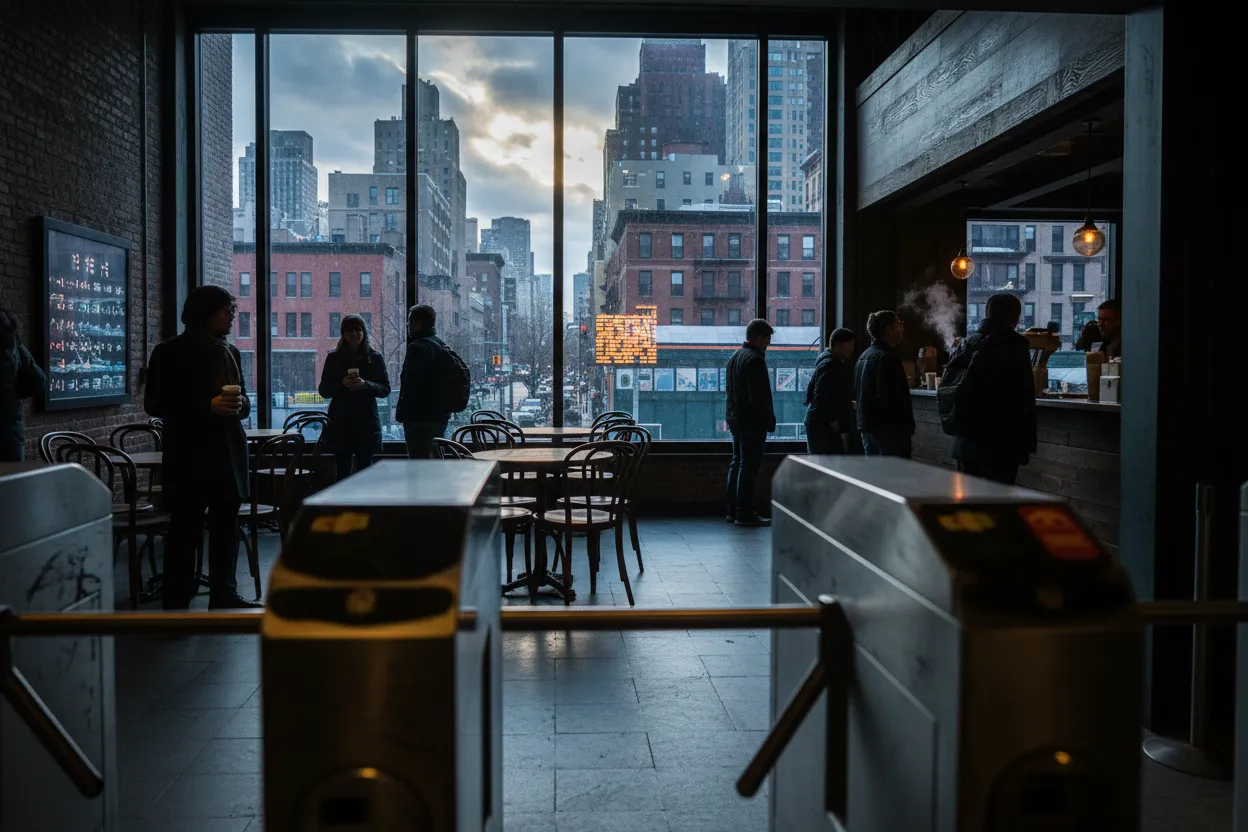
NYC is not one sports-social setting. Manhattan works when the group values centrality, skyline energy, Broadway-adjacent streets, and a high-density meeting point. Brooklyn is better when the group wants nightlife, boundary-pushing food, and a night that can keep moving after the sports angle. Queens is useful for groups that care about food variety and a less one-note version of the city. The Bronx carries deep sports and cultural history, while Staten Island can turn the plan into a ferry-linked outing with views and a slower pace.
Pick the borough before the venue. A group coming from different directions may need a central Manhattan meet. A Queens-based group may prefer staying local rather than dragging everyone into Midtown. A Brooklyn night can work well for people who want the social part to outlast the screen or score. The point is to reduce friction, not chase hype.
Crowd risk should shape the choice. If the plan depends on a venue with limited seating, a popular neighborhood, or a major city event nearby, assume there may be waits or door decisions you cannot control. Build a “walkable second stop” into the invite, and make sure it is public, ordinary, and easy to explain. The best NYC backup is not glamorous; it is reachable.
Plan equipment seating and transit early
If your group is playing or doing anything active, name the equipment question in advance. Who is bringing a ball, who is not, and what happens if the space is unavailable? Do not make one beginner carry the plan. Also avoid assuming storage, lockers, changing areas, or on-site amenities unless an official venue page confirms them. A sports-social night should be casual, but the logistics cannot be imaginary.
For spectating, seating matters more than people admit. A standing-room bar can be fun for two people and miserable for eight. A restaurant may be better for conversation but may not be showing what your group expects. A nightlife venue may fit the mood but not the sports goal. Verify the venue’s current hours, entry rules, reservation options, and programming directly before the group commits.
Transit should be checked the day of the outing, not only when the invite is created. NYC Tourism highlights subway-accessible stories and experiences from Times Square to every borough, but routes, service changes, station conditions, and travel times are operational details that should be verified on official transit sources before leaving. Set a meet time and a leave-by time, because “I’m on my way” can mean three different things in New York.
Keep beginners from feeling stranded
A good sports social plan should work for the person who follows every matchup and the person who only came because friends were going. If the night is organized around sky vs storm interest, explain the plan without making anyone pass a knowledge test. Say where to meet, what the first stop is, whether the group is playing or watching, what the food plan is, and when you will switch to the backup.
Beginners also need an exit path. Choose areas where someone can leave without derailing the whole group, and avoid plans that require everyone to stay until an uncertain ending. If you are pairing sports with NYC Restaurant Week, confirm the restaurant’s current participation and booking details before presenting it as the group meal. If you are pairing sports with nightlife, make the first stop accessible to the least intense person in the group.
Use plain roles: one person checks the official venue page, one checks transit, one confirms food, and one watches the weather or outdoor-access issue if relevant. That sounds formal, but it prevents the classic NYC failure mode: twelve people in a chat, zero confirmed facts, and a plan that collapses on the sidewalk.
Verify schedules before leaving
The final check should happen close to departure. Confirm the sports timing from the official league, team, venue, or broadcaster source available to you. Confirm the venue is open and showing or hosting what you expect. Confirm the restaurant or food stop still fits the group. Confirm transit on an official source. If any part cannot be verified, downgrade it from “plan” to “maybe.”
Do not mistake search volume for a city event. A phrase can be timely without proving anything local. For NYC readers, the useful version is practical: use the interest to gather friends, then let official information decide the route. Keep the first stop simple, the second stop nearby, and the backup realistic.
A clean same-day script looks like this: meet at a verified public venue, arrive early enough to handle seating uncertainty, keep food within a short walk or ride, and name the backup before anyone leaves home. That protects the night from bad listings, full rooms, weather changes, service issues, and overconfident friends.
Tags: #skyvsstorm #NYCSports #NYCNightlife #SportsSocial #NYCPlans #FiveBoroughs #Manhattan #Brooklyn #Queens #TheBronx #StatenIsland #NYCRestaurantWeek #AskKarpo #BeforeYouGo
Sources consulted: nyctourism.com · new.mta.info · nycgovparks.org
All trademarks are the property of their respective owners.
Ask Karpo first
Ask Karpo first if your group is turning a sports search into an NYC outing. Karpo can help you separate confirmed public details from hype, pick a realistic borough plan, check timing questions, and keep a backup ready before anyone gets on the train.