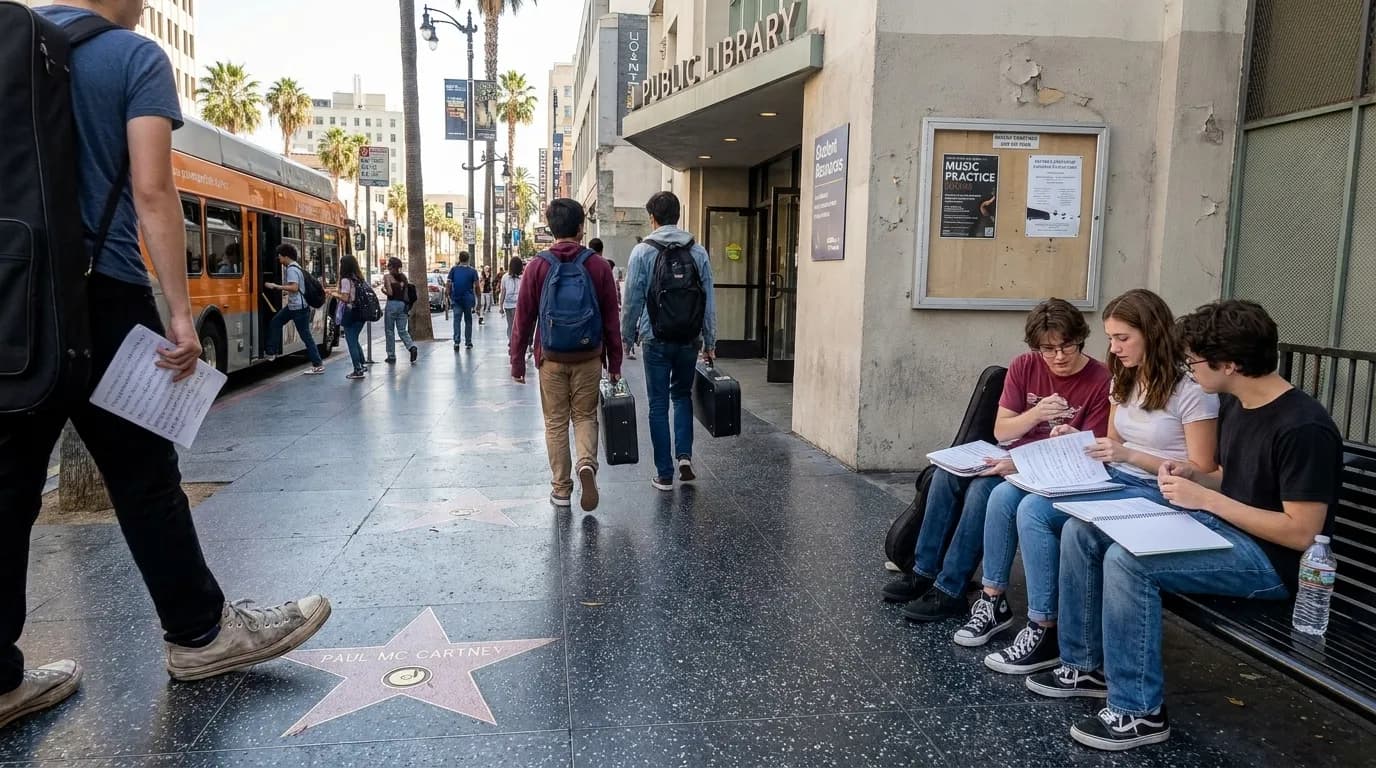
The end of summer in Los Angeles brings a familiar rhythm for student musicians: the quiet, focused preparation for a new school year. Whether you're a vocalist warming up for choir, a guitarist prepping for jazz band, or a violinist returning to orchestra, the weeks before classes start are crucial. But finding a place to practice without disturbing family or neighbors can be a challenge, and the cost of new supplies can add up quickly. While the internet is full of generic advice, this guide is specifically for LA students. We'll focus on a practical, budget-conscious approach that starts with an invaluable public resource: the Los Angeles Public Library. From there, we'll explore how to use the city's transit system to your advantage, understand practice etiquette in shared spaces, and plan your supply runs strategically. This is your back-to-school roadmap for making music in LA.
Start by exploring the Los Angeles Public Library's extensive online resources for music scores, recordings, and information on branch-specific services. Your library card is the key to unlocking these tools.

Your Public Library as a Music Hub
The Los Angeles Public Library (LAPL) system is a powerful, and often overlooked, resource for student musicians. Beyond books, your library card provides free access to a vast collection of digital and physical materials. This includes streaming music services for reference listening, extensive archives of sheet music and scores, and instructional databases. Before you spend money on new materials, a thorough search of the LAPL's online catalog can reveal required pieces for your school orchestra or choir, saving you a significant part of your back-to-school budget.
Several LAPL branches offer specialized spaces, including potential practice rooms or rooms that can be reserved for quiet study, which can double as a practice location. It is essential to verify availability and policies directly with your local branch. Use the LAPL website to find contact information for branches near you and inquire about their reservation system, any time limits, and rules regarding musical instruments. Planning ahead is key, as these spaces can be in high demand, especially as the school year approaches.
To make the most of the library, start by obtaining a library card, which is free for California residents. Once you have your card, you can log into the LAPL's digital portals from home to browse and download materials. This allows you to plan your practice sessions and supply needs in advance. You can place holds on physical items like scorebooks and have them sent to your nearest branch for convenient pickup, streamlining your prep process.
Mapping Your Practice Route with LA Metro
Los Angeles is a sprawling city, and getting to a library branch or a music store requires a transportation plan. LA Metro's official website and associated apps feature a trip planner that is an essential tool for navigating the bus and rail system. You can input your starting point and destination—like a library with a reservable room—to find the most efficient route, estimated travel time, and any necessary transfers. This is particularly useful for students who don't have access to a car or want to avoid traffic and parking costs.
Transporting an instrument on public transit requires some forethought. According to LA Metro's general guidelines, you can bring items aboard as long as they don't block aisles or doorways and can be held on your lap or stored under a seat. For larger instruments like cellos or baritone saxophones, this can be challenging. Always travel during off-peak hours if possible, and consider a durable, well-padded gig bag or case to protect your instrument from bumps and jostles. Be mindful of your surroundings and fellow passengers at all times.
Using a TAP card is the most economical way to ride. Students in LA County may be eligible for reduced-fare programs, which can significantly lower transportation costs over the school year. Visit the LA Metro website to learn about the eligibility requirements and application process for student TAP cards. Loading your card in advance and setting up autoload ensures you're always ready to go, making your trips to practice sessions or supply stores seamless and affordable.
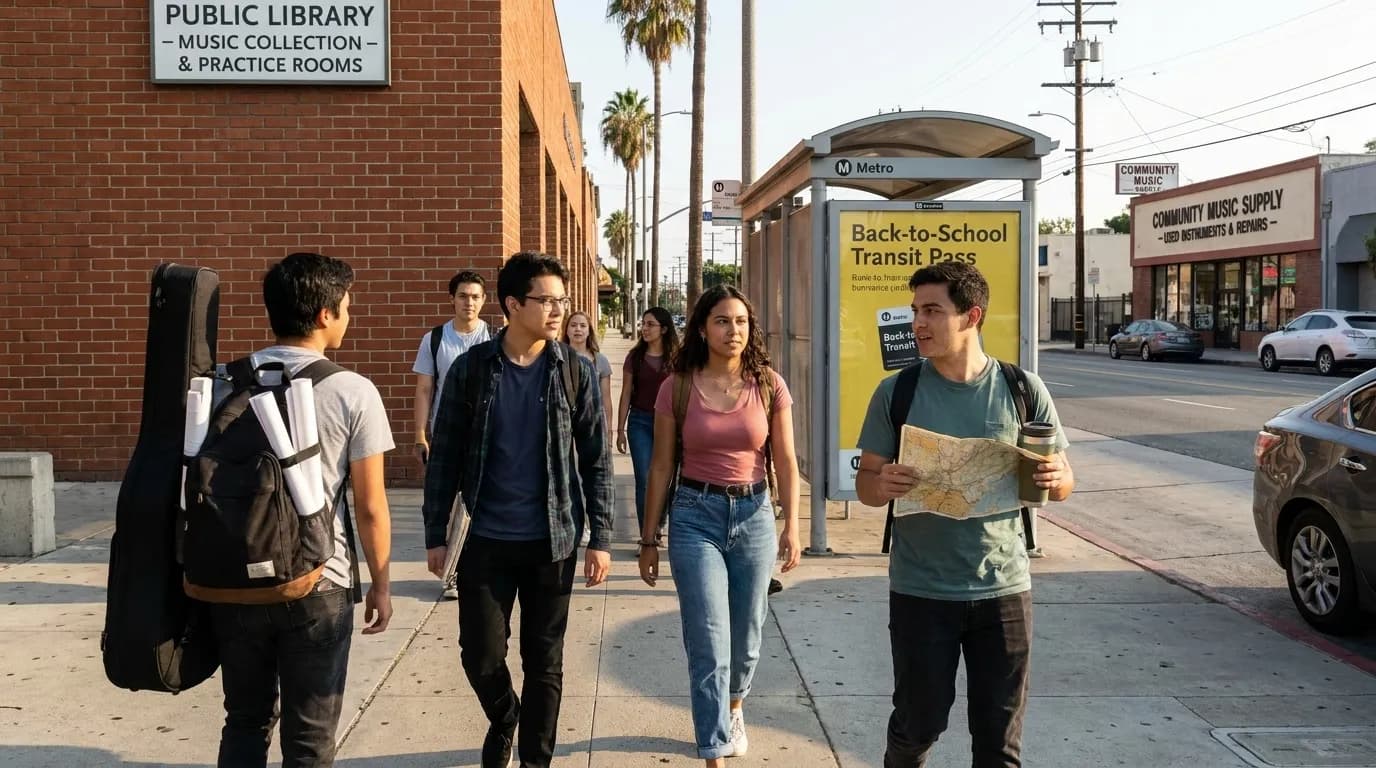
Practice Etiquette for Shared and Private Spaces
Whether you secure a room at the library or practice at home in an apartment building, understanding etiquette is crucial for maintaining good relationships with those around you. In a shared facility, the golden rule is to leave the space cleaner than you found it. Stick strictly to your reserved time slot, be mindful of volume levels even in designated music rooms, and avoid bringing food or drinks that could cause a mess. Your conduct reflects on all student musicians who hope to use the space after you.
At home, communication is the most effective tool. Talk to your family or roommates to establish a predictable practice schedule. If you live in an apartment, consider speaking with your immediate neighbors to find times that are least disruptive for them. For acoustic instruments, simple sound-dampening techniques can make a big difference. Practicing on a rug, hanging heavy blankets on the walls of your practice corner, or using a practice mute can help absorb sound and keep the peace.
When home or the library aren't options, you might look to other public spaces like parks. Before you set up, check for any posted rules about noise or performances in public areas. Choose a spot that is a considerable distance from playgrounds, picnic areas, or people trying to relax. The goal is to practice, not perform, so be discreet and respectful. This approach ensures you can work on your craft without becoming a public nuisance.
Budgeting for Back-to-School Music Supplies
The start of a new school year often comes with a required list of music supplies. Before you buy anything, create a detailed checklist. Divide it into 'needs' and 'wants.' Needs include essential items like valve oil for brass players, new reeds for woodwinds, or a specific edition of a score for class. Wants might be a new tuner app when a free one works, or a cosmetic upgrade to your instrument. Prioritizing needs helps you focus your budget on what is absolutely necessary for the first day of school.
To acquire your supplies affordably, think beyond walking into the nearest major retailer. Look for local music shops that sell used gear or offer student discounts, though you'll need to research these independently. Online community marketplaces can be a source for used method books, music stands, and other accessories. Always exercise caution when buying from private sellers and, if possible, inspect items in person before purchasing. Timing is also important; some stores have back-to-school sales in late summer.
Don't forget to leverage your student status. Many businesses, from local shops to online retailers, offer student discounts, but you often have to ask for them and present a valid student ID. When purchasing online, search for promo codes before checking out. By combining a needs-based list with smart shopping strategies and student discounts, you can get everything on your list without unnecessary financial stress.
Digital Tools and County Arts Resources
Your smartphone can be one of your most valuable practice tools. A wide variety of free or low-cost mobile apps can replace expensive physical devices. You can find highly accurate tuners, fully customizable metronomes, and basic audio recording apps to listen back to your practice sessions and track your progress. For a singer, an app that plays scales or provides pitch reference can be invaluable for daily warm-ups. Integrating these digital tools can make your practice sessions more efficient and productive.
Look beyond your school's music program for broader opportunities by exploring the LA County Arts and Culture website. This official resource provides information on arts initiatives across the county, which can sometimes include student-focused workshops, public performances, or even grant and internship opportunities. While not a direct source for practice space, it's a great place to understand the larger arts ecosystem you're a part of and find inspiration or future goals to work toward.
The digital world also offers a community. Online forums and social media groups dedicated to specific instruments or genres of music can be a source of encouragement and practical advice. You can connect with other students in LA and beyond to discuss difficult passages, share practice tips, or learn about different techniques. Remember to prioritize online safety: use platforms with established community guidelines, be cautious about sharing personal information, and keep interactions focused on music.
Creating a Pre-Semester Practice Plan
With your spaces identified and supplies in hand, the final step is to create a structured practice plan for the remaining weeks of summer. Start by setting realistic, achievable goals. Instead of a vague goal like 'get better at violin,' aim for specifics like 'master the first two pages of my audition piece' or 'consistently play all major scales at 100 bpm.' Breaking down large goals into smaller, measurable tasks prevents you from feeling overwhelmed and provides a clear sense of accomplishment.
Structure your week to balance focused practice with rest. A sample schedule might include two or three sessions at the library for loud or intensive work, supplemented by daily, shorter sessions at home focusing on theory, sight-reading, or quiet technical exercises. Block out time not just for practice, but also for your supply runs and travel time on LA Metro. A written schedule creates accountability and helps build the discipline required for a successful school year.
Finally, always prioritize your physical and mental well-being. Every practice session should begin with a proper warm-up to prevent injury, whether it's gentle stretches for a pianist's hands or breathing exercises for a vocalist. Pacing is key; marathon practice sessions are more likely to lead to burnout than progress. Think of this pre-semester period as a gradual ramp-up, allowing you to return to your school ensemble feeling prepared, confident, and genuinely excited to make music.
Practical notes
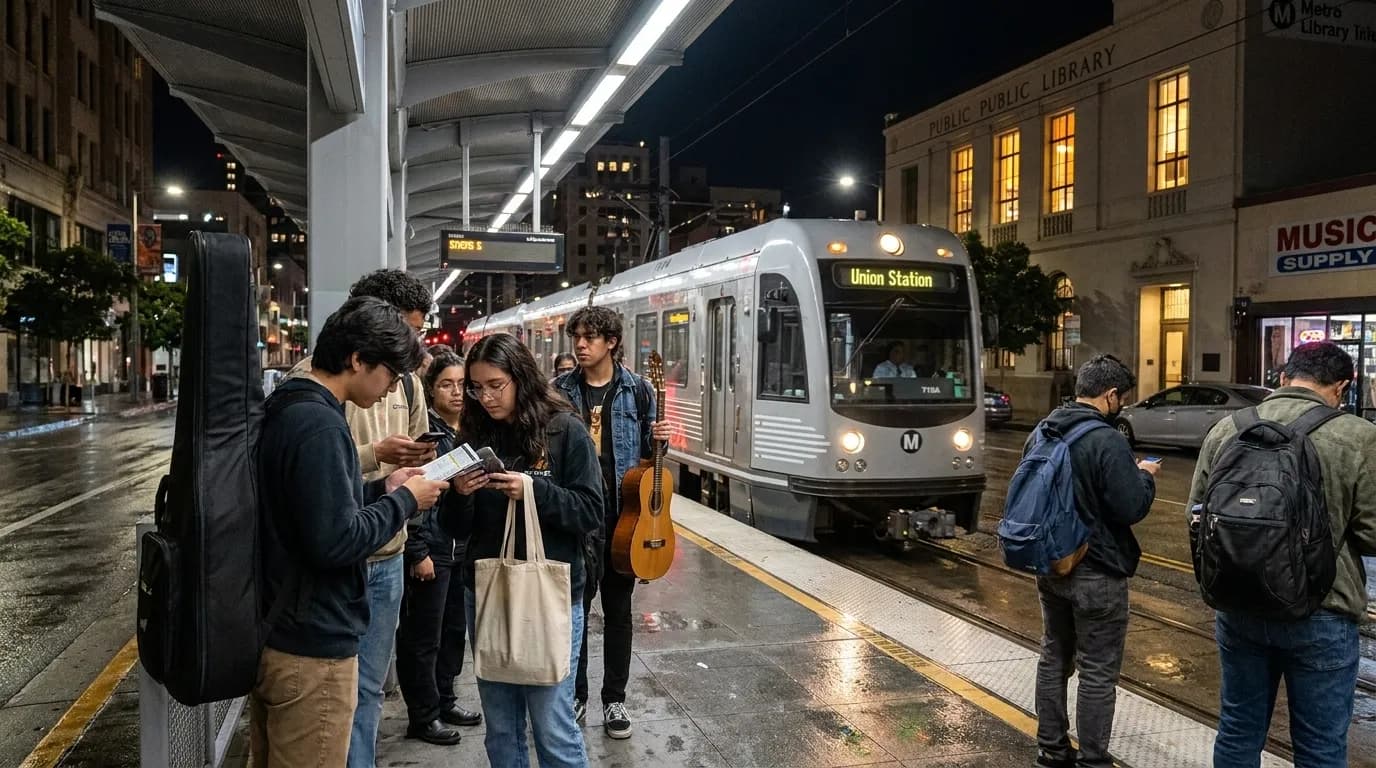
Before visiting any Los Angeles Public Library branch, call ahead or check its specific page on the LAPL website to confirm hours and inquire about the availability and reservation policies for any quiet study or music practice rooms. For transit, use the LA Metro website to plan your trip and verify rules for carrying large items like musical instruments; policies can be updated. Information on student TAP card eligibility and applications is also available on the Metro site. Accessibility information for both library branches and Metro stations is detailed on their respective official websites. Always confirm details directly with the source, as services and hours can change. This proactive approach ensures your back-to-school preparation is efficient and free of surprises. Be aware that demand for public resources is often high during the back-to-school season.
Tags: #LABacktoSchool #LAMusic #StudentMusician #PracticeSpace #LAPublicLibrary #GoMetro #MusicStudent #LAArts #SingerLife #PracticeTips #LosAngelesLife #BudgetFriendly #MusicEducation #SoCal
Sources consulted: Los Angeles Public Library · LA Metro · LA County Arts and Culture
All trademarks are the property of their respective owners.
Ask Karpo first
## Ask Karpo first Planning your music practice route in a specific LA neighborhood? Ask Karpo for grounded tips on navigating your local library branches or finding the best Metro route for your instrument.