 Kovan Hainanese Curry Rice Lunch Picker: Heartland Plates
Restaurants
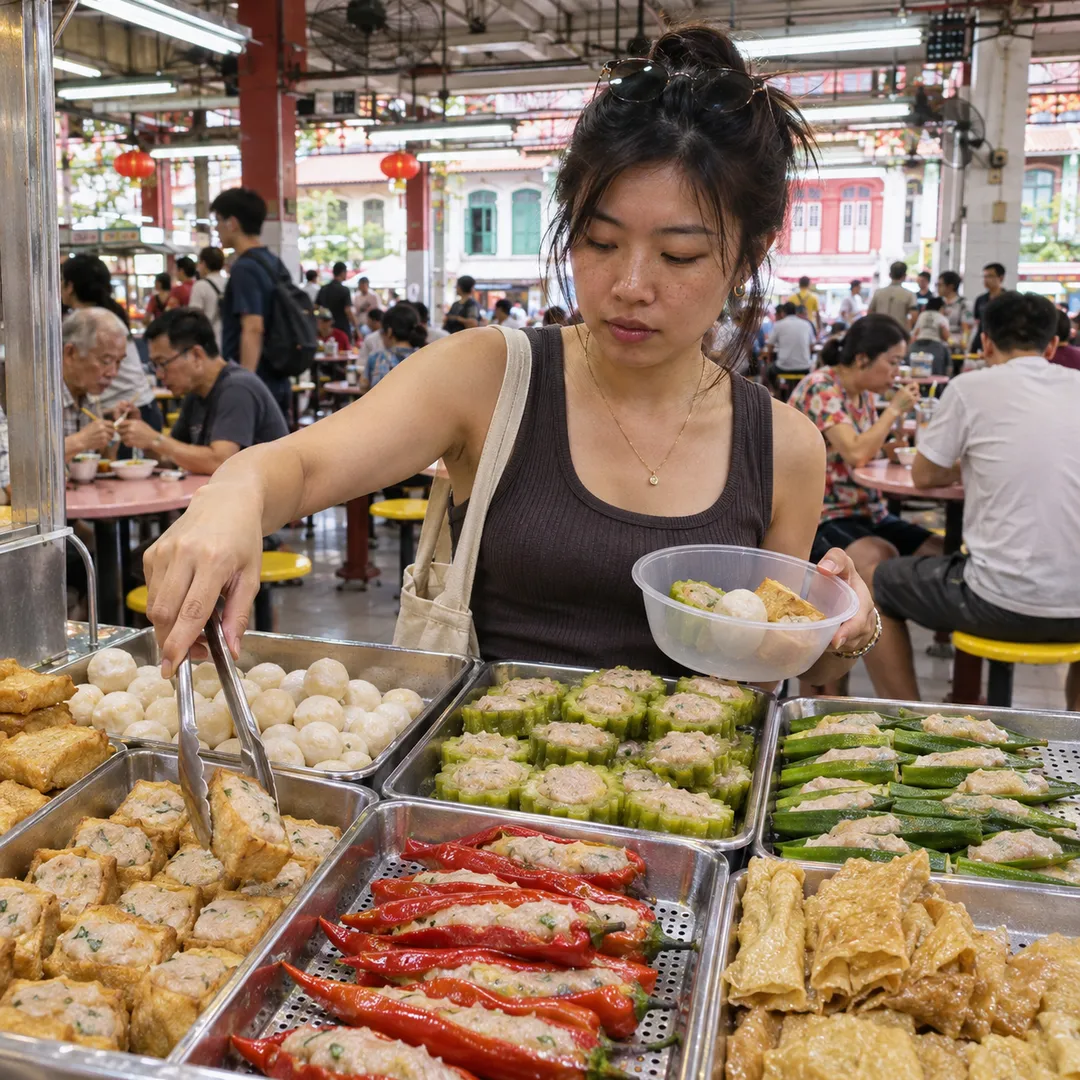
Chinatown Yong Tau Foo Lunch Picker for a Hakka Roots Walk
Curious about your Hakka roots? This Chinatown yong tau foo lunch picker pairs a bowl of stuffed tofu with a slow walk past clan houses and old shophouses.
Many Singaporeans grew up eating yong tau foo without ever asking where it came from. If your grandparents spoke Hakka, the answer is close to home. The dish began with Hakka cooks stuffing tofu with meat paste, and it travelled here with families who settled around the old Chinatown streets. This yong tau foo lunch picker is for anyone curious about those roots: one bowl, chosen piece by piece, followed by a slow walk past clan houses and shophouses where the story still feels near.
Why Yong Tau Foo Is a Hakka Story
The name itself tells the tale. Yong tau foo roughly means stuffed tofu, and the most common version of its origin story says that Hakka migrants in southern China missed the wheat dumplings of the north. With little flour to hand, they pressed seasoned meat paste into squares of tofu instead. Over time the idea spread to vegetables, and cooks began filling bitter gourd, chillies, okra and aubergine in the same way.
When Hakka families came to Singapore and Malaysia, the dish came with them and slowly changed. Fish paste often replaced pork, stalls added fish balls, crab sticks and fried beancurd skin, and the self-pick bowl became the norm. For someone tracing a family line, ordering a bowl is a small, edible way of meeting the cooks who came before you.
How the Self-Pick Bowl Works
At most stalls you pick up a bowl and a pair of tongs and walk along trays of raw or lightly fried pieces. Choose what you like, hand the bowl to the stall holder and tell them how you want it: in a clear soup, dry with sauce, or sometimes in a richer gravy. Then pick a base such as rice, bee hoon, yellow noodles or kway teow, or skip the noodles altogether.
Dry bowls usually come with a sweet brown sauce and a dab of chilli, while soup bowls arrive in a light broth that lets the stuffed pieces shine. If you are eating for heritage rather than habit, start with the classics: a square of stuffed tofu, a ring of bitter gourd and a stuffed red chilli. Those three pieces are the closest you will get to the dish in its earliest form.
Picking a Stall in Chinatown
Chinatown has several hawker centres and food streets, and yong tau foo is easy to find in most of them. A good stall for this lunch is one where the trays look freshly stocked, the stuffed pieces look hand-filled rather than uniform, and regulars seem to know exactly what they want. A short queue of office workers and older residents is usually a reassuring sign.
Do not be shy about asking the stall holder about their own background. Some stalls have been run by the same family for decades, and an unhurried moment after the lunch rush is the best time for a few questions. You may not hear a grand story, but you might learn which pieces they still fill by hand, and that is a story too.
Eating With Your Family History in Mind
Take your bowl to a table and eat slowly. Taste the tofu first on its own, then with the sauce, and notice how the soft bean curd and the firm fish paste play against each other. If an older relative once made a home version, think about what they might have done differently, perhaps using pork, salted fish or a stronger broth.
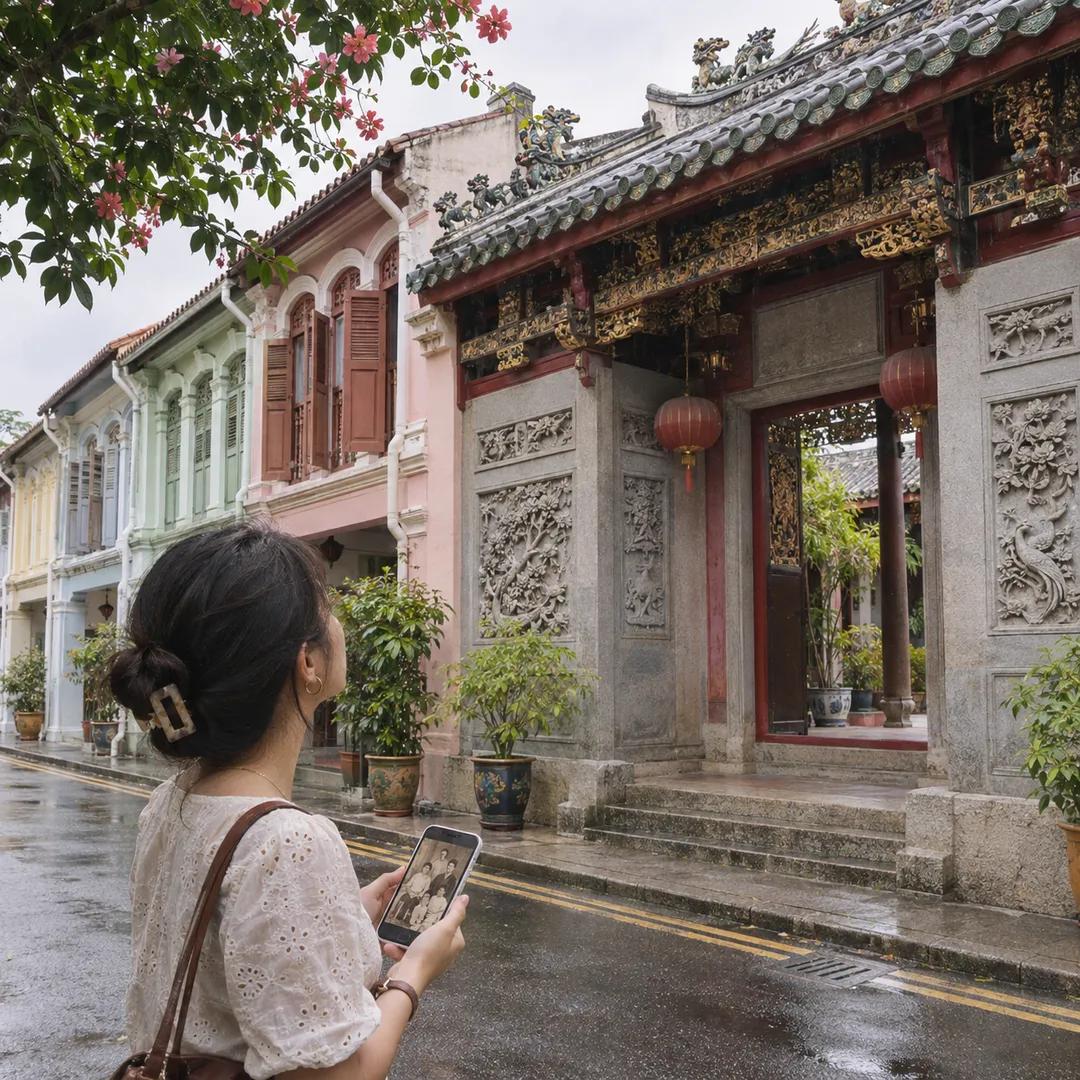
This is also a good moment to open the family photos on your phone or to message a parent or aunt with a simple question about the dish. Ask what they ate on festival days, which dialect words they still remember and whether anyone in the family ever cooked yong tau foo at home. Many of the best family stories only come out when someone asks about food.
Walking Past the Clan Houses
After lunch, walk towards Telok Ayer Street, once close to the old shoreline where many early migrants landed. One of the oldest clan associations in Singapore is a Hakka association along this street, set in a handsome building that is now a national monument. Even if you do not go inside, standing in front of it gives the lunch a sense of place and time.
Nearby lanes are lined with restored shophouses, temples and small museums that tell the wider story of Chinese migration to Singapore. Walk slowly, look up at the carved doorways and old signage on upper floors, and imagine the street as a busy waterfront with bumboats, coolies and clan offices helping newcomers find work and lodging.
Ann Siang Hill and Club Street
From Telok Ayer, a short climb brings you to Ann Siang Hill and Club Street. The area was once home to clan associations and guilds, and many buildings still carry hints of that past in their facades and old name boards. Today the street mixes small shops and cafes with heritage shophouses, which makes for a calm stroll after a filling bowl.
Look for the small green space at the top of Ann Siang Hill, a pleasant spot to rest and look back over the rooftops. If you have brought notes or photos from home, this is a good place to match a family surname or a dialect group to the clan names you saw on the walk. Few streets in the city make history feel this close.
Practical Notes for Your Heritage Lunch
Weekday lunch hours bring office crowds, so arrive a little before or after the peak if you want time to talk to the stall holder. Weekends are slower in parts of the business district but busier in the main Chinatown food streets. Carry a small umbrella for sun or rain, as the walk is short but often warm and humid.
Write down a few things as you eat and walk: the pieces you picked, the questions you asked and anything your family replies. A short note on your phone becomes a record you can share with cousins later. If you are walking with an older relative, keep the route short and allow plenty of pauses in shaded spots between the hawker centre and the clan houses.
Planning Your Hakka Roots Walk With Karpo APP
Open Karpo APP and describe your afternoon, such as a yong tau foo lunch in Chinatown followed by a short heritage walk past Hakka clan houses, with an older relative who needs shade and seats. Karpo can suggest yong tau foo stalls nearby, a gentle walking order and quiet places to rest, so the day feels planned rather than rushed.
You can also ask Karpo for other Hakka dishes to try next, from thunder tea rice to abacus seeds, and save each idea for a future lunch with family. Share the plan with a parent or cousin and invite them along. Tracing roots is easier with company, and a shared bowl of stuffed tofu is a good place to start.
Ask Karpo for more information.
Keep reading
- Kovan Hainanese Curry Rice Lunch Picker: Heartland Plates
 Tampines Mee Rebus Breakfast Picker: Round Market Bowls
 Jurong West Mee Rebus Breakfast Picker: Boon Lay Bowls