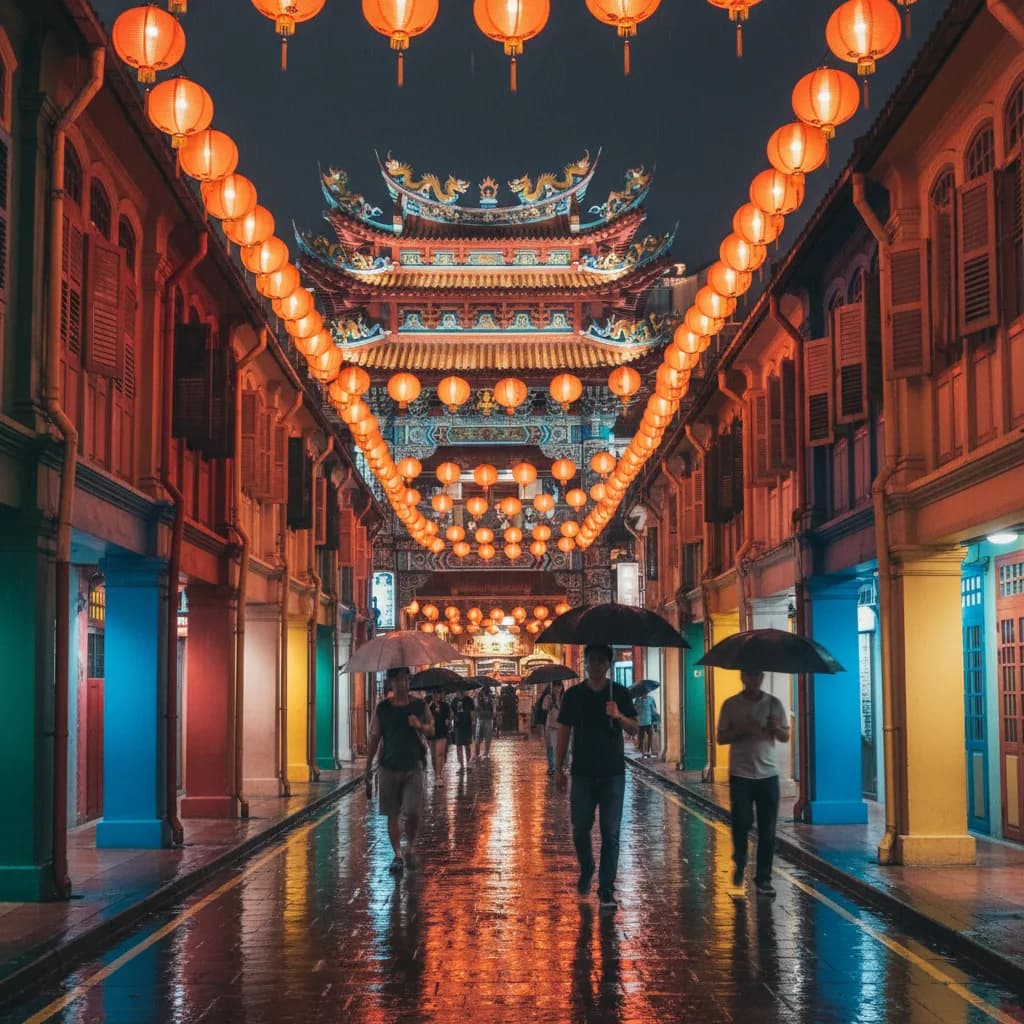
 Chinatown New in Town Weekend Planner: Errands and Temples
Weekend Plans
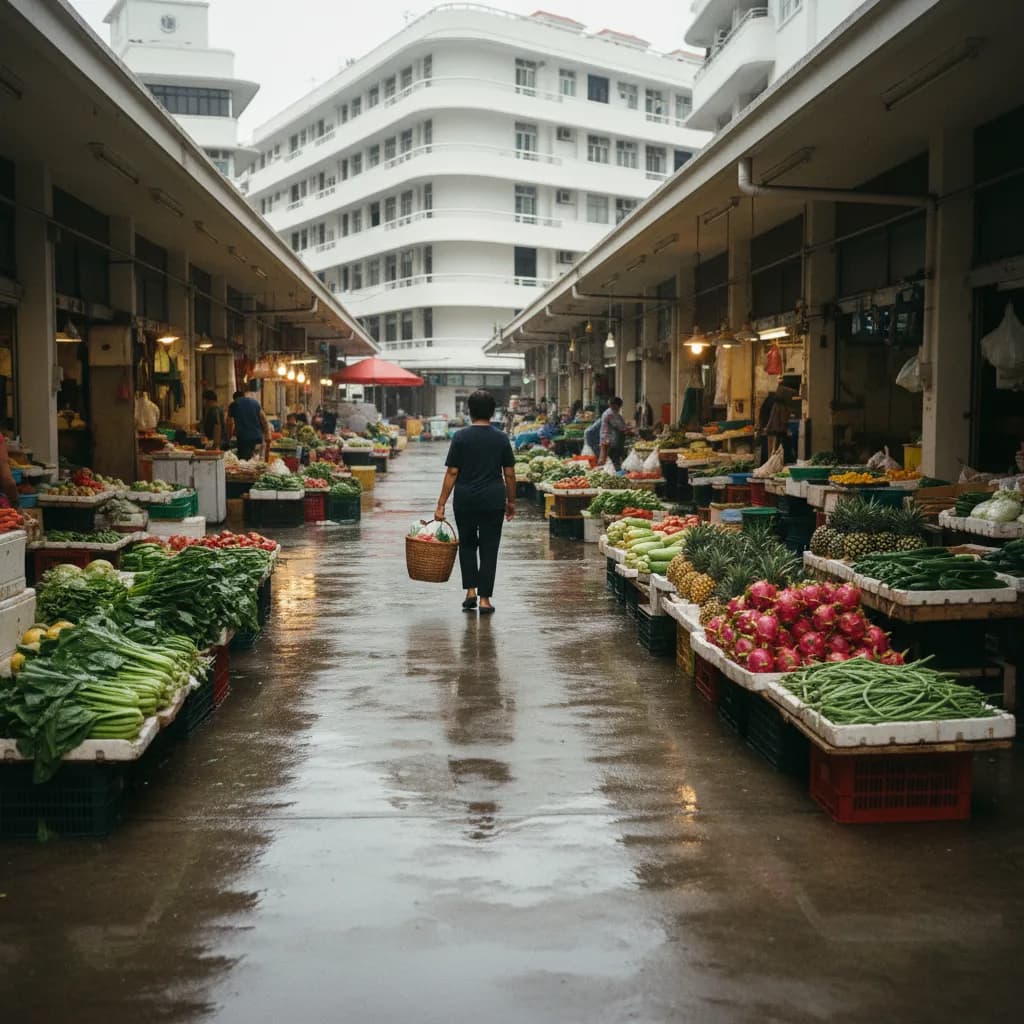
Winter Farmers Market Picker: Tiong Bahru Monsoon Weekends
Singapore has no winter, so a Tiong Bahru farmers market plan means pairing the estate's own wet market with rotating local-grower pop-ups on dry mornings.
Search for a winter farmers market picker from a flat in Tiong Bahru and you hit a simple truth first: Singapore has no winter. What it has instead is the year-end northeast monsoon, a stretch of cooler mornings, heavy afternoon bursts of rain and a calendar crowded with holiday cooking. For produce lovers that changes the question. You are not hunting for a frosty market with mulled cider. You are choosing between the estate's own covered wet market, which trades every day, and the roving local-farm pop-ups that appear on weekends in different corners of the island.
What the Word Winter Really Means Here
Locals joke that the monsoon months are the closest thing the island gets to a season change, and shoppers do behave differently. Mornings feel gentler, so people linger at stalls instead of dashing between air-conditioned spaces. Afternoon storms roll in fast, which pushes serious buying earlier in the day. Holiday menus bring a run on herbs, citrus, festive fruit and good eggs. Treat that rhythm as your planning frame and the picker becomes useful: dry morning slots for outdoor pop-ups, covered halls for anything after the clouds stack up.
Starting From Tiong Bahru Market
The neighbourhood market is the anchor almost everyone in the estate already uses. Downstairs, the wet market runs on the rhythm of regulars, with vegetable sellers who know which aunties want their greens trimmed and which want them whole. Upstairs, the hawker floor turns a shopping trip into breakfast. Its strength for a year-end weekend is simple: a roof. When a monsoon cell parks over the estate, this is still the place where you can buy ginger, chillies, leafy greens and fish without worrying about soggy paper bags.
Go with a short list rather than a vague hope. Pick two or three dishes for the weekend, write down the core ingredients, and walk the ground floor once before buying anything. Sellers tend to group by type, so a slow lap shows you who has the freshest kai lan or the firmest tofu that morning. Ask questions. Many stallholders will tell you which greens came in that day and which are better for soup than stir-fry, and that small conversation is half the pleasure.
Where the Local-Farm Pop-Ups Fit In
Singapore's farmers' markets in the Western sense are pop-ups, not permanent fixtures. Growers from the Kranji countryside, urban rooftop and indoor farms, and small artisan food makers gather under tents at malls, community parks and heritage buildings on rotating weekends. Organisers such as the SG Farmers' Market group and community development council programmes move between neighbourhoods across the year. That means the honest answer to which farmers' market Tiong Bahru has is none of its own, but several reachable ones on any given month.
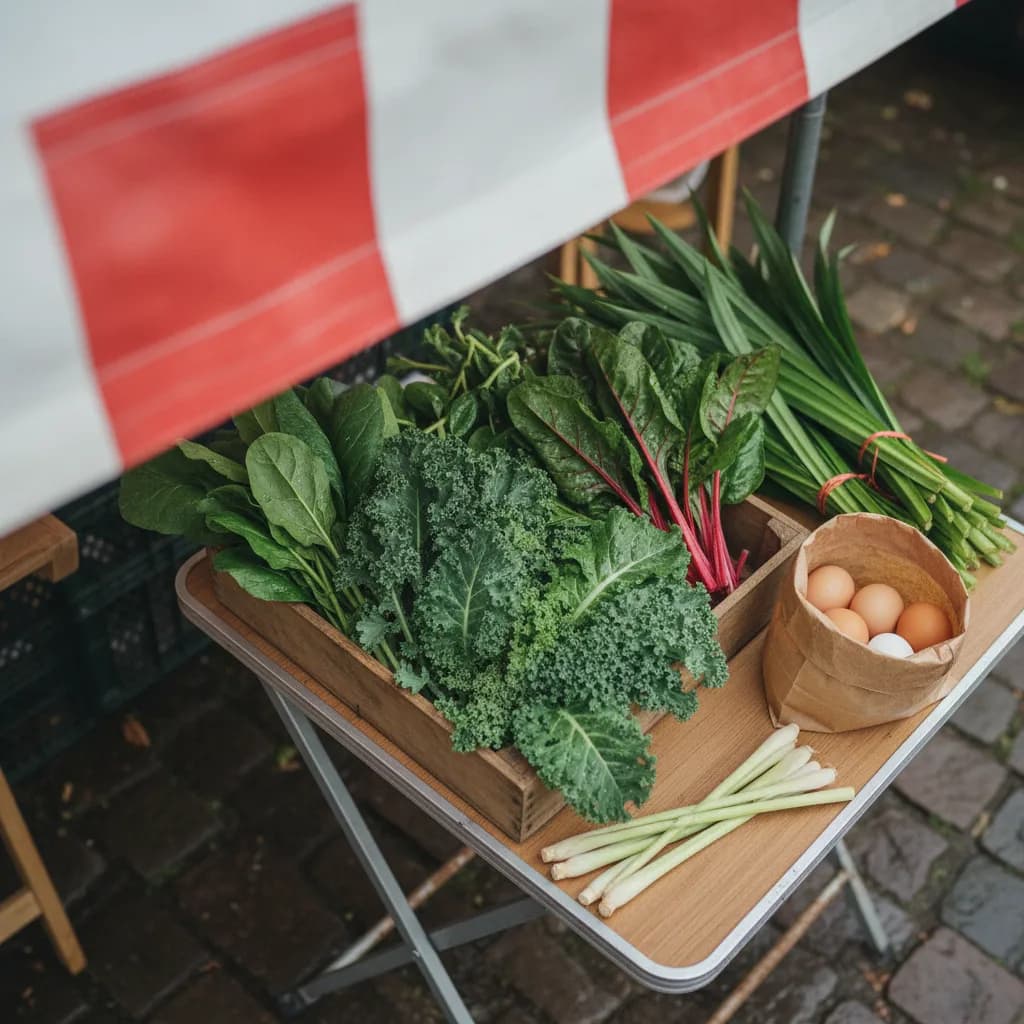
The appeal of these pop-ups is the story behind each table. You meet the person who grew the microgreens, the family that keeps laying hens, the mushroom farmer who can explain why oyster mushrooms prefer cooler weeks. Produce often carries a short travel distance, which matters to cooks who care about flavour and to families who want children to see where food comes from. They also attract makers selling sambal, kaya, sourdough and kombucha, so a visit doubles as a gift run before the holidays.
A Simple Picker for Monsoon Weekends
Use three questions to choose. First, is the forecast dry for the morning? If yes, an outdoor pop-up is worth the trip across town. If storms are due early, stay local and shop under cover. Second, what are you cooking? A big festive braise needs bulk aromatics and meat, which favours the wet market. A light salad lunch for friends shines with pop-up greens, herbs and eggs. Third, how much time do you have? Pop-ups reward a slow browse, while the estate market suits a quick, focused loop.
Many shoppers end up mixing both. A practical pattern is to browse a pop-up for the special items, such as heirloom greens, local honey or freshly harvested mushrooms, then return to Tiong Bahru for staples. That way you are not hauling heavy bags across the island, and you still get the farm-direct touch that makes a holiday table feel considered rather than routine.
Turning the Trip Into a Neighbourhood Morning
Tiong Bahru rewards a slower pace once the shopping bags are full. The pre-war flats with their rounded balconies and spiral back staircases make a calm loop on foot, especially on a cool monsoon morning when the light is soft. Yong Siak Street and the lanes around it hold independent cafes and bakeries where you can rest the bags, plan the menu over coffee and compare what you bought. The estate's small parks and void decks give children space to run while adults sort produce.
If you came back from a pop-up elsewhere, use the walk to finish the list: a missing bunch of coriander, a block of tau kwa, a piece of fish for steaming. The point of the picker is not to visit every market in a weekend. It is to match the weather, the dish and your time so the whole outing feels easy.
Families often turn this into a small tradition. Children get a job at each stop, like choosing the ripest papaya or counting eggs into the carton, and the estate's quiet lanes make the walk home feel safe and unhurried. Older relatives tend to enjoy the wet market most, because it echoes how the neighbourhood has always shopped, while younger cooks drift toward the pop-up tables and their small-batch jars.
Planning the Weekend With Karpo APP
Karpo APP helps you lay the options side by side before you leave the flat. Ask it to list farmers' market pop-ups and covered produce markets you could reach from Tiong Bahru this weekend, then have it put them in a sensible order based on what you want to cook and whether you prefer a morning browse or a quick shop. It can also suggest nearby cafes to pair with each stop. Pop-up schedules move around, so contact each organiser directly for the latest dates.
Practical Notes for a Rainy-Season Produce Run
Bring a sturdy reusable bag with a waterproof lining, because a sudden downpour can soak paper bags in minutes. A small cooler bag keeps eggs, fish and soft herbs in good shape on the walk home. Carry a mix of payment methods, since some small farm stalls prefer local digital wallets while older wet market sellers still like cash. Wear sandals or shoes that cope with wet floors. Above all, keep plans flexible: if the sky turns dark, the covered market is always a short stroll away, and the pop-up will likely return another weekend.
Ask Karpo for more information.
Keep reading
- Chinatown New in Town Weekend Planner: Errands and Temples
 Kampong Glam New in Town Weekend Planner: Mosque to Murtabak
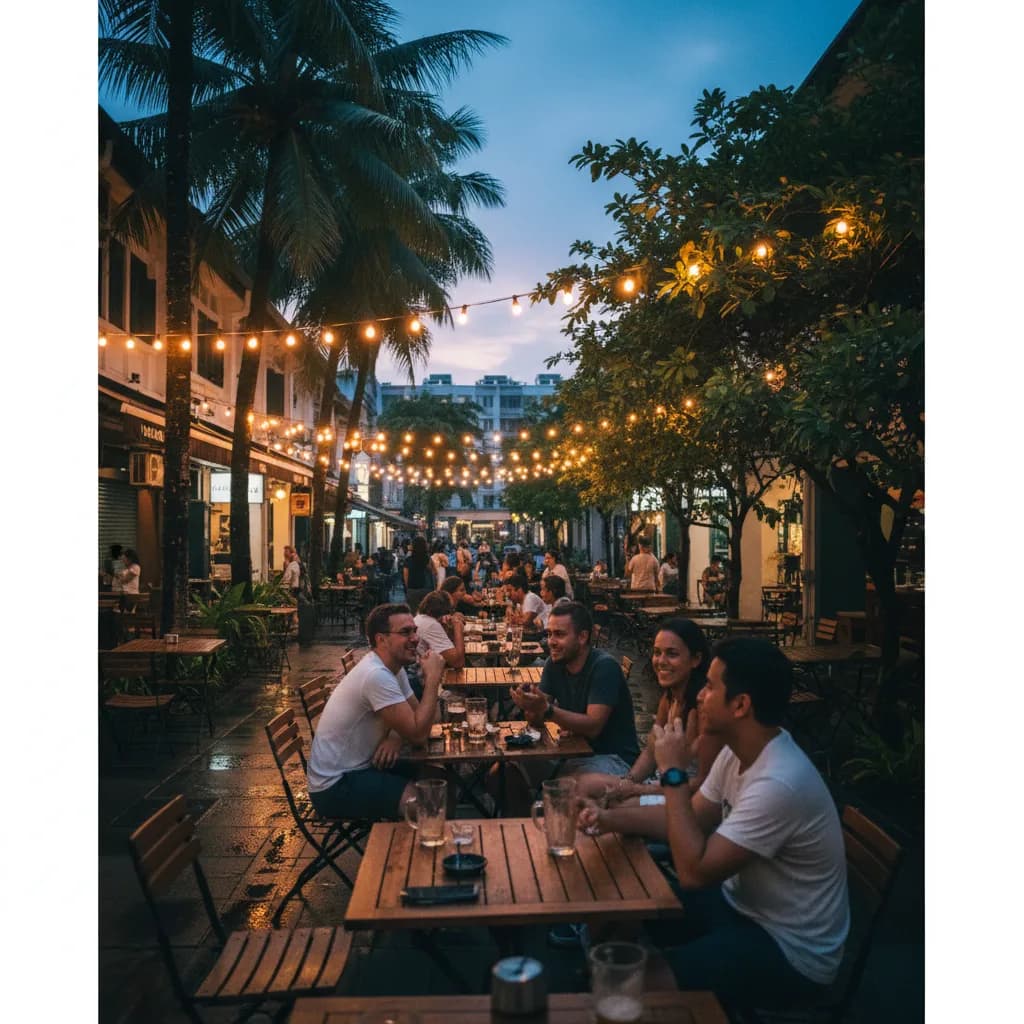 Holland Village New in Town Weekend Planner: Meet People