 Chinatown New in Town Weekend Planner: Errands and Temples
Weekend Plans
Katong Winter Farmers Market Picker for Peranakan Cooks
Katong cooks have no winter, so the year-end plan pairs Geylang Serai's covered market with Joo Chiat's occasional farmers pop-up on a dry morning.
A winter farmers market picker means something particular in Katong. There is no cold season on the east coast, but there is the year-end monsoon, with breezy mornings, sudden downpours and a kitchen calendar full of festive Peranakan dishes. The neighbourhood's food culture runs deep, from kueh shops to family recipes passed down for generations. The practical choice for a household planning a feast is how to split the shopping between the big covered market at Geylang Serai, the occasional farmers' pop-up in Joo Chiat, and the small specialist shops along East Coast Road.
Why Katong Cooks Shop Differently in the Monsoon
East coast residents feel the monsoon in their routines. Strong winds sweep in from the sea, mornings are pleasantly cool, and afternoons can bring long spells of rain. Errands move earlier, and people choose covered spaces once the sky darkens. At the same time, year-end gatherings mean bigger menus. That combination makes a picker useful: a dry morning can carry an outdoor pop-up, while a wet one belongs to an indoor market hall.
There is also a social side to this season. Neighbours compare recipes in the queue, aunties trade tips on which coconut gives the richest milk, and families coordinate who brings which dish to the gathering. Shopping becomes part of the celebration rather than a separate chore, and a good picker respects that by leaving room for conversation instead of racing between stops with a stopwatch.
Geylang Serai Market as the Covered Backbone
Geylang Serai Market, a short ride from Katong, is the anchor for serious cooking. Its wet market carries the full range a Peranakan or Malay table needs: fresh herbs like laksa leaf and torch ginger flower, banana leaves for wrapping, coconut freshly grated at the stall, chillies, shallots, seafood and meat. It is especially lively before festive seasons, when shoppers stock up for open houses and reunion dinners.
Go with your recipes in hand and walk the rows once before buying. Coconut and herb stalls are the heart of the visit, so plan those first. Ask sellers about freshness and quantity, since many know exactly how much grated coconut a pot of curry or a tray of kueh will need. The hawker floor above gives a welcome pause for breakfast before you load the bags.
The market's long history as a gathering place for the Malay community gives it a particular atmosphere during festive weeks. Lights go up nearby, stalls add festive cookies and snacks, and the crowd grows on weekend mornings. If you prefer calmer aisles, pick an earlier weekday slot for bulk items and keep the weekend for a lighter top-up and a relaxed breakfast upstairs with family.
The Joo Chiat Farmers Pop-Up
Joo Chiat has hosted a farmers' market pop-up that brings local growers and makers to the heritage streets on selected weekends. It reflects the wider Singapore pattern, where farmers' markets travel between malls, parks and community spaces rather than sitting in one place. At these stalls you meet growers from the Kranji countryside and urban farms, along with small producers of sambal, kaya, baked goods and fermented drinks.
The pop-up is the right choice when your menu calls for delicate items: salad leaves, microgreens, local mushrooms, free-range eggs or herbs picked the day before. It is also a pleasant way to spend a dry morning, with time to talk to the people who grew the food and to taste before you buy. Because it is not a weekly fixture, think of it as a treat that you build a weekend around when it appears.

A Picker Built for Feast Planning
Start with your centrepiece dish. Ayam buah keluak, babi pongteh, nasi lemak or a spread of kueh all lean on market staples like coconut, rempah ingredients and specific herbs, so Geylang Serai comes first. A lighter lunch of salads, egg dishes and good bread lets the farmers' pop-up lead. Next, check the forecast for the morning. Finally, decide how much time you have: a busy week suits one decisive trip, while a relaxed weekend can link both.
Many Katong households split the job. They buy pantry items and slow-cooking ingredients at the covered market early in the week before the festive meal, then pick up fresh greens and eggs at a pop-up or small grocer on the morning of the gathering. That approach keeps the most perishable things at their best and spreads the effort.
Rounding Out the Route on East Coast Road
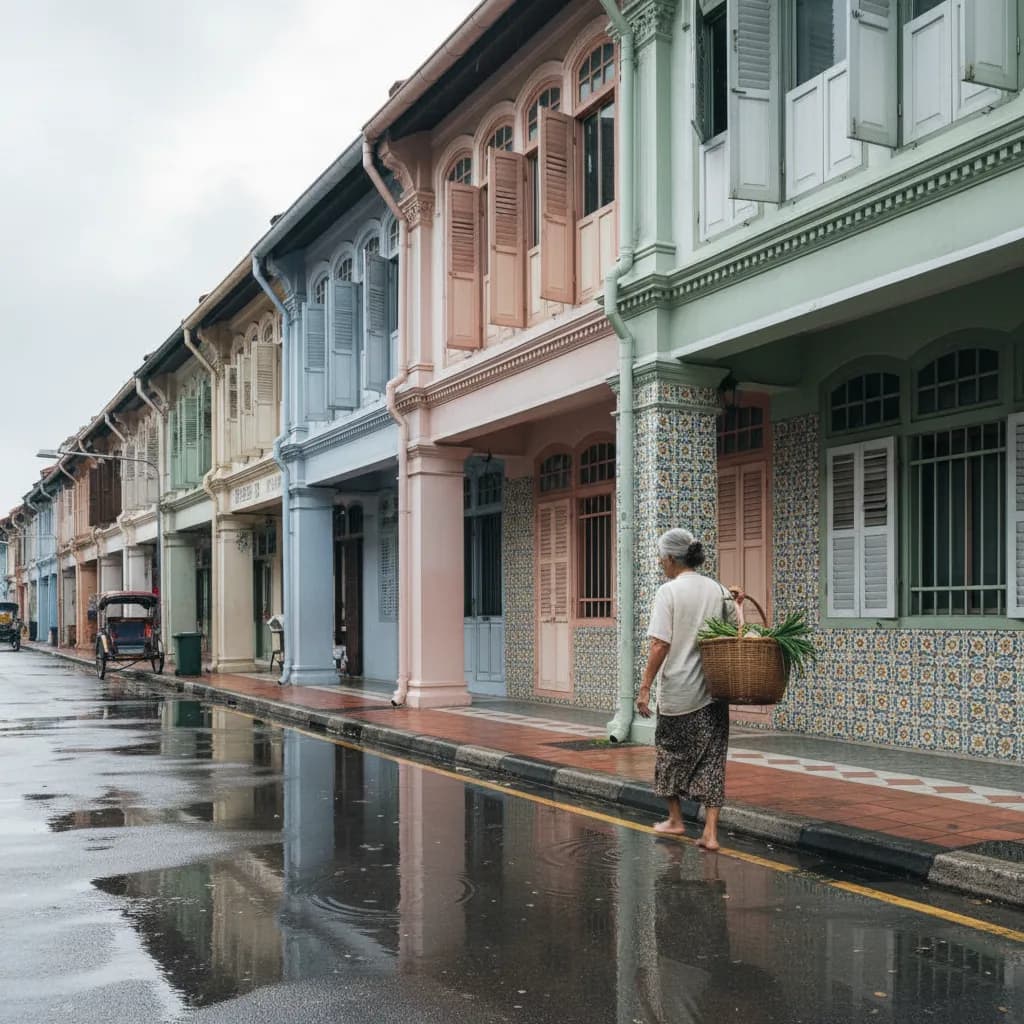
Back in Katong, the shophouses along East Coast Road and the side streets of Joo Chiat hold small bakeries, kueh shops and Peranakan specialists where you can add desserts and snacks to the table. Pastel terraces with tiled facades make the stroll home a pleasure, especially in the soft light after a monsoon shower. Families often stop for a bowl of laksa or a coffee to break up the trip and rest tired arms.
For visitors, the same loop works as a food-centred half day without a kitchen. Taste kueh, watch coconut being grated at Geylang Serai, and browse the pop-up when it runs. For residents, it is a weekly ritual that keeps a Peranakan household stocked and connected to the sellers who supply it.
Peranakan cooking is famously patient work, and the shopping reflects that. Pounding rempah by hand, soaking buah keluak for days and steaming layered kueh all reward ingredients chosen with care. Spending a little extra time at the right stall, asking which batch of candlenuts is freshest or which pandan leaves are most fragrant, pays off in the flavour that reaches the table at the end of the week.
Letting Karpo APP Line Up the Choices
Karpo APP helps you compare options quickly. Tell it you are cooking in Katong this weekend and ask it to list covered markets, farmers' pop-ups and specialist kueh or spice shops you could reach, then let it sort them by your dish, the walk you want and whether you prefer a morning browse or a fast shop. It can also suggest a laksa or coffee stop between them. Pop-up schedules shift through the year, so get in touch with the organiser directly for the latest dates.
Practical Notes for East Coast Market Runs
Bring a cooler bag for seafood and freshly grated coconut, which spoils fast in the heat. A sturdy trolley helps for large festive orders. Keep cash and a digital wallet ready, as smaller stalls vary in what they accept. Grippy shoes are wise on wet market floors, and an umbrella is essential because monsoon showers can arrive with little warning. Finally, shop for leafy greens last so they stay crisp on the journey home.
Ask Karpo for more information.
Keep reading
- Chinatown New in Town Weekend Planner: Errands and Temples
 Kampong Glam New in Town Weekend Planner: Mosque to Murtabak
 Holland Village New in Town Weekend Planner: Meet People