 Chinatown New in Town Weekend Planner: Errands and Temples
Weekend Plans
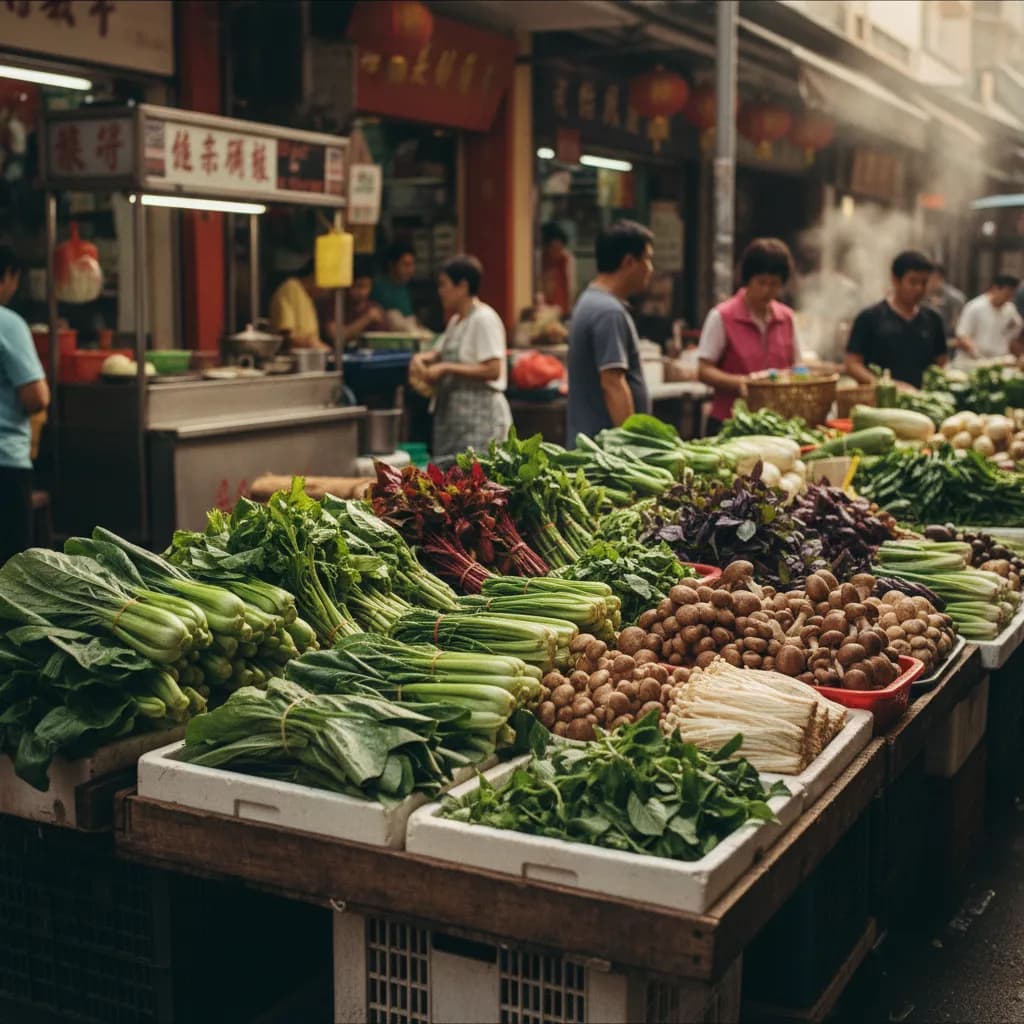
Chinatown Weekend Produce Market Picker: Keong Saik Stalls
Find fresh organic produce and traditional farm goods around Chinatown and Keong Saik. Map weekend vendor hours and curate your morning market walk.
Bustling merchant activity awakens the historic streets of Chinatown and Keong Saik at daybreak on Saturdays, continuing a two-century tradition of food commerce in Singapore's historic immigrant heartland. Long before modern grocery supermarkets existed, southern Chinese settlers gathered along these very shophouse lanes to trade fresh vegetables, live medicinal herbs, and coastal provisions brought in by trading bumboats. Today, weekend mornings bring a spirited gathering of multi-generational farm stallholders and specialty organic producers setting up displays in pedestrian arcades between Smith Street and Keong Saik Road. Utilizing a responsive weekend produce market picker enables home cooks and culinary enthusiasts to discover early farm arrivals, track rare Asian vegetables, and design an enjoyable market walk through historic Chinatown.
Navigating between the conserved shophouse arcades between half past seven and eight in the morning grants shoppers an authentic glimpse into Singapore's most vibrant community market culture. Veteran produce vendors unpack wooden crates filled with freshly pulled lotus roots, leafy bok choy, and mounds of fresh water chestnuts on rustic display tables beneath red-tiled eaves. The sharp aroma of crushed ginger and dried tangerine peel mingles with morning incense from corner altars, while stallholders mist crisp greens with fine water sprays to preserve their morning vigor. Visiting the stalls during this early morning period allows for direct conversations with experienced merchants, ensuring your purchases reflect peak harvest quality.
Pioneering Merchant Quarters and Traditional Market Traditions
Earthy root crops and specialty medicinal greens from small regional farms across Johor and Perak take pride of place across Chinatown market displays. Stalls showcase thick roots of Chinese yam, sweet purple sweet potatoes, and organic arrowroot tubers harvested from mineral-rich alluvial soils. Alongside root crops, vendors present prized culinary greens including crisp Chinese flowering cabbage, tender garland chrysanthemum leaves, and bitter melon varieties known for their cooling properties. This dedication to traditional wellness agriculture provides passionate cooks with exceptional ingredients for nourishing soups and restorative home dishes.
Fresh medicinal herbs and aromatic rhizomes line market display shelves, offering unique flavors that form the foundation of traditional Asian culinary heritage. Expert purveyors arrange plump hands of fresh galangal, organic old ginger with knobby skin, freshly peeled garlic cloves, and bundles of fragrant coriander roots that provide profound aromatics to slow-simmered broths. Nearby stands offer dried lily bulbs, fresh ginkgo nuts in their pale shells, and medicinal goji berries sourced from certified organic cooperatives. Selecting these potent botanicals directly from seasoned merchants guarantees culinary authenticity that standard packaged supermarket selections cannot deliver.
Medicinal Asian Greens and Highland Root Crop Selections
Slow-fermented jars of traditional soy sauces and handcrafted pantry provisions complement the abundant fresh vegetable displays throughout Chinatown. Artisanal makers showcase stone-ground sesame pastes, aged black bean sauces fermented naturally in clay crocks, and handcrafted chili crisp prepared with fragrant shallots and Sichuan peppercorns. Adjacent bakery tables feature traditional steamed buns filled with organic red beans, savory scallion pancakes, and slow-fermented sourdough loaves made with stoneground whole wheat. Pairing these robust pantry essentials with crisp market greens transforms routine cooking into a celebration of heritage food craftsmanship.
Family-run trading establishments also feature small-batch dried goods alongside fresh produce stalls, offering wild mountain mushrooms, dried shiitake caps, and sun-dried wood ear fungus gathered from sustainable forest reserves. Shoppers can also discover fresh artisan noodles crafted daily without artificial preservatives, organic pressed bean curd cakes, and handmade dipping vinegars infused with ginger shreds. Conversing with these knowledgeable shopkeepers provides valuable insights into traditional culinary techniques and proper storage methods that extend the vitality of your fresh provisions.

Traditional Fermented Condiments and Stoneground Provisions
Bringing layered canvas market bags and a sturdy rectangular basket ensures that delicate leafy vegetables and heavy root crops travel safely through busy pedestrian lanes. Experienced Chinatown shoppers position dense tubers, squash, and glass condiment jars at the bottom of their baskets, keeping tender greens and soft herbs safely cushioned on top. Carrying a small insulated pouch with a frozen gel pack protects fresh bean curd and specialty mushrooms from ambient tropical heat during your morning walk. While almost all vendors accept PayNow QR transfers and contactless bank cards, keeping small currency notes on hand ensures swift transactions during busy morning trading periods.
Observing natural skin texture and stem firmness allows you to select provisions that deliver maximum flavor and nutrition throughout the week. Inspect leafy Asian brassicas for dense, springy stem structures, vibrant deep green coloration, and cleanly trimmed base ends free from browning or slimy residue. When selecting root crops like lotus root and daikon, choose heavy, firm specimens with unblemished skin that indicates careful manual harvesting. Avoid purchasing pre-washed greens that sit in standing water, as excess moisture accelerates cellular breakdown during domestic refrigeration. Handling fresh produce with respect honors the strenuous manual commitment required of regional farming families.
Connecting Shophouse Exploration and Karpo Routing
Exploring narrow shophouse lanes around Keong Saik Road provides an inspiring architectural journey following your produce shopping excursion. After gathering your fresh ingredients, stroll along Jiak Chuan Road and Teck Lim Road to admire restored three-story pre-war shophouses decorated with intricate plaster reliefs, pastel ceramic tiles, and ornate timber shutters. A short stroll brings you to the bustling Chinatown Complex at 335 Smith Street, Singapore 050335, where traditional market stalls and community dining have flourished for decades. Ornate ceramic shophouse verandas host inviting independent coffee shops where you can enjoy an unhurried morning pause while reviewing your market purchases. Settle into a tranquil corner of a specialty espresso bar along Keong Saik Road to savor a velvety flat white made from light-roast Ethiopian beans while watching the neighborhood awaken.
Leveraging the Karpo APP simplifies every detail of planning, tracking, and completing your weekend produce circuit through Chinatown and Keong Saik. The application offers an intelligent neighborhood map that pins verified heritage stalls, organic grocers, and peaceful espresso spots into a logical route. Instead of backtracking across crowded street intersections with heavy bags, you follow a streamlined itinerary that times vendor visits before midday crowds arrive. Relying on Karpo APP to orchestrate your Chinatown food trail ensures you obtain prized regional ingredients without unnecessary delays.
Digital Itinerary Tools and Practical Transit Advice
Apart from route guidance, Karpo APP serves as an indispensable digital notebook for saving vendor contacts, seasonal harvest schedules, and neighborhood dining recommendations. You can record personal preferences on seasonal roots, bookmark specialty medicinal herb counters, and receive advance alerts regarding monthly community market pop-ups across Chinatown. When unexpected rain clouds form, the app's smart route mapping navigates through sheltered shophouse colonnades, ensuring your vegetable haul stays dry while you head toward the station.
Commuting toward Chinatown for early morning produce shopping is effortless via Singapore's comprehensive mass transit network. Chinatown MRT Station, serving both the North East Line and Downtown Line, sits just a three-minute walk away via Exit A along Pagoda Street. Alternatively, Maxwell MRT Station on the Thomson-East Coast Line offers immediate access through Exit 1 directly onto South Bridge Road, placing you within two minutes of the market area. Numerous public bus routes including 61, 143, 166, and 197 stop right outside the People's Park Complex along Eu Tong Sen Street, providing convenient transit connections. Wrapping up your morning produce adventure leaves you with a basket of vibrant, nutrient-rich ingredients ready to elevate weekend home cooking. Wear light, breathable cotton clothing that handles equatorial humidity comfortably, and pick sturdy walking footwear built for historic stone pavements.
Ask Karpo for more information.
Keep reading
- Chinatown New in Town Weekend Planner: Errands and Temples
 Kampong Glam New in Town Weekend Planner: Mosque to Murtabak
 Holland Village New in Town Weekend Planner: Meet People