 Chinatown New in Town Weekend Planner: Errands and Temples
Weekend Plans

Singapore Weekend Plan Builder for a Solo Afternoon
Plan a gentle Singapore solo afternoon with one cafe pause, a quiet activity and a clear finish, using a personal brief that leaves room to wander.
A free afternoon can feel surprisingly difficult to use when you are going out alone. You want a change of scene in Singapore, a coffee you can enjoy slowly, and perhaps something to look at without committing your whole weekend. A weekend plan builder becomes useful when you describe that small ambition clearly. Begin with the energy you have today, choose one reason to leave home, and leave enough space for the afternoon to become your own.
Decide what kind of quiet you want
Quiet is a preference with several meanings. You might want to avoid conversation, escape traffic, read for a while, or move through somewhere unfamiliar without being hurried. Those needs lead to different outings. A busy cafe with a comfortable corner could suit reading but disappoint someone seeking silence. A solitary walk could provide privacy while offering nowhere to rest. Write down the experience you are seeking before collecting destinations, so an attractive photograph does not make the decision for you.
It helps to distinguish a gentle outing from an empty one. Give the afternoon a small purpose: finish a chapter, sketch an interesting doorway, browse an unfamiliar subject, or simply eat something while sitting away from your usual desk. You do not need a productive outcome. The purpose supplies a direction when your attention starts drifting toward more suggestions. Once it is clear, you can judge whether another stop would add pleasure or merely add another decision.
Give the conversation a human brief
Karpo's public introduction invites you to start with your mood. In the Karpo APP, use that invitation to describe a solo afternoon rather than searching for a special itinerary form. A sample request is: “I have a few hours to myself in Singapore this Saturday. I want a relaxed cafe stop and somewhere to browse quietly, with little travel between them. Start near my chosen station and keep the outing easy to leave early.” Add your actual starting area before sending it.
Then supply details that change the fit. Say whether you want to eat or only have a drink, whether standing for a long visit feels tiring, and whether a seated pause is essential. If you are avoiding a purchase, state that browsing should not depend on buying something. These are requirements for the shortlist you are requesting. The example describes a question you can ask, and does not imply that any particular cafe has an available seat or a guaranteed quiet period.
Build around an anchor and a pause
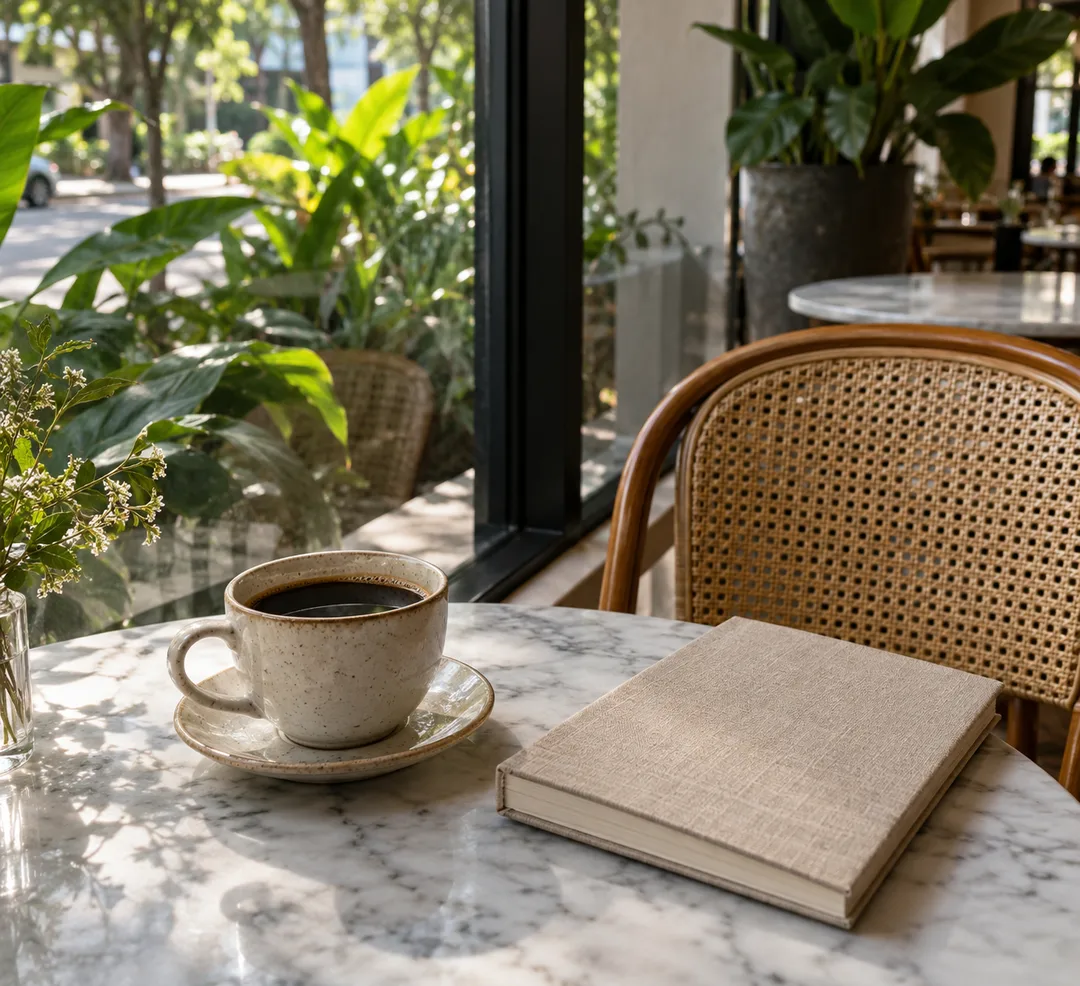
The anchor is the part that would make you glad you went out even if the rest disappeared. For a reader, it might be a place to sit with a book. For someone restless after a week indoors, it might be an interesting stretch to walk. Your pause supports that choice: a drink after walking, or a short wander after sitting. Keeping those roles distinct prevents the afternoon from becoming three separate excursions joined by travel you never wanted.
Compare two possible shapes on paper. One starts with a drink, continues with browsing, and ends when you feel ready. The other puts browsing first and uses the cafe as a place to settle afterwards. Choose according to your appetite and attention. If hunger makes you impatient, the first shape may feel kinder. If sitting down makes it difficult to get moving again, reverse the order. Neither arrangement needs an ambitious final attraction to make the afternoon count.
Let a small detail guide the walk
A solo outing gives you permission to notice something without explaining why it matters. Pick a loose theme for the space between stops: shaded doorways, plants outside homes, changing building colours, or the sound of a street becoming quieter. Treat this as a way of paying attention, rather than a route with compulsory checkpoints. You can turn back when the walk stops being pleasant. A short stretch that holds your interest is enough to connect the afternoon.
Bring one thing that supports the mood you chose. A paperback encourages a seated pause. A small notebook gives you somewhere to put an observation without opening another feed. A reusable bottle helps if you want the walk to remain independent of another purchase. Carrying all three is unnecessary if it makes your bag burdensome. The useful question is what you would actually reach for during this particular afternoon, rather than what belongs in an idealised picture of going out alone.
Make comfort a selection rule
A beautiful setting can still be a poor fit when you are tired. Include the practical detail that affects you most: needing a backrest, avoiding a long standing visit, preferring an indoor break, or limiting the distance you will walk at once. Ask for suggestions that explain their fit with that requirement. When a response offers only an appealing mood, narrow the question to the missing detail. Personal comfort is specific, and the word relaxed cannot communicate every need by itself.
Set a boundary for discretionary spending before the first stop. You might choose one paid treat and leave everything else optional. That is a personal rule, not a claim about local menu prices. It keeps an afternoon intended as a simple escape from turning into several purchases made because you are already out. If the anchor needs more spending than you want, change the anchor instead of silently stretching the boundary. Enjoying a small outing should not require accepting a larger bill.
Finish while the afternoon still feels yours
Choose a stopping signal that you can recognise without watching the clock constantly. It could be finishing your drink, completing the browsing visit, or reaching the end of the short walk you chose. After that point, any extension is a fresh choice. You can stay because you are enjoying yourself, and you can head home because the outing has already done its job. Leaving early is particularly useful when the original intention was rest and a change of surroundings.
Before you leave, keep the working plan to a few lines: where to begin, what the anchor is, where a pause fits, and how you intend to finish. Include your own return deadline if you have an evening commitment. In the conversation, ask for a smaller revision whenever the suggested outing feels crowded. A good final request might be “Keep the cafe and one quiet activity, and remove the extra detour.” The result you want is an afternoon you can picture enjoying, with room to change your mind.
Ask Karpo for more information.
Keep reading
- Chinatown New in Town Weekend Planner: Errands and Temples
 Kampong Glam New in Town Weekend Planner: Mosque to Murtabak
 Holland Village New in Town Weekend Planner: Meet People