 Chinatown New in Town Weekend Planner: Errands and Temples
Weekend Plans

Singapore Weekend Plan Builder for Friends This Evening
Bring friends together in Singapore with a dinner-first plan, a flexible meeting point and an optional nightcap that respects different departure times.
Friends can agree that they want dinner in Singapore and still imagine five different evenings. One person wants an early meal, another will join after work, someone would enjoy a drink, and someone else needs to leave promptly. Use a weekend plan builder to turn that vague agreement into an evening people can actually join. Make dinner the common anchor, settle the details that affect everyone, and let the later part remain a choice rather than an obligation.
Who is the evening really for?
Start with the people who have committed to dinner. Their arrival windows, dietary needs and spending comfort shape the shared part of the evening. Friends who may appear later can be included without making every decision depend on them. This is a practical distinction, rather than a judgement about whose company matters more. It prevents the group from postponing a workable meal while waiting for someone who has not yet decided whether they can come.
Ask each person for the one constraint most likely to affect the plan. Someone might need food early, prefer a quieter conversation, avoid alcohol, or want to minimise the journey home. Gather those requirements before discussing restaurant styles. Otherwise the group can become attached to an attractive idea that never suited everyone. Once the essential constraints are visible, preferences become easier to negotiate because people understand which parts are flexible and which are important for participation.
What should the first message ask for?
Put the brief into the Karpo APP as a request for ideas. One example is: “Help us plan a relaxed Singapore evening for friends. Dinner is the shared part, with an optional casual stop afterwards. We have different arrival and departure times, and we want conversation rather than a packed schedule. I will add the group size, preferred area, dietary requirements and budget.” Fill in those details so the question describes your actual gathering, rather than an imaginary average group.
If everyone offers a different preferred area, choose a principle for resolving it before asking for more suggestions. You could prioritise the person with the most difficult return journey, keep near the majority's arrival area, or take turns across different gatherings. The principle belongs to your group. A planning conversation can help you articulate options, but the fair choice still depends on what your friends agree matters. More venue names will not settle a disagreement about who should travel furthest.
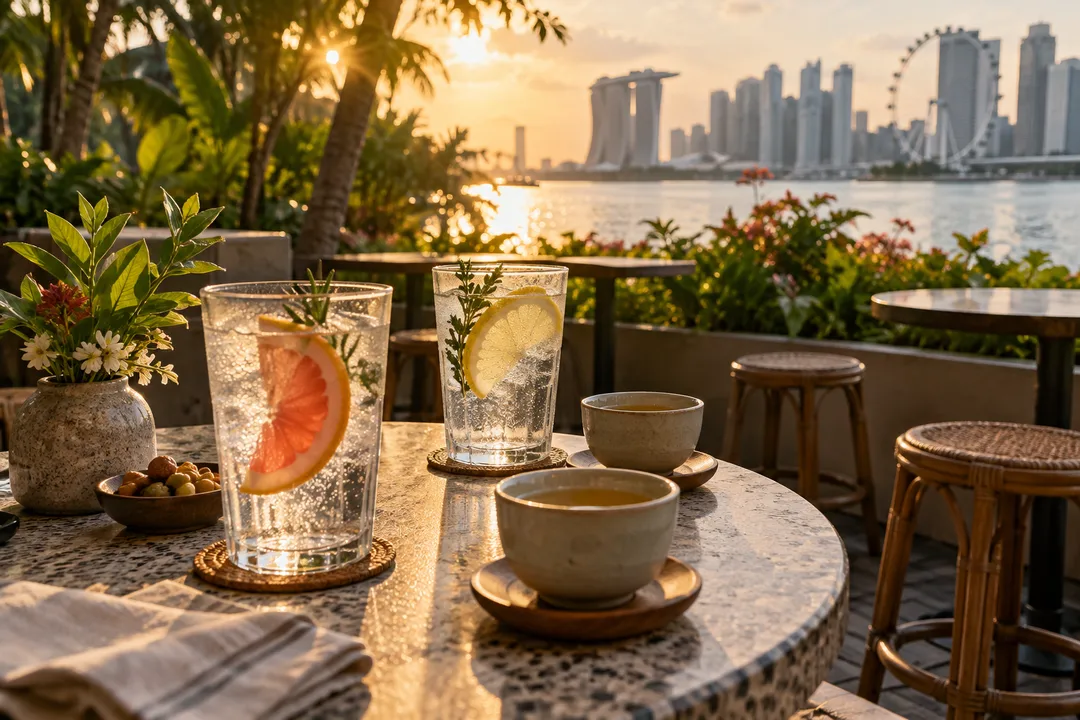
Where can a late arrival find you?
Give the evening a stable first anchor. Someone arriving later should know where the group intends to be, rather than chasing messages from a moving sequence of stops. Keep the initial phase simple enough that the late arrival can understand it in one sentence. If dinner itself is the first meeting point, say so. If some people are meeting earlier, distinguish that optional gathering from the meal everyone has agreed to attend.
Arrival uncertainty also affects ordering. Decide whether the on-time group will eat when ready or wait for a named person, and communicate that choice kindly. A late friend can then plan without assuming everyone is hungry on their behalf. These are social arrangements, not restaurant policies. Where the meal requires a booking or a particular arrival arrangement, an actual confirmation from the venue is a separate step from deciding which plan your group prefers.
How do you keep dinner conversational?
Describe the atmosphere you want in concrete terms. Saying you want to catch up with friends is more helpful than simply asking for something lively. Mention whether you prefer to stay seated, share food, or avoid an evening organised around a performance. Different friends can mean different things by casual. The brief should explain how you hope to spend the time together, so the suggestions can be assessed against a shared picture of the gathering.
Food decisions deserve the same clarity. Separate dietary requirements from softer preferences, and decide whether everyone needs to enjoy the same style of meal. Some groups value a shared spread, while others prefer individual orders and straightforward bills. A person who does not drink should still have a comfortable place in the evening. State that requirement early instead of treating it as a detail for the second stop. The gathering should work for the friends who are actually attending.
Does the nightcap need to be another outing?
Make the later stop optional in a meaningful way. Someone who came for dinner should be able to leave after it without feeling that they have abandoned the real event. Explain from the start that the meal is the shared plan and anything afterwards is an extension. This gives people a clean decision point. It also protects the mood of dinner from a constant discussion about whether the next destination will be more exciting than the conversation already happening.
A nightcap can mean a small final drink, a tea, or another place to sit and talk. Choose according to who wants to continue, and keep the transition proportionate. If everyone remaining is tired, a complicated transfer is unlikely to improve the evening. If the group is enjoying the current setting and can appropriately remain there, moving is not automatically necessary. The purpose of the extension is a little more time together, rather than collecting another venue for the itinerary.
How should money and departures work?
Agree on the scope of shared spending before the meal. People can split common items while paying separately for their own extras, or use another arrangement everyone understands. The optional later stop should have its own spending decision. Attendance at dinner does not imply agreement to fund a second round elsewhere. A short conversation about this early on is easier than trying to reconstruct who expected what once the group has started paying and some friends are leaving.
Choose an approximate ending for the common part of the evening based on your own commitments. That boundary helps friends with early departures participate fully without monitoring the group chat throughout dinner. Anyone continuing can make a fresh choice afterwards. Consider the departure location when comparing suggested areas, particularly if one person has a longer journey home. This is about making the gathering considerate, and does not require inventing transport schedules or promising an exact travel time.
What goes into the final group message?
Send one settled version with the meeting point, the intended meal arrangement, the arrival expectation, and the optional status of the later stop. Say who will communicate any changes. Avoid forwarding every alternative from the planning conversation because the group then has to discover which one you chose. Friends should be able to read the message once and understand where to go, what they are joining, and how to leave when their own evening needs to end.
When you return to the conversation, ask for one final refinement that serves the group: a smaller shortlist, a more convenient area, or a simpler transition after dinner. Keep the constraints that people already agreed on in that request. A relaxed Singapore gathering does not depend on everybody staying for the same length of time. It depends on a shared anchor, clear expectations and enough flexibility for each person to enjoy the part of the evening they can give.
Ask Karpo for more information.
Keep reading
- Chinatown New in Town Weekend Planner: Errands and Temples
 Kampong Glam New in Town Weekend Planner: Mosque to Murtabak
 Holland Village New in Town Weekend Planner: Meet People