 Chinatown New in Town Weekend Planner: Errands and Temples
Weekend Plans
SG Weekend Activity Comparator: 2 Night Market Plans to Pick
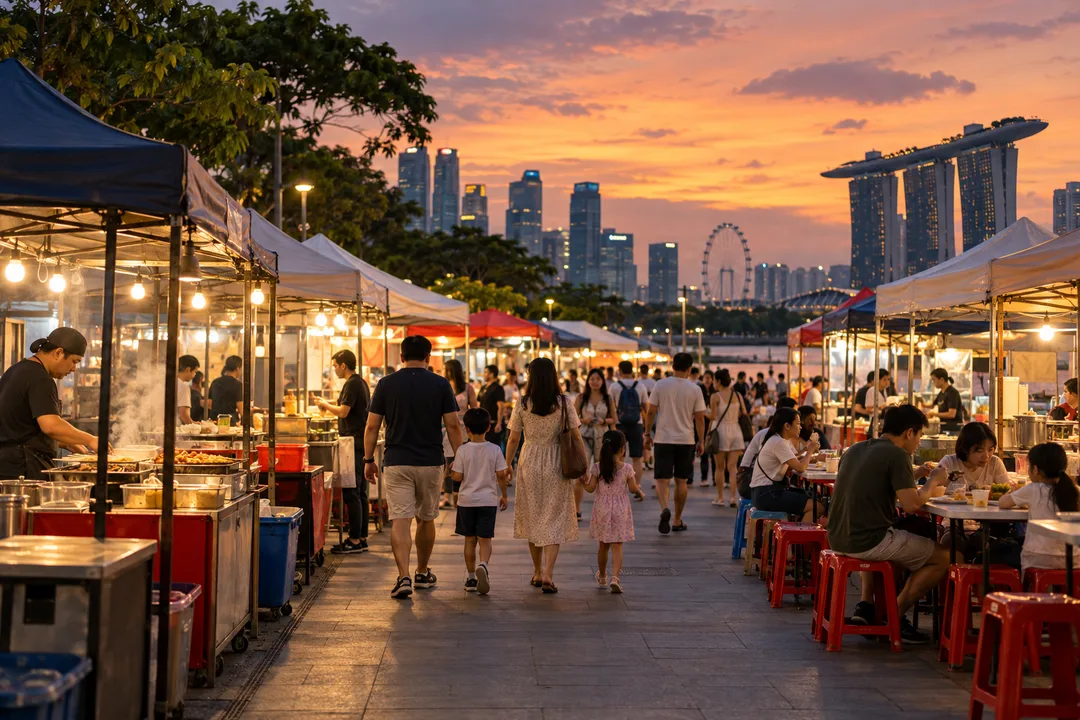
Compare a Singapore food-market evening with dinner and a short browse. Balance shared spending, crowd tolerance, and a comfortable journey home for everyone.
A Singapore night-market plan needs an end as well as a beginning. Decide whether the evening is mainly dinner, casual browsing, or time together after dark, then compare the journey home alongside the stalls. Use a weekend activity comparator in the Karpo APP to organise those choices without treating every temporary market as a permanent attraction. Give the actual date and any event information you already have before asking for an evening built around a particular location.
Establish which kind of market you mean
A seasonal bazaar, a permanent food centre, and a shopping street with evening activity are different experiences. Tell the assistant what attracts you: sampling several foods, looking for a particular kind of purchase, or enjoying the atmosphere. If you only want a meal, a market may add unnecessary standing and decisions. If browsing is the point, dinner at a single table may remove the part of the evening you actually wanted.
Temporary events require a date-specific basis for the plan. Supply the organiser's event page when that is the candidate you have in mind, and distinguish an announced event from a general suggestion. An old photograph or a lively description does not establish that the same stalls will be there on your chosen evening. The comparison can still offer a permanent alternative, but it should explain the different experience rather than pretending the two are interchangeable.
Decide whether dinner is fixed or flexible
A tasting evening works differently from a meal where everyone expects a full plate at the same time. Ask the party which they want. Sampling can allow more movement but creates repeated ordering decisions and potentially several waits. A seated meal can make conversation easier while reducing flexibility to browse. Compare these patterns honestly, especially when one person needs to eat at a predictable time or cannot comfortably stand while holding food.
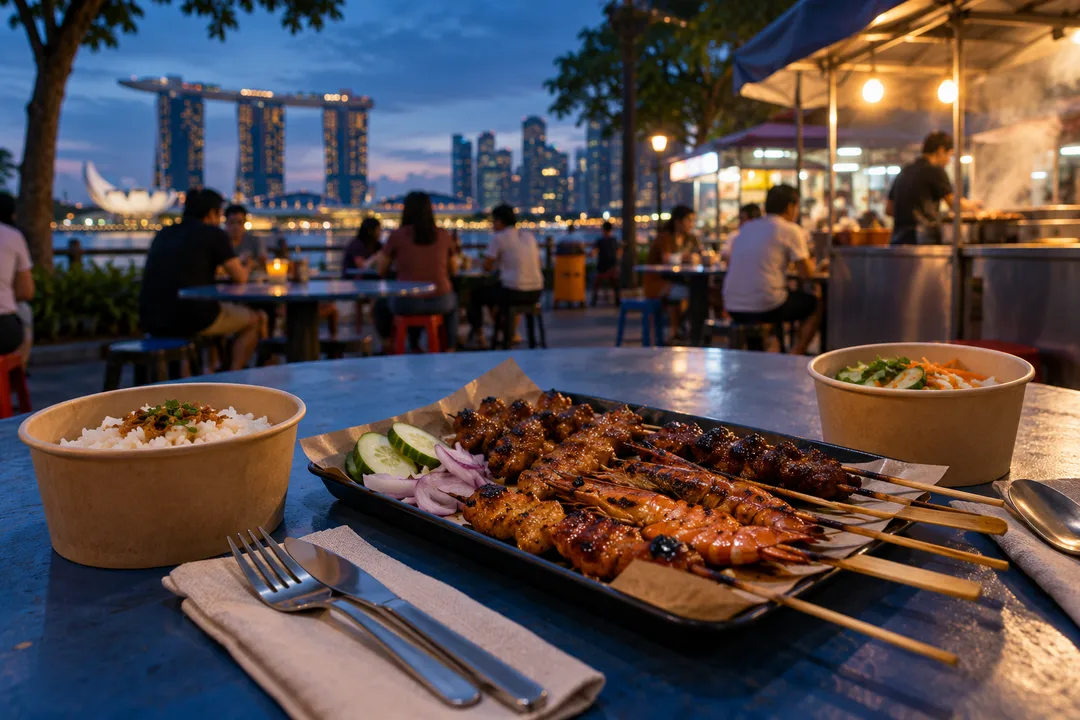
Name dietary restrictions early and decide whether separate orders are acceptable. A group may enjoy sharing, but shared dishes can make individual requirements harder to manage. Do not assume a market as a whole offers a suitable option because one familiar cuisine appears in a picture. Once you choose actual vendors, use their own item descriptions for ingredient questions. At the planning stage, the useful decision is how much uncertainty the group will accept around dinner.
Set a spending rule before tasting
Repeated small purchases can be harder to track than one meal. Choose whether the evening has a shared total or individual limits, and decide which drinks and travel costs belong inside that amount. This is a personal budgeting exercise, not a claim about stall prices. Ask Karpo to keep the categories visible and show which purchases are optional. A spending plan should remain useful even before you have specific menus or event pricing.
A practical approach is to protect the main food purchase and leave extra tastings discretionary. Another is to decide on a small number of shared choices and discuss them before ordering. These arrangements suit different groups. Compare what each encourages: individual freedom, shared experimentation, or a predictable bill. Avoid presenting one method as a universal saving, since the actual cost depends on the items the party eventually chooses and the amounts it buys.
Put the homeward trip in the comparison
Tell the assistant your actual destination after the market. A central meeting place may be convenient for arrival but leave one person with a much longer trip home. Compare the evening for the person with the least flexible return. If public transport timing matters, keep the service information for the chosen date separate from a suggested finish time. A plan to leave at a particular hour does not establish that a particular service will be available.
Choose a personal departure buffer rather than treating the final possible connection as the target. Include the walk from the event and the time needed for the party to regroup. These are allowances you set. An optional waterfront walk should be the first thing to go if it consumes that margin. The attraction of an extra stop is easier to judge when it sits beside the concrete benefit of a simple and comfortable trip home.
Make crowds a shared decision
Crowd tolerance affects whether the group will enjoy browsing slowly or want to keep moving. Describe what is difficult: close contact, standing still, carrying food, or losing sight of companions. Those concerns suggest different plans. You might prefer arriving for a shorter visit or choosing an activity with a clearer place to sit. The comparison should respond to the concern rather than automatically recommending an earlier arrival without any evidence about that event's attendance.
Agree on a meeting point after selecting the real location, and decide what happens if someone wants to leave. A clearly named public spot is more useful than a moving food queue. For families or larger groups, keep the route compact enough that regrouping does not become the evening's main activity. A comparison tool can help you describe this arrangement, but it should not suggest that it tracks each person's location or monitors the crowd for you.
Ask for an evening with a clear tradeoff
An example prompt is: “Compare a Singapore market evening built around sampling food with a seated dinner followed by a short browse. There are four adults, one vegetarian, and we want a simple return to our different home stations. Use the event details we provide and separate essentials from optional purchases. Explain which version asks us to stand and coordinate more.” Adapt the party description, date, and travel requirements to your own situation.
Read the response for dependence on uncertain details. If the market version requires several specific stalls without evidence they are participating, ask for the uncertainty to be removed from the promised experience. If both versions end with a long chain of attractions, simplify them. The decision should be between two recognisable evenings, with an explanation of why one fits your group. A list of appealing foods is not yet a comparison of how the night will feel.
Practical Notes for leaving comfortably
Once the party chooses an option, keep the meeting point, chosen event, and agreed spending arrangement together. Decide whether everyone is sharing purchases before the first order. If a queue is longer than your party wants, switch the food order or shorten the browse rather than abandoning the departure buffer. The specific switching threshold belongs to the group; it should not be presented as a forecast of how quickly a stall will serve.
End the evening when the main purpose has been met. A satisfying dinner and a small amount of browsing can be enough, particularly for someone facing a longer journey home. Keep the extra walk as a bonus that can disappear without disappointment. The comparator has helped when the party understands its choices, knows what it is spending on, and can leave without a last-minute argument about whether to fit in one more stall.
Ask Karpo for more information.
Keep reading
- Chinatown New in Town Weekend Planner: Errands and Temples
 Kampong Glam New in Town Weekend Planner: Mosque to Murtabak
 Holland Village New in Town Weekend Planner: Meet People