 Chinatown New in Town Weekend Planner: Errands and Temples
Weekend Plans

SG Weekend Activity Comparator: 2 Garden Plans to Compare
Compare a Singapore garden afternoon with a shorter green stop and indoor break. Weigh shade, walking effort, seating, and the route back to transport.
For a Singapore garden afternoon, compare the walking conditions before comparing the photographs. Shade, places to pause, and the distance back to transport determine how much of an outdoor visit your party will enjoy. A weekend activity comparator in the Karpo APP can help you organise a garden-led plan beside a shorter green stop with an indoor extension. Supply the date, starting point, and comfort limits so the comparison answers a real decision about the afternoon.
Describe the walk you would enjoy
A garden visit can mean a continuous walk, a series of short pauses, or sitting outdoors with a little exploration. State which experience you want. Someone hoping to photograph plants may accept slow progress, while somebody seeking exercise might dislike repeatedly stopping. The same route can disappoint both people if their expectations remain hidden. Begin with the activity within the garden, rather than asking for the most attractive destination in isolation.
Choose a maximum amount of continuous walking that fits the party. An illustrative limit could be a seated pause after each short section, but the actual interval is yours to set. Include a pushchair, mobility aid, or dislike of steep paths where relevant. Ask for fewer demanding sections rather than a vague easy label. Specific needs make it possible to discuss alternatives without assuming that a well-known garden has identical conditions throughout its grounds.
Treat shade as a route question
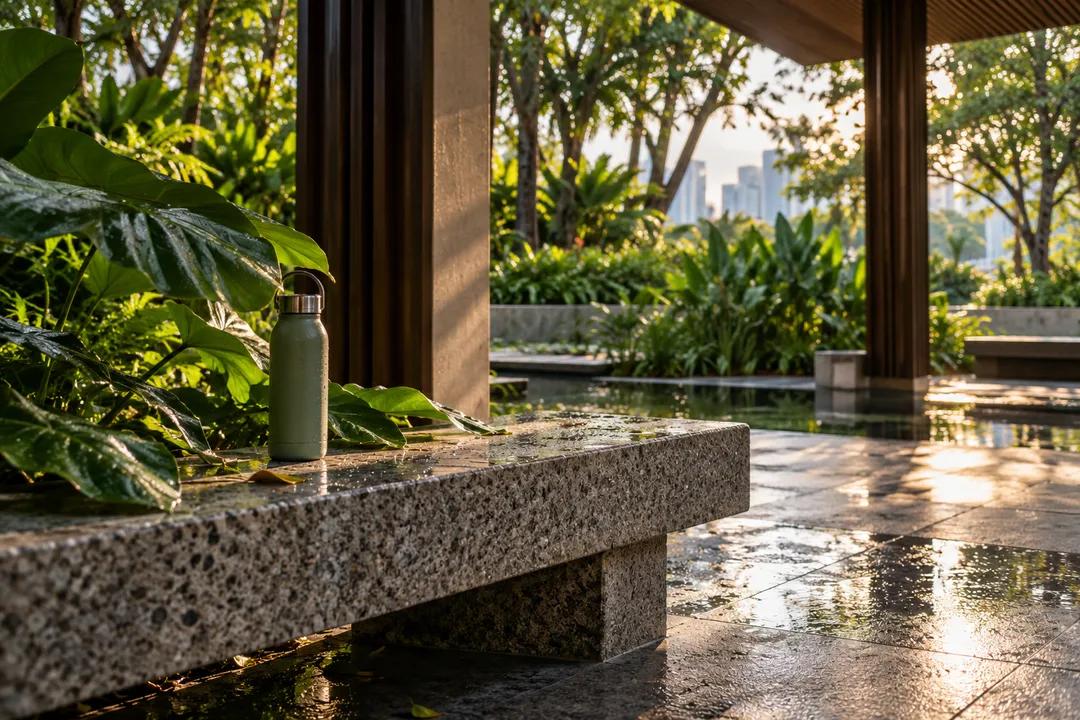
Tree cover in one photograph does not establish shade for an entire visit. Look at the sequence: arrival, the first path, the main area of interest, the break, and the exit. Ask where the proposed walk depends on an exposed connection. Where the available information does not describe shade or shelter, keep that limitation visible. An accurate shorter suggestion is more useful than a continuous promise of comfort that the evidence cannot support.
Keep shade and rain shelter separate. A leafy path may be attractive in sunlight without providing a dry place to wait during a shower. A covered structure may provide shelter while requiring an exposed approach. Ask the comparison to explain both kinds of exposure instead of collapsing them into one weather-friendly score. This distinction helps you decide whether the outdoor plan is still worthwhile or whether a different kind of afternoon would suit the group better.
Include arrival and the final connection
The route begins when you leave the station or bus, not at the garden's most convenient photograph. Tell Karpo which starting point you will use and whether a longer walk at the beginning or end is acceptable. A garden with a short internal loop can still demand a substantial approach. Compare total effort, including the return, so that a gentle-sounding activity does not hide the hardest part of the outing outside its boundary.
Think about where you want to finish. Going directly home, meeting someone for dinner, and returning to a parked vehicle create different useful exits. Keep the finish point attached to each version of the plan. If the party includes people leaving separately, identify a shared stopping point before their routes divide. These are choices to settle during planning, rather than decisions to make after everyone has already walked farther than expected.
Give the break a purpose
A break can mean sitting quietly, having a substantial meal, or finding somewhere cooler for a while. Specify what the group needs and whether buying food is part of the intended spending. A café suggestion is not automatically a suitable rest stop for a larger party or someone who does not want to order. The comparison should distinguish a place intended for a pause from a place that merely appears near the route.
Carry water according to your own needs and treat any proposed refill or food stop as a specific detail requiring an actual place in the final itinerary. Do not build the afternoon around unnamed facilities. During the comparison stage, it is enough to recognise that one candidate has an unresolved break while another has a break you can identify. That difference may matter more than the extra plants or scenery offered by the longer option.
Compare one garden with a mixed afternoon
Put a dedicated outdoor visit beside a shorter garden stop followed by an indoor activity. The first preserves continuity and gives you more time to explore. The second reduces outdoor commitment but introduces another journey and potentially another cost. Ask which benefit would be lost by shortening the garden portion. If the answer is only an additional loop with no particular interest to your party, the compact version may be the more comfortable choice.
Avoid choosing the indoor extension solely because it is close on a map. Explain whether you want quiet, a seat, food, or something for children to do. A lively shopping area and a calm exhibition solve different problems. The alternative should suit the person who needs the break, rather than simply allowing the itinerary to continue. It is also reasonable to end the afternoon early when the outdoor experience has already delivered what the group wanted.
Use a prompt with clear comfort limits
Try this example: “Compare two ways to spend an afternoon outdoors in Singapore. We want to look at plants and take photographs, with short walking sections and somewhere to sit. Start from our MRT station and finish near our dinner meeting point. Show a garden-only visit and a shorter green stop with an indoor break, explaining any uncertain shelter or access details.” Add the real date and your party's needs before requesting particular places.
Read the result for physical effort rather than just duration. Has the comparison included the approach from transport? Does the break provide what you asked for? Is the exit convenient for the actual finish point? If those questions remain unanswered, narrow the request. The assistant can help structure the choices, but attractive wording should not substitute for a route whose basic connections and requirements you understand. Choose the version that explains its compromises clearly.
Practical Notes for a flexible afternoon
Save the intended entrance, exit, and first stopping point once you have chosen actual destinations. Keep the compact version available without treating it as an inferior result. If somebody is tired earlier than expected, remove an optional loop and retain the useful exit. A flexible outdoor plan should let the group shorten the walk without losing track of where to go next or adding a hurried transfer to another part of Singapore.
The final success test is simple: did the visit provide the kind of outdoor time you wanted? A shaded pause and one rewarding path can be enough. There is no need to cover an entire garden to justify the journey. Use the comparison to decide where your party will spend its energy, and leave space for looking closely at the plants, taking a photograph, or sitting together without watching the clock.
Ask Karpo for more information.
Keep reading
- Chinatown New in Town Weekend Planner: Errands and Temples
 Kampong Glam New in Town Weekend Planner: Mosque to Murtabak
 Holland Village New in Town Weekend Planner: Meet People