 Sentosa Christmas Light Up Walk Planner for Young Families
Free Things to Do
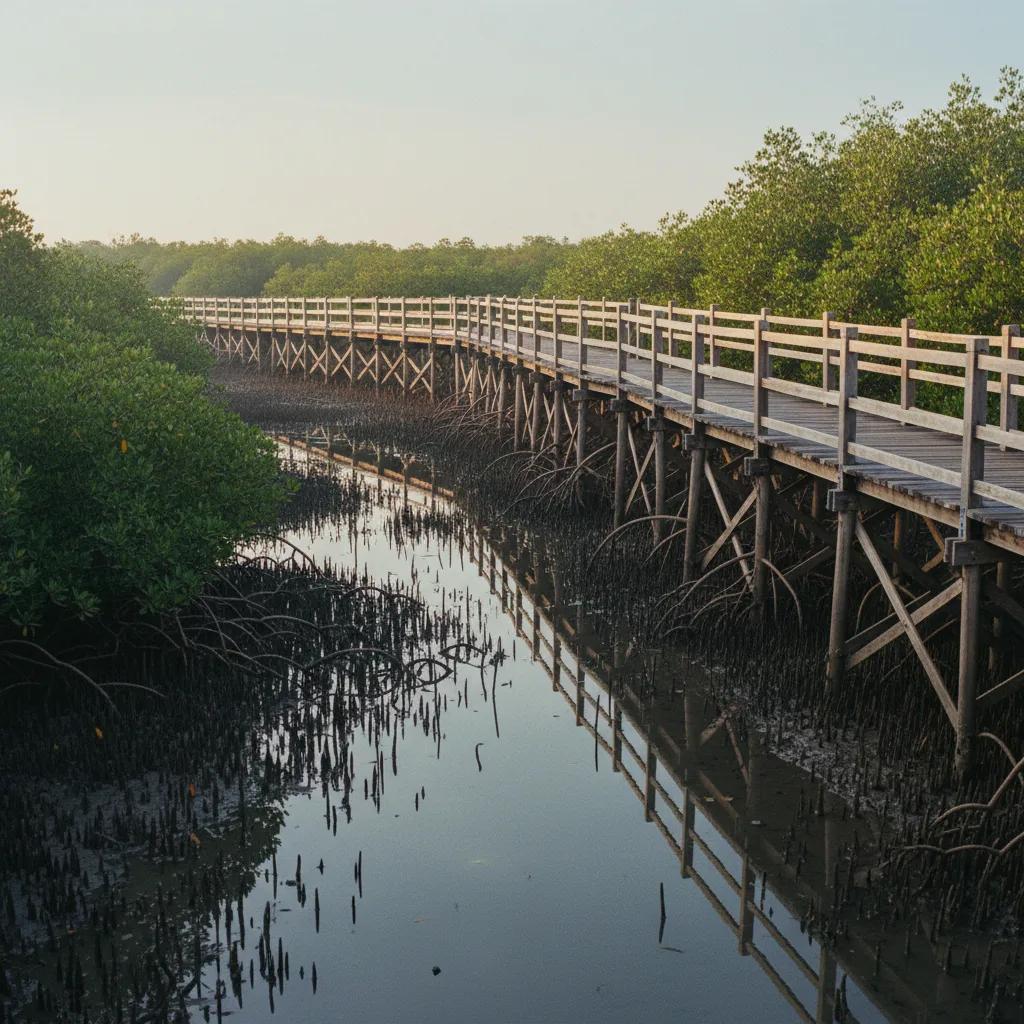
Sungei Buloh Waterfront Boardwalk: Free Mangrove Tidal Trail
Sungei Buloh Wetland Reserve at 301 Neo Tiew Crescent opens daily from 7 am to 7 pm with free entry. Raised mangrove boardwalks offer front-row wildlife views.
Nestled along the quiet northwestern coastline of Singapore at 301 Neo Tiew Crescent, Singapore 718925, Sungei Buloh Wetland Reserve provides an extraordinary window into the wild coastal heritage of the island. Established as a nature park in 1993 and subsequently gazetted as Singapore first ASEAN Heritage Park in 2003, this 130-hectare sanctuary protects vital mangrove swamps, tidal mudflats, and coastal freshwater ponds. The reserve sits along the East Asian-Australasian Flyway, serving as a globally crucial stopover point for thousands of migratory shorebirds traveling between Siberia and Australasia. For nature enthusiasts searching for a pristine waterfront boardwalk near me in Singapore, Sungei Buloh delivers an unmatched wilderness walk through protected estuarine habitats.
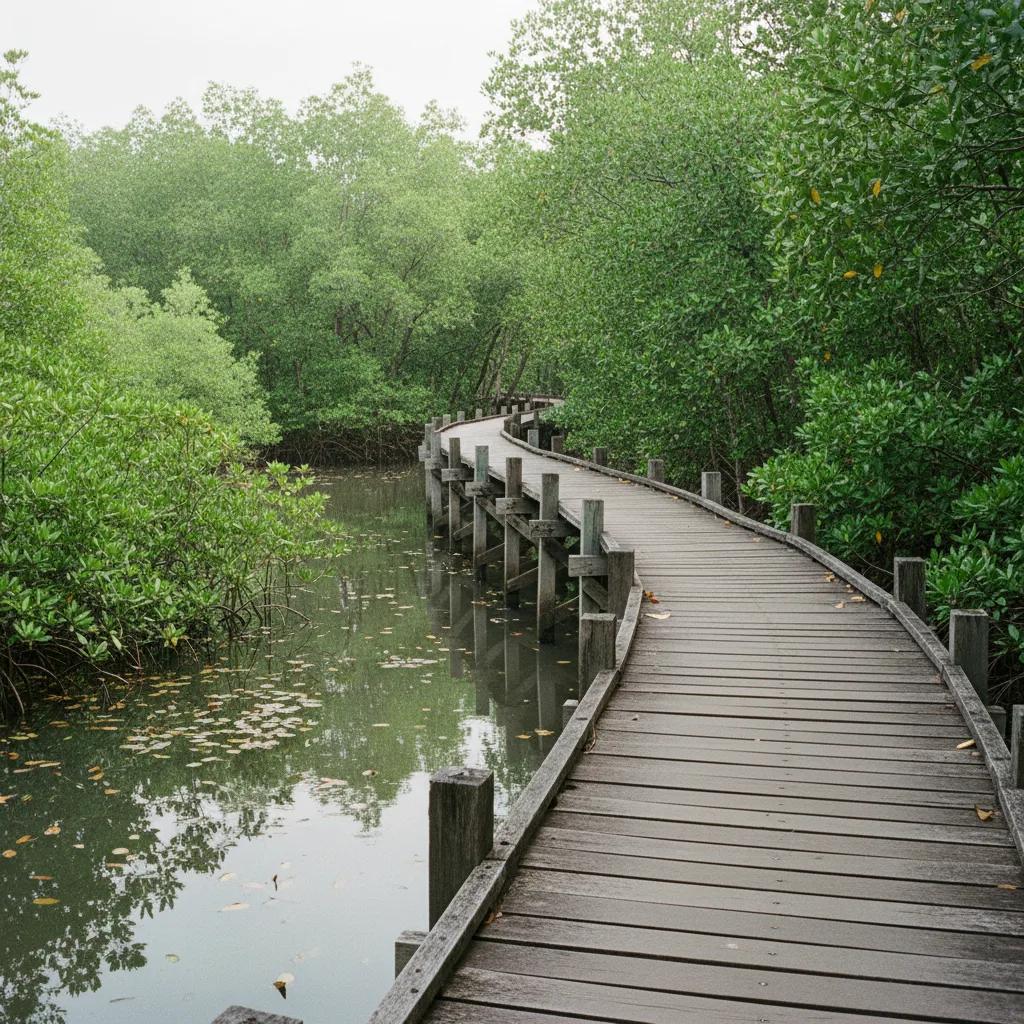
The heart of the visitor experience is the 500m Mangrove Boardwalk, an elevated timber pathway that loops through the dense estuarine forest beside the Wetland Centre. Suspended several feet above the tidal silt, this wooden walkway allows visitors to observe the complex architecture of mangrove roots and the dynamic tidal rhythms without disturbing the sensitive ecosystem. An adjoining network of gravel trails and the 1.3 km Coastal Trail extends the journey along the rocky shoreline, crossing scenic timber footbridges that span tidal creeks and coastal estuaries emptying into the Johor Strait, with viewing platforms opening onto coastal vistas.
Mangrove Adaptations and Intertidal Creatures
Walking along the Mangrove Boardwalk at low tide offers a front-row seat to the fascinating creatures that thrive in the intertidal mud. Giant mudskippers (Periophthalmodon schlosseri) drag themselves across the glistening silt using muscular pectoral fins, defending their circular breeding pools from rival males. Brightly colored fiddler crabs emerge from burrows to sift organic matter from the sand, their porcelain-blue bodies and single oversized claws flashing in the dappled sunlight. In the brackish water channels, schools of archerfish swim near the surface, spitting pinpoint water jets onto overhanging branches to knock resting insects into the water, demonstrating remarkable hunting precision.
The mangrove trees themselves are marvels of botanical adaptation. The boardwalk winds past towering Rhizophora trees supported by sprawling stilt roots that resemble flying buttresses, as well as Avicennia species featuring pencil-like pneumatophores that project vertically out of the mud to breathe air during high tide. Informative panels installed along the timber railings explain how these specialized root systems trap organic sediment, buffer coastal storm surges, and provide an essential nursery ground for marine life that supports the wider regional fishery. Walking through this tangled green thicket gives you an appreciation for the crucial ecological barrier mangroves provide. The extensive mangrove root systems also support countless young crabs, juvenile marine catfish, and swimming sea snails that find sanctuary among the tangled wooden network during the twice-daily tidal cycles.
Migratory Shorebirds and Estuarine Wildlife
Beyond the immediate mangrove swamp, Sungei Buloh is celebrated worldwide as a birdwatcher paradise. Between September and March each year, migratory shorebirds arrive in tremendous numbers to feed on the nutrient-rich mudflats. From the wooden observation hides and observation pods spaced along the coastal trails, birders equipped with binoculars can spot rare species such as Pacific golden plovers, common redshanks, whimbrels, and marsh sandpipers. Resident wetland species, including striking grey herons, great egrets, and vibrant common kingfishers, patrol the tidal shallows year-round, diving into the calm estuary waters with swift grace.
Reptilian wildlife is equally prominent throughout the reserve. Large Malayan water monitor lizards (Varanus salvator) regularly swim through the creeks or bask on muddy banks right beside the boardwalk, completely unbothered by quiet human observers. In the larger estuarine waterways, keen-eyed visitors may even spot the distinctive snout of a native estuarine crocodile (Crocodylus porosus) resting motionless in the shallows. The reserve maintains clear warning signage and sturdy timber handrails, ensuring that wildlife viewing remains entirely safe and respectful while keeping wild animals undisturbed in their natural habitats.
Coastal Trail Pods and Strait Horizons
The Coastal Trail section of the reserve offers an expansive panoramic shift from the enclosed mangrove forest. Here, elevated observation pods resembling giant woven pods provide shaded vantage points overlooking the Straits of Johor. Looking across the narrow maritime channel, you can clearly view the coastline of Johor Bahru in southern Malaysia, with its coastal wetlands and distant urban skyline. The gentle sea breeze and the sound of waves washing against the rocky embankment make these pods idyllic places to pause, rest, and reflect on the delicate maritime border separating the two nations.
Visiting Sungei Buloh requires modest preparation to ensure a comfortable outing. Because the reserve is heavily forested and adjacent to wetlands, mosquitoes and midges can be present, making insect repellent and light, long-sleeved clothing highly beneficial. Bringing a pair of binoculars and a camera with a telephoto lens will dramatically enhance your ability to observe distant shorebirds and resting reptiles. Visitors should maintain quiet voices, stay strictly on the timber boardwalks, and carry adequate drinking water in reusable bottles to stay properly hydrated in the tropical heat. Taking time to move slowly along the elevated walkway allows the wetlands to reveal their subtle rhythms, from the snapping sounds of pistol shrimp beneath the boardwalk to the gentle rustling of leaves as fruit bats and monitor lizards move through the branches.
Practical Notes
Sungei Buloh Wetland Reserve is located at 301 Neo Tiew Crescent, Singapore 718925. Admission is completely free, and the reserve is open daily from 7:00 am to 7:00 pm. The Wetland Centre provides clean restrooms, water coolers, and a visitor counter with informative maps and seasonal wildlife sighting boards. To reach the reserve by public transport, take the North South Line to Kranji MRT station (NS7), then board SMRT Bus 925 directly to the Wetland Centre entrance (on Sundays and public holidays, the bus drops passengers right at the entrance; on weekdays and Saturdays, it stops a short walk away at Kranji Reservoir Carpark B).
After spending the morning exploring Sungei Buloh, venture into the surrounding Kranji Countryside, Singapore rural agricultural greenbelt. Nearby farmsteads, including Hay Dairies goat farm and Bollywood Farms, offer authentic agro-tourism experiences just a few minutes drive away. At Bollywood Farms, the rustic Poison Ivy Bistro serves farm-to-table meals made with fresh herbs, blue pea rice, moringa tempura, and local banana cake, providing a delightful and wholesome conclusion to your northwest Singapore wetland expedition before returning to the urban center.
Ask Karpo for more information.
Keep reading
- Sentosa Christmas Light Up Walk Planner for Young Families
 Tanjong Pagar Christmas Light Up Walk Planner for Teams
 Bugis Christmas Light Up Walk Planner for Interfaith Friends