 Chinatown New in Town Weekend Planner: Errands and Temples
Weekend Plans
Visiting Parents Itinerary Planner for Chinatown Tea Days
Plan a Chinatown day for visiting parents in Singapore around temples, a shaded walk and a long seated lunch. Rest at a teahouse and skip the souvenir stalls.
Chinatown is the Singapore neighbourhood where a visiting parents itinerary planner can do the most with the least walking. Temples, a heritage museum in old shophouses, hawker food that parents already half-recognise, and teahouses with proper chairs all sit inside a few shaded blocks. Plan it as one unhurried day with a long seated lunch in the middle, and let the covered five-foot walkways carry you between stops instead of the open pavement.
Why Chinatown Suits Parents Who Have Flown a Long Way
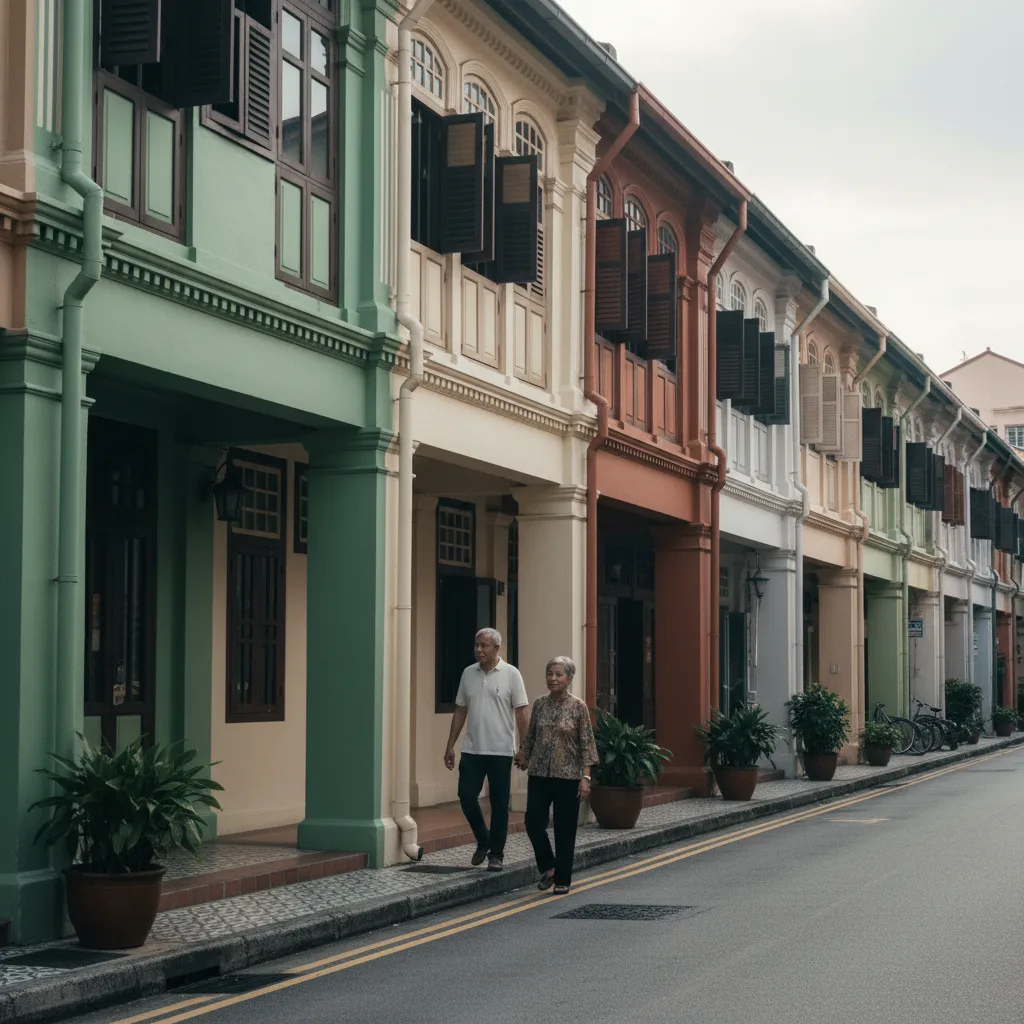
Jet lag shapes the first days of any parents' visit more than any sightseeing list does. Chinatown forgives it. Everything is close to the MRT, the streets are flat, and the arcaded walkways under the shophouses give shade from the sun and cover from sudden rain. If your father tires after an hour, you are never far from a bench, a cold drink or a taxi stand, and nobody has to pretend they are not tired.
It also gives parents something to recognise. Many visitors from Asia find echoes of the towns they grew up in, while parents from further away find a version of Chinese culture that is distinctly Singaporean, mixed with Indian temples, Malay food and colonial architecture. That mix starts conversations. Expect questions about why a Hindu temple stands on a Chinatown street, and treat them as the point of the day rather than a detour.
A Gentle Morning Among the Temples
Start at the Buddha Tooth Relic Temple while the air is still soft. The red and gold halls are cool inside, there are seats along the walls, and the rooftop garden with its prayer wheel is reached by lift, not stairs. Ask your parents to dress with covered shoulders and knees, and bring a light shawl just in case. Let them set the pace here. Some parents will want to sit quietly, others will want every story behind the statues.
From there it is a short walk to the Sri Mariamman Temple, whose tower of painted gods surprises almost everyone. Shoes come off at the entrance, so pick slip-on footwear for the day and carry a small towel for warm floor tiles. A quick look across the street at the Jamae Mosque completes a small lesson in how Singapore's faiths share the same few streets. Keep this part to a loop of a few blocks so energy is saved for lunch.
Heritage Without Hard Walking
The Chinatown Heritage Centre recreates the cramped shophouse rooms that early migrants rented, complete with bunk beds, kitchen corners and tailor workshops. For parents who lived through lean years themselves, these rooms can hit hard, in a good way. Give them time, and do not hurry past the displays they linger over. Ask what their own first homes were like. You may hear stories you have never heard before, which is worth more than a perfect schedule.
If a museum feels like too much, walk Pagoda Street and Trengganu Street slowly instead and read the old shop fronts together. Point out the carved wooden doors, the painted tiles and the narrow windows. It is fine to skip the souvenir stalls that sell the same magnets and fans, since most parents lose interest quickly. A single good shop selling tea, dried goods or traditional medicine is more memorable than ten stalls of trinkets.
Lunch Is the Anchor, So Choose a Seat First
Chinatown's hawker centres are where many visiting parents finally relax. Maxwell Food Centre is the easy choice: on the ground floor, open-sided, and full of dishes like chicken rice, fish soup and porridge that are gentle after a long flight. Chinatown Complex upstairs is larger and noisier, better for parents who enjoy a bit of chaos. In either one, send one person to hold a table with a packet of tissues while the others queue, which is how locals do it.
Order for the table rather than one dish each. A plate of chicken rice, a bowl of sliced fish soup, some popiah and a sugarcane juice let parents taste several things without committing to a heavy meal. If the queue at a famous stall looks long, skip it. The stall next door is often just as good, and your mother will not remember the name. What she will remember is sitting down, sharing food and watching the crowd move around her.
An Afternoon Rest at a Teahouse
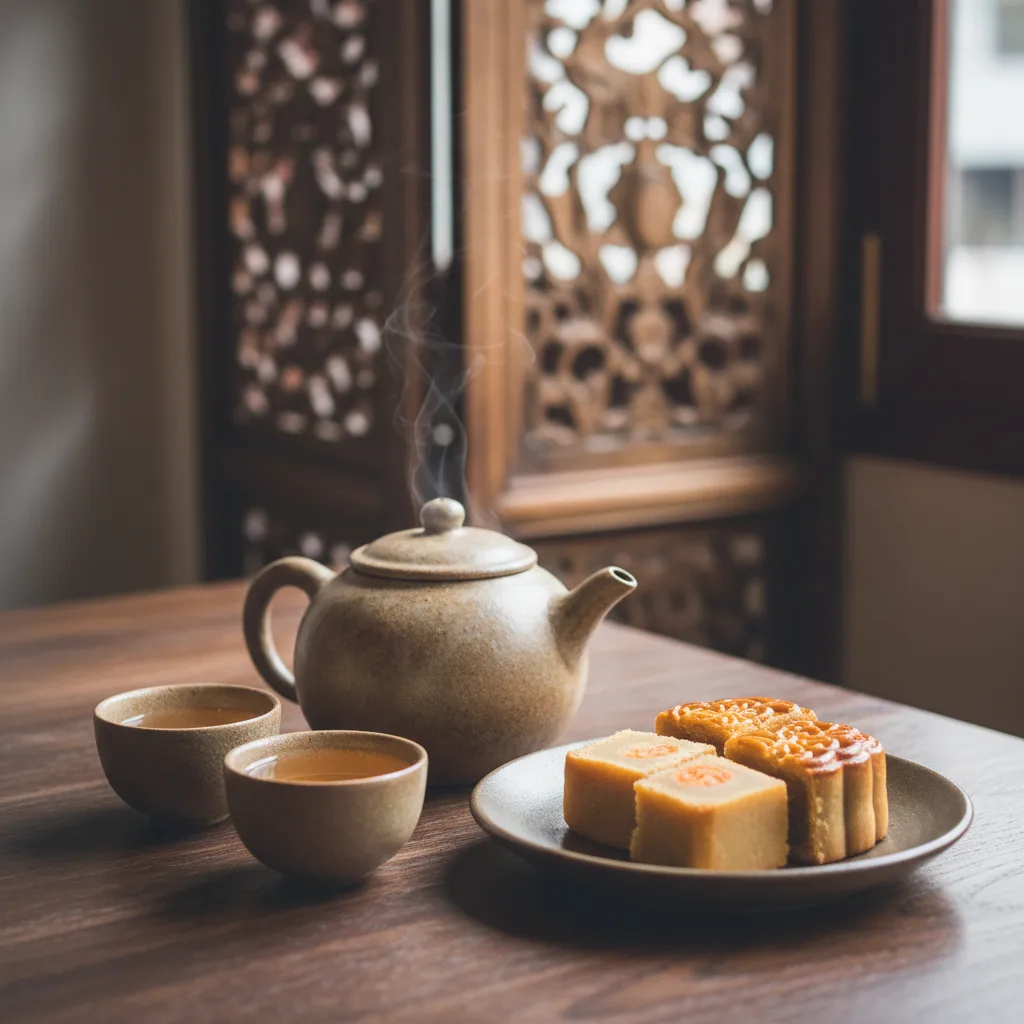
After lunch is the time to stop moving. Chinatown has traditional teahouses where tea is brewed slowly at the table, with small cups and a host who explains each leaf. This is perfect for parents who enjoy conversation more than sightseeing. The ritual of pouring and waiting slows everyone down, and the dim, wooden rooms feel a world away from the heat outside. Choose one with chairs and backs, and avoid stools if your parents have sore knees.
If tea is not their thing, a quiet cafe in a converted shophouse on Keong Saik Road or Ann Siang Hill works the same way. Order something cold, find a corner table and let your parents rest for an hour. Do not fill this slot with shopping. A visit with older guests goes better when there is a real pause in the middle of the day, especially in Singapore's humidity, where tiredness creeps up faster than they expect.
Evening Options for Tired Travellers
For the final stretch, walk up the slope to Ann Siang Hill Park, where a short shaded path looks out over shophouse roofs. Then choose a sit-down dinner rather than another hawker centre, so parents get proper chairs and air conditioning. Cantonese restaurants with round tables and lazy Susans are ideal, since everyone can share and nobody has to order alone. Ask for a quieter table toward the back so conversation is easy.
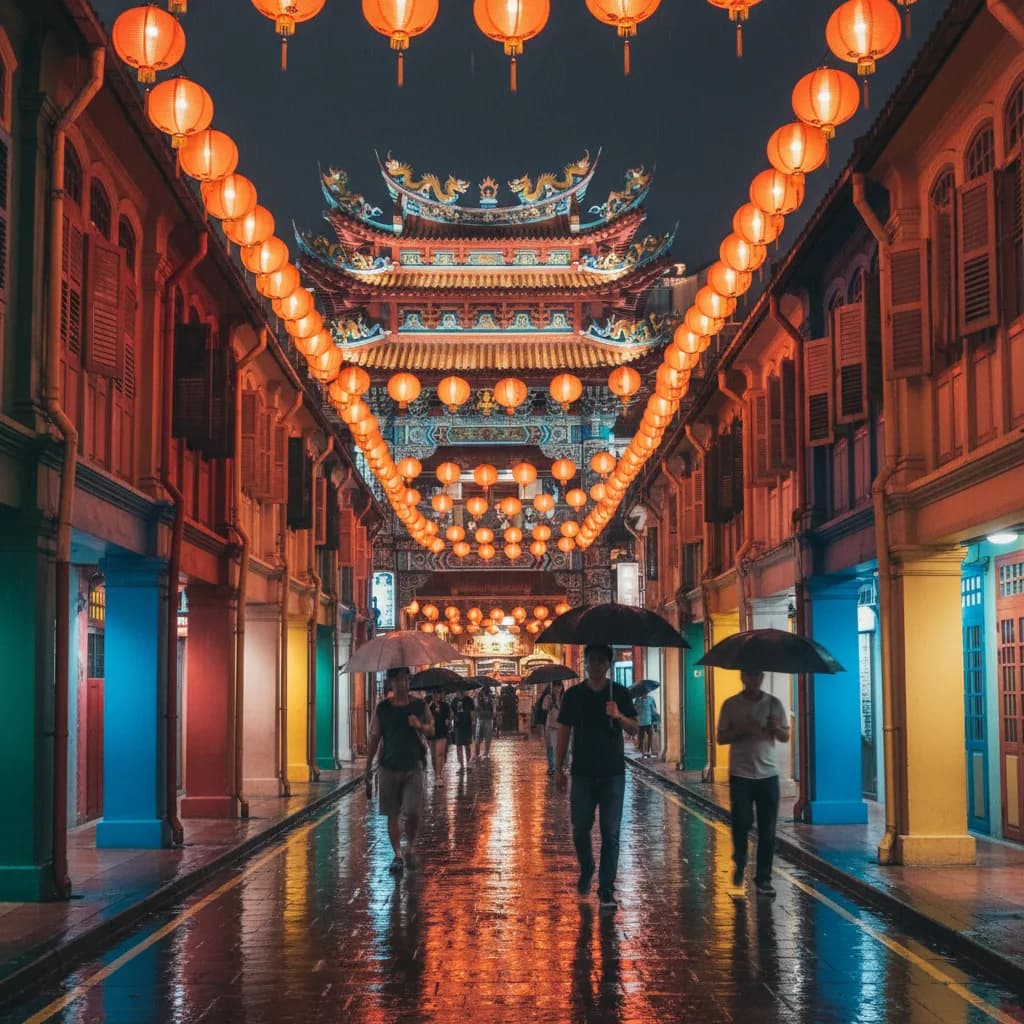
If your parents still have energy after dinner, the lanterns along the main streets are pleasant to stroll under, especially before a festival when the decorations go up. If not, take a taxi back. Chinatown is close to most central hotels, so ending the evening early costs nothing, and parents who sleep well will enjoy the next day far more. The goal is a day they want to repeat, not one they need to recover from.
Practical Notes for a Chinatown Day With Parents
Carry water, an umbrella that doubles as a sunshade, and a small fan. Plan on taxis or ride-hailing for longer hops, since Singapore cars are clean and air-conditioned. Most temples welcome visitors but expect modest dress and quiet voices. Keep cash and a card handy, as some hawker stalls still prefer cash. Share the plan with your parents the night before so they know when the rest stops are.
When you need to fill in a gap, open the Karpo APP and ask Karpo for ideas, such as a quiet Cantonese restaurant with round tables near Chinatown, a teahouse with proper chairs, or a covered route between two stops. It suggests options to compare. Check the details with the venue directly, then choose what fits your parents best. A well-paced Chinatown day leaves room for the stories they will tell when they get home.
Ask Karpo for more information.
Keep reading
- Chinatown New in Town Weekend Planner: Errands and Temples
 Kampong Glam New in Town Weekend Planner: Mosque to Murtabak
 Holland Village New in Town Weekend Planner: Meet People