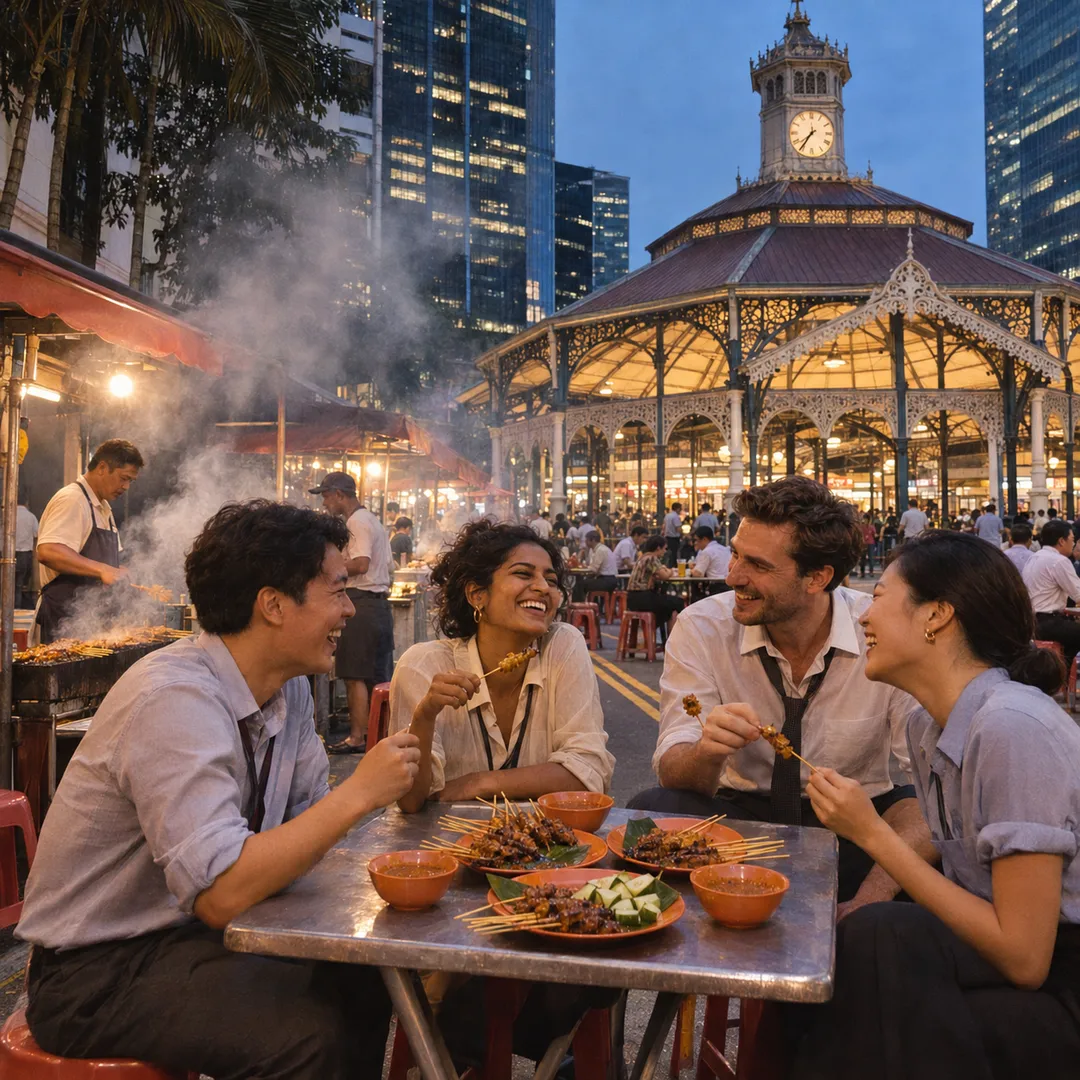
 Marina Bay Food Market Grazing Route After a Conference Day
Neighborhood Guides
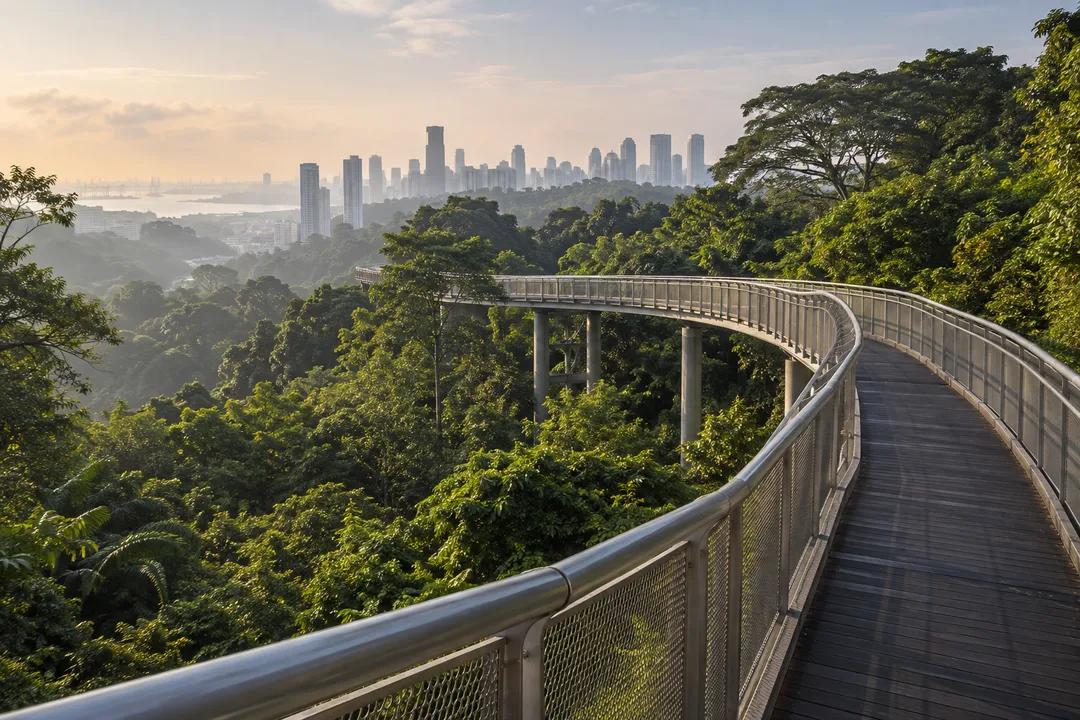
Southern Ridges Urban Nature Oasis Walk: Canopy Calm
Plan a Southern Ridges urban nature oasis walk with canopy shade, skyline glimpses, and gentle pacing, plus a flexible fallback for every walker.
Southern Ridges works best when treated as a sequence of changing textures rather than one long march. Begin your urban nature oasis walk with a canopy preference, a tolerance for stairs, and a clear idea of whether the group wants a dramatic bridge moment or a quiet forest pause. Karpo APP turns those wishes into a route brief, so the walk feels shaped before anyone starts climbing.
Read The Canopy Before You Start
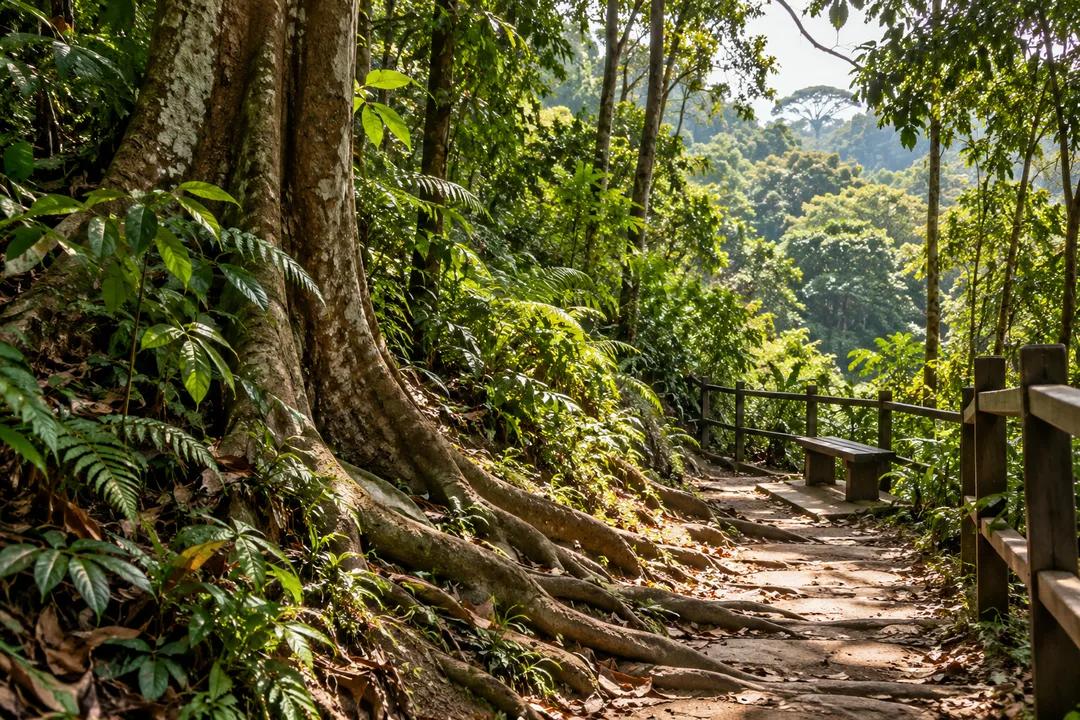
The opening mood is all layered green: broad leaves near the path, thin vines catching side light, and the occasional glimpse of the city through a gap in the foliage. Tell the planner whether you want a photographic route or a conversation route. It can keep the first section gentle, reserve the elevated views for later, and avoid spending everyone’s energy before the walk has found its pace.
For a mixed group, describe the people as well as the route. A photographer may linger at every opening; a child may prefer a railing and a visible next turn; an older relative may want a bench after each incline. These notes are more useful than a vague “nature walk” request. The result can balance adventure with small recovery points that make the whole ridge feel generous.
Walkers often rush because the skyline appears between trees. Resist making every glimpse a destination. Ask for two or three deliberate pauses, each with a different feeling: one high and airy, one enclosed by leaves, and one where the group can hear insects or wind. The planner can keep those stops in order, letting the route unfold instead of turning into a hunt for the next photo.
Build A Trail Rhythm That Breathes
Once the group is moving, use a simple rule: the person carrying water sets the pace. Put a slower rhythm into the request and leave room for unscheduled observation. A canopy trail changes with cloud cover, and the same boardwalk can feel completely different when the sun breaks through. The app’s route notes give everyone permission to pause without treating the pause as a delay.
If a staircase section feels too ambitious, keep a lower-effort alternative visible rather than abandoning the outing. A good plan names the tradeoff clearly: less elevation, more continuous shade, fewer dramatic overlooks. That choice lets the group decide in the moment. It also keeps the host from improvising a replacement route while everyone waits in the humidity.
The signature pleasure here is contrast. Dense foliage can suddenly open to a long view, then close again around a narrow, almost secret path. Ask Karpo APP to rank contrast rather than simply “greenery.” That wording invites a route with visual chapters and gives the group a reason to keep walking when the first section feels familiar.
Choose Viewpoints Without Chasing Them
For a quieter outing, place the most popular-looking viewpoint in the middle, not at the beginning. Early curiosity then carries the group forward, while the final section can settle into leaves and birdsong. For a more energetic outing, reverse the order and finish with a broad outlook. The same landscape supports both plans when the sequence is intentional.
Bring one shared note about weather. A passing shower may make leaves brighter while turning smooth steps slick, so the route should include a sheltered pause and a point where the group can shorten the walk. Ask for a plan that values continuity over completion. Finishing a shorter loop together is better than splitting the party on a wet incline.
People often underestimate how much a forest walk is about sound. Add “quiet enough to talk” or “let the canopy be the soundtrack” to your request. Those small phrases change the suggested rhythm. The result might include a slower connector, a shaded seat, or a stretch where the group walks without commentary and meets again at a named pause.
Practical Notes
Use the Southern Ridges as a neighbourhood bridge rather than an isolated attraction. After the green sections, ask for a gentle transition toward nearby streets where the group can cool down and decide whether to continue. Karpo APP can keep the post-walk option simple: a drink, a short rest, or a direct return, without adding another demanding destination.
If one person wants a challenge and another wants a stroll, split the route only on paper. Mark a shared meeting point and let the faster walker take a short optional spur while the rest stay on the main path. The planner can record both choices, so nobody has to negotiate from scratch when the group reaches the fork.
A useful route description includes what to notice, not only where to turn. Mention the transition from high boardwalk to rooted forest, the quality of shade, and the kind of view that makes a pause worthwhile. Those cues help the group recognise the correct moment to stop even when the route feels visually similar from one bend to the next.
Practical Notes
For a late-day walk, protect the final light without promising a perfect sunset. Ask for a route that reaches an open section before the group tires, then offers a leafy return. The planning tool can treat light as a preference and comfort as a constraint, producing a plan that still works when clouds flatten the sky.
Use the middle of the walk as a listening interval rather than another achievement. Ask Karpo APP to mark a place where the group can stop noticing the canopy, bridge rhythm, and changing light without needing a destination. One person can hold the route note while everyone else follows the texture of the path. If the conversation grows lively, keep an optional quiet pocket later; if the group gets tired, make that pocket the turning point. This kind of planning protects the walk's emotional arc. It also gives first-time visitors language for what they are seeking: a little elevation, a little exposure, and plenty of green between decisions. Treat the route as a shared composition, and the city will recede on its own.
End with one shared cue: let the canopy determine the tempo, and let the group choose a shorter return without treating it as a compromise. The ridge feels most generous when everyone can notice a different layer and still arrive together.
Ask Karpo for more information.
Keep reading
- Marina Bay Food Market Grazing Route After a Conference Day
 River Valley Food Market Grazing Route With Young Kids
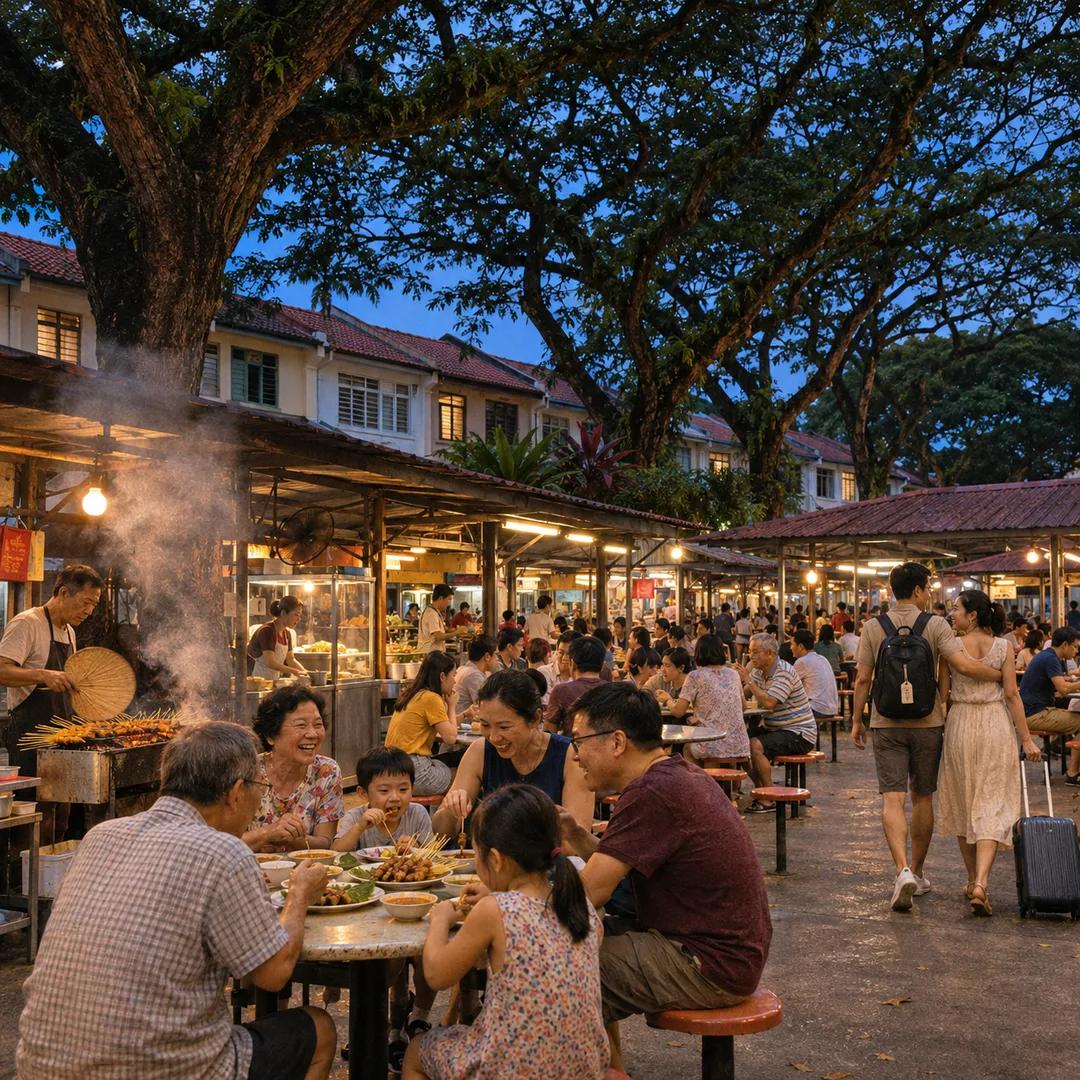 Serangoon Food Market Grazing Route for a Homecoming Weekend