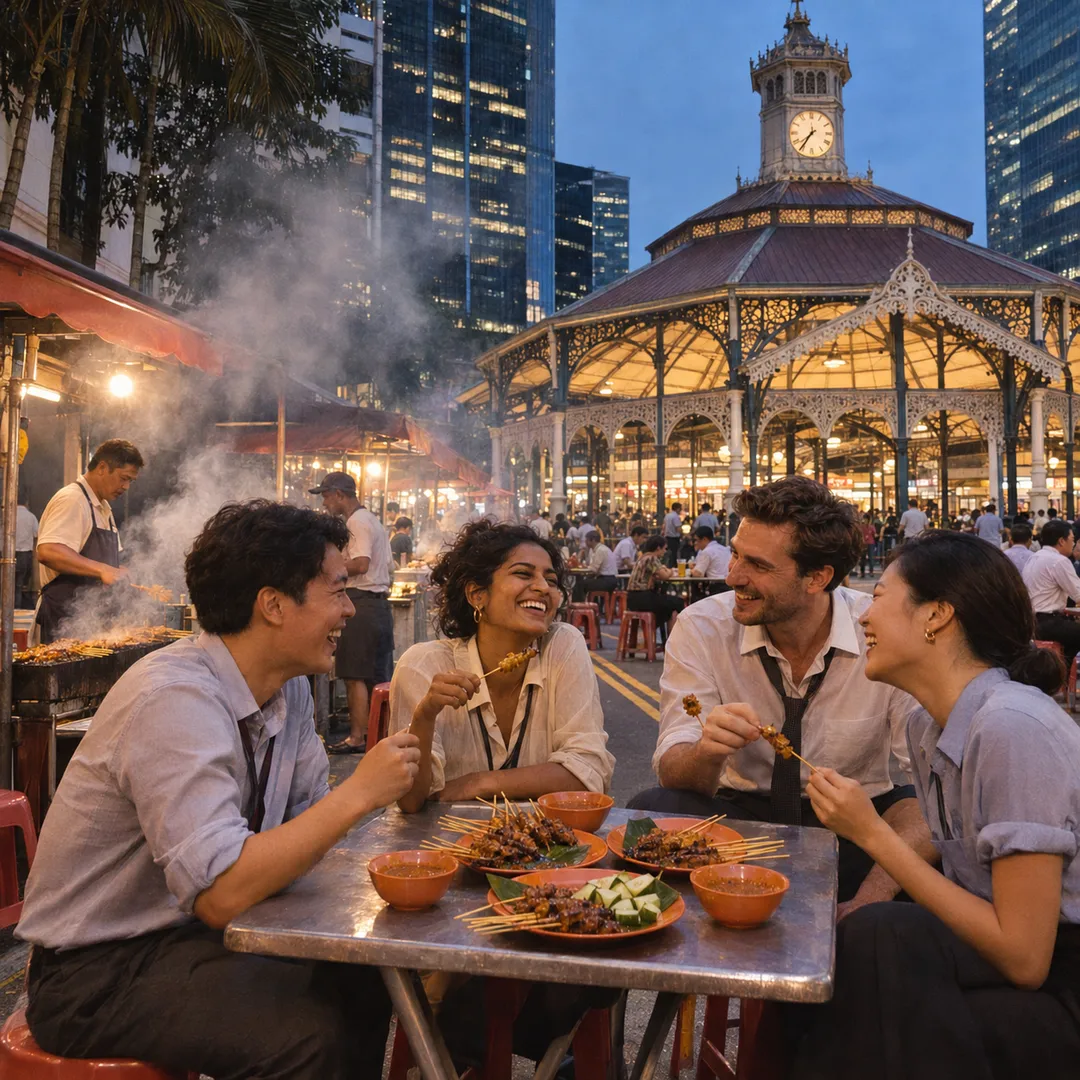
 Marina Bay Food Market Grazing Route After a Conference Day
Neighborhood Guides

Singapore Transit Station Pitstop Finder: One Handoff Plan
Singapore station handoff planning works best when you set a meeting point, a short pause and a clear return plan before you leave the train.
A station handoff can feel simple until one person arrives early, another exits on a different side, and a small delay turns into a search. Use a Singapore transit station pitstop finder brief to design the pause before anyone moves. Name the people, the reason for meeting, the time you can spare and the point at which the group continues. Karpo can help shape options for a local pause, but it does not know who has arrived or guarantee a particular exit, seat or live platform condition.
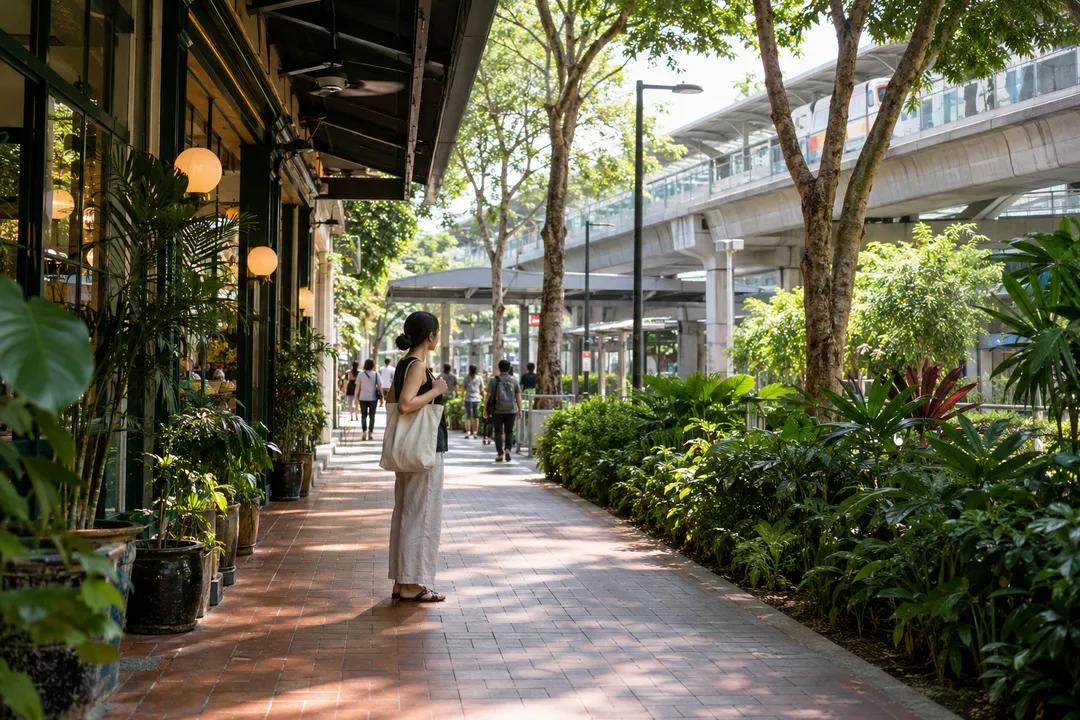
Define the handoff before choosing a stop
A good handoff starts with a single purpose. Are you passing over keys, joining a friend for a quick drink, or collecting a child before the next leg? Put that purpose in plain language, then add the maximum minutes available. “Meet for ten minutes and leave together” creates a different search than “find somewhere to spend the afternoon.” A narrow goal gives the conversation a way to rank simple, recognizable options without pretending that a station is an appointment system.
Write down what must be true for the meeting to count. Perhaps everyone needs to remain indoors, nobody should climb stairs with luggage, or the group should be able to leave in either direction. Those are personal constraints, not facts about a station. Keep them beside the destination and the time of the next commitment. The result can be a short list of ideas, while the people on the ground still decide which doorway, bench or shop is actually usable.
Give every traveler the same brief
Before asking for ideas, tell each traveler the same starting station and onward destination. Include the direction of travel, the number of people, and whether anyone carries a parcel or uses a stroller. Avoid giving one person a private preference that changes the brief halfway through the search. A shared request makes the result easier to discuss aloud and reduces the temptation to keep adding a more distant alternative simply because it sounds interesting.
Use a simple handoff sentence: “We have one short pause in Singapore, need a conspicuous public landmark, and must continue toward our next stop; suggest options with very little extra walking.” Add the actual station and time window in your own request. This sample asks for planning ideas only. It does not establish a live station map, tell you which exit is open, or say that a candidate has available seating.
Choose a pause that can end cleanly
A handoff stop should have a clear ending. Decide whether the group leaves when the person arrives, after a drink, or at a stated clock time. If someone is late, the rule might be one message and then the onward journey continues. That rule belongs to the group, not to Karpo. A recommendation cannot monitor arrivals or hold a place. Naming the ending in advance prevents the pause from expanding into an unplanned second outing.
If the pause involves buying something, describe the carrying limit and the payment task separately. A small envelope, a chilled drink or a bulky parcel each changes the next walk. Ask for ideas that fit the object and the route, then use the seller’s own information for stock, prices and service details. Do not treat a catalogue mention as proof that a nearby branch has the same item when the person reaches it.
Use the Karpo APP for bounded ideas
When the conversation offers several possibilities, rank them by the constraint that matters most. A covered approach may beat a more attractive detour when rain is heavy. A recognizable public landmark may beat a quieter corner when travelers do not know the area. If the top choice requires an unplanned lift ride, stairs or a long corridor, move it down. The purpose is not to find the most impressive stop; it is to make the meeting easy to execute.
Keep the Karpo APP request concrete and conversational. Mention who is meeting whom, what must be handed over, how long the pause can last and where the journey continues. Ask for the reason each suggestion fits. This encourages a useful comparison instead of a generic list of places. The APP is a starting point for local ideas; it does not replace station staff, accessibility information, a seller’s current notice or your own judgment at the entrance.
Separate a landmark from a promise
A landmark is a description, not a guarantee. “A large public artwork near the station” can help people recognize an area, while “the exact bench beside Exit 4” would be a claim that needs local detail. Keep your copy at the level the planning brief can support. Once you arrive, orient yourself, use official signs and agree on a visible point. The article’s method stays useful even when the built environment changes.
Give the onward schedule a buffer that belongs to you. A ten-minute pause can require extra time to gather bags, cross a concourse or find the right platform. Treat that buffer as part of the trip rather than as free time. If the schedule is tight, the best answer may be a shorter conversation at the station edge or postponing the handoff. A tool can help you compare the choices, but it cannot make a late departure safe.
Protect the onward schedule
After the handoff, resist adding a reward loop unless the group has chosen it. A quick snack, a shop window and a second meeting point can quietly turn a small exchange into a route of its own. Save those ideas for another request. The handoff has succeeded when everyone has the item or information they needed and can continue without a new decision. That definition keeps a useful pause from consuming the larger plan.
If you want a neighborhood walk, attach it to the direction you were already taking. Choose one simple onward stretch and a stopping rule, rather than inventing a loop around the station. Do not write a measured distance, a guaranteed shade route or a promise of open doors unless supported by the source you use. A walk can be pleasant, but it should remain optional once bags, weather or fatigue change the group’s priorities.
Practical Notes for a calmer transfer
Keep a short handoff note: people, purpose, meeting landmark, maximum pause, carrying limits, late-arrival rule and onward destination. In the Karpo APP, ask for local ideas using those fields and request a reason for each fit. If the response lacks the detail you need, leave the task open or ask the responsible venue or station authority. No address, phone, price or live service claim is asserted here; those belong to supported local information.
End by choosing the simplest workable plan. A shared landmark, an agreed clock time and a realistic buffer can be more valuable than a long list of places. If the handoff no longer fits the journey, postpone it without treating that as failure. Karpo helps you frame the question and compare possibilities; travelers still read the signs, meet one another and decide whether the physical stop works. The best pitstop is the one that lets the day continue.
Ask Karpo for more information.
Keep reading
- Marina Bay Food Market Grazing Route After a Conference Day
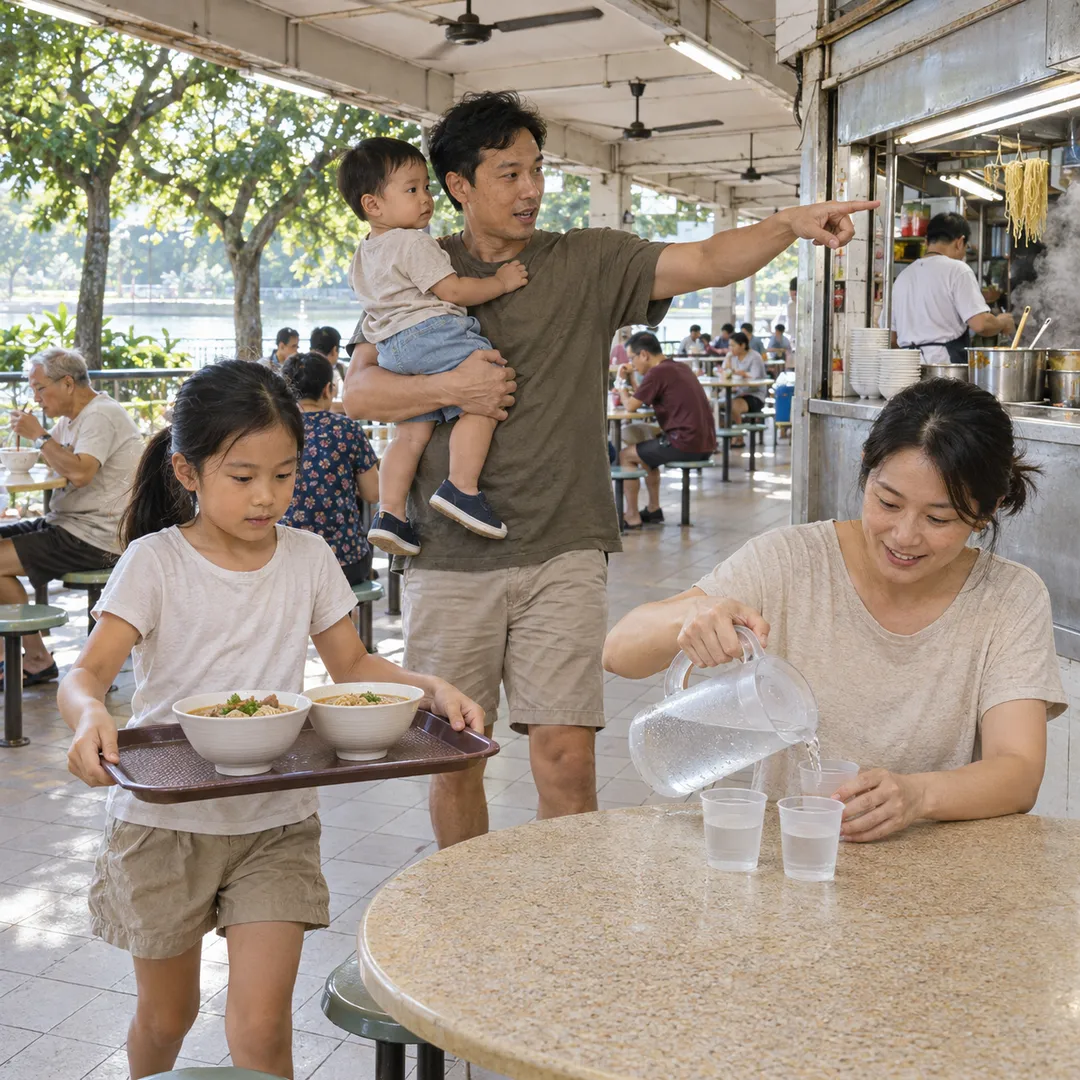 River Valley Food Market Grazing Route With Young Kids
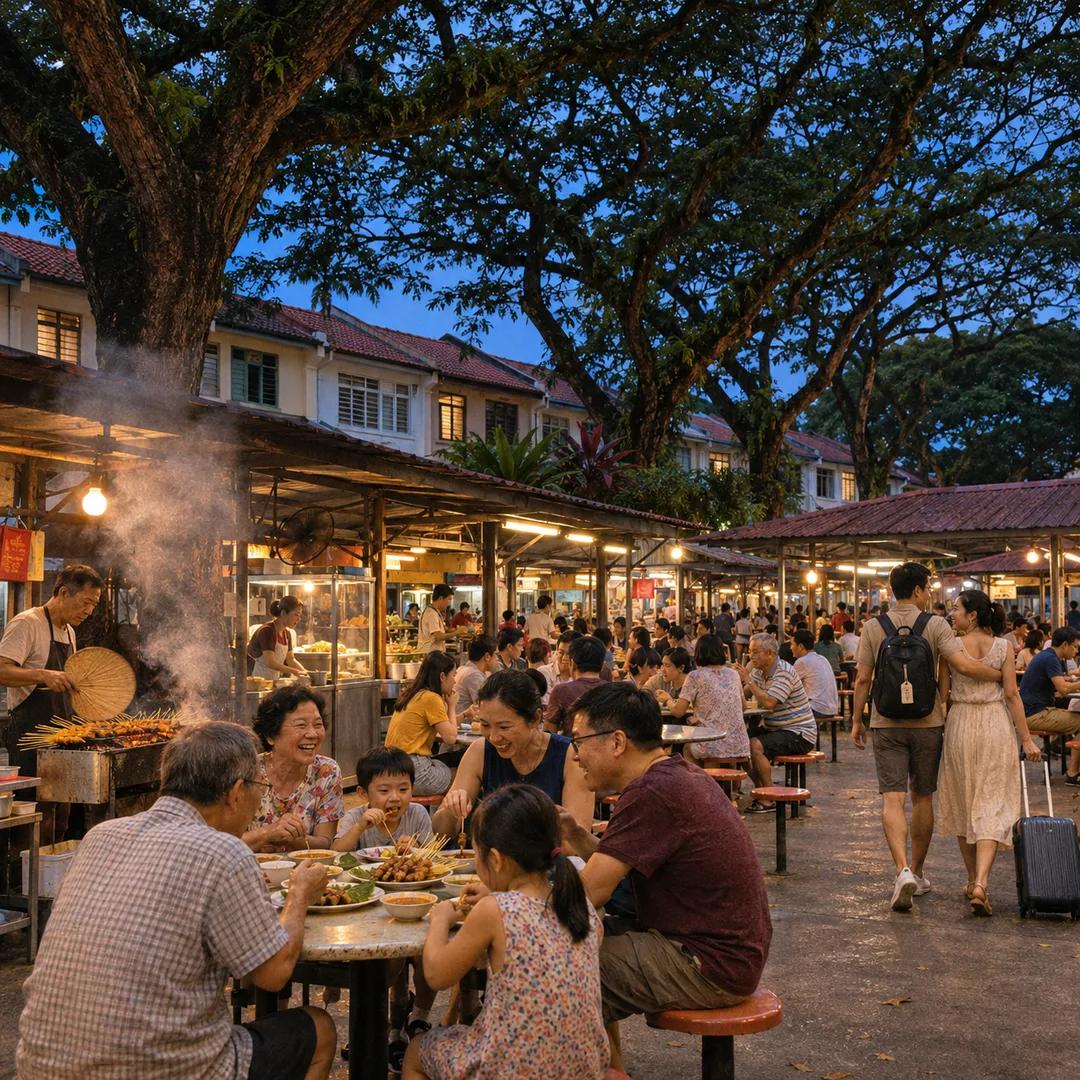 Serangoon Food Market Grazing Route for a Homecoming Weekend