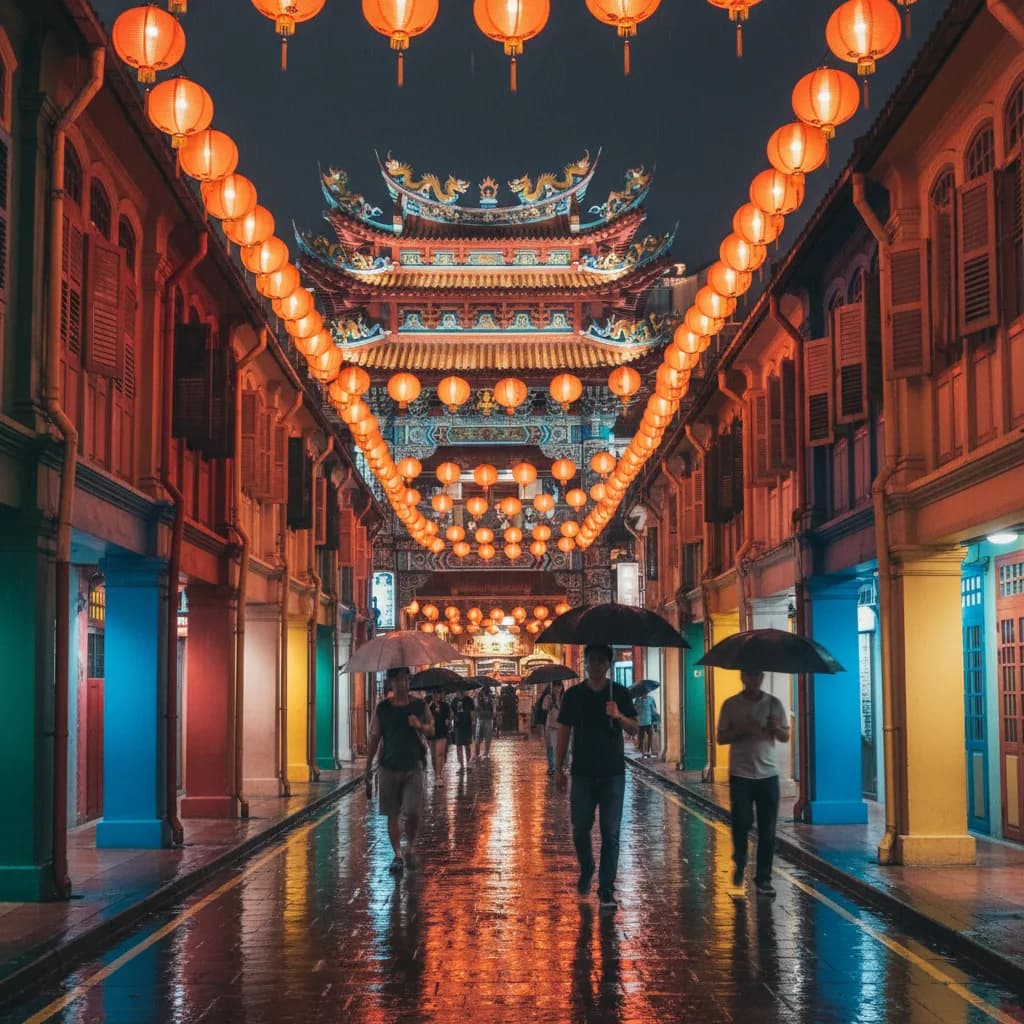
 Chinatown New in Town Weekend Planner: Errands and Temples
Weekend Plans
Tiong Bahru Traditional Tea Ceremony Room: Gongfu Tea Guide
Use Tiong Bahru's quiet pre-war estate as the base for a gongfu tea afternoon in a traditional tea ceremony room, with clear steps for pours, cups and pacing.
Tiong Bahru is one of the calmest places in Singapore to plan a visit to a traditional tea ceremony room, and the tradition that fits it best is Chinese gongfu tea rather than Japanese matcha. The estate's curved pre-war flats, slow back lanes and old neighbourhood market give you a gentle walk either side of a session where tea is brewed many times in a tiny pot and poured into cups no bigger than a thimble.
What Gongfu Tea Actually Is
Gongfu tea means tea made with skill and time. The style grew up in southern China, especially in Fujian and the Chaoshan region of Guangdong, and it travelled with migrants across Southeast Asia, including to Singapore. Instead of one big pot, the host uses a small clay or porcelain vessel, a generous amount of leaf and very short steeps. Each round tastes a little different, so a session is really a story told in six or eight short chapters.
Choosing the Right Kind of Room
In Singapore you will find tea rooms that lean towards a quiet tasting format, others that run lessons, and some that combine a retail counter with a few tables. When you compare options, ask whether a host or tea master brews for you, or whether you brew yourself after a short demonstration. First timers usually enjoy being served, because it lets you focus on the aroma and the way the flavour shifts. Ask, too, which teas are offered, since oolong and aged pu-erh show off the gongfu method particularly well.
The Steps You Will See
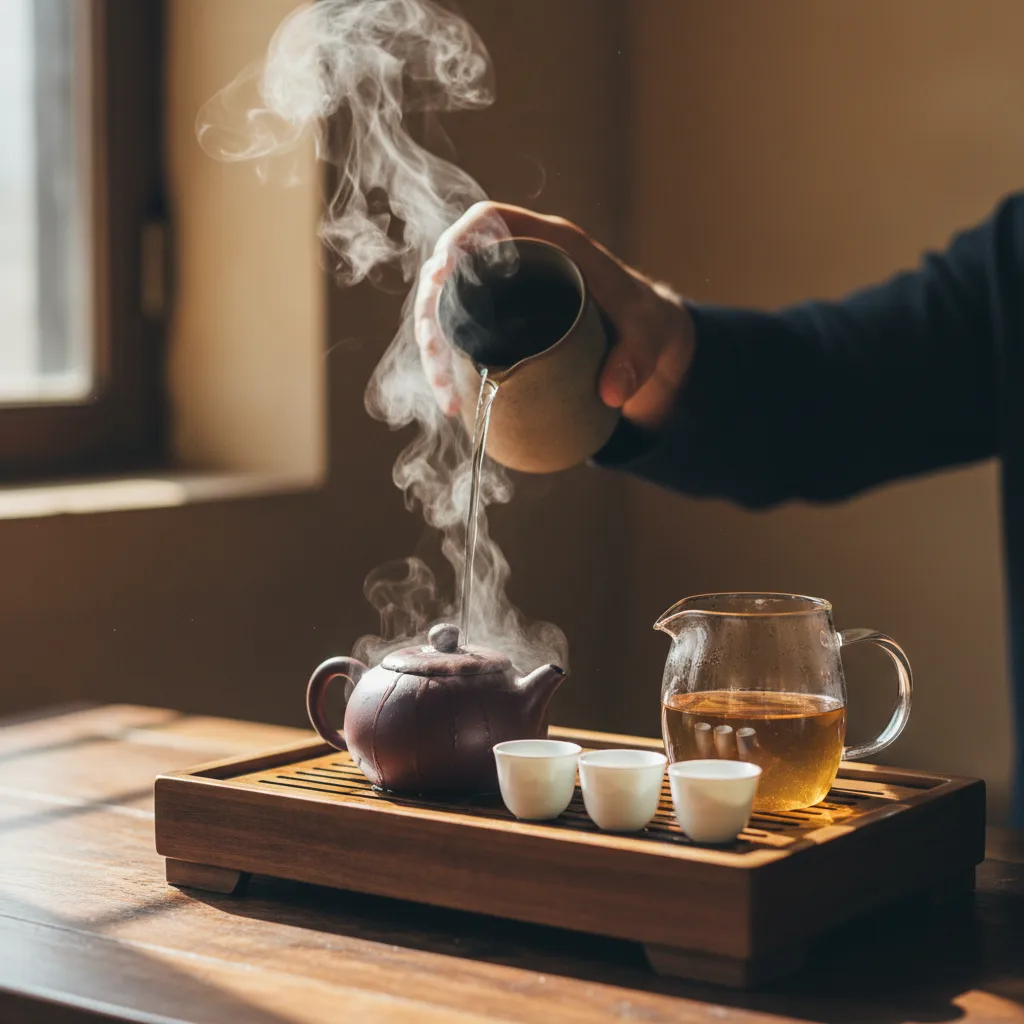
The host warms the pot and cups with hot water, then adds the leaves. The first very short pour is often used to rinse and wake the leaves, and it may be poured away or over a small clay figure on the tray. Then comes the first real infusion, decanted into a fairness pitcher so every cup tastes the same, and finally poured into small cups for each guest. The cycle repeats, with steeps growing slightly longer as the leaves open.
Three Oolongs to Recognise
Three names come up again and again on gongfu menus. Tieguanyin, from Anxi in Fujian, is often floral and creamy when lightly roasted and nutty when roasted longer. Dan Cong, from the Phoenix Mountain area near Chaozhou, is known for strong fruity and honey notes, and it is the classic tea of Teochew gongfu. Wuyi rock tea grows among cliffs in northern Fujian and tastes mineral and toasty. Knowing these three gives you a simple way to say what you liked, and the host can steer the next round from there.
How to Drink Like You Have Done It Before
Hold the small cup with your thumb and index finger, with the middle finger supporting the base. Smell the tea before you sip. Some rooms give you a tall aroma cup, which you empty into the drinking cup and then lift to your nose to catch the scent left behind. Sip in two or three small mouthfuls rather than one gulp. It is fine to ask the host what changed between rounds, and that question is often what turns a quiet tasting into a real conversation.
Questions Worth Asking the Host
Ask where the tea comes from and how old it is, especially for oolong and pu-erh, where the season and the roast matter a lot. Ask about the teapot as well. Unglazed purple clay pots from Yixing are prized because the clay slowly absorbs the character of the tea, which is why serious drinkers keep one pot for one type of tea. A host who enjoys these questions is usually the right host for a first visit.
Pacing Your Afternoon
A gongfu session is not a quick coffee. Plan at least an hour so you can go through several infusions without watching the clock. Eat something light beforehand, because strong tea on an empty stomach can make some people feel shaky. In Singapore's heat, choose loose clothing and arrive a little early to cool down, since sweating through the first round makes it harder to notice the delicate aromas.
A Walk Through the Estate
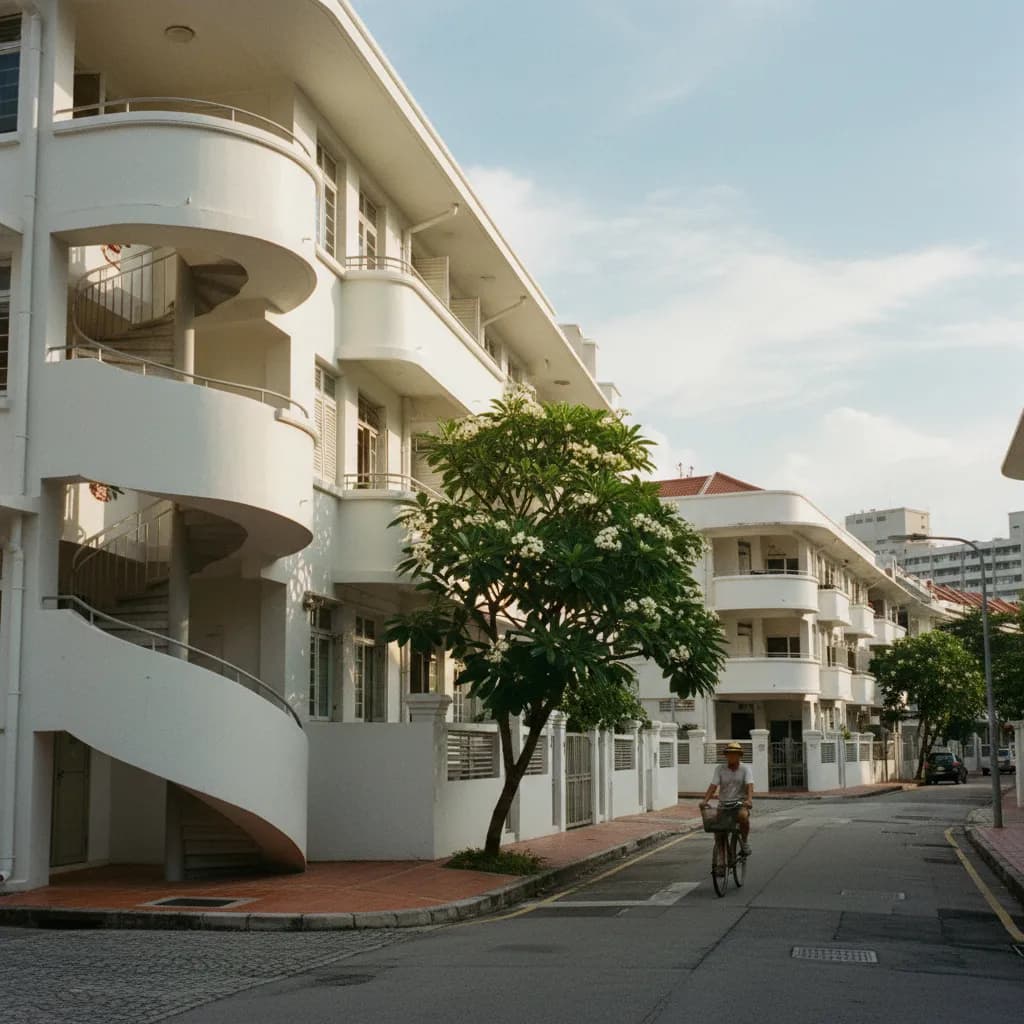
Tiong Bahru was one of the first public housing estates in Singapore, built by the Singapore Improvement Trust from the 1930s. Its rounded corners, ribbon windows and spiral back staircases are a local version of the Streamline Moderne style, and the oldest blocks are now conserved. Wander the lanes around Seng Poh Road and Eng Hoon Street after your session, look up at the curved balconies, and pass the small Qi Tian Gong temple, which is dedicated to the Monkey God. Tiong Bahru Market anchors the neighbourhood, with its hawker centre upstairs and wet market below, and it is a good stop for a simple meal before or after tea.
Taking the Habit Home
Many tea rooms sell the leaves they brew, and a small packet is the best souvenir from the afternoon. Ask the host to write down the water temperature and leaf amount they used, because those two details matter more than expensive equipment. A simple porcelain gaiwan, a lidded bowl, is a forgiving way to start gongfu brewing at home before you ever think about a clay pot. Store the leaves sealed and away from light and strong smells, and brew them within a few months while the aroma is still bright.
A Fair Warning
Gongfu tea can be intense. Several rounds of strong oolong carry a fair amount of caffeine, and late afternoon sessions may affect your sleep. If you are sensitive, ask for lighter teas or fewer rounds. And if what you want is a sweet bubble tea or a milky teh, this is the wrong room, and that is completely fine.
Using Karpo to Plan the Session
Ask Karpo for a shortlist of gongfu tea rooms you can reach from Tiong Bahru, and mention details such as English explanation, a host who brews for you, or a lesson format. Karpo compares the options and lets you save the ones that fit, along with the walking route through the estate. Contact the tea room directly to agree a time, then keep the plan in one place so friends joining you know where to meet.
Getting There
Tiong Bahru MRT station is on the East-West Line, and from the station the conserved blocks are a short walk south across Tiong Bahru Road. If you come from the Outram Park interchange, the walk is a little longer but takes you past quiet shophouse streets on the way.
Ask Karpo for more information.
Keep reading
- Chinatown New in Town Weekend Planner: Errands and Temples
 Kampong Glam New in Town Weekend Planner: Mosque to Murtabak
 Holland Village New in Town Weekend Planner: Meet People