 Chinatown New in Town Weekend Planner: Errands and Temples
Weekend Plans
Telok Ayer Traditional Tea Ceremony Room for Visiting Guests
Hosting a client or overseas friend near Telok Ayer? Learn how to pick a traditional tea ceremony room, brief your guest and add a heritage temple walk.
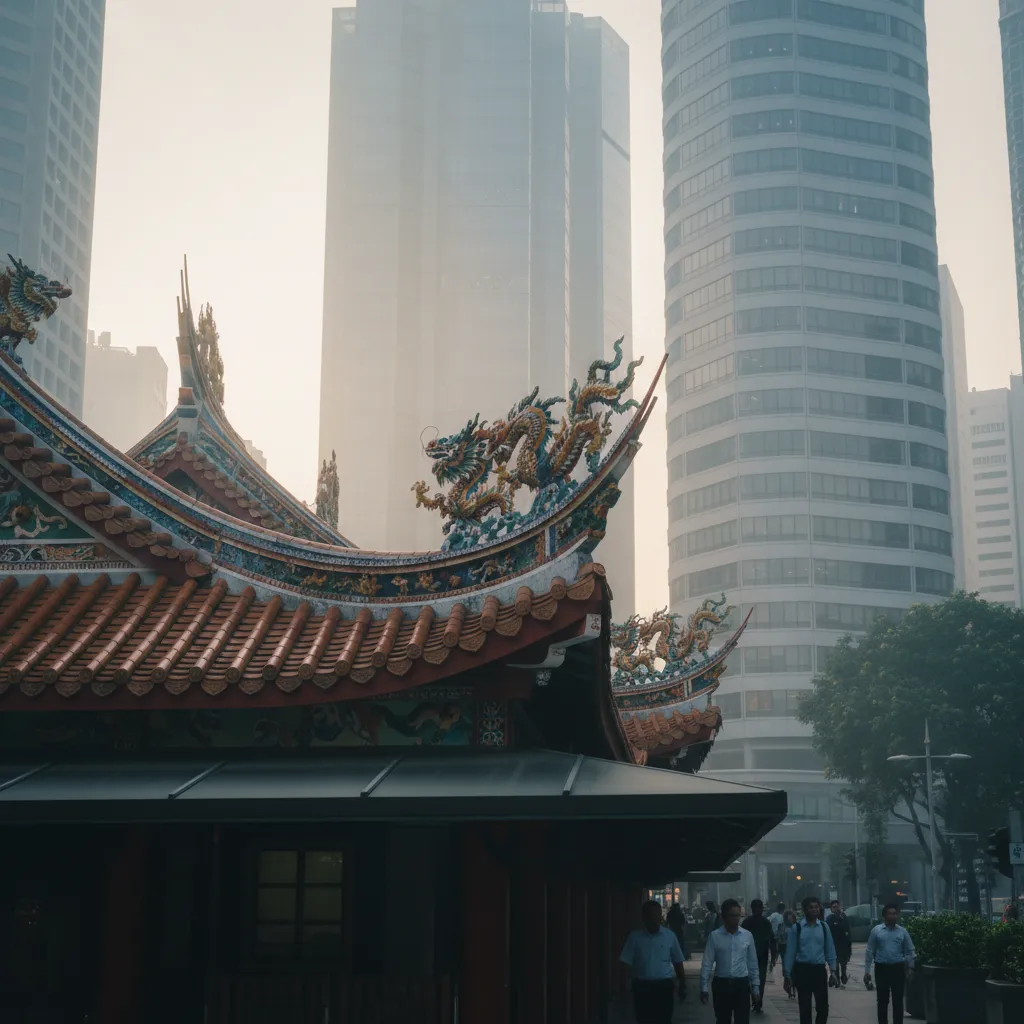
Taking a visitor to a traditional tea ceremony room near Telok Ayer is one of the most thoughtful ways to host someone in Singapore's business district. The street was once the city's waterfront, where newly arrived immigrants gave thanks for a safe voyage, and today its temples sit at the feet of glass towers. A tea session fits that mix of old and new, and it gives a client, a colleague or a friend from overseas an hour they will remember long after the meeting notes are forgotten.
Why Tea Works for Hosting
Lunches and drinks are easy, but they blur together on a busy trip. A tea session is different because it is structured, quiet and shared. Everyone sits at the same pace, phones go away, and conversation turns to the bowl, the season and the room itself. For a guest who feels jet-lagged or overwhelmed by back-to-back meetings, an hour of calm can be the most welcome part of the visit.
Pick the Format Before the Venue
Decide first whether you want Japanese matcha or Chinese gongfu tea. Japanese sessions centre on one bowl of whisked tea, a seasonal sweet and set gestures, which suits guests who enjoy design and ritual. Gongfu sessions involve many small pours of oolong or pu-erh and more relaxed chat, which suits groups who want to talk. Then think about seating. Not every guest is comfortable kneeling on tatami, especially in formal business clothes, so ask whether the room offers a table and chairs.
How Long to Allow
A short demonstration with one bowl of tea can fit into a long lunch break, but the experience feels rushed if you squeeze it between two calls. Allow an unhurried hour and a little buffer for the walk. If your guest has a flight later in the day, an earlier session leaves room for lunch at a nearby hawker centre afterwards, which is often the other memory visitors take home from Singapore.
Briefing Your Guest
Send your guest a short note the day before. Mention that shoes may come off, so socks matter, and that the session is quiet and unhurried. If the format is Japanese, explain that they will receive a sweet before the tea, and that a small turn of the bowl before drinking is a gesture of respect. If the format is Chinese, tell them that the first pour may be a rinse and that many small cups will follow. A two-line briefing removes almost all anxiety, and your guest will arrive relaxed.

Check Dietary Needs Early
Seasonal sweets served with Japanese tea are often made from sweet bean paste, rice flour and sugar, while gongfu rooms may offer nuts, dried fruit or small pastries. If your guest has allergies, follows a halal or vegetarian diet, or avoids caffeine, raise it when you first contact the tea room rather than on the day. Most hosts are happy to adjust the sweets or suggest a lighter tea, but they need notice. Mention any language needs at the same time, because a host who can explain each step in English, Mandarin or Japanese changes the whole experience for a visitor.
Small Courtesies That Land Well
Arrive a few minutes early so you can greet the host and handle any questions before your guest walks in. Let your guest take the seat with the best view of the alcove or tea tray. If the host shows a bowl or teapot after the session, ask a question about it and invite your guest to do the same, since hosts love talking about their objects. If the tea room sells leaves or small sweets, a packet makes a light, personal gift for your guest to take home.
What to Talk About Over Tea
Business talk usually waits until after the session. Inside the room, the safest and most rewarding topics are the ones in front of you: the scroll in the alcove, the shape of the sweet, the colour of the tea and the season it reflects. Ask the host what the day's theme is, since many sessions are planned around a single idea such as rain, harvest or the first cool breeze. Your guest will follow your lead, so a few curious questions from you set a relaxed tone for everyone at the table.
The Temple Walk Next Door
Thian Hock Keng, on Telok Ayer Street, is one of the oldest Hokkien temples in Singapore. It was built between 1839 and 1842 and is dedicated to Mazu, the sea goddess who protected sailors, which is why so many early arrivals came here first when they stepped ashore. The temple was gazetted as a national monument in 1973, and its carved roof ridges, granite pillars and courtyard reward a slow look. Visitors are welcome, so dress modestly and keep voices low during prayers. A short walk along the street also passes the Nagore Dargah, a shrine built by early Indian Muslim settlers, so the whole block tells a story of different communities living side by side.
Ann Siang Hill and Amoy Street
After the temple, climb up to Ann Siang Hill, a small rise of restored shophouses with a park at the top, then come down to Amoy Street, where conservation terraces line the road. Amoy Street Food Centre is a natural lunch stop for visitors who want to try local dishes with the office crowd. The whole loop takes less than an hour on foot, which makes it easy to fit around your session.
When This Plan Does Not Fit
If your guest wants a loud, social evening or only has thirty minutes, a tea ceremony is not the right choice, and a hawker dinner or a rooftop drink will serve you better. Tea rewards patience. If you are not sure, ask your guest directly whether they would enjoy an hour of quiet ritual, and accept the answer gracefully.
Planning With Karpo
Tell Karpo who you are hosting, the language they speak, whether they can kneel, and how much time you have near Telok Ayer. Karpo compares tea sessions that match those needs, shows them side by side, and keeps your favourites in a saved list you can share with a colleague. Contact the tea room directly to agree a slot, then save the temple walk with it so your plan is ready to send.
Getting There
Telok Ayer MRT station on the Downtown Line opens right onto the district, and Tanjong Pagar on the East-West Line and Raffles Place on the North-South and East-West lines are both a short walk away through the shophouse streets.
Ask Karpo for more information.
Keep reading
- Chinatown New in Town Weekend Planner: Errands and Temples
 Kampong Glam New in Town Weekend Planner: Mosque to Murtabak
 Holland Village New in Town Weekend Planner: Meet People