 Kovan Hainanese Curry Rice Lunch Picker: Heartland Plates
Restaurants
Jalan Besar Traditional Claypot Eatery Guide on Tyrwhitt
Explore a traditional claypot eatery near Tyrwhitt Road in Jalan Besar. Savor crisp charcoal rice crusts, tender chicken, and vibrant craft heritage streets.
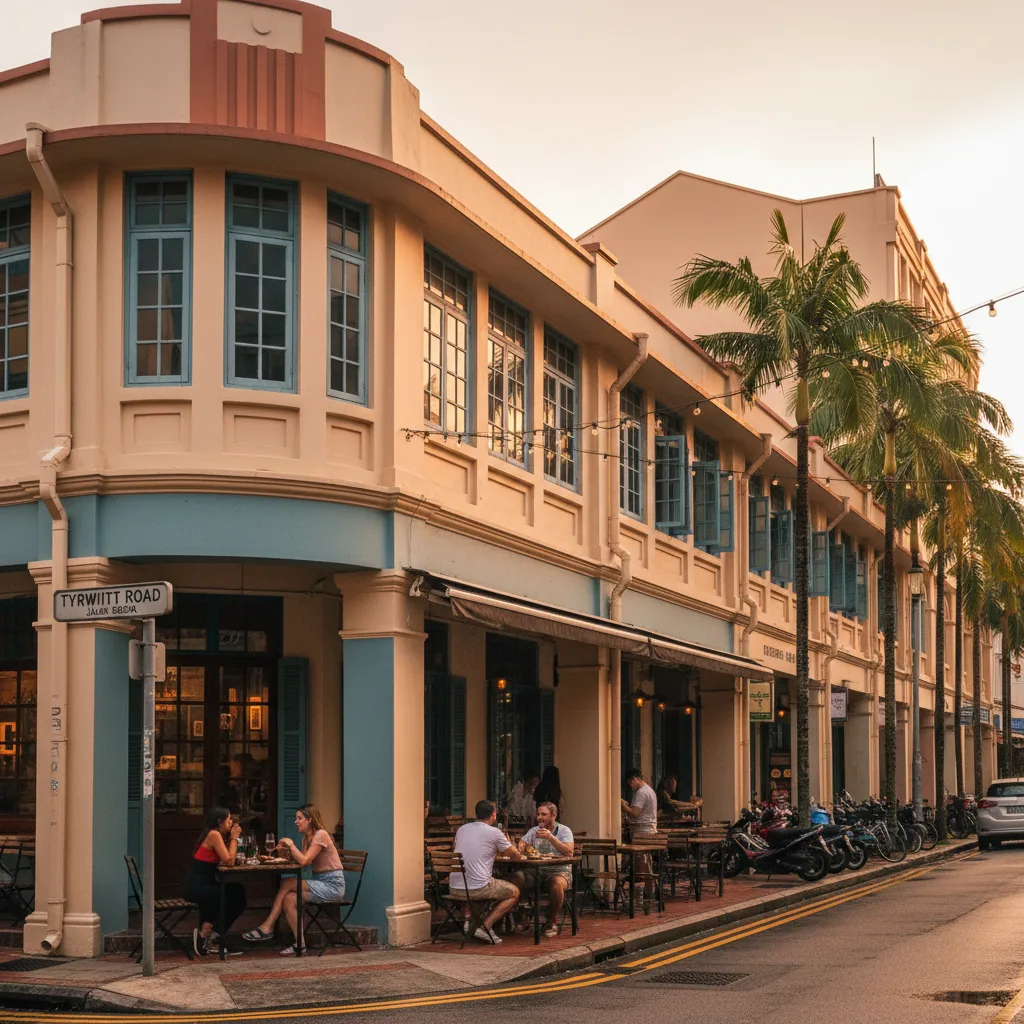
Jalan Besar reveals its deepest culinary traditions along the shaded pedestrian pavements of Tyrwhitt Road. Known historically for hardware suppliers, mechanical trade ateliers, and ornate transitional-style shophouse facades, this neighborhood fosters a lively dining scene after dusk. Seeking out a traditional claypot eatery here leads you past industrial heritage units toward open-fronted dining rooms where the unmistakable perfume of roasted grains and smoking clay fills the evening air.
Charcoal Embers and Heritage Shophouse Streets
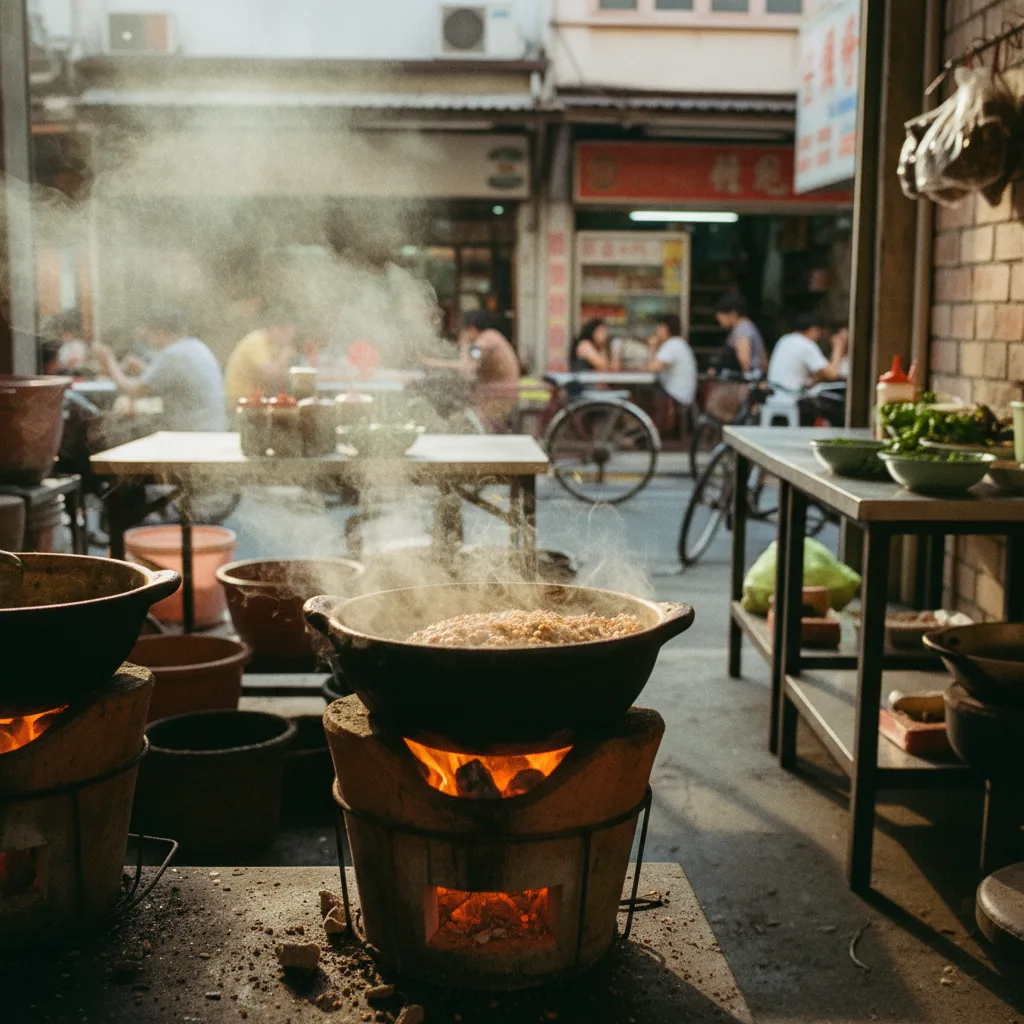
The craft of earthen vessel cooking in Jalan Besar remains rooted in slow, methodical charcoal fire management. Kitchen teams line up unglazed clay vessels across heavy cast-iron stoves, tending glowing charcoal briquettes with handheld fans to maintain steady radiant heat. Unlike stainless steel pots or modern non-stick pans, porous clay retains gentle heat deep within its thick walls, allowing seasoned broth to penetrate long-grain jasmine rice without scorching the delicate starch grains. Master cooks monitor the aroma escaping from the tiny steam vents on each lid, listening closely for the subtle crackle that signals when the moisture has fully evaporated.
Walking past the mechanical workshops near Kitchener Complex into Tyrwhitt Road, you can immediately identify kitchens that uphold traditional charcoal firing. Thin plumes of sweet woodsmoke drift beneath weathered five-foot-way walkways, carrying hints of aged dark soya sauce, caramelized ginger, and dried salted fish. Dining tables spill out onto sheltered verandas where ceiling fans circulate the tropical breeze, providing a memorable communal setting for a hearty evening meal.
Crust Architecture and Tabletop Technique
The prized signature of any authentic claypot meal is the golden rice crust formed along the interior contours of the pot. Known locally as jiao fan, this toasted layer develops as chicken fats and seasoned oils seep downward during the final cooking minutes. When the hot pot lands on your wooden table trivet, resist the temptation to immediately toss and stir the ingredients. Allowing the vessel to rest undisturbed for two minutes permits the bottom crust to firm up into a crisp, savory mosaic.
Once the initial steam settles, use a broad wooden spoon to gently loosen the rice away from the curved clay walls. Skilled regulars drizzle thick black caramel sauce and fragrant shallot oil in a spiral pattern around the rim rather than dumping sauce directly into the center. This careful technique coats each individual rice kernel with rich umami while preserving the satisfying brittle crunch of the golden base crust.
Balancing Flavors Across the Earthenware Spread
A classic claypot spread pairs seasoned poultry and cured meats with aromatic condiments to create rich textural contrast. Marinated bone-in chicken thighs retain succulence under the clay lid, absorbing the savory juices of premium Chinese lup cheong sausage and slivers of liver sausage. Thin flakes of salted threadfin melt into the rice during cooking, infusing every spoonful with deep coastal salinity and aromatic warmth.
To balance the hearty starch and rich poultry, order side dishes that provide brightness and crunch. Crisp gai lan tossed with oyster sauce and crunchy pork lard cubes offers a refreshing bitter counterpoint, while a steaming bowl of peppery pig stomach soup or slow-simmered herbal broth resets the palate between scoops of savory rice. Sharing multiple plates across a circular marble-topped table allows everyone to sample the kitchen's full repertoire. Many regulars also ask for a side dish of tender braised tofu or stir-fried sambal kangkong to bring an extra layer of savory heat to the meal.
Atmospheric Rhythm and Queue Protocol
Dinner crowds begin gathering along Tyrwhitt Road as twilight settles over the historic conservation district. The dining room fills with a natural cross-section of residents: local tradespeople relaxing after a day in the hardware precinct, multi-generational families sharing large clay pots, and culinary explorers drawn by the fragrant charcoal stoves. Service moves with practiced briskness, prioritizing efficient pot delivery and prompt tea refills. Vintage wooden stools and stainless steel cutlery canisters sit neatly on laminated tables, reflecting decades of functional coffeeshop hospitality.
Claypot cooking cannot be hurried, so anticipation forms an essential part of the evening experience. Because raw rice must simmer from scratch inside individual pots, preparation times typically span twenty to thirty minutes during peak service. Savvy diners place their claypot order the moment they secure a table, then sip chilled barley water or herbal tea while taking in the energetic clatter of the busy open kitchen.
Shophouse Detours and Pre-Supper Walks
Exploring the surrounding architectural corridors enhances an evening claypot excursion in Jalan Besar. Before dinner, take a gentle walk along Petain Road to admire the remarkable European-influenced Peranakan shophouse tiles, plaster relief sculptures, and floral wall friezes dating back to the 1920s. The quiet residential streets present a peaceful contrast to the industrious bustle of Jalan Besar's main traffic thoroughfares.
After finishing your claypot feast, take a breezy stroll toward Jalan Besar Stadium or loop around Somme Road towards Farrer Park. Independent specialty coffee roasteries, traditional herbal tea dispensaries, and craft dessert stalls dot the surrounding lanes, making it easy to pick up a light refreshing dessert or an iced beverage to complete your neighborhood exploration.
Practical Navigation for the Tyrwhitt Corridor
Reaching Tyrwhitt Road is straightforward via Singapore's comprehensive public transit network. Bendemeer MRT Station on the Downtown Line and Lavender MRT Station on the East-West Line both sit within a comfortable five-to-eight-minute walk of the dining strip. Multiple bus services along Jalan Besar and Lavender Street provide direct connections to neighboring districts across the central urban area. For visitors coming from Marina Bay or Bugis, the short train ride delivers you directly into the atmospheric heart of the district in under fifteen minutes.
Most traditional eateries in this corridor operate casual walk-in seating where diners register with the front counter upon arrival. While cashless payments and local digital transfer apps are widely accepted, carrying physical currency ensures seamless transactions at older drink stalls and auxiliary snack counters operating within the same coffeeshop premise.
Navigating the dense heritage alleys of Jalan Besar becomes effortless when using the Karpo APP to coordinate transit stops and pedestrian walking loops. The application highlights nearby architectural landmarks, sheltered pathways during sudden tropical rain showers, and verified local dining clusters. Integrating digital mapping with neighborhood culinary heritage ensures you arrive smoothly at your evening meal.
Thoughtful Dining Cadence for First-Time Visitors
Approaching a claypot dinner with patient curiosity unlocks the full charm of this enduring Singapore culinary tradition. Settle into the rhythmic pulse of the bustling streetscape, listen for the crackle of rice against hot earthenware, and savor the comforting depth of time-tested recipes. In Jalan Besar, traditional claypot dining remains more than a quick meal; it represents a living celebration of community warmth, culinary craft, and historic urban charm.
Ask Karpo for more information.
Keep reading
- Kovan Hainanese Curry Rice Lunch Picker: Heartland Plates
 Tampines Mee Rebus Breakfast Picker: Round Market Bowls
 Jurong West Mee Rebus Breakfast Picker: Boon Lay Bowls