 Katong Indoor Swimming Pool Lane: East Coast Lap Swim
Sports Social
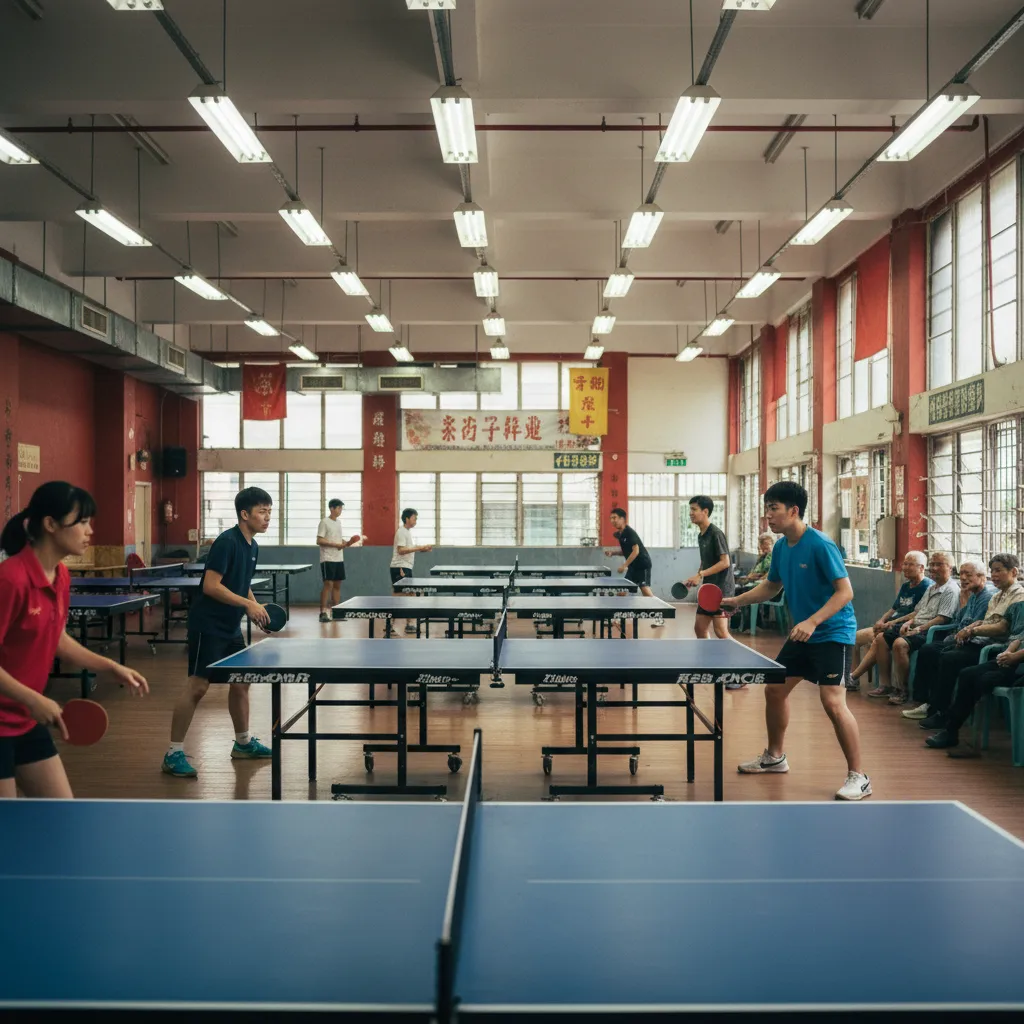
Chinatown Table Tennis Hall Finder: South Bridge Table Route
Chinatown players can coordinate indoor table tennis near Smith Street with court lighting, paddle rubber checks, and a central downtown fallback.
Chinatown players coordinating table tennis near People's Park Complex table tennis session in Singapore's vibrant Chinatown district, specifically around Smith Street, requires meticulous coordination. Define a realistic radius, perhaps a 15-minute walk from the bustling street, to identify suitable venues. Utilize a navigation application like Karpo to assess walkability, compare potential venue locations, and evaluate criteria such as accessibility and surrounding amenities. This upfront planning ensures a smooth transition from exploration to active play, setting the stage for an enjoyable and competitive session amidst the historical charm of Chinatown.
Anchoring The South Bridge Road Transit Boundary
Commuting via Chinatown MRT interchange smoothly crucial for a stress-free table tennis outing. Players can conveniently arrive via the Chinatown MRT station, an interchange for both the North East and Downtown Lines. Establish clear walking boundaries from the station to the chosen venue, perhaps designating a meeting point near People's Park Complex. Always allow an arrival buffer of at least 15 minutes before the booked court time. This buffer accommodates bag drops, shoe changes, and a brief acclimatization, ensuring everyone is ready to play without rushing.
Carefully consider the venue type; contrasting casual entertainment venues or bars with dedicated sports centres and community halls is essential. While entertainment spots might offer a relaxed atmosphere, they often lack proper table tennis facilities. Dedicated sports centres, in contrast, provide tournament-grade tables, appropriate flooring, and a focused environment conducive to competitive play. Prioritizing venues designed for sports enhances the quality of the game and minimizes potential frustrations with substandard equipment or cramped spaces.
Indoor Facility Airflow And Boundary Protection
Roomy court dimensions and sturdy dividers a critical factor for an optimal playing experience. Ensure ample physical clearance around each table, allowing players full range of motion. Ideally, venues should feature waist-high court dividers between tables to prevent stray balls from disrupting adjacent games. Furthermore, insist on at least a 2-meter runback behind both baselines. This generous space allows for powerful smashes and defensive lobs without players colliding with walls or other obstacles, all on a non-slip sports floor for safety.
Well-distributed hall lighting and schedule checks a review of venue timetables are paramount. Overhead, diffused lighting is ideal, minimizing shadows and glare that can impede visibility during fast-paced rallies. High ceilings also contribute to a better playing environment, preventing balls from hitting the ceiling during high lobs. Always review the official venue portal's timetable in advance. This prevents arriving to find the hall occupied by club fixtures, league matches, or private events, guaranteeing court availability for your session.
Rubber Tackiness, Clean Footwear, And Warm-Up Rules
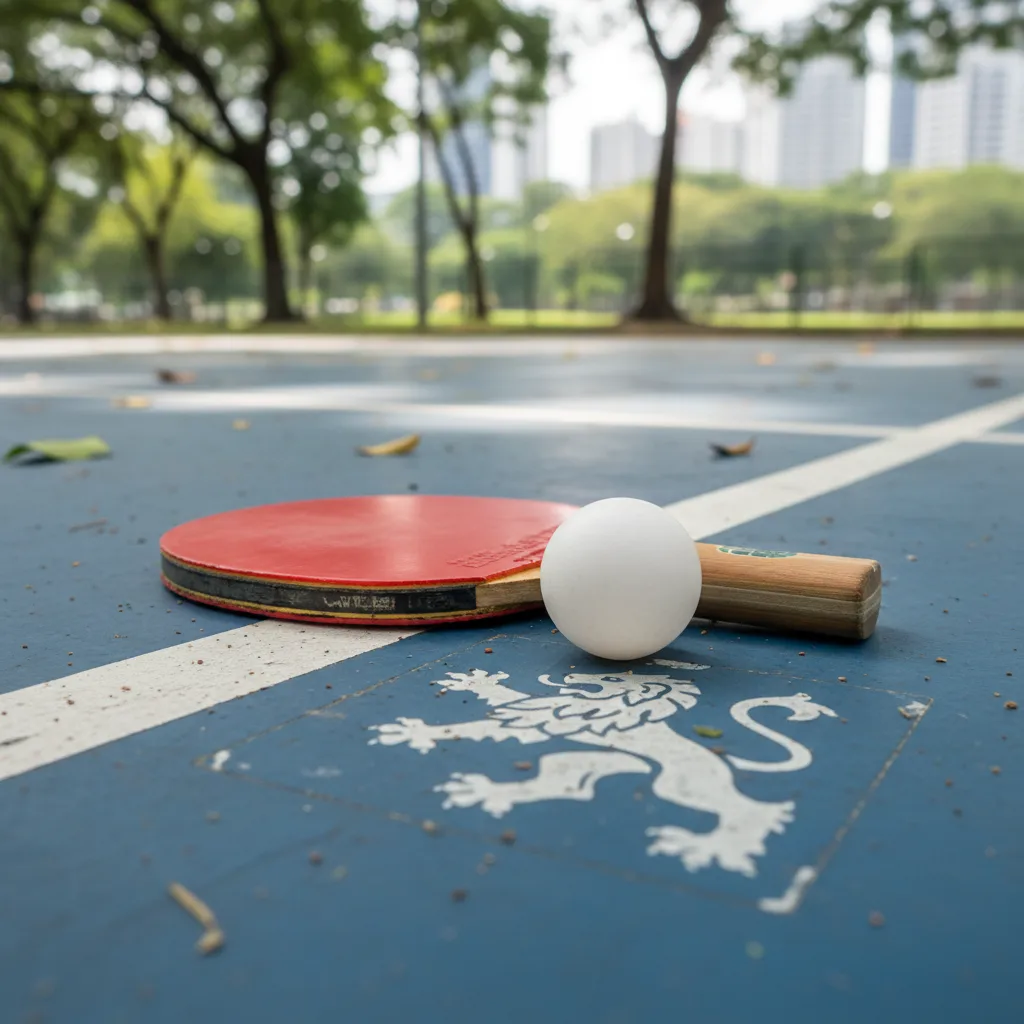
Equipment choices significantly impact game quality. Bringing personal bats with fresh, tacky inverted or pips-out rubber sheets is highly recommended. These provide superior grip and spin compared to worn, often unmaintained loaner paddles, which can hinder performance. Additionally, always use 3-star 40+ polymer balls. These balls offer consistent bounce and durability, ensuring fair play and a high-quality game experience, elevating the standard of your table tennis session.
Appropriate footwear and adherence to court etiquette are non-negotiable. Players must wear clean, non-marking gum-soled indoor court shoes to protect the playing surface and ensure proper grip. Begin each session with controlled 5-minute diagonal warm-up rallies, allowing muscles to prepare and reflexes to sharpen. Most importantly, be disciplined in vacating tables promptly at the end of your booked time, respecting subsequent bookings and maintaining good relations with venue staff.
Designing A Functional Clarke Quay Backup
Always establish a secondary fallback strategy. Identify an alternative venue, perhaps a community sports hall near Clarke Quay, which is easily accessible if the primary hall in Chinatown is unexpectedly crowded or reserved for an event. Having a pre-determined backup plan avoids last-minute scrambling and potential disappointment. This proactive approach ensures that your table tennis plans remain flexible and resilient, guaranteeing play even when initial choices are unavailable.
Decision triggers are vital for smooth transitions between venues. Agree on a pre-established 15-minute waiting threshold at the primary location before activating the fallback plan. If the primary hall is clearly unavailable after this period, pivot decisively to the secondary venue. Reference saved route directions in a navigation application like Karpo. This prevents any debates or delays regarding the best route or means of transit, streamlining the move to the alternative location.
Smith Street Pedestrian Paths And Match Decompression
Navigating pedestrian paths along Smith Street after matches session with the unique streetscape of Chinatown. After disembarking at Chinatown MRT station, enjoy a brief walk through the vibrant neighbourhood, carrying compact paddle bags. This connection allows players to immerse themselves in the local culture, experiencing the sights and sounds of the area before and after their game. It transforms a simple sports outing into a more holistic cultural and recreational experience within Singapore's rich heritage.
Taking time to rest on elevated open decks in Chinatown decompression are as important as the game itself. Utilize the elevated open decks often found near People's Park Complex for a cool-down. Hydrate immediately with water and engage in a relaxed discussion about match tactics, scores, and memorable rallies. Enjoying the fresh air helps in mental and physical recovery, allowing players to unwind and reflect on their performance in a pleasant, open environment, preparing for the next challenge.
Practical Checklist For Singapore Chinatown Players
Before departing, complete a quick pre-departure checklist. Keeping your paddle rubber clean with a damp sponge preserves grip and spin consistency. Pack a sweat towel and ensure water bottles are empty or securely sealed. Always check official venue portals for any holiday notices or upcoming maintenance schedules. This prevents arriving at a closed facility on future visits, ensuring consistent access and continued enjoyment of your table tennis sessions in Singapore.
Documenting table performance and lighting for future games venue reference log for future coordination. Document key details such as bounce quality of the tables, overall lighting conditions, available table clearance, and ease of transit to each venue. This detailed record proves invaluable for future match coordination, allowing players to select the most suitable venue based on their preferences and past experiences, streamlining the planning process for subsequent table tennis outings in Singapore.
Ask Karpo for more information.
Keep reading
- Katong Indoor Swimming Pool Lane: East Coast Lap Swim
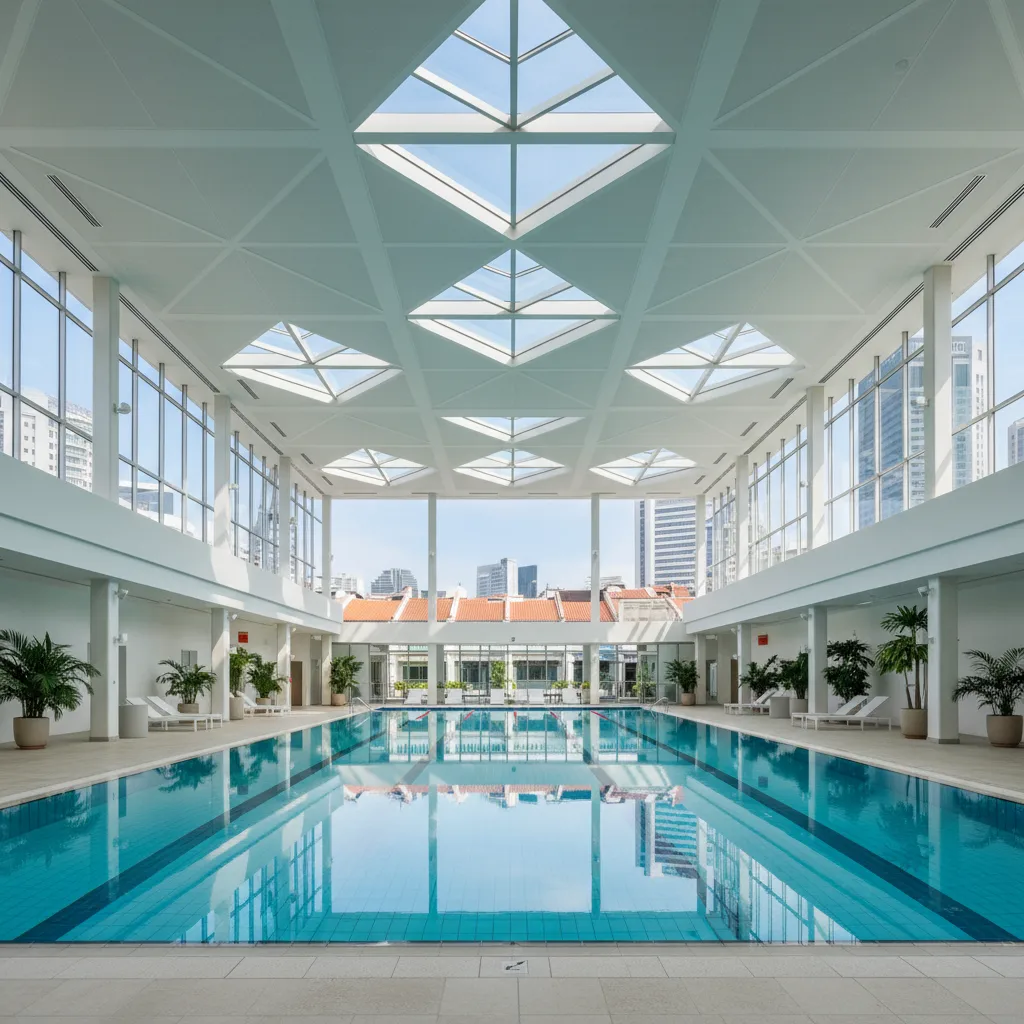 Chinatown Indoor Swimming Pool Lane: Singapore Lap Guide
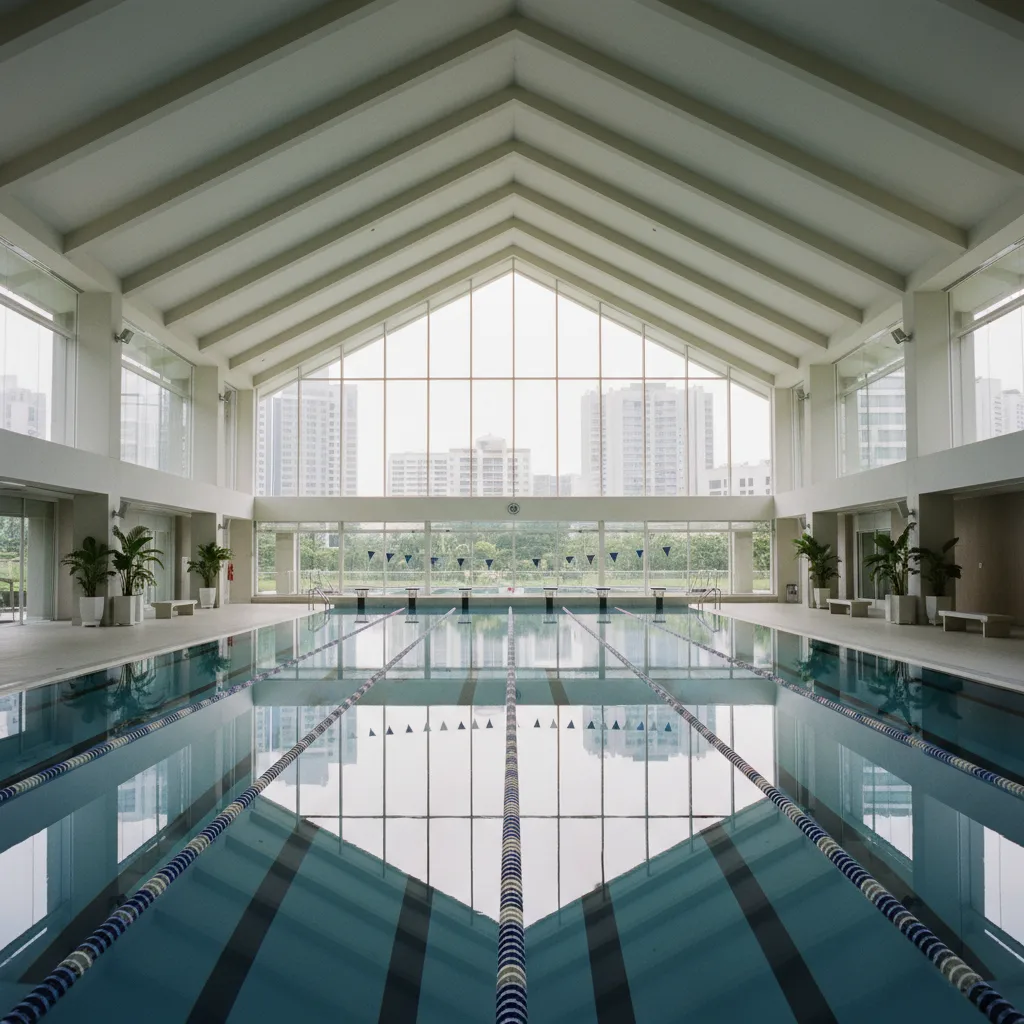 Telok Ayer Indoor Swimming Pool Lane: Singapore CBD Lap Swim