 Kovan Hainanese Curry Rice Lunch Picker: Heartland Plates
Restaurants
Katong Steaming Broth Comfort Eats: Peranakan Spice Trails
Explore Katong steaming broth comfort eats along East Coast Road. Discover rich coconut infusions, seafood stocks, and Peranakan arcades with Karpo.
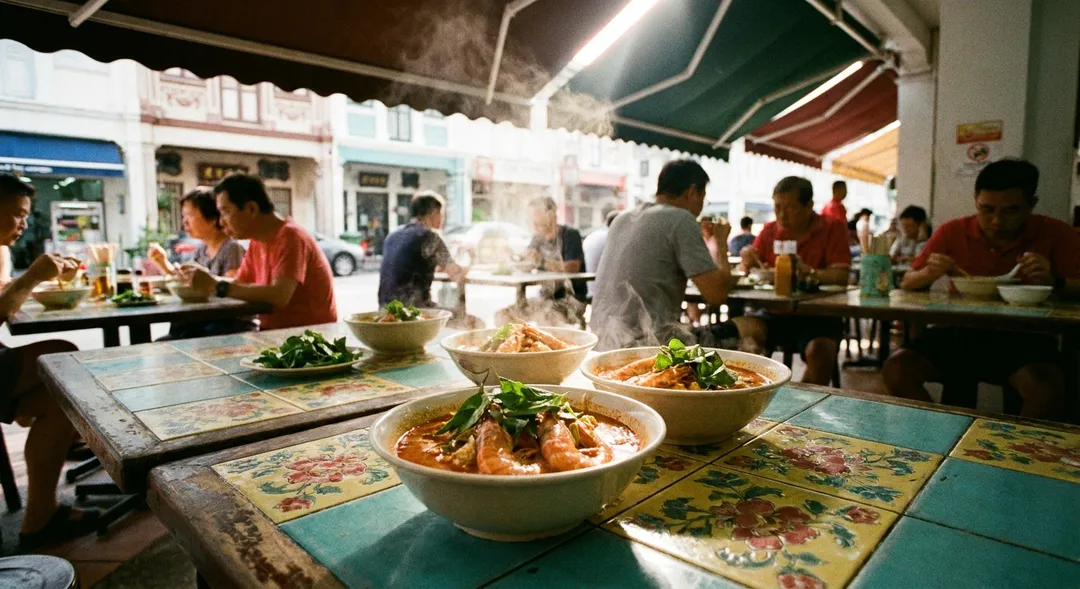
Katong coastal avenues and vibrant conservation corridors represent the historic cradle of Peranakan culinary expression, attracting enthusiasts of genuine steaming broth comfort eats into a landscape rich with maritime heritage. Morning along East Coast Road and Ceylon Road greets pedestrians with the intoxicating aromas of bruised lemongrass stalks, charred blue ginger, freshly grated coconut cream, and hand-ground dried prawn sambal gently simmering over low flames. Unlike the clear peppery infusions of central enclaves, Katong signature broth traditions emphasize rich, multilayered curries and seafood extractions that reflect generations of cross-cultural marriage between early Chinese merchants and local Straits Malay families. Sitting beneath decorative five-foot-ways lined with intricate ceramic tiles, diners encounter an invigorating warmth that awakens the palate while honoring centuries of coastal trading history. The gentle clatter of porcelain noodle bowls against pastel ceramic tables heralds a vibrant morning feast steeped in culinary artistry. Early sunlight glints off ornamental shophouse pediments, bathing the bustling neighborhood in a warm, welcoming golden radiance.
Aromatic Mastery of Nyonya Coconut Rempah
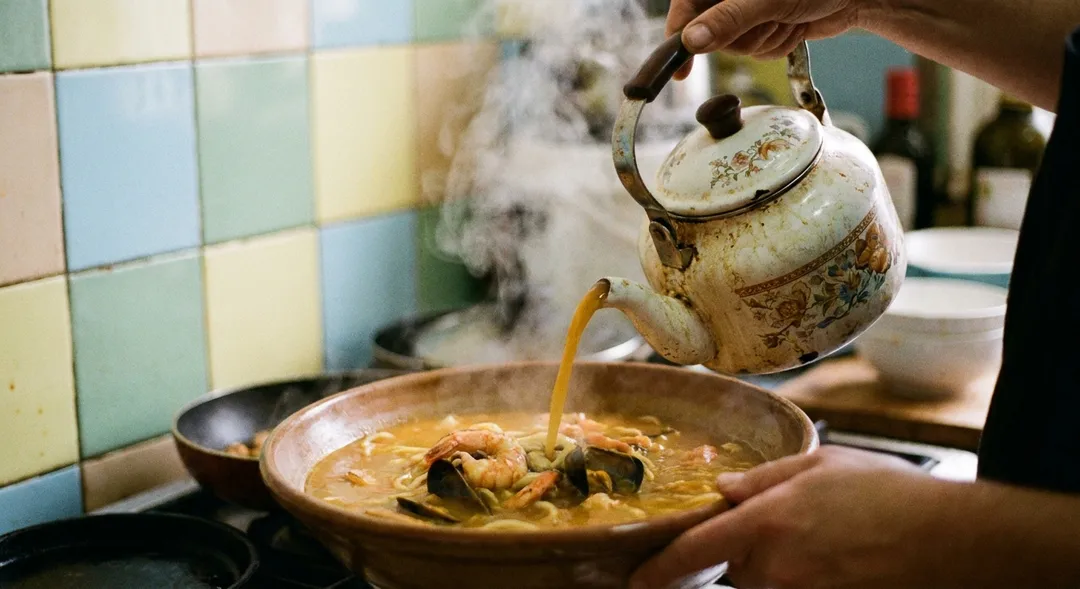
The extraordinary distinction of Katong broth rests entirely on the methodical preparation of its rempah spice paste, which serves as the fragrant foundation of the soup. Seasoned cooks blend fresh turmeric, shallots, candlenuts, dried chili peppers, and fermented shrimp paste, pounding the mixture into a fine crimson paste before frying it slowly in fragrant vegetable oil until aromatic oils separate. To this caramelized paste, rich seafood broth extracted from simmering prawn heads and sea clams is blended with freshly pressed coconut milk, creating a luminous sunset-gold broth. When maintained at a gentle simmer, the rich coconut fats emulsify smoothly with the spicy seafood liquor, producing a velvety mouthfeel that delivers gentle initial sweetness followed by a tingling chili bloom. Slivers of fragrant laksa leaves, fresh cockles, springy fish cakes, and peeled sea prawns absorb the spiced nectar, creating a deeply comforting bowl where every spoonful is thoroughly satisfying. Each mouthful reveals a balanced dance of coastal brine, botanical herbs, and creamy richness that remains unmatched across Southeast Asia.
Table Rituals and Traditional Condiment Blending
Experiencing a morning soup bowl in Katong involves tactile rituals refined across decades of neighborhood dining culture. Local tradition famously favors short, thick rice vermicelli that can be eaten exclusively with a porcelain spoon, allowing diners to enjoy soup and noodles in unified harmony without chopsticks. A generous dollop of house-made sambal chili paste is placed directly onto the side of the spoon, allowing you to calibrate the heat level gradually across the meal. Taking small, unhurried spoonfuls lets the fragrant herb notes of daun kesum linger on the palate before the gentle coconut richness softens the spice. Between rich spoonfuls of broth, refreshing sips of iced calamansi lime juice or freshly squeezed sugarcane juice provide crisp acidity that cleanses the palate and cools the throat. This careful balance between fiery spice, savory seafood depth, and refreshing citrus highlights the sophisticated flavor architecture of Straits heritage cooking. Sharing the morning table with longtime community residents reinforces the enduring neighborly warmth that characterizes eastern Singapore.
Peranakan Architecture and Koon Seng Pastel Shophouses
Following your culinary morning indulgence, taking time to wander Katong side streets reveals Singapore most photogenic collection of Straits Chinese residential architecture. A gentle five-minute walk northward leads to Koon Seng Road, celebrated for its unbroken terrace of pastel-painted two-storey shophouses constructed during the 1920s. These celebrated residential terraces feature intricate bas-relief plaster mouldings depicting peacocks, auspicious fruits, and floral garlands, bordered by glazed ceramic tiles imported from England and Belgium. Carved timber pintu pagar half-doors and louvred casement windows showcase European classical forms reinterpreted through Peranakan decorative taste. Walking quietly along these leafy residential lanes provides an intimate appreciation of the prosperous mercantile families whose domestic lives fostered the elaborate culinary traditions still celebrated across the neighborhood. The pastel facades painted in soft rose, turquoise, and canary yellow offer a breathtaking open-air gallery of architectural craftsmanship.
Spiritual Serenity at Sri Senpaga Vinayagar Temple
Continuing your walking loop eastward toward Ceylon Road brings you before the soaring granite tower of the Sri Senpaga Vinayagar Temple, one of the oldest Hindu religious sanctuaries in the eastern region. Constructed in the traditional South Indian Dravidian style, the temple features an intricately sculpted rajagopuram tower adorned with painted deities, celestial guardians, and mythical creatures. Visitors are welcome to respectfully view the temple exterior and peaceful outer courtyards, where the soft fragrance of burning camphor, fresh jasmine garlands, and sandalwood incense permeates the morning air. Standing in the tranquil shadow of this sacred landmark provides a reflective pause during your neighborhood exploration, highlighting the peaceful multicultural coexistence that defines the Katong and Joo Chiat community. The gentle ringing of prayer bells adds an aura of spiritual calm that enriches the cultural tapestry of your journey.
Coastal Breeze at East Coast Park Waterfront
Completing your Katong culinary excursion with an open-air natural retreat is effortless via the pedestrian underpass leading directly to East Coast Park waterfront. Within a leisurely fifteen-minute stroll from the main dining corridor, the urban streetscape opens into miles of sandy coastline lined with swaying casuarina trees and coconut palms. Paved waterfront promenades invite gentle walking, where cool sea breezes off the Singapore Strait provide natural cooling after a spiced broth feast. Benches facing the water offer comfortable vantage points to watch distant cargo vessels anchored in the shipping lanes while listening to the rhythmic splash of small waves against the shoreline. This expansive coastal environment provides an uplifting conclusion to your morning itinerary, harmonizing culinary satisfaction with tranquil maritime scenery. The broad seaside horizon and rustling sea almond leaves create an ideal setting for quiet post-meal digestion.
Transit Connections and Route Recommendations
Reaching Katong is exceptionally convenient following the opening of the Thomson-East Coast Line, with Marine Parade MRT station and Tanjong Katong MRT station situated within short walking distance of the historic core. Arriving between eight and nine in the morning ensures quiet seating at heritage coffeeshops before the mid-morning weekend rush begins. Karpo APP provides comprehensive pedestrian route navigation, guiding you smoothly between transit stations, heritage shophouse clusters, and seaside park connectors. Carrying light walking gear, sun protection, and a refillable water bottle will keep you comfortable throughout your explorations. By pacing your journey between aromatic soup tables, decorative architectural walks, and coastal greenery, you will experience the enduring warmth and culinary brilliance of Singapore eastern shores. Welcoming street life and historic charm ensure your morning discovery remains deeply memorable.
Ask Karpo for more information.
Keep reading
- Kovan Hainanese Curry Rice Lunch Picker: Heartland Plates
 Tampines Mee Rebus Breakfast Picker: Round Market Bowls
 Jurong West Mee Rebus Breakfast Picker: Boon Lay Bowls