 Kovan Hainanese Curry Rice Lunch Picker: Heartland Plates
Restaurants
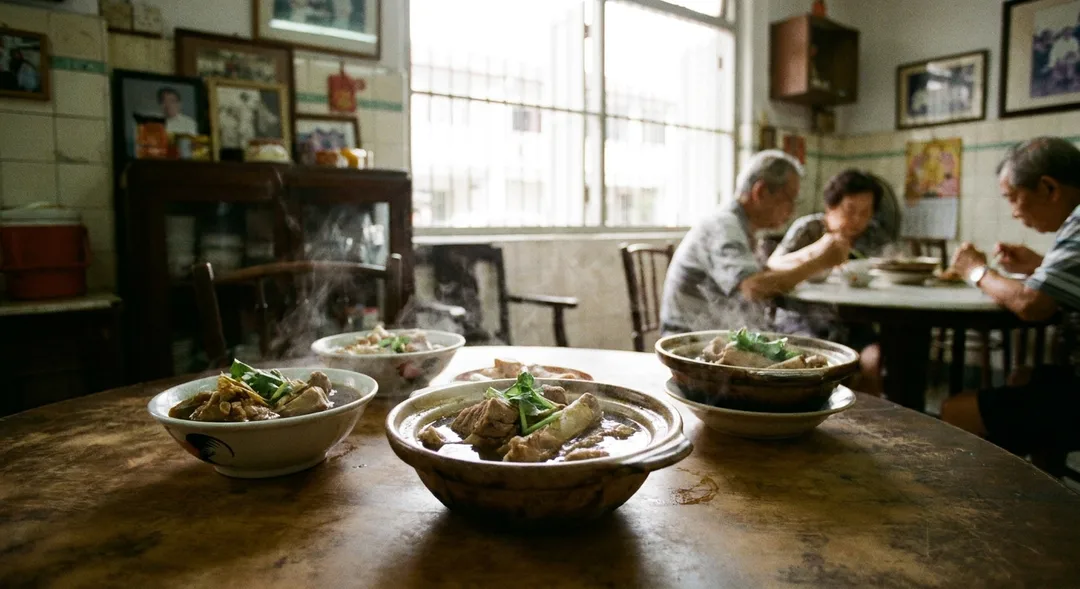
Balestier Steaming Broth Comfort Eats: Bak Kut Teh Trails
Track Balestier steaming broth comfort eats along historic shophouses. Discover peppery infusions, tender cuts, and quiet side street loops with Karpo.
Balestier road corridors harbor Singapore most distinguished peppery simmering traditions, drawing seekers of genuine steaming broth comfort eats into an aromatic landscape of heritage conservation shophouses. Mornings along this thoroughfare reveal bubbling cauldrons infused with cracked Sarawak white peppercorns, whole roasted garlic bulbs, and select pork cuts simmering into pale, pungent elixirs. The sensory immersion begins as morning mist lifts over tiled five-foot-ways, where the sharp perfume of simmering pepper meets the nutty warmth of freshly fried dough fritters. Navigating these historic eating corridors reveals generations of culinary craftsmanship passed down without compromise. Here, breakfast is an unhurried, restorative ritual that honors centuries-old maritime trading connections, warming early risers before the tropical heat settles over the city. Porters, traders, and local residents have gathered along these covered pavements for over a century, seeking sustained vitality in every porcelain bowl.
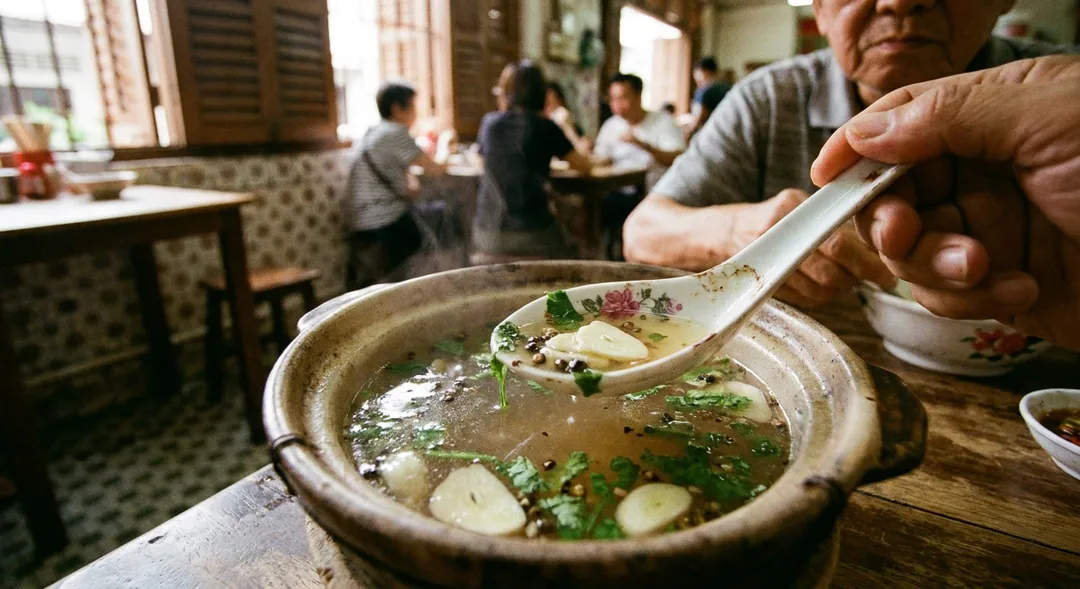
Peppery Clarity and the Craft of Teochew Simmering
The defining excellence of Balestier broth culture lies in its adherence to traditional Teochew simmering techniques, which prioritize crystal clarity over murky heaviness. Broth masters maintain continuous gentle heat beneath stainless steel and earthenware vessels, ensuring the rendered fat separates cleanly while extracting marrow sweetness from prime ribs. Cracked white peppercorns release their volatile oils progressively throughout the morning, delivering a sharp initial warmth that transitions smoothly into clean botanical sweetness across the palate. Fresh whole garlic bulbs soften within the liquid, melting into creamy savory cloves that can be gently crushed into dark soy sauce. Each ladleful is served scalding hot, accompanied by bowls of fragrant jasmine rice and crispy crullers designed to absorb the golden surface oils without dulling the soup's peppery brightness. The equilibrium achieved between sharp spice, pork sweetness, and aromatic garlic creates a therapeutic profile that clears the respiratory passages and awakens the appetite.
Rituals of the Morning Table and Shared Condiments
Approaching a morning soup meal in Balestier follows an established choreography developed over decades of communal neighborhood dining. Seasoned locals gather around heavy marble-topped tables, preparing their dipping condiments before the first steaming bowl arrives from the kitchen station. Small saucers receive thick dark caramel soy sauce, enlivened with thin rounds of fiery bird's eye chili and raw minced garlic to taste. When the bowl is presented, taking an initial sip of the unadorned broth awakens the senses before any meat is touched. Pair each sip with bites of braised salted mustard greens, tender braised peanuts, or braised beancurd skin to cleanse the palate between rich mouthfuls. Freshly brewed Kung Fu tea, served in miniature clay pots and porcelain cups, cuts through the savory density and aids digestion, concluding the meal with pleasant astringency. This deliberate progression transforms a simple breakfast into an expansive meditation on traditional regional gastronomy.
Architectural Heritage and Shophouse Arcades
Beyond the kitchen steam, Balestier offers one of Singapore most visually captivating collections of transitional and Art Deco shophouse facades. Wandering along the five-foot-ways after breakfast reveals intricate plaster ornamentation, pastel glazed tiles, and ornamental facade motifs dating from the 1920s rubber boom era. The pedestrian walk provides continuous shelter from tropical sunshine, framing vistas of traditional hardware shops, vintage lighting merchants, and traditional bakeries that have operated continuously along the strip. Notable heritage landmarks like the Sim Kwang Woh pavilion buildings showcase European neoclassical pilasters merged harmoniously with traditional Chinese animal motifs such as bats, peacocks, and mythical qilin. Walking this corridor allows you to appreciate the physical environment that sustained the neighborhood's working-class food traditions across successive eras of municipal transformation. Every ornate window shutter and decorative archway tells a story of multicultural enterprise and architectural adaptation in early colonial Singapore.
Serene Cooldown at Sun Yat Sen Memorial Villa
A short stroll northward from the primary dining corridor leads into the tranquil green surroundings of Tai Gin Road and Sun Yat Sen Nanyang Memorial Hall. This colonial-era double-storey villa, surrounded by manicured lawns and towering banyan trees, provides an ideal peaceful retreat for post-meal reflection and gentle walking. Shaded stone pathways curve around outdoor bronze sculptures depicting key historical figures of the Southeast Asian revolutionary movement. The gentle tropical breeze rustles through bamboo groves and royal palms, creating a calm auditory backdrop far removed from vehicular road noise. Resting on sheltered benches beneath the villa's wide verandahs allows you to digest comfortably while absorbing the profound historical weight of the neighborhood. The contrast between the aromatic bustling streetscape and this contemplative garden setting enhances your appreciation of Balestier multifaceted heritage.
Midday Discoveries along Whampoa Waterways
Extending your neighborhood loop brings you across the park grounds toward the naturalized banks of the Whampoa River canal and its connecting linear greenway. Here, paved walking tracks run alongside waterside wetlands where purple herons, monitor lizards, and white-breasted waterhens forage among reed beds and blooming water cannas. Pedestrian bridges span the waterway at regular intervals, connecting residential Whampoa estates with the bustling heritage core of Balestier. Shaded rest pavilions along the river walk feature interpretive boards documenting the river's historical function as a transportation conduit for sugarcane estates and tanneries during the nineteenth century. The easy waterside loop offers a refreshing natural contrast to the dense commercial streets, making it an essential extension of any culinary excursion. Tropical foliage casts dappled shadows across the pathway, offering cool pedestrian transit between heritage enclaves.
Optimal Arrival Windows and Route Navigation
Planning a smooth morning in Balestier is straightforward when aligning your arrival with neighborhood rhythm. Peak breakfast traffic converges heavily between eight and ten in the morning, making an arrival between seven and seven-thirty ideal for securing quiet pavement seating and experiencing the freshest initial batches of simmering stock. Public transit access is convenient via the Novena MRT station on the North-South Line, followed by a pleasant ten-minute walk down Moulmein Road or a quick transfer to local bus lines along Balestier Road. Karpo APP delivers intuitive neighborhood maps, pinpointing pedestrian underpasses, sheltered walkways, and cycling routes connecting the historic district to surrounding transit nodes. Preparing light cotton attire, carrying an umbrella for sudden afternoon squalls, and arriving with an unhurried morning schedule will ensure a memorable encounter with Singapore's premier broth traditions.
Ask Karpo for more information.
Keep reading
- Kovan Hainanese Curry Rice Lunch Picker: Heartland Plates
 Tampines Mee Rebus Breakfast Picker: Round Market Bowls
 Jurong West Mee Rebus Breakfast Picker: Boon Lay Bowls