 Kovan Hainanese Curry Rice Lunch Picker: Heartland Plates
Restaurants
Solo Dining Finder for Tanjong Pagar Counter Seats
Plan a solo meal around Tanjong Pagar by comparing counter seating, walking distance, meal pace, and a nearby backup for changing weather or queues.
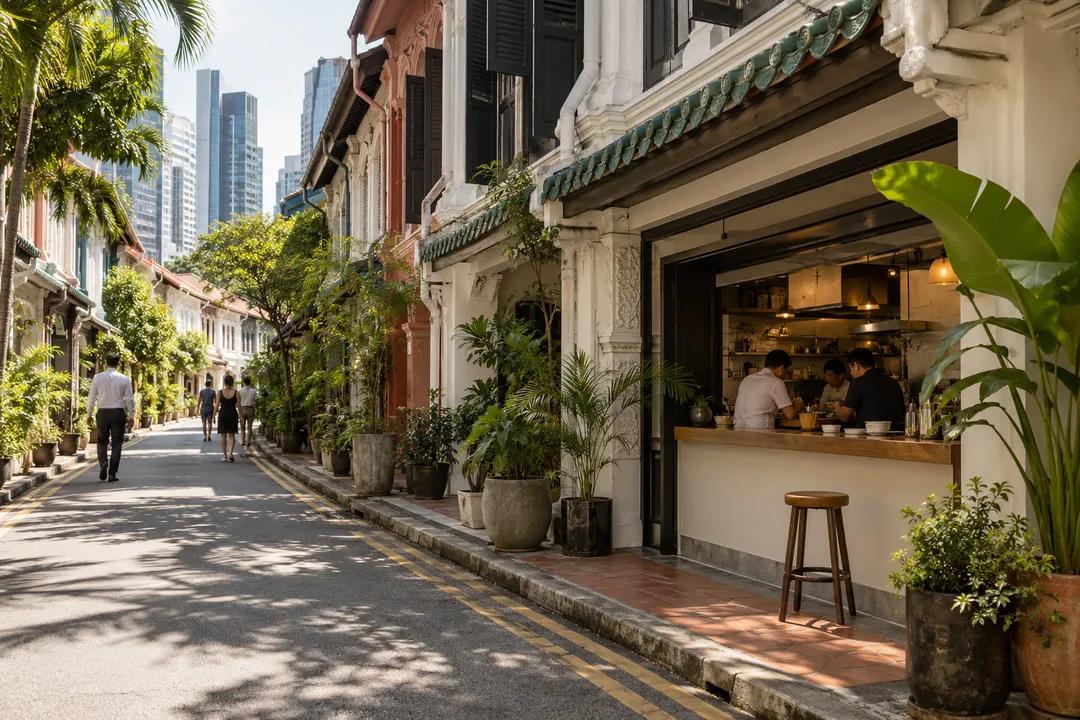
Tanjong Pagar is a useful starting point for a solo dining finder because the district changes texture within a few blocks. Conserved shophouses, office lobbies, small food counters, and the green edge of Duxton Plain Park create several different moods without requiring a long cross-town trip. If you arrive alone after work, the practical question is rarely “what is the most famous restaurant?” It is “which kind of seat, pace, and noise level fits the next hour?” This guide turns that question into a plan. Begin by setting the occasion in Karpo APP: a quick meal between meetings, a quiet bowl after a commute, or a first stop before wandering Duxton Hill. The solo dining finder should return a shortlist you can compare by counter seating, estimated visit length, atmosphere, and walking radius. Those filters matter more than a generic cuisine label. A compact counter can feel welcoming at seven in the evening, while a large room with shared tables may be better when you want to linger and write notes.
Set the Map Around the District
Use Tanjong Pagar MRT as the mental centre of the search, then widen the map only one or two streets at a time. That keeps the plan resilient if the first result has a queue. The conserved blocks around Tanjong Pagar Road reward a slow approach: look for sheltered five-foot ways, notice where queues would naturally form, and keep a second option within the same walking pocket. A good solo plan has a clear first choice and a nearby pivot rather than an ambitious chain of distant stops. For a counter-seat brief, select “single place setting” and “low coordination” before choosing a cuisine. The finder can help sort places where ordering is straightforward, portions are easy to understand, and one person does not have to manage a large shared spread. Add a time window such as forty-five minutes or ninety minutes. That changes the result from a broad restaurant list into a decision set you can actually use on a worknight.
Choose A Seat That Fits
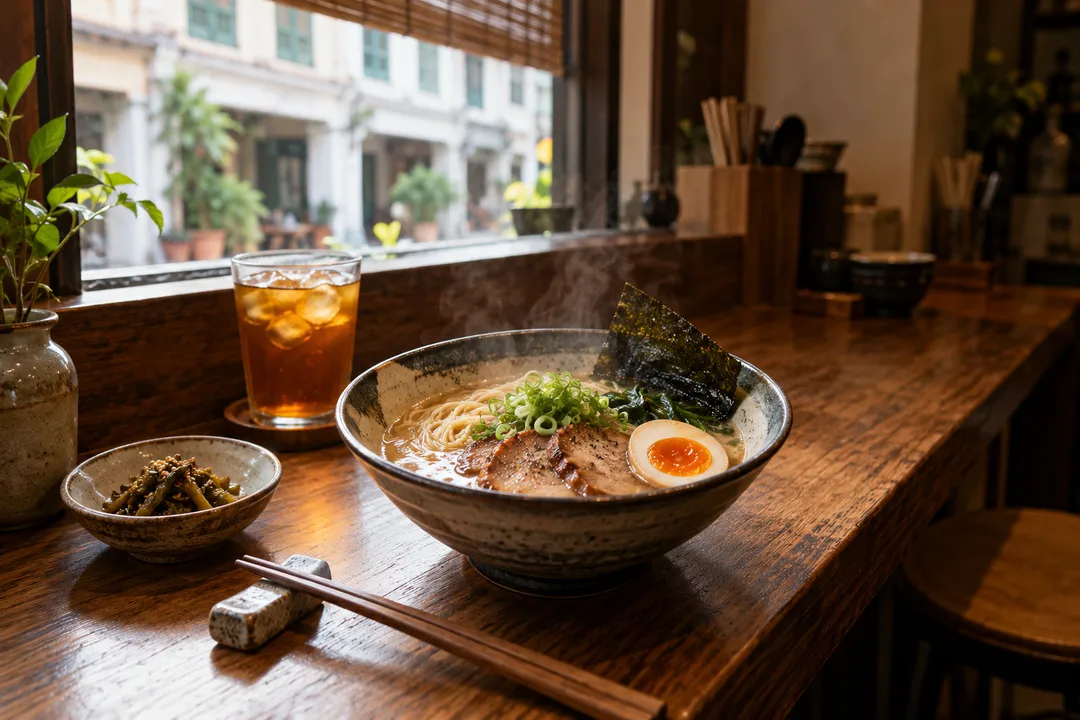
When the results appear, read them as a sequence of experiences. One option might suit a fast bowl and a seat facing the preparation area; another might offer a calmer table where headphones stay in your bag and the meal becomes a reset. Save two contrasting choices. The first is your mood match, while the second protects the evening from a crowded room, a sold-out item, or a wait that no longer fits your schedule. Counter etiquette is simple and makes the format feel generous. Enter with your order ready enough to speak clearly, keep bags close to your stool, and let staff know if you need a moment rather than blocking the next guest. If the result is a shared counter, leave the centre of the surface open for trays and condiments. These small habits help a solo diner move through a busy room without making the experience feel rushed or apologetic.
Build A One-Meal Result Set
Build the meal around a single anchor: a hot bowl, a rice plate, a set of small bites, or a drink paired with something substantial. The finder is most useful when you tell it the anchor first and the cuisine second. That prevents the familiar problem of saving six attractive places and still not knowing where to sit. If you want variety, ask for a shortlist that compares one full meal with one lighter option rather than stacking multiple vague maybes. Queues are easier to manage when you define your tolerance before leaving. Choose a short, medium, or flexible wait preference, then keep the backup within a five-to-ten-minute walk. In Tanjong Pagar, that can mean moving from one shophouse lane toward another rather than abandoning the neighbourhood. If the first room feels too compressed, do not treat that as failure; switch the plan to a takeaway-friendly result and continue toward Duxton Plain Park for a breather.
Handle Queues Without Stress
Use the surrounding streets as part of the decision, not as filler after dinner. A route from the station through the shophouse blocks can include a quiet pause at Duxton Plain Park, a look at the conserved facades, and a final loop back toward the MRT. Keeping the walk short gives you room to change restaurants without losing the evening. The best route is the one that still works if the first seat is unavailable. If you are dining before another commitment, set a hard finish time in the finder and favour formats with a clear ordering step. If the meal is your main event, choose a slower result and save a nearby walk for afterwards. A solo diner can also mark “conversation optional” when deciding whether a bar-height counter or a tucked-away table feels right. That language describes comfort without pretending the app knows live occupancy.
Add A Walk That Still Works
For a rainy evening, favour sheltered connections and keep the search radius tight. Singapore showers can turn a pleasant block into a wet detour, so a plan with one indoor anchor and one indoor backup is stronger than a sprawling crawl. For a late arrival, use the same filters but remove any result that depends on an elaborate multi-course rhythm. The point is to make the next action obvious, not to promise that every listing is open at every moment. After eating, a short neighbourhood walk helps the meal land. Duxton Plain Park offers a greener pause close to the shophouse fabric, while the route back toward Tanjong Pagar MRT lets you re-enter the city gradually. If you still want something small, ask Karpo APP to find a dessert or tea stop nearby with the same low-coordination brief. Keep that as an optional branch so the original plan remains intact.
Practical Notes For The Next Step
Practical notes: carry a small umbrella, keep your bag compact for a stool, and save the map before leaving a building with weak signal. Use the finder to compare distance and seating style, then choose one result and one backup. It can help organise a shortlist and a walking plan; it should not be described as seeing live queues, reserving a seat, or confirming a venue’s current service. Those boundaries keep the guide useful and honest. Tanjong Pagar is a strong solo-dining test because the neighbourhood offers contrast without demanding complicated logistics. Start with the seat you want, set the time you have, and let the finder narrow the map to a few plausible choices. Once you pick, walk with a backup in your pocket and let the surrounding shophouses provide the atmosphere. Eating alone becomes easier when the decision is designed around your pace rather than someone else’s table size.
Ask Karpo for more information.
Keep reading
- Kovan Hainanese Curry Rice Lunch Picker: Heartland Plates
 Tampines Mee Rebus Breakfast Picker: Round Market Bowls
 Jurong West Mee Rebus Breakfast Picker: Boon Lay Bowls