 Chinatown New in Town Weekend Planner: Errands and Temples
Weekend Plans
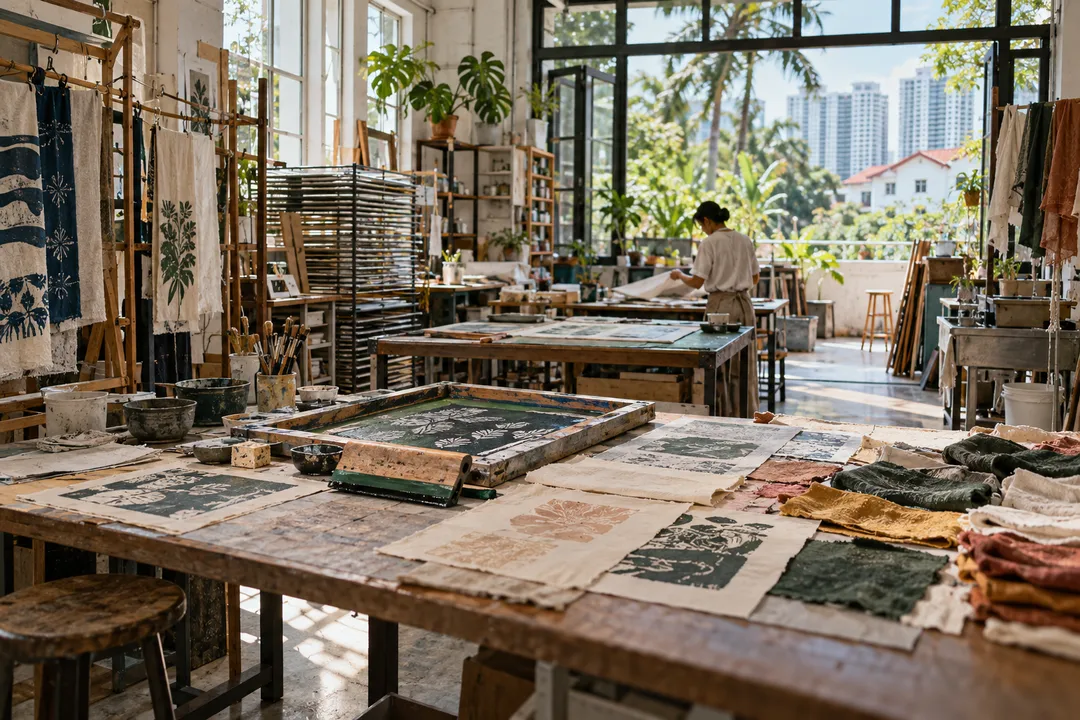
Singapore Silk Screen Workshop: Materials Kit For Beginners
STPI Creative Workshop & Gallery at 41 Robertson Quay, Singapore 238236 gives materials checklist planning a concrete local starting point, with clear.
STPI Creative Workshop & Gallery at 41 Robertson Quay, Singapore 238236 is a useful materials reference because the best personal kit is smaller than a whole studio. Start with the artwork file, a final-size reference, a surface note, and a way to carry the result flat. STPI lists its print room and gallery at 41 Robertson Quay, Singapore 238236 — The kit note saves this address with the preparation list. Leave supplied equipment and personal preparation in separate columns so the bag stays light and the expectations stay clear.
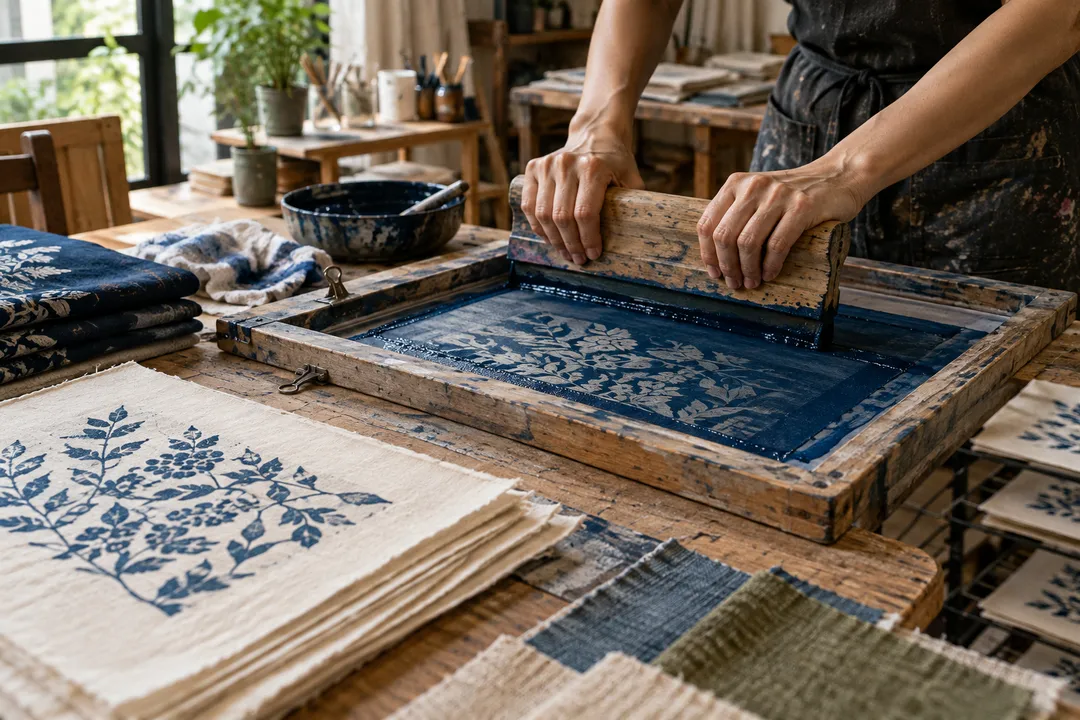
Pack The Few Things That Matter
A Singapore workshop kit should be compact, legible, and easy to protect from weather. Start with the artwork file, a final-size reference, a notebook, and a flat carrier. Add only the personal items that answer a real need. A huge bag of supplies makes it harder to move through a shared studio and easier to lose the one page that matters. Pack the image, the scale, the intended surface, and the fallback decision. Let STPI’s workflow supply the rest of the learning instead of trying to recreate a complete print room in your backpack.
Save the artwork in a form that another person can understand quickly. Keep the original, a flattened view, and a simplified backup with clear names. Test the file on the device you will bring. If the screen or colour separation is part of the question, place those details where the instructor can see them without hunting. File preparation is a material choice because the studio can only respond to the version you actually open. A clean export prevents the first minutes of the session from disappearing into technical rescue work.
Make The File Studio-Ready
Wear clothing that allows shoulder movement and is comfortable in a warm, active room. Keep sleeves and accessories controlled around frames and tables. Bring a bag that can hold paper flat and that will not force a wet fabric piece against a metal bottle or a rough notebook. These are ordinary decisions, but they reduce friction. A beginner feels more capable when the body and the bag are not creating extra problems. Practical comfort leaves more attention for the pull, the surface, and the next correction.
Separate “bring,” “wear,” and “ask” in the checklist. Bring the file, reference, notebook, and carrier. Wear washable clothes and secure shoes. Ask where shared tools return, how the screen is cleaned, where work rests, and what the studio expects at the end. This makes the list useful without pretending it knows every detail in advance. The questions are part of the kit because the first workshop teaches the room’s process as much as it teaches the print.
Dress For A Shared Workspace
At 41 Robertson Quay, Singapore 238236, keep the approach simple and the return protected. A short riverside walk can happen before the appointment, but a fresh print should not be carried through a long itinerary. Pack a flat support, a loose outer layer for sudden rain, and enough space for the work to rest without being folded. The safest carrier is the one that leaves the surface alone. Treat transport as a production stage and the checklist will become more realistic.
Bring one meaningful fallback. It might be a larger shape, fewer colours, or a version with the most fragile texture removed. Label it next to the original so the choice can happen quickly if the first proof demands it. Do not carry five alternative concepts. They turn a useful backup into another source of indecision. A spare version earns its place when it solves a known problem. The best material list contains fewer objects and clearer choices.
Carry A Safe Surface Home
Use the official STPI reference as the factual source and write the selected format beside the checklist. Leave material questions visible instead of supplying a confident guess. Record the surface, the artwork version, and the address. This keeps venue information separate from personal preference and makes the notes reusable without carrying over an assumption from a different project. A good kit is not only what you bring to the studio; it is also what you know about why each item is there.
A notebook should capture the results that a camera cannot. Write down the pressure that worked, the point at which the fabric or paper moved, the layer order, and the cleanup sequence. Note which item you carried but did not use. The next list should become shorter and better. That is the mark of useful preparation. You are not trying to eliminate every unknown before the first visit. You are trying to make the unknowns productive rather than avoidable sources of confusion.
Practical Notes For The Kit
Karpo APP can store the checklist, source page, address, file names, question list, and route home. Add a final departure check: artwork backed up, work labelled, rack cleared, carrier secure, and the next test written down. This turns preparation into a repeatable handoff. When the following project arrives, you can edit the list based on actual evidence from STPI rather than rebuilding it from memory. The app is most useful when it preserves the reason for a decision, not just the item itself.
STPI Creative Workshop & Gallery is the fixed setting; your kit should remain light enough to let the room teach you. At 41 Robertson Quay, Singapore 238236, bring a clear file, a practical reference, suitable clothing, a flat carrier, and one real fallback. Ask before borrowing, clean before leaving, and record the correction that mattered. That is enough equipment for a thoughtful silk screen workshop and a much better starting point for the next print. A good materials list records the studio’s lessons as well as the objects in your bag. Keep one line for what you learned, because that line will make the next preparation faster and more confident. Preparation is not a contest to bring more objects. It is a way to arrive with fewer avoidable decisions, leaving your attention free for the surface, the pull, the shared room, and the lesson hidden in the first imperfect sheet.
Keep Curiosity, Lose Clutter
Ask Karpo for more information.
Keep reading
- Chinatown New in Town Weekend Planner: Errands and Temples
 Kampong Glam New in Town Weekend Planner: Mosque to Murtabak
 Holland Village New in Town Weekend Planner: Meet People