 Chinatown New in Town Weekend Planner: Errands and Temples
Weekend Plans
Science Museum Near Me at Marina Barrage: Sustainable Singapore Gallery
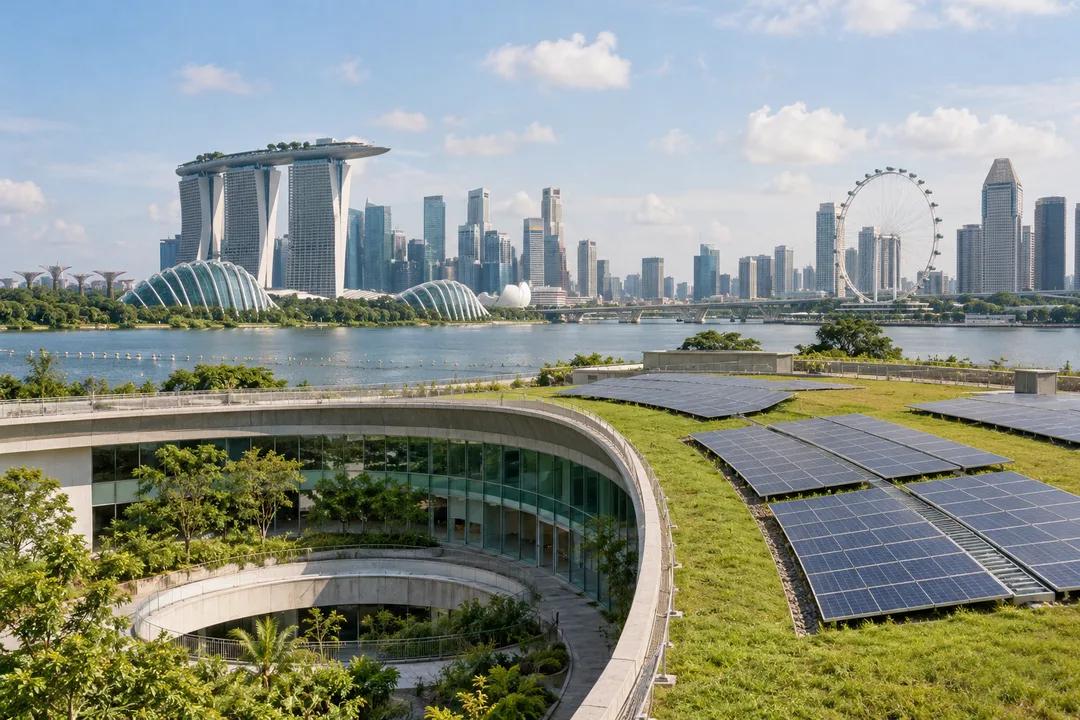
Explore the Sustainable Singapore Gallery at 8 Marina Gardens Drive for interactive hydrologic engineering exhibits, tidal floodgate mechanics, and rooftop solar science.
The Sustainable Singapore Gallery, situated on the second level of Marina Barrage at 8 Marina Gardens Drive, Singapore 018951, provides a compelling introduction to modern urban hydrology, tidal engineering, and environmental technology. Perched directly above the junction where five urban rivers merge into the sea, this contemporary science center breaks down how a densely populated island nation manages scarce water and energy resources. Interactive displays, working scaled mechanical systems, and digital climate projections guide visitors through the complex civil infrastructure keeping the city flood-free and resource-secure. Admission to the entire gallery is completely free with tickets priced at S$0 for all local and overseas guests.
Engineering Singapore's Urban Water Catchment Basin
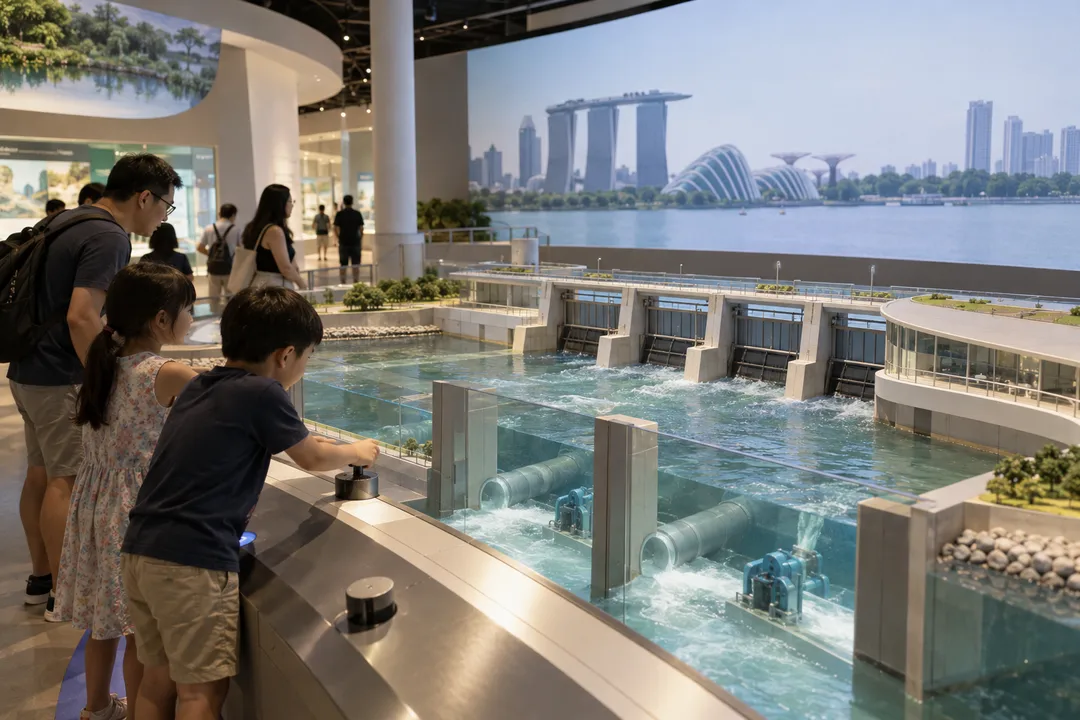
Inside the main exhibit hall, large illuminated relief dioramas outline the creation of the Marina Basin reservoir. The facility illustrates how engineers isolated ten thousand hectares of open water from tidal seawater, turning an active marine channel into Singapore's fifteenth freshwater reservoir. Visitors explore interactive simulation consoles demonstrating runoff collection from Queenstown, Kallang, Geylang, and Marina South. Touch-activated displays demonstrate how storm runoff is channeled through canals and underground detention tanks before reaching the barrage basin.
The hydrological narrative also tracks Singapore's Four National Taps strategy, focusing on the engineering physics behind desalination and membrane filtration. Cross-sectional models showcase the multi-barrier purification system used in NEWater production, detailing microfiltration pores that trap microscopic bacteria and reverse osmosis membranes filtering dissolved salts. Transparent pipes with illuminated flow indicators show each stage of treatment, allowing students and adults to grasp the chemical and mechanical hurdles of turning industrial wastewater into high-grade water.
Visitors can also examine the chemical sensor arrays stationed throughout local waterways. Automated water-quality monitoring buoys continuously measure dissolved oxygen, pH balance, and turbidity across the reservoir surface. Data consoles show how artificial wetlands and floating reed beds naturally absorb excess nitrogen and phosphorus, demonstrating the biological synergy between natural vegetation and high-tech civil water treatment plants.
Interactive Environmental Zones from Zero Waste to Clean Energy
Beyond water management, the gallery spans six dedicated thematic zones that explore Singapore's ecological planning and clean energy transition. In Zone Two, mechanical scales and interactive sorting chutes demonstrate recycling physics and thermal waste-to-energy conversion at the Tuas incineration plants. Visitors manipulate tactile levers to compare the energy density of reclaimed plastics against conventional landfill waste, learning how incineration ash is barged across the ocean to construct Semakau Landfill.
The climate action gallery integrates digital heat sensors and wind-flow simulators that show how sustainable urban architectural design reduces ambient city temperatures. Scale models of Housing and Development Board estates highlight rooftop solar installations, rainwater harvesting channels, and vertical sky gardens. Hands-on touchscreens let guests adjust urban vegetation density and solar panel tilt angles to observe real-time simulated impacts on regional carbon emissions and local electrical grid stability.
An adjoining digital projection theatre displays Singapore's carbon accounting models and green building certifications. Guests step onto interactive floor sensors that calculate the embedded energy within building materials such as mass engineered timber and low-carbon concrete. By comparing lifecycle emissions of distinct architectural choices, the exhibit explains how the tropics can construct high-density skyscrapers while curbing overall heat absorption.
How the Dam Crest Gates and Drainage Pumps Operate
The mechanical core of the barrage is explained through a walk-through installation overlooking the real barrage gates. Nine steel crest gates, each measuring thirty meters in length and weighing several tons, span the three-hundred-and-fifty-meter wide channel. Kinetic scale models enable visitors to simulate flood conditions: when rainstorms coincide with low tide, the automated hydraulic gates drop to discharge storm water straight out into the Singapore Strait.
When high tide blocks gravity discharge, the facility relies on its massive internal drainage pump station. The gallery features a see-through pump cutaway illustrating how seven vertical axial-flow pumps operate. Each pump is capable of moving forty cubic meters of water per second, providing a combined pumping capacity of two hundred and eighty cubic meters per second. Dynamic digital gauges illustrate the immense electrical torque and water pressure generated when all seven pump units spin simultaneously during torrential tropical downpours.
The engineering gallery highlights the dual-function desilting mechanisms and heavy debris screens protecting the pump impellers. Underwater sonic transducers detect silt buildup along the channel floor, alerting maintenance crews before blockages impair flow. Visitors can operate miniature hydraulic joystick controls to simulate gate closure sequences during sudden squalls, learning how automated fail-safes prevent saltwater contamination of the municipal freshwater supply.
The 2008 Barrage Heritage and Singapore Green Plan 2030
Marina Barrage was officially commissioned and opened to the public in late 2008, following three years of construction directed by national water agency PUB. The gallery underwent a major comprehensive overhaul in 2018, modernizing its exhibits with sensor-driven displays and multi-sensory educational stations. Historical photo panels preserve the architectural blueprints from structural engineers who drove foundation piles deep into the soft marine clay of Marina Channel.
Modern exhibits in the final hall align with the goals of the Singapore Green Plan 2030, presenting concrete targets for expanding nationwide electric vehicle charging infrastructure, developing floating solar farms on reservoir surfaces, and expanding coastal flood barriers. Interactive quizzes challenge visitors to calculate their household water footprint against the national daily average, emphasizing individual conservation habits alongside massive governmental engineering projects.
The museum also documents Singapore's long-term coastal adaptation studies along the East Coast and downtown waterfront. Working dioramas show polder engineering concepts, seawalls, and mangrove surge buffers designed to counter rising sea levels. By linking historic flood mitigation from the 1970s with future century-long climate forecasts, the gallery illustrates an unbroken chain of environmental engineering resilience.
Practical Visiting Notes for Marina South
The Sustainable Singapore Gallery welcomes visitors from 9:00 AM to 6:00 PM Wednesday through Monday, while remaining closed on Tuesdays for scheduled maintenance. General walk-in admission costs S$0, and guided educational tours can be booked in advance through the official PUB booking portal.
Reaching the facility is straightforward via public transit. Commuters take the MRT North-South Line to Marina South Pier MRT station (NS28) and connect to SBS Transit bus 400, or walk along the waterfront promenade from Gardens by the Bay. The rooftop of the building features a sweeping grass lawn where families fly kites and view the surrounding downtown skyscrapers. Nearby, visitors can stroll along the Marina Barrage bridge toward the Eastern coastal park connector or grab refreshments at the ground-floor waterfront cafe.
Visitors should plan for roughly ninety minutes to explore all six gallery zones at a comfortable pace. The building provides air-conditioned rest areas, water bottle refilling stations, and wheelchair-accessible ramps throughout both levels. Photographers often linger on the rooftop after gallery hours to capture sunset reflections across the Marina Bay financial district skyline and the illuminated Supertree Grove in the adjoining park.
Ask Karpo for more information.
Keep reading
- Chinatown New in Town Weekend Planner: Errands and Temples
 Kampong Glam New in Town Weekend Planner: Mosque to Murtabak
 Holland Village New in Town Weekend Planner: Meet People